
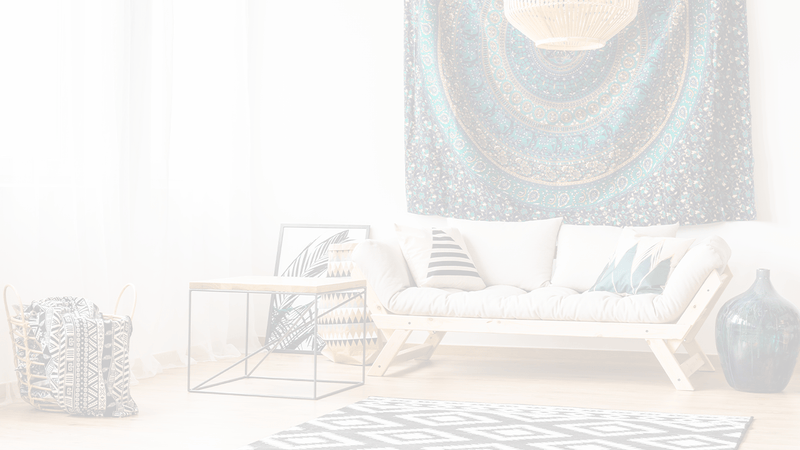
Hanging a large tapestry can completely transform your space, adding color, texture, and personality to your walls. But if you’re unsure how to do it right, the process might feel overwhelming or risky—what if it falls or damages your wall?
Don’t worry. This guide will show you simple, effective ways to hang your tapestry securely and beautifully. By the end, you’ll have the confidence to display your favorite piece like a pro. Ready to turn your wall into a stunning focal point?
Let’s get started!

Credit: aboderie.co.uk
Choosing The Right Spot
Choosing the right spot to hang a large tapestry sets the foundation for its impact. The perfect location brings out the tapestry’s colors and details. It also complements your room’s style and size. Careful thought helps create a balanced and inviting space.
Consider Wall Size And Shape
Match the tapestry size to your wall dimensions. A large tapestry suits a wide, open wall. Avoid small walls where the tapestry looks cramped or overwhelming. The tapestry should fill the space without crowding it. Rectangular walls work well for long, horizontal tapestries. Square walls fit well with centered, balanced designs.
Lighting And Visibility
Pick a spot with good natural or artificial light. Light reveals the tapestry’s textures and colors. Avoid placing it in dark corners where details fade. Bright, indirect light works best to prevent fading. Make sure the tapestry is visible from main room areas. It should catch the eye without glare or shadows.
Avoiding Obstructions
Keep the tapestry away from furniture that blocks the view. Avoid doors, windows, or light switches behind the tapestry. Obstructions take away from the tapestry’s visual impact. Leave enough space around the tapestry for easy cleaning and care. Clear surroundings help the tapestry stand out as a focal point.

Credit: www.wikihow.com
Selecting Hanging Methods
Selecting the right hanging method for a large tapestry makes a big difference. The choice depends on the wall type, tapestry weight, and desired look. Some methods leave marks, while others are removable. Each option offers unique benefits and challenges. Consider the material and size of your tapestry before deciding.
Using Nails And Hooks
Nails and hooks provide strong support for heavy tapestries. They hold the fabric firmly against the wall. Use anchors for drywall to prevent damage. This method suits permanent displays and textured fabrics. Expect small holes in the wall after removal.
Adhesive Strips And Tapes
Adhesive strips and tapes avoid wall damage. They work well with lightweight to medium tapestries. Choose strips rated for fabric and weight. Clean the wall surface before application. These strips remove cleanly, leaving no marks. Avoid use on rough or porous walls.
Tapestry Rods And Dowels
Tapestry rods and dowels create a polished look. Slide the tapestry over the rod or attach it with loops. Mount the rod on brackets or hooks. This method allows easy removal and repositioning. Ideal for thick or heavy textiles to prevent sagging.
Velcro And Clips
Velcro and clips offer flexible hanging without nails. Stick one side to the wall, the other to the tapestry. Use strong adhesive Velcro for heavier fabrics. Clips hold the tapestry edges securely. This method suits renters or temporary displays.
Preparing The Tapestry
Choose a clean, flat wall free of dust before hanging your large tapestry. Smooth out wrinkles and decide its position for the best display. Use gentle tools to avoid damage while preparing your tapestry for hanging.
Preparing a tapestry for hanging requires careful attention. A large tapestry can transform a room, but preparation is key. Properly preparing your tapestry ensures it hangs beautifully. Here’s how to get started.Cleaning And Ironing
Start by cleaning the tapestry. Dust and dirt can dull its appearance. Use a vacuum with a brush attachment. Gently remove any surface dust. If the tapestry is washable, follow care instructions. For delicate fabrics, dry cleaning might be necessary. After cleaning, check for wrinkles. Iron the tapestry on a low setting. Use a pressing cloth to protect the fabric. This step ensures a smooth appearance.Adding Reinforcements
Consider adding reinforcements for stability. Reinforcements prevent sagging over time. Sew a rod pocket along the top edge. Use sturdy fabric for the pocket. This helps distribute weight evenly. Alternatively, add curtain rings. Sew rings along the top. This method also supports the tapestry well.Measuring And Marking
Accurate measurements are crucial. Measure the wall space where the tapestry will hang. Ensure the tapestry fits well without overwhelming the space. Mark the wall with a pencil. Indicate where the top of the tapestry will be. This guides you during the hanging process. Ensure markings are level for a straight hang. Prepare your tapestry with care. It will become a stunning focal point.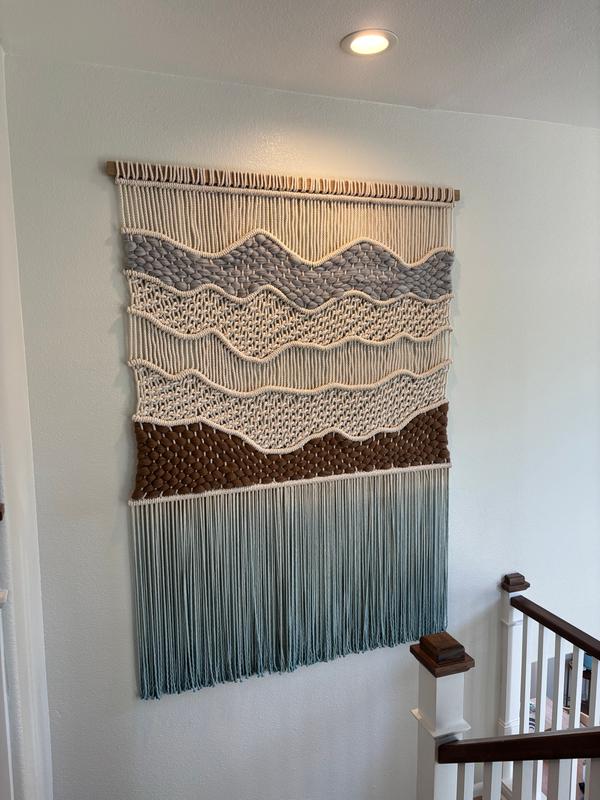
Credit: teddyandwool.com
Step-by-step Hanging Process
Hanging a large tapestry can transform your space instantly, but the process requires care to avoid damage to both your wall and the fabric. Taking a structured approach ensures your tapestry stays secure and looks fantastic. Let’s break down the hanging process into clear, manageable actions you can follow easily.
Marking Wall Points
Start by deciding exactly where you want your tapestry to hang. Use a tape measure to find the center of your wall and the desired height for the top edge of the tapestry. Mark these points lightly with a pencil to guide your hardware placement.
Consider the tapestry’s size and weight—do you need multiple support points? Marking two or more evenly spaced points will help distribute the weight and prevent sagging. It’s worth double-checking these marks with your tape measure to ensure symmetry.
Installing Hardware
The choice of hardware depends on your wall type and tapestry weight. For drywall, use anchors or toggle bolts for strong support. If you have wooden studs, screws alone will work well.
- Drill pilot holes at your marked points.
- Insert anchors if needed.
- Secure hooks, nails, or screws firmly in place.
Think about whether you want the hardware visible or hidden behind the tapestry. Some prefer decorative hooks that add to the room’s style, while others choose simple nails for a clean look.
Mounting The Tapestry
Before hanging, check if your tapestry has loops, a rod pocket, or if you’ll need to use clips or Velcro strips. These details affect how you mount it.
Lift the tapestry carefully and align it with your hardware. If it’s heavy or large, ask for help to avoid stretching or tearing the fabric. Attach the tapestry slowly, making sure it hangs evenly without wrinkles or folds.
After mounting, step back and evaluate the placement. Does the tapestry sit straight? Does it complement your room’s layout? Adjust as needed until it looks just right.
Maintaining Your Tapestry
Keeping your large tapestry looking fresh and vibrant requires some attention beyond just hanging it up. Proper maintenance ensures it remains a stunning focal point in your space for years. Let’s dive into simple ways you can care for your tapestry effectively.
Cleaning Tips
Dust and dirt can dull your tapestry’s colors over time. Use a soft brush or a vacuum with a gentle upholstery attachment to remove surface dust regularly. Avoid harsh cleaning products; instead, spot clean stains with a mild detergent diluted in water.
If your tapestry is machine washable, always check the care label first. Hand washing is usually safer, using cold water to preserve the fabric and colors. Air dry flat to prevent stretching or damage.
Avoiding Sun Damage
Sunlight can fade your tapestry’s beautiful colors quickly. Try to hang it away from direct sunlight or use UV-protective window films in rooms where sunlight is strong. If moving the tapestry isn’t an option, consider rotating it occasionally so one side doesn’t get more exposure than the other.
Have you noticed how some fabrics lose their vibrancy despite careful cleaning? Sunlight is often the hidden culprit. Protecting your tapestry from UV rays preserves its original look much longer.
Periodic Adjustments
Over time, tapestries can sag or shift from their original position. Check your hanging system regularly and tighten or adjust hooks, rods, or nails to keep the tapestry taut and flat against the wall. This prevents wrinkles and uneven wear.
Sometimes, a slight repositioning can refresh the entire room’s vibe. Don’t hesitate to experiment with the height or angle of your tapestry to see what works best. Your space should feel alive with your personal touch.
Creative Display Ideas
Creative display ideas can transform a large tapestry into a stunning focal point. Using unique methods enhances the tapestry’s beauty and complements your room’s style. These ideas add texture, color, and personality to any space.
Layering With Other Decor
Layering a tapestry with other decor creates depth and interest. Hang the tapestry behind a shelf or low furniture for a textured backdrop. Use smaller wall art or mirrors in front to build a layered look. Draping fairy lights or string lights over the tapestry adds warmth and charm. Layering helps the tapestry blend naturally with your room’s elements.
Framing And Stretching
Framing a tapestry makes it look like a work of art. Choose a simple wooden or metal frame that complements the colors. Stretching the tapestry over a frame keeps it flat and wrinkle-free. This method protects the fabric and gives a clean, polished look. Framed tapestries suit living rooms, hallways, or bedrooms with minimalist decor.
Using As A Room Divider
A large tapestry can divide a room without building walls. Hang it from the ceiling with curtain rods or hooks. This creates a soft partition that defines spaces while keeping an open feel. Use a tapestry divider in studios, shared rooms, or open-plan homes. It adds color and texture while providing privacy and separation.
Frequently Asked Questions
How Do You Prepare The Wall For Hanging A Tapestry?
Clean the wall and remove any dust or debris. Use a stud finder to locate studs for secure hanging. Mark the spots where hooks or nails will go. This ensures the tapestry stays flat and prevents damage to your wall.
What Tools Are Needed To Hang A Large Tapestry?
You will need a measuring tape, level, hooks or nails, and a hammer. Optional tools include a stud finder and adhesive strips. These tools help ensure your tapestry is hung straight and securely without damaging walls.
Can I Use Adhesive Strips To Hang A Tapestry?
Yes, heavy-duty adhesive strips work for lightweight tapestries. They avoid wall damage and are easy to remove. However, they may not support very large or heavy tapestries, so check the weight limits before use.
How High Should I Hang A Large Tapestry?
Hang the tapestry so its center is at eye level, around 57-60 inches from the floor. This height is visually balanced and enhances room aesthetics. Adjust based on furniture placement and room size for the best look.
Conclusion
Hanging a large tapestry can change any room’s look quickly. Choose the right method that fits your wall and tapestry type. Measure carefully and use tools that keep the fabric safe. Take your time to hang it straight and secure.
Enjoy the warmth and style a tapestry adds to your space. With simple steps, your wall art can shine beautifully every day.



