
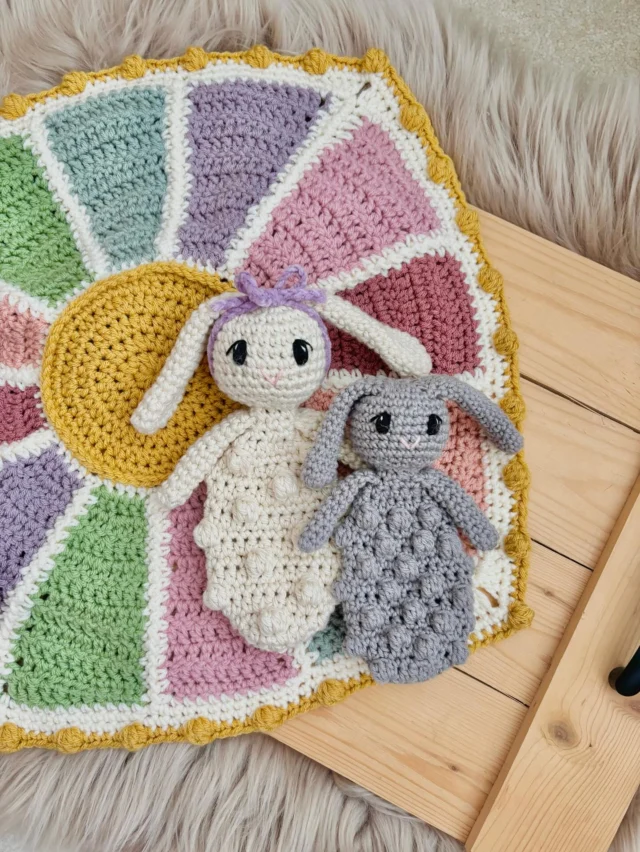
Are you ready to take your crochet skills to the next level? Learning how to tapestry crochet with multiple colors opens up a whole new world of creative possibilities.
Imagine crafting vibrant patterns and eye-catching designs that stand out. In this guide, you’ll discover simple, step-by-step techniques to master color changes without tangles or confusion. By the end, you’ll be confident in creating beautiful, colorful projects that truly showcase your style.
Keep reading—you won’t want to miss these essential tips!

Credit: offthebeatenhook.com
Basics Of Tapestry Crochet
Tapestry crochet is a colorful and creative crochet technique. It allows you to create patterns and images using multiple yarn colors. This technique involves carrying yarns along and switching colors smoothly. The result is a thick, sturdy fabric that shows detailed designs. Understanding the basics helps you start your tapestry crochet projects with confidence.
What Is Tapestry Crochet
Tapestry crochet uses two or more yarn colors in one row. You carry the unused yarn inside your stitches. This hides the yarn and keeps the work neat. You crochet over the carried yarn to keep it secure. This technique creates dense, colorful patterns. It is perfect for bags, hats, and home decor items.
Choosing The Right Yarn And Hook
Choose yarns that are similar in weight and texture. This helps the stitches look even and smooth. Cotton or acrylic yarns work well for tapestry crochet. They hold their shape and show colors clearly. Use a crochet hook that matches your yarn weight. Slightly smaller hooks make tight stitches. Tight stitches keep the carried yarn hidden and the fabric firm.
Preparing For Multiple Colors
Preparing for multiple colors means organizing yarn strands to avoid tangles and smooth color changes. Keep yarns untwisted and plan your pattern for clear, neat stitches. This makes tapestry crochet easier and more enjoyable.
Preparing for Multiple Colors Tapestry crochet comes alive with the use of multiple colors. Before diving into your project, it’s essential to prepare for handling these vibrant hues. This preparation can make the difference between a tangled mess and a work of art. Consider how different colors will interact, manage your yarn tension, and set yourself up for success.Selecting Color Combinations
Choosing the right colors can set the tone for your entire project. Think about what emotions or themes you want your piece to convey. Do you want something bright and cheerful or more subdued and sophisticated? – Balance and Contrast: Pairing contrasting colors can make your design pop. A deep navy might stand out beautifully against a soft pastel. – Harmony: Complementary colors, like blues and oranges, can create a pleasing harmony. – Color Wheel: Use a color wheel to find combinations that naturally work well together. Experiment with swatches before committing. A small test can save you from dissatisfaction later.Managing Yarn Tension
Tension is crucial in tapestry crochet, especially when dealing with multiple colors. Consistent tension keeps your stitches uniform and your design neat. – Consistent Pull: Maintain a steady hand when pulling your yarn. Uneven tension can lead to puckering or holes. – Practice Switching Colors: Changing colors can alter your tension. Practice this transition to keep it smooth. – Finger Placement: How you hold your yarn affects tension. Experiment with different grips to find what feels best for you. Keep an eye on your fabric as you crochet. Are your stitches lying flat? Adjust your tension if they start to bunch or stretch. Preparing well for multiple colors can transform your crochet experience. What steps will you take to ensure a seamless and vibrant tapestry?Techniques For Color Changes
Changing colors smoothly is key to creating beautiful tapestry crochet projects. Mastering the right techniques helps your work look professional and keeps your yarn from tangling. Let’s dive into two essential ways to manage color changes effectively.
Carrying Yarn Behind Work
Carrying yarn behind your work means you let the unused color run along the back while you crochet with the active color. This technique keeps your tension even and avoids cutting yarn after every color change.
To carry yarn neatly, hold the inactive yarn loosely behind your stitches. When you need to switch colors, simply crochet over the carried yarn to trap it in place. This approach not only saves time but also creates a tidy fabric with minimal ends to weave in later.
Have you noticed how carrying yarn affects the thickness of your piece? If your project feels too stiff, try loosening your grip or carrying yarn only for short distances. This small adjustment can make a big difference in the final texture.
Switching Colors Seamlessly
Switching colors seamlessly means changing yarns without gaps or bumps between colors. The best moment to switch is during the last yarn over of your current stitch.
Here’s how you do it: when you have two loops left on your hook, drop the old color and pick up the new color to finish the stitch. This simple change makes the transition clean and hides any joins inside the stitches.
To avoid loose loops or tight spots at the color join, gently tug the new yarn to match the tension of your work. If you want to keep your edges neat, twist the two yarns together before starting the new color row. Have you tried this? It can prevent holes that sometimes appear at color changes.

Credit: spottedhorsedesignco.com
Creating Patterns And Designs
Creating patterns and designs in tapestry crochet brings your project to life with vibrant colors. It lets you express creativity through shapes, motifs, and color changes. Planning and understanding patterns is key for beautiful results. Each stitch can build complex images or simple stripes.
Reading Color Charts
Color charts guide your crochet work with clear visual instructions. They show where to switch colors row by row. Each square or symbol on the chart matches a stitch in your project.
Use these tips to read charts effectively:
- Start from the bottom right corner for most patterns.
- Follow rows from right to left and left to right alternately.
- Identify symbols representing different colors before starting.
- Mark your progress to avoid confusion.
Charts help keep color changes organized and precise. They make complex designs easier to follow.
Planning Your Project
Careful planning ensures your tapestry crochet turns out as imagined. Choose colors that contrast well for clear designs. Sketch your pattern or select a chart that fits your skill level.
Consider these steps for planning:
- Decide the size and shape of your project.
- Pick yarns with similar weight and texture.
- Test color combinations on small swatches.
- Count stitches and rows needed for your design.
Planning helps avoid mistakes and saves time. It sets a strong foundation for weaving colors seamlessly.
Common Mistakes To Avoid
Working with multiple colors in tapestry crochet can be tricky, especially if you don’t watch out for common mistakes. These errors can slow you down and affect the overall look of your project. Spotting and avoiding these pitfalls early will save you frustration and help your work look professional.
Tangled Yarn Issues
Tangled yarn is one of the biggest headaches when using multiple colors. If you don’t keep your yarn organized, you’ll waste time untangling knots instead of crocheting. I once spent nearly half an hour just fixing a mess caused by letting my yarn balls roll freely.
To prevent tangles, try these tips:
- Use separate containers or bowls for each yarn ball.
- Keep the strands parallel and avoid crossing them over one another.
- Regularly check your work area and gently untwist any loops before they tighten.
Ask yourself—are you managing your yarn as well as you could? A little effort here makes a big difference in your crafting flow.
Inconsistent Stitches
Uneven stitches can ruin the clean look tapestry crochet demands. Switching colors often causes tension changes, making some stitches looser or tighter than others. I’ve seen beginners’ work look messy simply because they didn’t maintain consistent stitch size while changing colors.
Here’s how to keep your stitches even:
- Focus on keeping the same tension regardless of color changes.
- Practice slow and deliberate stitches when you switch yarns.
- Check your stitches frequently and adjust your tension immediately if needed.
Think about how your stitch consistency impacts the final pattern. Are you ready to slow down and pay attention to every loop you make?
Expert Tips For Smooth Workflow
Mastering tapestry crochet with multiple colors requires more than just switching yarns. Smooth workflow is key to keeping your project enjoyable and your stitches neat. These expert tips will help you stay organized and maintain consistent tension, making your color changes look professional and clean.
Using Stitch Markers
Stitch markers are your best friends when working with multiple colors. They help you track where each color section begins and ends, preventing confusion and mistakes.
Place markers at color change points or every few stitches to keep your place. This way, you won’t lose track of your pattern, especially in complex designs.
Try using different colors or shapes of markers to identify specific spots. This small trick can save you hours of unraveling and redoing stitches.
Maintaining Even Tension
Keeping your tension consistent is crucial for a uniform look in tapestry crochet. Uneven tension can make your stitches look loose in some areas and tight in others, breaking the flow of your colorwork.
Hold both yarns comfortably in your hand, allowing them to glide smoothly. Avoid pulling the carried yarn too tightly, as it can pucker your fabric.
If you notice puckering, gently stretch your piece to even out the stitches before continuing. This practice helped me fix tension issues early in my projects and kept my fabric flat and smooth.
Finishing Touches
Finishing touches make your tapestry crochet project look complete and polished. These final steps improve durability and show off your color work clearly. Taking time with these details ensures your piece lasts long and looks neat.
Weaving In Ends Neatly
Weaving in ends hides loose yarn and secures your stitches. Use a yarn needle to thread each tail through the back loops. Follow the stitch pattern to keep the weaving invisible. Avoid pulling too tight to prevent puckering. Trim excess yarn close to the fabric without cutting the stitches.
For multiple colors, weave each end separately to avoid tangling. Change direction a few times for extra hold. This step keeps your work clean and ready for use or display.
Blocking Your Work
Blocking shapes and evens your crochet piece. Wet your project lightly or use steam for better shaping. Pin it gently on a flat surface to stretch and smooth the fabric. Let it dry completely to set the shape. This step helps colors stand out and stitches look uniform.
Blocking also removes any curling or wrinkles from your tapestry crochet. It gives a professional finish and improves the overall appearance of your work.

Credit: spottedhorsedesignco.com
Frequently Asked Questions
What Materials Are Needed For Tapestry Crochet With Colors?
You need multiple yarn colors, a crochet hook, scissors, and a yarn needle. Choose yarns with similar thickness. This ensures smooth color changes and an even texture.
How Do You Switch Colors In Tapestry Crochet?
Carry the unused yarn inside stitches and crochet over it. Drop one color and pick up the next at stitch end. This keeps the fabric neat and color changes clean.
Can Tapestry Crochet Create Detailed Color Patterns?
Yes, tapestry crochet allows intricate designs by changing colors stitch-by-stitch. Planning your color chart beforehand helps maintain pattern accuracy. This technique is perfect for geometric or pictorial motifs.
How To Avoid Yarn Tangling With Multiple Colors?
Keep each yarn ball separate and untwisted. Use yarn bobbins or clips to manage strands. Work slowly to prevent tangling and maintain tension consistency.
Conclusion
Tapestry crochet with multiple colors adds fun and style to your projects. Keep your yarn neat and switch colors carefully. Practice helps improve your tension and color changes. Small mistakes are normal; they make your work unique. Try different patterns and enjoy creating colorful designs.
Your skills will grow with each new project. Remember, patience and practice bring the best results. Happy crocheting!



