
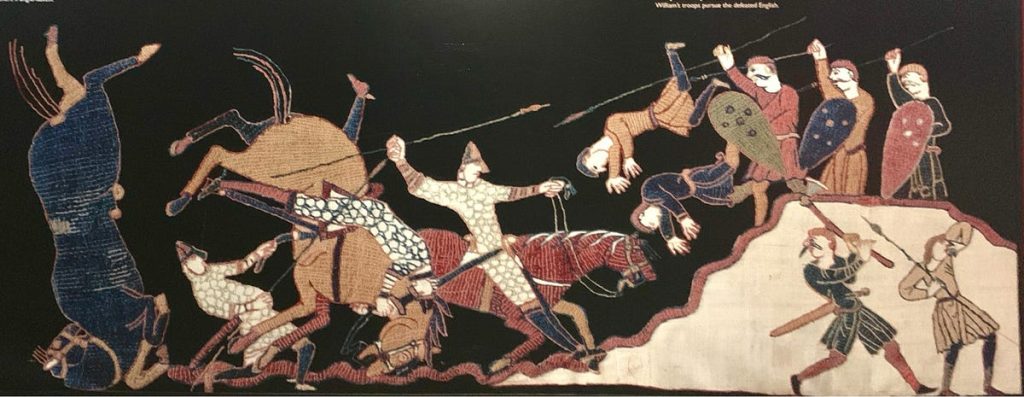
Have you ever wondered what medium was used to create the Bayeux Tapestry? This remarkable piece of history isn’t just a simple fabric—it tells a powerful story through its unique materials and craftsmanship.
Understanding what it’s made of will change the way you see this ancient artwork and connect you more deeply to the past. Keep reading, and you’ll discover the fascinating secrets behind the Bayeux Tapestry’s creation that most people don’t know.
Materials Behind The Tapestry
The Bayeux Tapestry is more than just a stunning piece of medieval art; it’s a carefully crafted story told through unique materials. Understanding what went into making it helps you appreciate its durability and beauty even more. The choices of fabric and thread reveal much about the techniques and resources available at the time.
Fabric Choice
The base fabric of the Bayeux Tapestry is linen, a strong and smooth material made from flax fibers. Linen was widely used during the medieval period because it could withstand heavy embroidery without tearing.
Its tight weave provided a perfect canvas for detailed stitching. Imagine working with a fabric that holds your needlework firmly in place—that’s what the creators of the tapestry enjoyed. Linen’s durability means the tapestry has survived nearly a thousand years, a true testament to this choice.
Threads And Fibers
The vibrant images on the tapestry come from colored wool yarns stitched onto the linen. Wool was a popular choice because it absorbs dyes well, allowing for bright, lasting colors.
The colors you see—reds, blues, greens, and yellows—come from natural dyes made from plants and minerals. Think about the skill needed to maintain color consistency across such a long piece without modern dye technology. The use of wool also adds texture and depth, making the scenes more vivid.
Credit: military-history.fandom.com
Techniques Of Creation
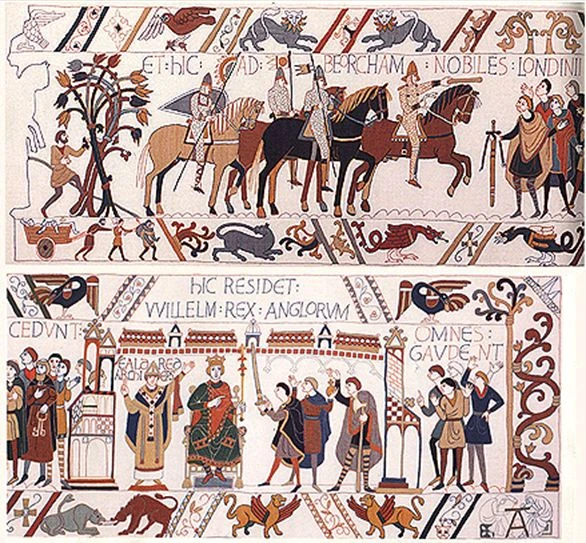
The Bayeux Tapestry is a remarkable piece of medieval art. Its creation involved careful techniques and skilled craftsmanship. The tapestry is not a woven cloth but an embroidered one. Each scene tells a story through detailed needlework. Understanding the techniques helps appreciate its artistic value and historical importance.
Embroidery Styles
The tapestry uses two main embroidery styles. These styles add depth and detail to the images. The primary style is outline embroidery. It defines shapes and figures clearly. The second style fills in larger areas with color. This contrast makes the scenes vivid and easy to follow.
Both styles work together to create a balanced look. The outlines give structure, while the fills provide richness. The artisans carefully chose colors to highlight important parts. Their work shows a blend of simplicity and skill.
Stitch Types
Several stitch types build the tapestry’s images. The most common stitch is the stem stitch. It forms smooth lines and outlines. Another key stitch is the laid-and-couched stitch. It fills wide areas with thread held in place by small stitches. This technique adds texture and depth.
Other stitches appear less often but add detail. The chain stitch adds decorative effects. The split stitch helps create shading and soft edges. Each stitch choice serves a purpose. Together, they bring the scenes to life with movement and expression.
Dyes And Colors Used
Natural dyes from plants and minerals created the Bayeux Tapestry’s colors. Woad, madder, and weld offered blues, reds, and yellows. These simple sources gave the tapestry its rich, lasting hues.
The Bayeux Tapestry captivates with its vivid colors. Created in the 11th century, its hues are remarkably preserved. The tapestry’s colors stem from natural dyes and expert craftsmanship. Let’s explore the fascinating process behind these colors.Natural Dye Sources
Artisans used plants and minerals for dyes. Woad was a primary source for blue. Madder roots produced vibrant reds. Yellow came from weld, a flowering plant. Green shades resulted from mixing blue and yellow dyes. Each source provided unique shades, enriching the tapestry’s scenes.Color Application
Applying these dyes required skill. Wool threads were soaked in dye baths. This ensured even color distribution. Each thread absorbed dye at different rates. This created subtle variations in color. Artisans used these variations to add depth and detail. The process was meticulous but essential for the tapestry’s beauty.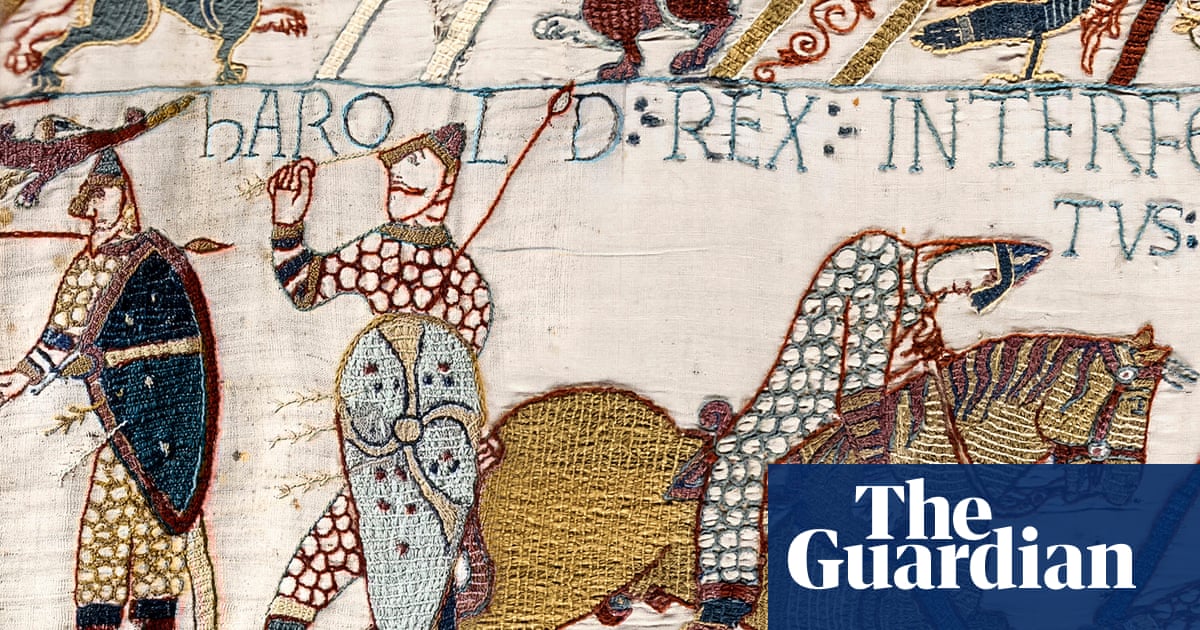
Credit: www.theguardian.com
Craftsmanship And Artistry
The Bayeux Tapestry showcases an extraordinary level of craftsmanship and artistry that has fascinated historians and art lovers for centuries. This remarkable piece isn’t just a simple fabric; it tells a vivid story through its detailed embroidery. Understanding the skill and creativity behind its creation helps you appreciate the tapestry as a masterpiece of medieval art.
Skill Levels Of Artisans
The artisans who worked on the Bayeux Tapestry demonstrated impressive skills in embroidery. Their ability to create detailed figures, animals, and scenes with thread alone speaks to their high level of craftsmanship.
These artisans had to master various stitching techniques, such as stem stitch and laid work, to give texture and depth to the images. Imagine the patience and precision needed to maintain consistency across such a large piece—over 230 feet long!
You might wonder how these artisans learned their craft. Back then, skill was often passed down through families or taught in workshops, meaning each stitch carried years of experience. The tapestry’s uniform quality suggests a well-trained team rather than a few isolated creators.
Design And Patterns
The tapestry’s design is both practical and artistic, guiding the viewer through a historical narrative with clear visual cues. The patterns include borders filled with animals, mythical creatures, and geometric shapes, which add richness to the story without distracting from the main scenes.
Each figure and element follows a consistent style, making the story easy to follow. This uniformity suggests detailed planning before any thread touched the cloth. You can see how the use of color and repetition of shapes create rhythm and balance across the entire work.
Have you noticed how the tapestry uses space cleverly? The scenes are arranged to maximize storytelling within a limited width, proving that smart design can make a big impact without overwhelming the viewer. This level of planning is something you can apply to your own projects, whether in art or communication.
Preservation Of The Tapestry
The Bayeux Tapestry is a remarkable piece of history, but its true story extends beyond its creation. Preserving this ancient textile requires constant care and attention. Understanding how it has been protected over the centuries helps you appreciate not only its beauty but its survival against the odds.
Environmental Factors
Environmental conditions play a huge role in the tapestry’s preservation. Exposure to light, humidity, and temperature changes can cause the colors to fade and the fabric to weaken.
In the Bayeux Museum, where the tapestry is displayed, strict climate control is maintained. This includes:
- Low lighting to prevent color fading
- Stable humidity levels to avoid mold and fabric decay
- Consistent temperature to reduce stress on the fibers
Have you ever noticed how sunlight fades the colors of your clothes over time? The same principle applies here but on a much larger and more delicate scale.
Restoration Efforts
Keeping the tapestry intact has required skilled restoration work. Experts carefully repair damaged sections using techniques that do not alter the original stitching.
These efforts include:
- Reinforcing weak areas with supportive backing fabrics
- Cleaning the tapestry with gentle methods to remove dirt without harming the fibers
- Using historical embroidery threads for repairs to match the original materials as closely as possible
Each restoration project is a balance between preserving the tapestry’s authenticity and ensuring it lasts for future generations. Imagine handling a nearly 1,000-year-old textile—would you treat it like a fragile museum piece or a daily-use item?

Credit: www.yahoo.com
Frequently Asked Questions
What Material Was Used To Create The Bayeux Tapestry?
The Bayeux Tapestry was made using linen fabric as its base. Wool yarns dyed in various colors embroidered the detailed scenes. This combination provided durability and vivid imagery, suitable for storytelling and preservation over centuries.
What Type Of Thread Colors Were Used In The Tapestry?
The tapestry features wool threads dyed with natural pigments. Common colors include red, blue, green, yellow, and brown. These colors helped highlight important figures and events in the Norman conquest narrative.
How Was The Bayeux Tapestry Embroidered?
The embroidery technique used was mainly stem stitch for outlines and laid work for filling. Skilled artisans carefully stitched the scenes to ensure clarity and artistic detail. This method allowed for intricate storytelling through thread art.
Why Was Linen Chosen As The Tapestry’s Fabric?
Linen was preferred for its strength and smooth texture. It provided a stable foundation for fine embroidery. Additionally, linen was widely available in medieval Europe, making it a practical choice for large works.
Conclusion
The Bayeux Tapestry tells a powerful story through stitches and cloth. Wool yarns dyed with natural colors bring history to life. Each thread shows skill and care from long ago. This art form used simple materials but created something grand.
The tapestry remains a valuable piece of culture and craft. It connects us to the past with every embroidered scene. Understanding its medium helps us appreciate its lasting beauty. A true treasure made with humble tools and great talent.



