
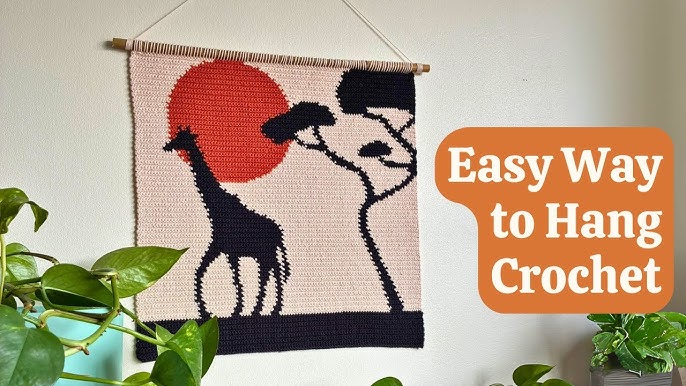
Are you looking to add a unique touch to your space with a beautiful tapestry but aren’t sure how to hang it up properly? You’re not alone.
Hanging a tapestry might seem simple, but doing it the right way can make all the difference in how it looks and lasts. Whether you want to create a cozy vibe in your living room or add color to a blank wall, knowing the best methods will save you time and frustration.
Keep reading, and you’ll discover easy, effective ways to hang your tapestry so it looks stunning and stays secure.
Choosing The Right Tapestry
Choosing the right tapestry is the first step to transforming your space into something truly unique and inviting. It’s not just about picking a pretty design; you need to think about how the tapestry’s material, size, and style will work with your room’s vibe and layout.
Material And Size Considerations
The material of your tapestry affects both its look and how easy it is to hang. Cotton and polyester blends are popular because they’re lightweight and drape nicely, while heavier fabrics like wool add texture but may require sturdier hanging methods.
Size matters just as much as material. Too large, and your tapestry might overwhelm the wall and make the room feel cramped. Too small, and it can look lost or insignificant. Measure your wall space carefully before making a choice.
- Think about wall height and width where the tapestry will hang
- Consider if you want the tapestry to cover an entire wall or just be an accent piece
- Remember doorways, windows, and furniture placement that might interfere with the tapestry
Selecting A Design That Fits Your Space
Your tapestry’s design should match the room’s purpose and your personal style. Bold, colorful patterns can energize a living room but might be too distracting in a bedroom where calmness is key.
Ask yourself what feeling you want the space to evoke. Do you want a cozy, warm atmosphere? Or something modern and sleek? Your tapestry can help set that tone if you pick the right design.
- For small rooms, lighter colors and simple patterns can make the space feel bigger
- Large rooms can handle darker tones and more complex designs without feeling crowded
- Match tapestry colors with existing décor for a cohesive look or use contrasting colors to create a focal point
Have you ever hung a tapestry that didn’t quite fit the room? What did you change to make it work better? Your experience can guide you in choosing a tapestry that not only looks good but feels right in your space.

Credit: aboderie.co.uk
Preparing Your Wall
Getting your wall ready before hanging a tapestry sets the stage for a clean and secure display. It’s not just about finding a spot and nailing it up. Taking time to prepare ensures your tapestry looks great and stays put without damaging your walls.
Cleaning And Measuring
Start by wiping down the wall where you plan to hang your tapestry. Dust and dirt can prevent hooks or adhesives from sticking properly. A quick clean with a damp cloth or mild cleaner makes a big difference.
Next, grab a tape measure and note the dimensions of your tapestry. Measure the wall space to make sure it fits well and won’t crowd other decorations. Mark the wall lightly with a pencil where the corners of the tapestry will go.
Identifying The Best Spot
Think about the room’s lighting and traffic flow before choosing your tapestry’s home. Does natural light hit the area, or will it be in the shade? Light affects how colors appear and can fade fabrics over time.
Also, consider the wall’s surface. Textured walls may require different hanging tools than smooth drywall. And where do you spend most of your time in the room? Placing your tapestry where you can easily admire it makes the effort worthwhile.
Tools And Supplies Needed
Hanging a tapestry requires some basic tools and supplies to ensure it stays secure and looks great. Using the right items makes the process easier and prevents damage to your walls or the tapestry itself. Prepare all necessary tools before starting to hang your tapestry.
Essential Hanging Tools
- Measuring tape – to measure wall space and tapestry size
- Level – to keep the tapestry straight
- Pencil – to mark where you will place hooks or nails
- Hammer – for nails or picture hooks
- Nails or picture hooks – to hold the tapestry on the wall
- Command strips – a no-damage option for lightweight tapestries
Optional Accessories For Extra Support
- Wooden dowel or curtain rod – to help spread the tapestry evenly
- Velcro strips – to attach tapestry edges firmly to the wall
- Push pins – for delicate or thin fabric
- Staple gun – for securing tapestry to a wooden frame
- Adhesive hooks – useful for temporary hanging without holes
Hanging Methods
Choosing the right hanging method can make all the difference in how your tapestry looks and how easy it is to install or change later. Each technique offers unique benefits depending on your wall type, the weight of your tapestry, and whether you want a permanent or temporary setup. Let’s explore some practical options that help you display your tapestry beautifully without hassle.
Using Nails And Hooks
Nails and hooks are classic choices for hanging tapestries, especially if your wall can handle a bit of drilling. They provide strong support, which is ideal for larger or heavier pieces. You just need to ensure the nails or hooks are spaced evenly to avoid any sagging or unevenness.
Think about the last time you hung a heavy frame—did the hook hold well or did it slip? Applying that same careful approach here can save you from a tapestry disaster. Use small finishing nails or picture hooks for minimal wall damage, and make sure the tapestry’s top edge is securely fastened.
Command Strips And Adhesive Options
If you want a damage-free method, Command strips are a fantastic choice. They hold surprisingly well and can support a good amount of weight if used correctly. Plus, they peel off cleanly, making them great for renters or those who like to switch up their decor often.
Remember to clean your wall surface before applying the strips for the best grip. Test the weight limit on a small section first—sometimes thicker tapestries need multiple strips for proper hold. Have you ever tried hanging a tapestry without nails? This method might just change your mind.
Rod And Curtain Wire Techniques
Using a rod or curtain wire gives your tapestry a neat, gallery-like look and makes it easy to remove or reposition. You can thread a rod through a sewn pocket at the top of the tapestry or clip it using curtain rings with clips. This method also minimizes wall contact and damage.
Consider installing a tension wire across your wall if you want a flexible setup that can accommodate different sizes. This approach works especially well for lightweight tapestries and creates a clean, modern display. What if your wall isn’t perfect for nails—could a wire system be your solution?
Step-by-step Hanging Process
Hanging a tapestry can transform any room. It adds color and texture. Follow this step-by-step guide. You’ll have your tapestry up in no time.
Marking Your Wall
Decide where you want the tapestry to hang. Use a measuring tape. Mark the desired position with a pencil. Make sure it’s straight using a level. The marks will guide your hardware placement.
Installing Hardware
Choose the right hardware for your wall type. Drywall needs different anchors than brick. Drill holes at the marked spots. Insert the anchors or screws into the holes. Ensure they are secure to support the tapestry’s weight.
Mounting The Tapestry
Attach the tapestry to the hardware. You can use clips, rods, or nails. Ensure the tapestry is even. Adjust if necessary. Stand back and admire your work.

Credit: www.picturehangsolutions.com
Tips For Maintaining Your Tapestry
Maintaining your tapestry ensures it stays beautiful for years. Proper care helps preserve colors and fabric quality. Small habits make a big difference in the tapestry’s lifespan.
Cleaning And Care
Dust your tapestry regularly using a soft brush or vacuum with a low setting. Avoid harsh chemicals or bleach, which can damage fibers. Spot clean stains gently with mild soap and cold water. Let the tapestry air dry flat to keep its shape. Wash tapestries only when necessary, and follow care labels carefully.
Avoiding Damage Over Time
Keep your tapestry away from direct sunlight to prevent fading. Avoid hanging it in damp or humid areas to stop mold growth. Use gentle hanging methods, like fabric loops or rods, to reduce stress on the fabric. Rotate the tapestry occasionally to distribute wear evenly. Store it rolled, not folded, to avoid creases when not in use.
Creative Display Ideas
Creative display ideas make your tapestry stand out and complement your space. Using unique ways to hang or arrange it adds personality and charm. These ideas transform a simple tapestry into eye-catching wall art. Explore options to enhance your room’s style and mood.
Layering With Other Wall Art
Combine your tapestry with framed pictures or mirrors. Layering adds depth and visual interest to your wall. Use different sizes and shapes to create a balanced look. Overlap edges slightly for a cozy, curated feel. Choose art pieces with colors that match or contrast your tapestry.
Incorporating Lighting
Use lighting to highlight your tapestry’s details and colors. String lights create a soft, warm glow around the fabric. Spotlights or picture lights focus attention on the tapestry. LED strips behind the tapestry add a modern touch. Lighting makes your tapestry a focal point day and night.
Seasonal And Themed Arrangements
Change your tapestry display for different seasons or holidays. Add themed decorations like wreaths, garlands, or small ornaments. Swap tapestries to fit seasonal colors or moods. Create a holiday wall with matching tapestries and decor. This keeps your space fresh and festive all year long.

Credit: www.wikihow.com
Frequently Asked Questions
How Do You Choose The Best Spot To Hang A Tapestry?
Select a wall with ample space and minimal direct sunlight. This prevents fading and highlights the tapestry’s design. Ensure the wall is clean and dry for secure hanging.
What Tools Are Needed To Hang A Tapestry Securely?
You need nails, hooks, or adhesive strips, a hammer or level, and a measuring tape. These help ensure the tapestry hangs straight and stays in place.
Can Tapestries Be Hung Without Damaging Walls?
Yes, use removable adhesive hooks or strips. They hold tapestries firmly and peel off without damaging paint or drywall.
How Do You Prevent A Tapestry From Sagging Over Time?
Use a rod or wooden dowel at the top edge for support. This distributes weight evenly and keeps the tapestry taut and wrinkle-free.
Conclusion
Hanging a tapestry can change any room’s feel in minutes. Choose the right method based on your wall and tapestry type. Use simple tools like nails, hooks, or rods for best results. Keep your tapestry flat and secure to avoid wrinkles or damage.
Regularly check the hanging to keep it safe and neat. Enjoy the cozy and colorful touch a tapestry brings to your space. Small effort, big impact.



