
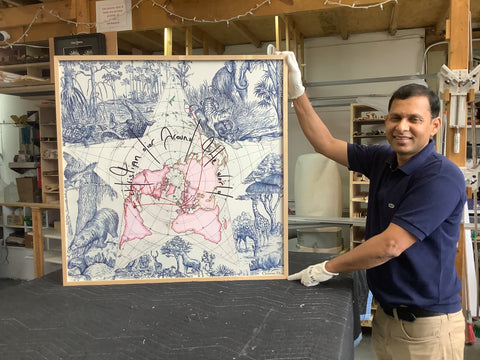
Are you looking to showcase your large tapestry in a way that truly stands out? Framing a big tapestry can transform it from just a piece of fabric into a stunning centerpiece for your room.
But you might be wondering, how do you handle its size without damaging the fabric or overwhelming your space? You’ll discover simple, practical steps to frame your large tapestry beautifully and securely. By the end, you’ll have the confidence to turn your tapestry into art that catches every eye.
Let’s get started!
Choosing The Right Frame
Choosing the right frame for your large tapestry is crucial to highlight its beauty and protect it for years. The frame you select should complement the tapestry’s design without overpowering it. Think about how the material, style, and color of the frame will interact with your tapestry and the space where it will hang.
Materials For Large Frames
Frames come in various materials, each offering different strengths and aesthetics. Wood is a classic choice that adds warmth and durability, ideal for tapestries with earthy or traditional designs. Metal frames, often aluminum or steel, provide a sleek, modern look and can support heavier textiles.
Consider how the material holds up over time. Wood can warp in humid environments, while metal may show scratches more easily. If you want something lightweight yet sturdy, look into composite materials or high-quality plastics designed for framing.
Selecting Frame Styles
Frame styles can range from simple and minimalistic to ornate and detailed. A clean, narrow frame keeps the focus on the tapestry, perfect for contemporary or abstract pieces. Ornate frames with carvings or patterns work well with traditional or vintage tapestries, adding character and depth.
Think about the size of your tapestry, too. Large tapestries often pair well with thicker frames to balance their scale. Would a floating frame that leaves space between the tapestry and frame edges enhance its presence? Try visualizing different styles before making a decision.
Considering Frame Colors
Frame color can either blend with your tapestry or make it stand out. Neutral colors like black, white, or natural wood tones tend to match most tapestries without clashing. If your tapestry has bold colors, a contrasting frame might accentuate its vibrancy.
Ask yourself: do you want the frame to be a subtle backdrop or a bold statement? Sometimes, matching a frame color to a key color in the tapestry creates harmony. Don’t forget to consider the room’s color scheme where the tapestry will hang—your frame should tie the whole look together.

Credit: www.asajamalaga.com
Preparing The Tapestry
Preparing a large tapestry for framing is a key step to ensure a beautiful display. It involves cleaning, measuring, and careful handling. Each action protects the fabric and highlights its design. Proper preparation makes framing easier and preserves the tapestry’s quality over time.
Cleaning And Flattening
Remove dust and dirt gently using a soft brush or vacuum. Avoid harsh chemicals or water, especially on delicate fabrics. Lay the tapestry flat on a clean surface. Use light weights on edges to smooth out wrinkles. Let it rest until completely flat before framing.
Measuring Dimensions
Measure the tapestry’s width and height accurately. Use a soft measuring tape for flexibility. Note the size in inches or centimeters. Add extra space for the frame and mounting material. Record all measurements carefully to avoid framing errors.
Handling Delicate Fabrics
Wear clean cotton gloves to protect the fabric from oils. Avoid pulling or stretching the tapestry. Support it fully when moving to prevent tears. Work in a clean, dry area with plenty of light. Handle with care to maintain its texture and color.
Mounting Techniques
Mounting a large tapestry requires careful techniques to keep it flat and secure. The right method preserves the fabric’s texture and prevents damage. Choosing the best mounting option depends on the tapestry’s weight and material. Some approaches provide strong support, while others allow easy removal. Each method helps display your tapestry beautifully on walls.
Using Foam Board Backing
Foam board backing offers solid support for large tapestries. Cut the board to fit the tapestry size exactly. Attach the tapestry gently using acid-free adhesive or double-sided tape. This keeps the fabric smooth and avoids wrinkles. Foam board is lightweight and easy to hang on walls. It also protects the tapestry from dust and damage.
Stretching Without Damage
Stretching a tapestry keeps it tight and wrinkle-free. Use a wooden frame slightly larger than the tapestry. Stretch the fabric gently over the frame edges. Secure the edges with small tacks or staples, spaced evenly. Avoid pulling too hard to prevent tears or distortion. This technique shows the tapestry flat and taut for display.
Securing With Velcro Or Pins
Velcro strips or pins allow simple and flexible mounting. Attach one side of the Velcro to the wall and the other to the tapestry edge. This method lets you remove or reposition the tapestry easily. For pins, use small upholstery pins along the edges. Press pins carefully to avoid holes or damage. Both options are good for temporary or lightweight tapestries.
Assembling The Frame
Begin by measuring the tapestry and cutting the frame pieces to size. Secure corners tightly for strong support and a neat look. Use clamps or nails to hold everything in place while assembling.
Assembling the frame for a large tapestry requires precision and care. This process not only enhances the tapestry’s appearance but also protects it for years. A well-assembled frame can transform your tapestry into a stunning piece of art. Follow these steps to create a durable and elegant frame.Cutting Frame Components
Start by measuring the tapestry’s dimensions carefully. Use these measurements to determine the size of the frame. Choose a sturdy wood for a lasting frame. Cut the wood pieces using a miter saw for precise 45-degree angles. Ensure all pieces are smooth and even. This ensures a snug fit at the corners.Joining Corners Securely
Align the cut pieces to form the frame’s corners. Use wood glue for initial bonding. Clamp the corners tightly to secure them. Allow the glue to dry completely. Reinforce the joints with corner brackets or nails. This adds extra strength to the frame. Check each corner for alignment and stability.Adding Protective Glass
Select a glass panel that fits the frame perfectly. Clean the glass thoroughly before installation. Place the glass into the frame carefully. Ensure it is free of dust and fingerprints. Use glazing points to hold the glass in place. These prevent the glass from shifting. Finish by sealing the frame’s back with a dust cover. This keeps the tapestry clean and secure.Hanging And Display Tips
Hanging a large tapestry is more than just placing it on a wall—it’s about making it a centerpiece that enhances your space. Getting the right location, hardware, and lighting can transform your tapestry from mere fabric into a stunning work of art. Here are some tips to help you display your tapestry confidently and beautifully.
Choosing Wall Location
Pick a wall that has enough space for your tapestry to breathe. Avoid crowded corners or walls cluttered with other decorations, as they can distract from the tapestry’s details.
Consider the wall’s color and texture. A plain, light-colored wall often works best, allowing your tapestry’s colors to pop. Have you noticed how a simple background can make patterns stand out more?
Avoid direct sunlight spots to prevent fading. Instead, choose a place with indirect natural light or ambient room lighting to keep your tapestry vibrant over time.
Using Proper Hanging Hardware
Strong, reliable hardware is key to safely displaying a large tapestry. Look for heavy-duty hooks, brackets, or a curtain rod that can handle the tapestry’s weight without sagging.
One effective method is using a wooden dowel or a curtain rod sewn into the top edge of the tapestry. This spreads the weight evenly and prevents damage to the fabric.
Don’t forget wall anchors if you’re hanging on drywall. They provide extra support and keep your tapestry secure, especially if it’s quite large or heavy.
Lighting For Impact
Good lighting can highlight the intricate designs and textures of your tapestry. Use adjustable spotlights or picture lights aimed at the tapestry to create depth and focus.
Try warm LED bulbs—they enhance colors without causing heat damage. Have you ever seen a tapestry glow under the right light? It’s a game changer for your room’s atmosphere.
Experiment with angles. Sometimes lighting from above works best, while other times, side lighting brings out the fabric’s texture beautifully. Play with what suits your space and tapestry the most.

Credit: www.picturehangsolutions.com
Maintenance And Care
Maintaining and caring for your framed tapestry is key to preserving its beauty and longevity. Neglecting simple upkeep can lead to fading, dust buildup, or even frame damage. Let’s dive into some practical tips that keep your tapestry looking fresh and your frame sturdy.
Dusting And Cleaning
Dust can settle quickly on fabric and frames, dulling the tapestry’s vibrant colors. Use a soft brush or a handheld vacuum with a brush attachment to gently remove dust. Avoid harsh chemicals; instead, lightly dampen a microfiber cloth with water if you spot a stain.
Have you noticed how dust layers can hide fine details in your tapestry? Regular dusting every few weeks prevents this and keeps the fabric breathable.
Avoiding Sun Damage
Sunlight is one of the biggest threats to tapestries. Direct exposure causes colors to fade and fibers to weaken over time. Place your framed tapestry away from windows or use UV-protective glass to shield it.
If you can’t avoid sunlight, consider rotating the tapestry periodically. This simple step helps distribute light exposure evenly, reducing uneven fading.
Inspecting Frame Stability
Your frame does more than just hold the tapestry; it protects it. Check the frame regularly for loose joints, warping, or cracks. Tighten screws and reinforce weak spots before they cause bigger problems.
Think about the last time you moved your tapestry—did the frame feel solid? Routine checks prevent unexpected damage and keep your tapestry displayed safely.

Credit: www.cheriekay.com
Frequently Asked Questions
How Do I Prepare A Tapestry For Framing?
First, clean the tapestry gently to remove dust. Next, iron it on low heat to flatten wrinkles. Finally, trim any loose threads before mounting to ensure a neat finish.
What Materials Are Needed To Frame A Large Tapestry?
You need a sturdy frame, acid-free backing board, upholstery pins or clips, and hanging hardware. Proper tools ensure the tapestry stays secure and well-preserved.
Can I Use Glass To Protect A Tapestry Frame?
Yes, but use UV-protective, non-reflective glass to prevent fading. Glass shields the tapestry from dust and damage while maintaining visibility.
How Do I Mount A Tapestry Without Damaging It?
Use acid-free backing and avoid adhesives directly on the fabric. Attach with sewing or pins on the edges to keep the tapestry intact.
Conclusion
Framing a large tapestry can change any room’s look. It protects the fabric and shows off its colors. Choose the right frame size and style carefully. Stretch the tapestry evenly to avoid wrinkles. Use proper tools for a smooth, clean finish.
Take your time and enjoy the process. A well-framed tapestry becomes a lasting piece of art. Try these steps and see the difference yourself. Your walls will thank you.



