

Are you ready to transform your space with stunning 3D PVC wall panels but unsure how to cut them perfectly? Cutting these panels might seem tricky at first, but with the right tools and simple steps, you can achieve clean, professional results on your own.
This guide will walk you through everything you need to know to cut your 3D PVC wall panels quickly and safely. By the end, you’ll feel confident tackling your project and bringing your walls to life exactly the way you imagined.
Keep reading to unlock the secrets to flawless cuts and a flawless finish!
Credit: www.flipkart.com
Tools Needed
Cutting 3D PVC wall panels requires the right tools to get clean and precise edges. Using proper equipment makes the job easier and safer. This section covers the essential tools you need before you start cutting.
Types Of Cutting Tools
- Utility Knife:Ideal for thin panels and small cuts. Easy to handle and control.
- Hand Saw:Good for straight cuts on thicker panels. Choose a fine-toothed blade for smooth edges.
- Jigsaw:Perfect for curved or detailed cuts. Use a blade designed for plastic materials.
- Rotary Tool:Useful for intricate cuts and trimming. Attach a plastic cutting bit for best results.
- Circular Saw:Best for large straight cuts. Use a blade with fine teeth to avoid chipping.
Safety Equipment
- Safety Glasses:Protect your eyes from flying debris and dust.
- Gloves:Shield your hands from sharp edges and the cutting tool.
- Dust Mask:Prevent inhaling plastic dust during cutting.
- Ear Protection:Use earplugs or earmuffs if using loud power tools.
- Work Apron:Keep your clothes safe from dust and small plastic particles.
Preparing The Work Area
Preparing the work area is essential before cutting 3D PVC wall panels. A clean and organized space helps ensure safety and accuracy. It also makes the cutting process easier and faster.
Clearing The Space
Remove all items from the work area to avoid accidents. Clear furniture, rugs, and any fragile objects nearby. Sweep the floor to remove dust and debris. A tidy space helps you move freely and focus on your work.
Setting Up Support
Use a sturdy table or workbench to support the panels during cutting. Place the panel flat and stable to prevent slipping. Add clamps if needed to hold the panel firmly in place. Proper support reduces mistakes and improves safety.
Measuring And Marking
Accurate measuring ensures clean cuts on 3D PVC wall panels. Mark edges clearly with a pencil to guide your cutting tool precisely. Taking time to measure and mark prevents mistakes and saves material.
Measuring and marking are crucial steps in cutting 3D PVC wall panels. Accurate measurements ensure a perfect fit, while precise marking guides your cuts. Both tasks require attention to detail and proper tools. Let’s explore how to measure and mark effectively for your wall panel project.Accurate Measurements
Use a tape measure for accurate dimensions of your wall space. Measure twice to confirm the length and width. Note these measurements on paper to avoid mistakes. Consider any obstacles like windows or doors. Adjust measurements accordingly for these areas.Marking Cut Lines
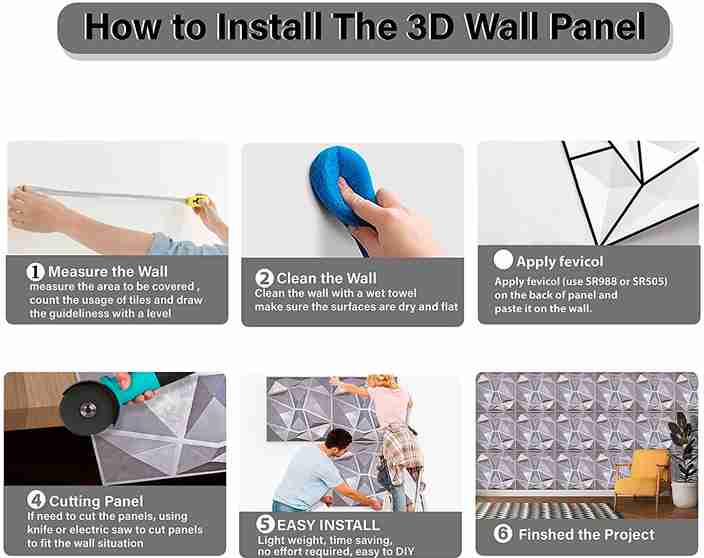
Place the panel flat on a stable surface. Use a pencil to mark where cuts are needed. Draw straight lines with a ruler or straightedge. Check your lines to ensure they align with your measurements. Precision at this stage prevents errors later.Cutting Techniques
Cutting 3D PVC wall panels requires specific techniques to ensure clean and precise edges. Choosing the right cutting method depends on your tools and the complexity of the design. Proper cutting helps maintain the panel’s texture and shape without damage.
Using A Utility Knife
A utility knife works well for thin PVC panels. Score the panel gently along the cutting line. Use a straight edge to guide the blade. Repeat scoring several times. Then, bend the panel to snap it cleanly. This method offers control and reduces mess.
Using A Saw
Use a fine-toothed saw for thicker panels. A handsaw or jigsaw works best. Cut slowly to avoid chipping the edges. Support the panel firmly during cutting. Make sure to follow the marked line carefully for accuracy.
Smooth Cutting Tips
- Wear safety gloves and goggles for protection.
- Mark cutting lines clearly with a pencil or marker.
- Use light pressure to avoid cracking the panel.
- Sand edges lightly after cutting for a smooth finish.
- Keep tools sharp for cleaner cuts and less effort.
Finishing Edges
Finishing the edges of your 3D PVC wall panels is crucial for a polished, professional look. Rough or uneven edges can distract from the design and reduce the overall impact of your installation. Taking time to properly finish edges ensures your panels blend seamlessly with the surrounding walls and surfaces.
Sanding And Smoothing
After cutting, edges often feel rough or jagged. Use fine-grit sandpaper to gently smooth these areas. Move the sandpaper in small, circular motions to avoid damaging the panel’s surface.
Focus on corners and any cut-outs where unevenness is most noticeable. Sanding not only improves appearance but also prevents chipping or cracking later on. Have you noticed how a smooth edge instantly elevates the entire panel’s look?
Sealing The Edges
Once the edges are smooth, sealing them protects against moisture and wear. Apply a clear sealant or flexible caulk designed for PVC materials. This step helps maintain the panel’s durability, especially in humid or high-traffic areas.
Use a small brush or a caulk gun for precise application. Avoid over-applying, as excess sealant can look messy and attract dust. Sealed edges also make cleaning easier—something you’ll appreciate down the line.
Common Mistakes To Avoid
Cutting 3D PVC wall panels requires care and precision. Mistakes can ruin the panel or cause injury. Avoiding common errors saves time and materials. Understanding these pitfalls helps create neat, professional results.
Using The Wrong Cutting Tools
Using dull or improper tools leads to rough edges and cracks. Always choose a sharp utility knife or fine-toothed saw. A clean cut prevents damage and fits panels better.
Skipping Measurement Checks
Not measuring twice causes panels to be too large or small. Use a tape measure and mark the panel clearly. Double-check before cutting to avoid waste.
Cutting Without A Stable Surface
Cutting on an uneven surface makes the panel slip or bend. Use a flat, sturdy table or workbench. Secure the panel with clamps to keep it steady.
Ignoring Safety Precautions
Not wearing safety gear increases risk of injury. Always use gloves and eye protection. Keep fingers away from the cutting line.
Cutting Through The Decorative Side
Cutting on the front can damage the panel’s design. Place the panel face down when cutting. This keeps the decorative side clean and smooth.
Forgetting To Score Before Cutting
Cutting thick panels in one go can cause splits. Score the panel surface lightly first. Then cut through for a cleaner, controlled edge.
Not Cleaning The Cut Edges
Leaving rough edges makes installation difficult. Use sandpaper or a file to smooth edges. Clean cuts fit better and look professional.
Maintenance After Cutting
After cutting your 3D PVC wall panels, proper maintenance is essential to keep them looking fresh and ready for installation. Small details, like cleaning up leftover residue and storing unused pieces correctly, can save you time and hassle later. Have you ever ignored these steps and faced trouble fitting panels perfectly? Avoid that by treating your panels with care right after cutting.
Cleaning Residue
Cutting PVC panels often leaves behind dust, small shavings, and sticky adhesive bits. If you skip cleaning, these residues can affect how well the panels stick to your wall or how they fit together.
Use a soft cloth or a vacuum with a brush attachment to gently remove dust and debris from the panel edges. For sticky glue spots, a damp cloth with mild soap usually works well without damaging the surface.
Take your time cleaning each piece thoroughly. It’s a simple step that ensures your panels will look seamless and professional once installed.
Storing Leftover Panels
Have you ever found leftover panels warped or damaged because they were just tossed aside? Proper storage preserves their shape and quality for future use.
Store your cut panels flat in a dry, cool place away from direct sunlight. Avoid stacking heavy objects on top, which can cause warping or dents.
If you have small scraps, keep them in a labeled box or container. These can be perfect for patching or testing paint colors later.

Credit: www.thepanelhub.com

Credit: www.indiamart.com
Frequently Asked Questions
How Do I Cut 3d Pvc Wall Panels Cleanly?
Use a sharp utility knife or fine-tooth saw for clean cuts. Score the panel first, then snap it gently for precision. Always measure twice to avoid mistakes and ensure a smooth edge.
What Tools Are Best For Cutting 3d Pvc Panels?
A utility knife, jigsaw, or fine-tooth saw works best. These tools provide control and clean cuts without damaging the panel’s texture or design.
Can I Cut 3d Pvc Panels Without Special Equipment?
Yes, a sharp utility knife and a straight edge are enough. Score deeply, then snap the panel along the cut line for a neat finish.
How To Avoid Panel Damage While Cutting Pvc Panels?
Score carefully and avoid forcing the cut. Use smooth, steady motions and support the panel to prevent cracking or chipping.
Conclusion
Cutting 3D PVC wall panels is simple with the right tools. Always measure twice to avoid mistakes. Use a sharp utility knife or saw for clean cuts. Take your time and work carefully. Clean edges help the panels fit better on walls.
Practice on a small piece before cutting the main panel. This way, you gain confidence and reduce errors. With patience and care, your wall panels will look great. Enjoy the process and the new look in your space.



