

Are you looking to add a bold statement to your space with a large tapestry but aren’t sure how to hang it without damage or hassle? You’re not alone.
Mounting a big tapestry can feel tricky, but with the right approach, you can transform your wall quickly and easily. In this guide, you’ll discover simple, effective methods to hang your tapestry securely and beautifully. Keep reading, and by the end, you’ll have the confidence to showcase your tapestry like a pro.
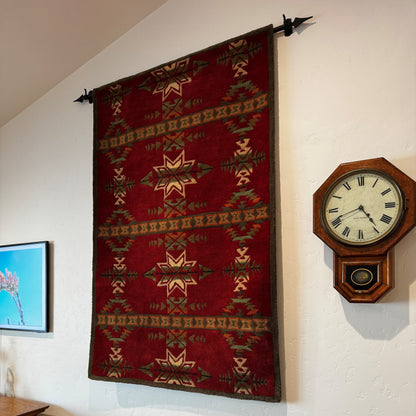
Credit: ironhardware.com
Choosing The Right Location
Choosing the right location for your large tapestry is key to making it a stunning focal point in your space. The spot you select will affect how the tapestry looks and how well it lasts over time. Take a moment to think about your wall space, lighting, and any potential risks to your tapestry before hanging it.
Assessing Wall Space
Look for a wall that offers enough room for your tapestry to hang fully without crowding. Measure the area carefully to ensure the tapestry fits well and leaves some breathing space around the edges. A spacious wall allows the colors and patterns to stand out and keeps the tapestry from feeling cramped.
Think about the height as well. Hanging your tapestry too high or too low can throw off the balance of the room. Aim for eye level or slightly above for the best visual impact.
Considering Lighting
Natural light can bring your tapestry to life by highlighting its textures and colors. However, too much direct sunlight can cause fading over time. Check how sunlight moves through the room during the day to find a spot that gets soft, indirect light.
If natural light is limited, consider adding adjustable artificial lighting. A spotlight or wall-mounted lamp can enhance your tapestry’s details without risking damage.
Avoiding Damage-prone Areas
Keep your tapestry away from places where it might get dirty, damp, or scratched. Bathrooms, kitchens, or areas near heating vents can expose fabric to moisture and heat, which may cause deterioration.
Also, avoid high-traffic zones where the tapestry could be bumped or snagged. Think about pets or children who might accidentally pull at the fabric. Protect your investment by choosing a spot that stays safe from daily wear and tear.
Selecting Mounting Materials
Selecting the right mounting materials ensures your large tapestry hangs securely and looks great. The choice depends on the wall type, tapestry weight, and your style preferences. Using suitable materials prevents damage to both the tapestry and the wall. It also makes installation easier and keeps your tapestry flat and wrinkle-free.
Types Of Mounting Hardware
Mounting hardware offers strong support for heavy tapestries. Common options include:
- Nails and Hooks:Simple and effective for lightweight to medium tapestries.
- Wall Anchors:Provide extra grip for heavier pieces on drywall or plaster.
- Screws and Brackets:Ideal for very large or thick tapestries needing firm hold.
- Picture Rail Systems:Allow easy hanging without damaging the wall surface.
Choose hardware based on the tapestry weight and wall material for best results.
Choosing Adhesive Options
Adhesives offer a no-drill way to mount tapestries. Options include:
- Double-Sided Tape:Good for lightweight tapestries; avoid on rough surfaces.
- Command Strips:Hold well and remove cleanly without wall damage.
- Fabric Glue or Velcro:Attach tapestries directly to the wall or backing board.
Adhesives work best on smooth, clean walls and for smaller or lighter tapestries.
Using Rods And Clips
Rods and clips provide a stylish, flexible mounting method. Consider these options:
- Wooden or Metal Rods:Slide the tapestry over the rod for an even hang.
- Clip Rings:Attach clips to the tapestry edge and hang on a rod.
- Decorative Finials:Add a finishing touch to rods for aesthetic appeal.
This method suits delicate fabrics and allows easy removal or repositioning.
Preparing The Tapestry
Choose a clean, flat surface to lay out your tapestry. Smooth out wrinkles gently to avoid damage. Check the fabric for any loose threads or stains before mounting.
Preparing a tapestry for mounting is crucial to ensure it looks its best and lasts for years. A well-prepared tapestry not only enhances its visual appeal but also prevents potential damage. Let’s dive into the steps to get your tapestry ready for display.Cleaning And Flattening
Before mounting, ensure your tapestry is clean and free from dust or stains. A gentle vacuum with a soft brush attachment can help remove surface dirt. If deeper cleaning is necessary, consider a professional service experienced in handling delicate fabrics. Once clean, flatten the tapestry by laying it on a clean, flat surface. Use light weights on the corners to help it relax and smooth out creases. Avoid direct sunlight as this may fade colors.Adding Reinforcements
Check the edges and seams of your tapestry for any signs of wear. Reinforcing these areas can prevent tears when the tapestry is hung. You can sew a fabric backing or use a fusible interfacing for added support. Consider adding a rod pocket or loops to the top edge. This will provide a sturdy way to hang the tapestry without damaging it. Ensure these reinforcements are securely attached.Measuring For Accuracy
Accurate measurements are key to a successful mount. Measure the width and height of your tapestry to determine the appropriate wall space and hanging method. Use a measuring tape to ensure consistency and precision. Double-check your measurements to avoid any surprises once the tapestry is mounted. Think about the surrounding decor and furniture placement. Does the tapestry fit harmoniously within the space? This can significantly impact its overall presentation. By preparing your tapestry with care, you set the stage for a stunning display that draws admiration and conversation. Take the time to perfect these details, and your tapestry will become a cherished focal point in your home.Step-by-step Mounting Process
Mounting a large tapestry can transform your space instantly, but the process requires careful attention to detail. Taking time to set up correctly ensures your tapestry hangs smoothly and stays secure. Let’s break down the mounting process into manageable steps that make it easy and satisfying.
Marking Wall Points
Start by deciding exactly where you want your tapestry to hang. Use a measuring tape to find the center point of your wall and the tapestry itself. Mark the top corners lightly with a pencil; these marks will guide your hardware placement.
Check if your tapestry has hanging loops, a rod pocket, or if you’ll need to attach clips. This affects where the wall points should go. Don’t forget to use a level to ensure your marks are perfectly horizontal—crooked tapestries lose their charm fast.
Installing Hardware
Choose the right hardware based on your wall type and tapestry weight. For drywall, anchors or toggle bolts provide strong support. For wooden walls, simple screws might be enough.
- Drill pilot holes at your pencil marks to avoid cracking the wall.
- Insert anchors if needed, then screw in hooks or brackets.
- Double-check the stability by gently tugging on each anchor point.
Don’t rush this part. I once used weak hooks and ended up with a tapestry on the floor—annoying and avoidable with proper hardware.
Hanging The Tapestry
Now comes the satisfying part: hanging your tapestry. Align it with the hardware, whether by threading a rod, clipping loops, or using hanging rings. Take your time to smooth out wrinkles and adjust the fabric evenly.
Step back frequently to see if it hangs straight and at the desired height. If your tapestry shifts or sags, try adding extra support or adjusting your hardware. What small tweaks can you make right now to improve the look?
Maintaining Your Display
Keeping your large tapestry looking great takes simple care. Regular attention helps it stay vibrant and intact. Small habits can prevent damage and extend its life on your wall.
Check your tapestry often. Notice any dust, fading, or loose hardware. Acting quickly keeps problems from growing. A well-maintained display adds warmth and beauty to any room.
Regular Cleaning Tips
Dust your tapestry lightly once a week. Use a soft brush or a vacuum with a brush attachment. Avoid harsh cleaning products that can harm the fabric. Spot clean gently with mild soap and water if needed. Let it air dry completely before rehanging.
Protecting From Sunlight
Direct sunlight fades tapestry colors over time. Place your tapestry away from windows or use curtains to block strong light. Rotate the tapestry occasionally to distribute sunlight evenly. Consider UV-protective window films for extra protection.
Checking Hardware Stability
Inspect hooks, rods, or nails holding the tapestry regularly. Tighten loose screws and replace worn parts immediately. Secure hardware prevents accidents and fabric damage. Use anchors in drywall to support the weight safely.
Credit: teddyandwool.com

Credit: theancienthome.com
Frequently Asked Questions
How Do I Prepare The Wall For Mounting A Tapestry?
Clean the wall surface thoroughly to remove dust and grease. Use a level to mark the desired placement. Ensure the wall material supports your mounting method for secure installation.
What Tools Are Needed To Mount A Large Tapestry?
Common tools include a measuring tape, level, hammer, nails or screws, and wall anchors. Fabric-friendly mounting options like curtain rods or adhesive strips may also be used for damage-free hanging.
Can I Mount A Tapestry Without Damaging The Wall?
Yes, use removable adhesive hooks, Velcro strips, or tension rods. These options hold the tapestry securely without leaving marks or holes, preserving your wall’s condition.
How Do I Prevent Wrinkles When Hanging A Tapestry?
Stretch the tapestry gently before mounting. Use clips or rods to keep it taut and avoid sagging. Iron or steam the fabric beforehand for a smooth finish.
Conclusion
Mounting a large tapestry can brighten any room quickly. Choose the right tools and follow safe steps carefully. Measure your wall space to fit the tapestry well. Use strong hooks or rods to hold the weight. Keep the fabric smooth and taut for best look.
Check the hanging regularly to avoid damage. Enjoy the cozy and artistic feel it brings. With patience and care, your tapestry stays beautiful long. Try different styles to match your home’s vibe.



