
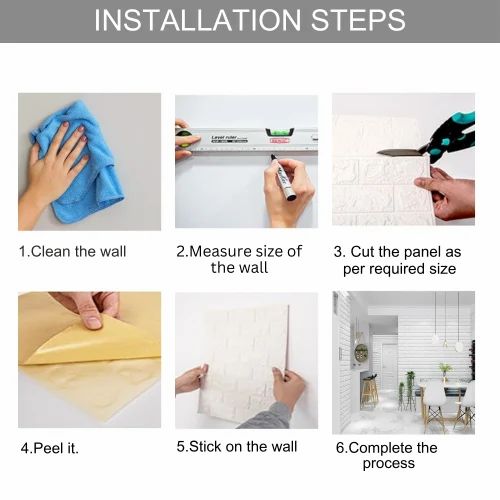
Are you ready to transform your walls with stylish PVC 3D wall panels but unsure how to cut them perfectly? Cutting these panels might seem tricky at first, but with the right tools and simple steps, you can achieve clean, precise cuts that make your project look professional.
In this guide, you’ll discover easy techniques to handle your PVC panels like a pro, saving you time and avoiding costly mistakes. Keep reading, and you’ll gain the confidence to tackle your wall makeover with ease!

Credit: dundeedeco.com
Tools Needed
Cutting PVC 3D wall panels requires specific tools to ensure clean and precise cuts. Having the right equipment makes the job easier and safer. This section covers the main tools needed for cutting these panels properly.
Essential Cutting Tools
- Utility Knife:Ideal for scoring thin PVC panels before snapping them apart.
- Hand Saw:A fine-toothed saw works well for straight cuts on thicker panels.
- Jigsaw:Useful for cutting curves or intricate shapes with ease.
- Measuring Tape:Helps mark exact cutting lines for accuracy.
- Straight Edge or Ruler:Guides the utility knife or saw for straight cuts.
- Clamps:Secure the panel firmly while cutting to prevent movement.
Safety Gear
- Safety Glasses:Protect your eyes from dust and plastic debris.
- Dust Mask:Prevents inhaling fine particles released during cutting.
- Gloves:Provide hand protection from sharp edges and tools.
- Hearing Protection:Recommended when using power tools like jigsaws.

Credit: www.thepanelhub.com
Preparing The Panels
Preparing PVC 3D wall panels correctly ensures smooth cutting and a perfect fit. Taking time to measure and set up carefully helps avoid mistakes and material waste. Clear markings guide your cutting tools for straight, clean edges. Organizing a proper workspace keeps the panels stable and safe during the cutting process.
Measuring And Marking
Measure the panel according to your wall dimensions. Use a tape measure and record the exact length and width. Mark the cut lines with a pencil or fine marker on the panel surface. Draw straight lines with a ruler or a straight edge for accuracy. Double-check your measurements before cutting to prevent errors.
Setting Up A Cutting Area
Choose a flat, sturdy surface to work on. Lay down a protective sheet or cardboard to avoid damage. Ensure good lighting to see your markings clearly. Keep your cutting tools within easy reach. Secure the panel with clamps or weights to prevent slipping during cutting.
Cutting Techniques
Cut PVC 3D wall panels using a fine-toothed saw or utility knife for clean edges. Measure and mark carefully before cutting to ensure accuracy. Smooth rough edges with sandpaper to achieve a neat finish.
Cutting Techniques for PVC 3D wall panels can be a satisfying DIY task, transforming your living space with personal flair. Each technique requires different tools and skills, offering you flexibility based on your comfort level and the tools available. Whether you’re crafting a feature wall in your living room or adding texture to a bedroom, the right cutting approach can make all the difference.Using A Utility Knife
A utility knife is ideal for simple, straight cuts, especially if you’re working with thinner PVC panels. To begin, mark your desired cutting line with a pencil. Carefully score along the line using a straight edge to guide your knife. With repeated passes, increase the pressure until the knife cuts through. This method is quiet and doesn’t create dust, making it perfect for indoor projects. Remember to replace the blade frequently to maintain sharpness and ensure clean cuts. Have you ever tried cutting with a dull knife? It can be frustrating and can ruin your panels.Using A Jigsaw
A jigsaw is great for intricate shapes and curves, offering flexibility that a utility knife can’t. Ensure you have the right blade designed for cutting plastics. Secure your panel firmly to prevent it from moving during the cut. Start the jigsaw slowly to avoid chipping, then maintain a steady speed as you follow your cutting line. Don’t rush; patience will yield the best results. Have you considered the satisfaction of perfectly fitting a panel into an awkward corner?Using A Circular Saw
For thicker panels or when speed is essential, a circular saw is your best bet. Equip it with a fine-toothed blade to reduce splintering. Measure and mark your cutting line, then set the saw to a shallow depth to avoid cutting through your work surface. Use clamps to secure the panel and maintain safety by wearing goggles and a dust mask. The circular saw offers precision and speed, but it requires a steady hand. Have you ever felt the rush of completing a perfect cut with a circular saw? It’s a thrill worth experiencing. Choosing the right cutting technique can be influenced by the tools you have and your personal comfort with them. Each method has its benefits, so consider what suits your project best. What tool will you choose for your next home transformation?Achieving Smooth Edges
Cutting PVC 3D wall panels can leave rough or uneven edges that take away from the clean, polished look you want. Achieving smooth edges is key to making your installation look professional and seamless. You’ll find that a little extra effort in finishing the edges not only improves appearance but also helps the panels fit better during installation.
Sanding Tips
After cutting your PVC panel, start by sanding the edges with fine-grit sandpaper, around 120 to 220 grit. Sand gently in one direction to avoid creating grooves or uneven spots. If you notice any stubborn rough patches, switch to a slightly coarser grit first, then finish with a finer one for a smooth touch.
Use a sanding block or a small piece of wood wrapped in sandpaper for better control. This helps you maintain an even pressure and avoid rounding off edges too much. Do you find that hand sanding takes too long? Try a detail sander for faster results, but keep the speed low to prevent melting the PVC.
Filing Edges
For tight corners or tricky spots, a fine metal file works wonders. It allows you to carefully shape the edge without damaging the decorative surface of the panel. Use a round or flat file depending on the shape you need to smooth out.
Move the file in long, steady strokes along the edge. Avoid short, choppy movements that can leave scratches. If you want an extra clean finish, follow up filing with light sanding to blend the edges perfectly with the panel surface.
Have you ever struggled with jagged edges that sanding alone couldn’t fix? Filing can be your best friend for those stubborn spots, giving you control and precision you might not get with sandpaper alone.
Common Mistakes To Avoid
Cutting PVC 3D wall panels can seem tricky. Many people make simple mistakes that affect the final look. Avoiding these errors helps you get clean, professional cuts every time. Keep your workspace safe and your cuts precise by knowing what to watch out for.
Using The Wrong Tools
Not all tools work well with PVC panels. Using dull or incorrect blades causes rough edges and cracks. Choose a fine-toothed saw or a utility knife for smooth cuts. Make sure your tools are sharp and clean before starting.
Skipping Proper Measurements
Cutting without measuring twice leads to wasted panels. Always mark your cut lines carefully. Use a straight edge or ruler to guide your cuts. Take your time to avoid mistakes that cost money and effort.
Applying Too Much Pressure
Pressing hard while cutting can damage the panel. It may crack or bend, ruining the design. Let the tool do the work. Use steady, gentle strokes for the best results.
Ignoring Safety Precautions
PVC dust can irritate your eyes and lungs. Wear safety glasses and a mask to protect yourself. Keep your work area clean and well-ventilated. Always handle tools with care to avoid injuries.
Cutting Without Support
Panels can flex or move if not supported during cutting. This causes uneven lines and splintering. Place the panel on a flat, stable surface. Use clamps or supports to hold it steady.

Credit: dundeedeco.com
Finishing Touches
Finishing touches make your PVC 3D wall panels look clean and professional. Proper care after cutting helps maintain their beauty and durability. These final steps protect the panels and improve their appearance.
Cleaning The Panels
Remove dust and debris from the panels with a soft cloth. Use a mild soap and water solution for stubborn dirt. Avoid harsh chemicals that can damage the surface. Dry the panels completely to prevent water spots. Clean edges ensure a smooth and neat look.
Sealing The Edges
Seal the cut edges to protect against moisture and damage. Use a clear silicone sealant or edge paint designed for PVC. Apply sealant evenly along all exposed edges. This step prevents peeling and extends panel life. Let the sealant dry fully before installation or painting.
Frequently Asked Questions
What Tools Are Best For Cutting Pvc 3d Wall Panels?
The best tools for cutting PVC 3D wall panels are utility knives, fine-toothed saws, or electric jigsaws. These tools provide clean, precise cuts without damaging the panels.
How Do I Measure Pvc Panels Before Cutting?
Measure the wall area accurately using a tape measure. Mark the panel with a pencil for precise cutting lines to avoid errors.
Can I Cut Pvc 3d Wall Panels Without Professional Help?
Yes, cutting PVC panels is easy with the right tools and careful measuring. Follow safety precautions for best results.
What Safety Tips Should I Follow When Cutting Pvc Panels?
Wear safety goggles and gloves to protect from debris. Cut slowly to avoid splintering and work in a well-ventilated area.
Conclusion
Cutting PVC 3D wall panels is simple with the right tools. Measure carefully before you start to avoid mistakes. Use a sharp blade or saw for clean edges. Take your time and work slowly for best results. Clean the cut edges to make the panels look neat.
Following these steps helps you get a perfect fit. Enjoy your new wall design with confidence. Practice makes the process easier and faster. Now, you are ready to improve any room with style.



