
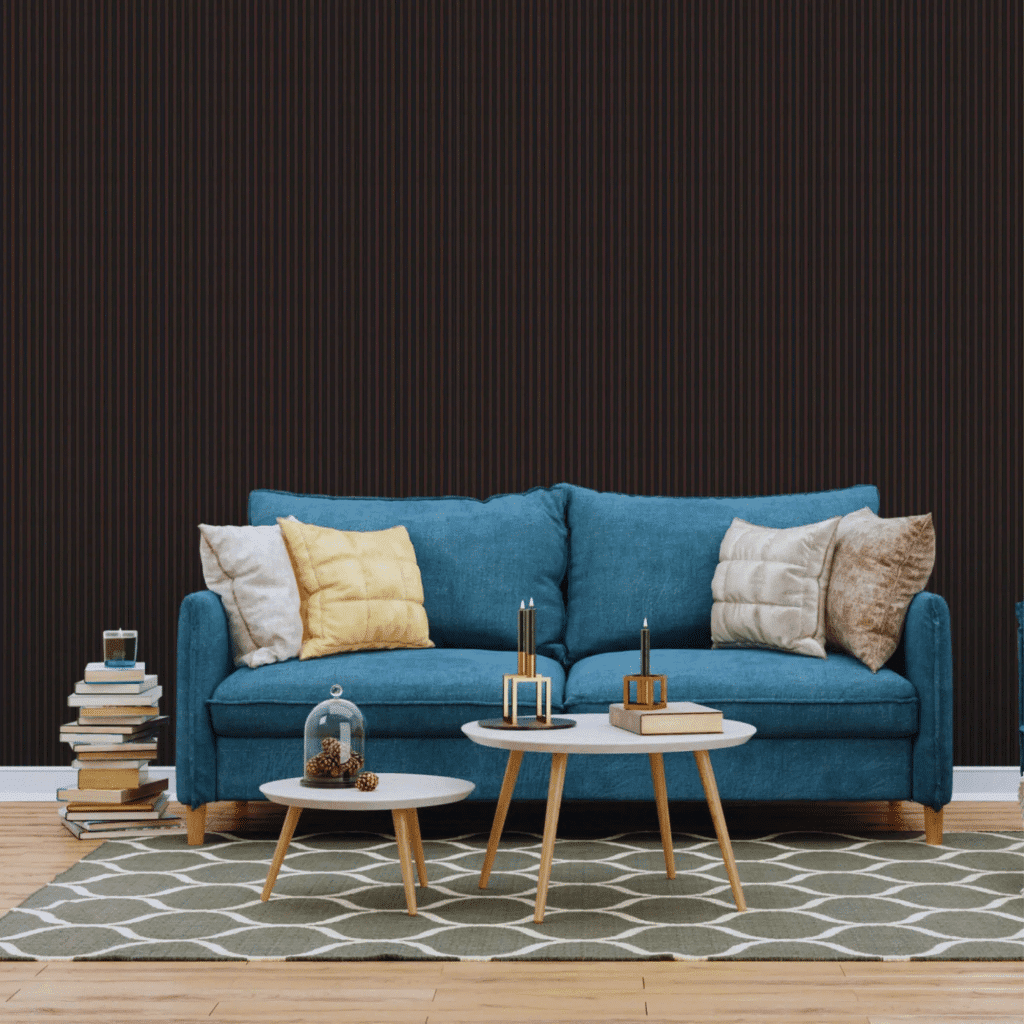
Are you looking to transform your walls into stunning works of art? Installing 3D wall panels is a simple way to add depth, texture, and style to any room.
But how do you get started? You might be wondering if the process is complicated or if you need special tools. Don’t worry—this guide will walk you through every step, making it easy for you to achieve a professional-looking finish.
By the end, you’ll have the confidence to upgrade your space and impress everyone who walks through your door. Ready to see how it’s done? Let’s dive in!

Credit: articture.com
Choosing The Right 3d Wall Panels
Choosing the right 3D wall panels sets the foundation for a stunning wall makeover. The selection affects the room’s style, feel, and durability. Understanding key factors helps make the best choice for your space and needs.
Materials And Designs
3D wall panels come in many materials, like PVC, gypsum, wood, and MDF. Each material offers different textures and strengths. PVC panels resist moisture and suit kitchens or bathrooms. Wood panels add warmth and a natural look. Gypsum panels create smooth, artistic patterns ideal for living rooms. Designs range from geometric shapes to floral and abstract patterns. Pick designs that match your room’s style and mood.
Measuring Your Wall Space
Measure the wall height and width carefully. Accurate measurements prevent buying too many or too few panels. Note any doors, windows, or outlets on the wall. Calculate the total panel area needed by subtracting these spaces. Keep extra panels for future repairs or mistakes during installation.
Budget Considerations
Set a budget before shopping for panels. Prices vary by material, size, and design complexity. PVC panels tend to be affordable and easy to install. Wood and gypsum panels cost more but offer higher style and durability. Factor in installation costs if hiring professionals. Balance cost with quality to get good value for your money.

Credit: dundeedeco.com
Preparing The Wall Surface
Preparing the wall surface is crucial before installing 3D wall panels. A smooth, clean, and solid wall helps the panels stick properly. It also ensures a neat and long-lasting finish. Take time to prepare the wall well to avoid future problems.
Cleaning And Repairing
Start by cleaning the wall to remove dust, dirt, and grease. Use a damp cloth or sponge with mild soap. Let the wall dry completely before moving on.
Check for cracks, holes, or loose paint. Fill holes with spackling or filler. Sand rough areas smooth once dry. Repairing the wall creates an even surface for better adhesion.
Priming The Wall
Apply a primer suitable for your wall type. Primer helps the adhesive stick firmly to the surface. It also prevents moisture from affecting the panels. Use a roller or brush to spread primer evenly. Allow it to dry fully before panel installation.
Gathering Necessary Tools
Prepare all tools before starting the installation. Common tools include:
- Measuring tape
- Level
- Utility knife
- Adhesive or glue
- Caulking gun (if needed)
- Sandpaper
- Paintbrush or roller (for primer)
Having these tools ready saves time and ensures a smooth process.
Cutting And Fitting Panels
Installing 3D wall panels can transform your living space into a modern work of art. The key to a seamless installation lies in the precision of cutting and fitting each panel. A well-executed cut and fit not only enhance the visual appeal but also ensure the durability of the installation. Let’s dive into the crucial aspects of this process.
Marking Panel Layout
Before you begin cutting, it’s essential to mark the layout of your panels accurately. Use a measuring tape and a level to outline the area on the wall where each panel will be placed. This helps in visualizing the final look and ensures that the panels fit perfectly. Make sure to mark these measurements on the panels themselves to guide your cutting process.
Cutting Techniques
Cutting 3D wall panels requires precision and the right tools. A sharp utility knife or a fine-toothed saw can make clean cuts. Always cut from the back of the panel to avoid damaging the front surface. If you’re using a saw, ensure it’s set to a low speed to prevent chipping.
Practice on a scrap piece before cutting the actual panel. This will help you get a feel for the tool and ensure accuracy. Remember, it’s easier to trim more off than to add back material, so cut slightly larger than needed and adjust as required.
Dry Fitting Panels
Once your panels are cut, it’s time to dry fit them on the wall. This step is crucial as it allows you to check the fit and alignment before permanent installation. Place each panel according to your marked layout and make any necessary adjustments.
Dry fitting also helps you identify any irregularities in the wall surface that might need attention. Are there any gaps or uneven surfaces that need filling or sanding? Address these issues now to ensure a smooth finish later.
By following these steps, you’re well on your way to achieving a professional-looking 3D wall panel installation. Take your time, measure twice, and enjoy the creative process.

Credit: dundeedeco.com
Applying Adhesive And Installing Panels
Applying adhesive and installing 3D wall panels is where your project truly takes shape. This stage demands attention to detail and the right materials to ensure your panels stick firmly and look flawless. Let’s break down how you can master this crucial part of the installation process.
Choosing The Right Adhesive
Not all adhesives work the same with 3D wall panels. Selecting the right one depends on the panel material and the surface you’re attaching them to.
- For foam or lightweight panels:Use a strong construction adhesive or a specific panel adhesive designed for foam.
- For wood or MDF panels:Opt for wood glue or a heavy-duty adhesive suitable for porous surfaces.
- Check the manufacturer’s recommendations:They often suggest the best adhesive for their product, which saves you from potential mistakes.
Have you ever applied the wrong glue and watched your hard work peel off? Avoid that frustration by testing a small area first.
Applying Adhesive Correctly
Applying adhesive isn’t about slapping it on and hoping for the best. The key is even coverage without excess that could seep out.
- Use a caulking gun or a trowel to spread the adhesive in a zigzag pattern or dots across the back of the panel.
- Focus on edges and center equally to prevent any gaps between the panel and wall.
- Avoid over-applying; too much adhesive causes mess and delays drying time.
Remember, a clean application means a clean finish. Take your time to distribute the adhesive evenly for a strong bond.
Placing And Pressing Panels
Once your adhesive is ready, positioning the panels quickly and accurately is crucial. You only get one chance before the glue sets.
- Align the panel carefully with your marked guidelines to maintain a seamless pattern.
- Press firmly from the center outwards to push out any trapped air bubbles.
- Use a roller or your hands to apply steady pressure for at least a minute to ensure good adhesion.
- If panels have interlocking edges, fit them snugly before pressing.
Have you noticed how much easier it is to fix panels before the glue sets? Work methodically but confidently to avoid repositioning later.
Finishing Touches
Finishing touches bring your 3D wall panels to life. They ensure a smooth, polished look that enhances your room’s style. Attention to detail at this stage helps protect your work and improve durability. Simple final steps make a big difference in the overall appearance.
Sealing Joints
Sealing the joints between panels stops moisture and dust from entering. Use a clear acrylic caulk or a flexible sealant that matches the panel color. Apply the sealant carefully with a small brush or a caulking gun. Smooth the sealant with a damp finger or tool for neat lines. Let it dry fully before moving on.
Painting Or Staining Panels
Painting or staining adds color and protects your panels. Choose paint or stain suitable for the panel material. Use a primer if the surface is porous or rough. Apply thin, even coats with a brush or roller. Allow each coat to dry before adding another. Test a small area first to ensure the color looks right.
Cleaning Up The Workspace
Clean your workspace to keep it safe and tidy. Remove all dust, debris, and leftover materials carefully. Use a vacuum or broom for small particles. Wipe down the panels with a soft cloth to remove smudges. Proper cleanup helps maintain your panels and prepares the room for use.
Maintenance Tips For 3d Wall Panels
Keeping your 3D wall panels looking fresh and vibrant doesn’t have to be a chore. With the right care, these panels can maintain their charm and texture for years. Let’s dive into some simple maintenance tips that will help you protect your investment and keep your walls stunning.
Regular Cleaning
Dust and dirt can dull the appearance of your 3D wall panels over time. Use a soft, dry cloth or a feather duster to gently remove surface dust at least once a week.
If deeper cleaning is needed, dampen a cloth slightly with water and mild soap. Avoid soaking the panels, as excess moisture may damage certain materials.
Have you noticed how a quick wipe can instantly brighten your space? Regular cleaning keeps the texture crisp and inviting.
Handling Damage
Accidents happen, and panels may get scratched or chipped. For minor scratches, try gently buffing the area with a soft eraser or fine sandpaper, depending on the panel material.
For cracks or deeper damage, use a matching filler or touch-up paint designed for your panel type. Keep a small repair kit handy to fix issues promptly.
Ignoring small damages can lead to bigger problems. How soon could a tiny crack affect your entire wall’s look?
Longevity Advice
Keep your 3D wall panels away from direct sunlight to prevent fading and warping. Installing curtains or blinds can help protect them from UV rays.
Maintain stable indoor humidity levels to avoid moisture-related problems like swelling or mold growth. Use a dehumidifier if necessary.
Think about your environment—how does the air quality or room usage affect your panels? Tailoring care to these factors extends their life and beauty.
Frequently Asked Questions
How Do You Prepare Walls For 3d Panels?
Clean the wall surface thoroughly, removing dust and grease. Repair any cracks or holes. Ensure the wall is dry and smooth for better adhesion.
What Tools Are Needed To Install 3d Wall Panels?
You need adhesive, a level, measuring tape, a utility knife, and a saw. These tools help with precise cutting and secure panel attachment.
How Do You Apply Adhesive For 3d Wall Panels?
Use a strong, construction-grade adhesive. Apply it evenly on the back of each panel. Press firmly against the wall for a strong bond.
Can 3d Wall Panels Be Installed On Any Wall Type?
Yes, they can be installed on drywall, concrete, or wood. Just ensure the surface is clean and stable before installation.
Conclusion
Installing 3D wall panels is easier than it seems. Follow each step carefully for best results. Take your time to measure and cut panels right. Use the right adhesive to keep panels secure. Clean the surface before starting the installation.
Enjoy the new look that adds depth and style. This simple upgrade can change any room quickly. Try it yourself and see the difference today.



