
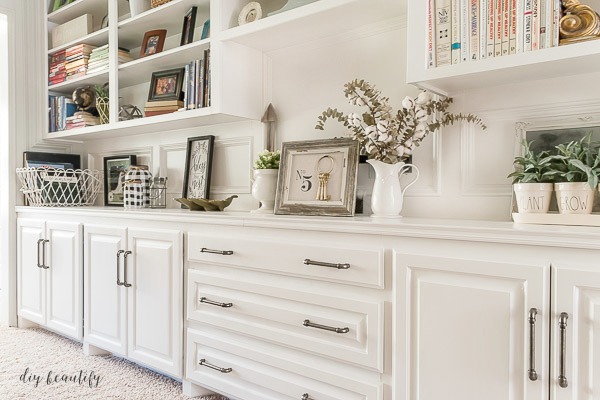
Are you dreaming of bookshelves that blend seamlessly with your walls, giving your room a sleek, custom look? Making your bookshelves appear built-in can transform your space, adding style and value without a full renovation.
You’ll discover simple, practical tips to turn ordinary shelves into stunning, built-in masterpieces. Whether you’re a DIY beginner or just looking for smart design ideas, these tricks will help you create a polished, professional feel that you’ll love showing off.
Keep reading to learn how to make your bookshelves look truly built-in and elevate your home’s charm.
Choosing The Right Location
Choosing the right location is key to making bookshelves look built in. The spot you select affects the overall look and feel of your room. A well-placed bookshelf blends smoothly with walls and furniture. It creates a sense of space and order.
Assessing Wall Space
Start by measuring available wall space. Look for wide, empty walls that can hold shelves without crowding. Avoid placing bookshelves where doors or windows interfere. Check for electrical outlets or switches that might block installation. Aim for walls that offer enough height and width to fit your shelves comfortably.
Considering Room Layout
Think about how the room is arranged. Place bookshelves where they complement existing furniture. Avoid spots that block walking paths or natural light. Choose corners or walls that balance the room’s shape. Shelves near seating areas invite reading and relaxation. Keep shelves visible but not overwhelming in the space.
Incorporating Architectural Features
Use architectural details to your advantage. Position shelves under windows or between columns for a natural look. Built-in shelves work well around fireplaces or staircases. Match the shelf design to existing trim or molding. This helps shelves appear part of the original structure. Highlight unique wall shapes with custom shelving fits.
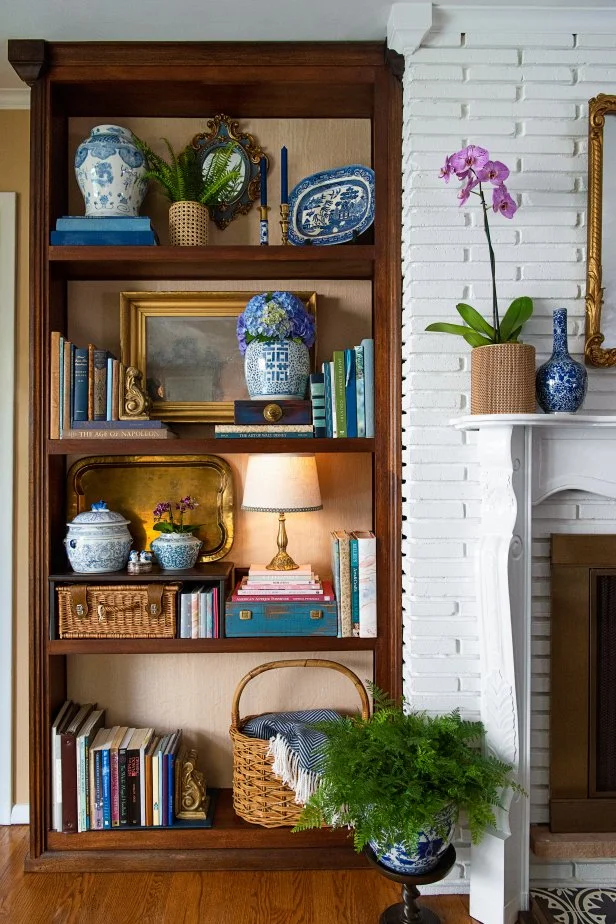
Credit: www.hgtv.com
Selecting Materials And Finishes
Selecting the right materials and finishes is a crucial step in making your bookshelves look built-in. The goal is to create seamless integration with your existing room features, so the shelves feel like they belong there naturally. Paying close attention to details like wood types, paint colors, and trim can elevate the final look dramatically.
Matching Existing Woodwork
Take a close look at the woodwork already in your room—baseboards, window frames, door casings. Matching the wood species and grain pattern can help your shelves blend effortlessly. If you have oak trim, for instance, using oak veneer or solid oak for the shelves will create a consistent feel.
Think about the finish too. If your woodwork has a glossy finish, a matte bookshelf might stand out too much. Matching the sheen level is just as important as matching the wood type. Have you ever noticed how mismatched finishes make built-ins look like an afterthought?
Choosing Paint And Stain Colors
Paint and stain choices can completely change how built-in your shelves appear. If your room’s trim is painted white, painting your shelves the same shade will unify the space. You don’t have to stick to the exact color code, but keeping it in the same color family helps maintain cohesion.
Stain colors should complement or match your flooring or furniture. A dark walnut stain can add warmth and richness, while a lighter maple stain keeps things airy. If you’re unsure, test small samples on scrap wood and view them in different lighting throughout the day.
Using Trim And Molding
Adding trim and molding around your shelves can make a huge difference in achieving a built-in look. Crown molding at the top and base molding at the bottom create the illusion that your shelves are part of the room’s architecture. Choose styles that echo your room’s existing moldings.
Don’t forget about side trim pieces—they frame the shelves and help blend them into the wall. Even simple quarter-round or cove molding can add that polished, professional touch. What small trim detail could you add to make your shelves look less like furniture and more like an extension of your walls?
Designing The Bookshelf Structure
Create a seamless look by fitting bookshelves tightly against walls and trim. Use matching paint or wood tones to blend shelves with the room’s architecture. Adding molding and built-in lighting enhances the custom feel.
Designing a bookshelf structure requires creativity and careful planning. To achieve a built-in look, consider several design elements. These include shelf dimensions, adjustable shelves, and closed storage. Each component adds functionality and style.Determining Shelf Dimensions
Consider the size of the room and wall space. Measure the height, width, and depth you need. Ensure the shelves fit your items, from books to decor. Use different depths for varied visual interest.Adding Adjustable Shelves
Adjustable shelves offer flexibility. They allow you to rearrange items of different sizes. Install brackets or tracks to support the shelves. This makes it easy to change shelf height.Incorporating Closed Storage
Closed storage provides a neat, organized look. It hides clutter and protects items from dust. Use cabinets or drawers at the base of the bookshelf. This creates a clean, streamlined appearance.Seamless Installation Techniques
Seamless installation makes bookshelves look like part of the room’s architecture. It creates a clean, polished finish. This approach avoids visible gaps and uneven edges. Precise alignment and secure attachment are key. Careful details make the shelves appear built in, not added later. Below are important techniques to achieve this flawless look.
Anchoring To Walls Securely
Strong attachment to walls prevents shelves from shifting or leaning. Use wall studs for the best support. Locate studs with a stud finder before installation. Attach brackets or cleats firmly into these studs. Use long screws for deeper hold. Check the shelf level often during setup. This ensures even weight distribution. Avoid anchors that only hold light loads. Secure anchoring adds safety and a stable feel.
Concealing Gaps And Seams
Small gaps spoil the built-in effect. Use wood filler or caulk to fill spaces between shelves and walls. Smooth the filler with a putty knife. Paint over the filler to blend with the shelf color. Apply quarter-round molding or trim to hide edges. Ensure the trim fits tightly without gaps. Sand edges for a smooth transition. These steps create a unified look, hiding imperfections.
Integrating Lighting Elements
Lighting adds depth and highlights shelf contents. Choose LED strips or small puck lights for subtle glow. Place lights under each shelf or behind trim. Use battery-powered options to avoid extra wiring. Hide wires inside the shelf frame or behind molding. Switches should be easy to reach but discreet. Soft lighting enhances the built-in feel and draws attention to your collection.
Styling For A Built-in Look
Styling your bookshelves to look built-in is about more than just fitting them snugly against the wall. It’s about creating a seamless, intentional display that feels like a natural part of your room’s architecture. The way you arrange books, decor, and use color can transform ordinary shelves into a statement piece that looks custom-made.
Arranging Books And Decor
Think about how you place your books. Mix vertical stacks with horizontal piles to add visual interest. Leave some space for decorative items like vases, small plants, or framed photos to break up the rows of books.
Try grouping items in odd numbers—like three or five—to create a more dynamic look. Don’t overcrowd the shelves; empty spaces help highlight your favorite pieces and prevent a cluttered appearance.
Balancing Open And Closed Spaces
Built-in shelves often have a rhythm between open display areas and closed storage. You can mimic this by adding baskets, boxes, or cabinets on some shelves to hide clutter.
Open sections allow your carefully chosen decor to shine, while closed sections keep the overall look clean and organized. Ask yourself: what do you want to show off, and what’s better tucked away?
Using Consistent Color Palettes
Choosing a consistent color scheme ties the shelves together and makes them feel intentional. Use colors that complement your room’s walls and furniture for a harmonious look.
If your books have a wide range of colors, try organizing them by spine color or using neutral-colored storage bins to maintain balance. This simple trick can make your shelves look curated rather than chaotic.
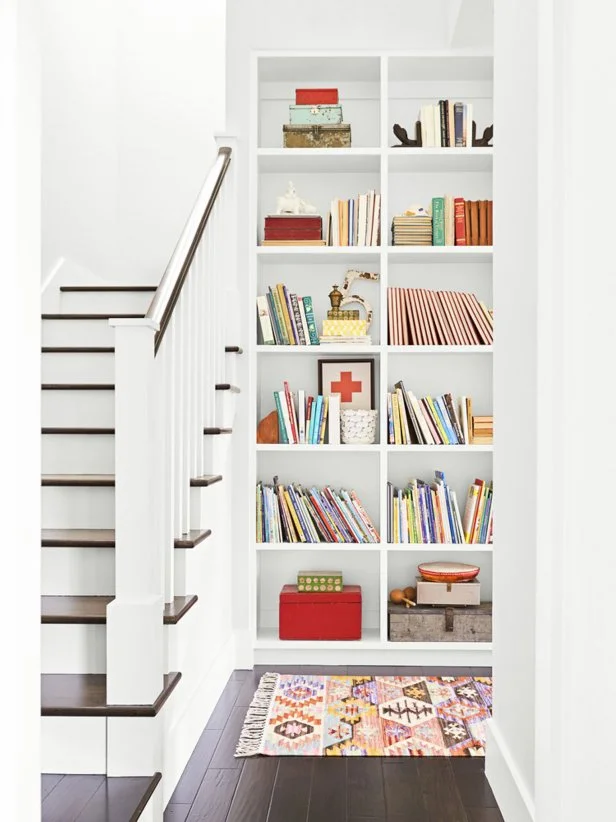
Credit: www.hgtv.com
Maintaining And Updating Built-in Bookshelves
Maintaining and updating your built-in bookshelves keeps them looking fresh and seamlessly integrated with your space. Over time, dust and wear can dull their appearance, but simple care can preserve their charm. Small updates can also help your shelves evolve with your style and storage needs.
Regular Cleaning Tips
Dust and dirt can settle quickly on shelves, especially if you display many items. Use a microfiber cloth to gently wipe surfaces weekly, avoiding harsh cleaners that might damage finishes.
Vacuuming nearby carpet or rugs helps reduce dust buildup on shelves. For glass doors or inserts, a mild glass cleaner works well without leaving streaks.
Refreshing Paint And Finish
Paint can chip or fade after years of use. Touch up small scratches with matching paint or use a furniture marker for minor scuffs.
If your shelves have a wood finish, a light sanding followed by a new coat of varnish or wax can brighten the look. Have you considered changing the color for a fresh vibe? Even a subtle hue shift can make your built-ins pop.
Adapting Shelves Over Time
Your storage needs change, and so should your bookshelves. Adjustable shelves let you rearrange space for taller books, collectibles, or decorative items.
Adding baskets, bins, or lighting can also update the function and mood of your built-ins. What new purpose could your shelves serve as your collection grows?

Credit: food52.com
Frequently Asked Questions
How Can I Make Bookshelves Look Built-in?
To make bookshelves look built-in, add trim and molding around edges. Paint them the same color as the wall. This creates a seamless, integrated appearance that blends with the room’s architecture.
What Trim Styles Work Best For Built-in Bookshelves?
Crown molding, baseboards, and decorative trim enhance built-in bookshelf looks. Choose styles that match your room’s existing woodwork. Simple or ornate trims both work, depending on your design preference.
Should I Paint Bookshelves To Match Wall Color?
Yes, painting bookshelves the same color as the wall makes them appear built-in. This uniform color reduces visual separation and creates a smooth, cohesive look.
How Do Lighting Effects Improve Built-in Bookshelf Appearance?
Adding LED strip lights or recessed lighting highlights shelves and books. Proper lighting creates depth and warmth, enhancing the built-in illusion and making the shelves a focal point.
Conclusion
Making bookshelves look built-in adds charm to any room. Simple steps like matching paint and trim create a seamless look. Filling gaps and adding molding help blend shelves with walls. Lighting can highlight the built-in feel and show off your books.
Take your time and plan carefully for the best results. Small details make a big difference in appearance. Enjoy your new, stylish shelves that look like part of the home.



