
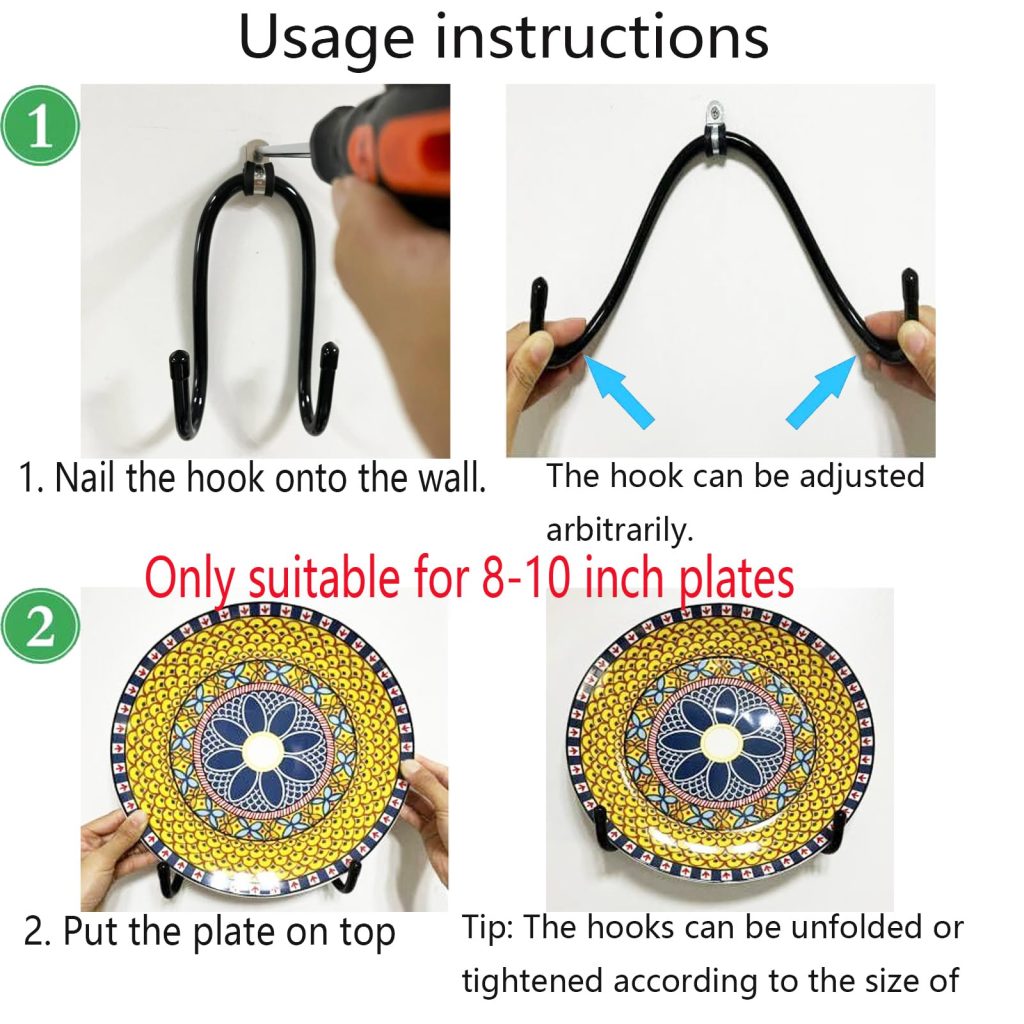
Are you looking to add a personal touch to your walls without spending a fortune? Hanging decorative plates is an easy and stylish way to transform any room instantly.
But how do you make sure they stay secure and look just right? In this guide, you’ll discover simple tips and tricks that will help you hang your plates safely and beautifully. Keep reading, and you’ll be able to turn your walls into eye-catching displays that reflect your unique taste.
Choosing Plates For Wall Display
Choosing the right plates for your wall display is key to creating a space that feels both personal and stylish. The plates you pick should reflect your taste while complementing the room’s overall vibe. Think about what story you want your wall to tell and how each plate can play a role in that narrative.
Selecting Styles And Colors
Start by thinking about the style of plates that catch your eye. Are you drawn to vintage floral patterns, modern geometric designs, or rustic hand-painted scenes? Your choice sets the tone for the entire display.
Colors also play a huge role in how plates stand out. Bright, bold colors can create a lively focal point, while muted tones blend more subtly with your wall. Consider your room’s color palette—do you want the plates to contrast or complement the existing shades?
Ask yourself: Would a cohesive color scheme create harmony, or would mixing vibrant and neutral plates add exciting contrast? Experiment with different combinations before deciding.
Considering Plate Sizes And Shapes
Varying the size and shape of plates adds visual interest and keeps your display dynamic. Round plates are classic, but don’t overlook square, oval, or even asymmetrical designs that can break the monotony.
Mixing small, medium, and large plates allows you to create patterns that guide the eye across the wall. You might cluster smaller plates around a large centerpiece or scatter them evenly for balance.
Think about the wall space you have—too many large plates in a small area can feel crowded. Could combining different shapes and sizes help you fill the space in a natural, balanced way?

Credit: enthrallinggumption.com
Preparing Your Wall Space
Preparing your wall space is key to a beautiful plate display. It ensures your plates hang safely and look balanced. Taking time at this stage saves you from future repairs or rehangs.
Finding The Right Location
Choose a wall with enough space for your plates. Avoid walls with too much direct sunlight to protect colors. Pick a spot visible from different angles to enhance the room’s charm. Check the wall surface; smooth walls work best for hanging plates. Think about how the plates will match your room’s style and furniture.
Measuring And Marking
Measure the space to know how many plates fit well. Use a tape measure to find center points for each plate. Mark spots lightly with a pencil to avoid permanent marks. Keep equal distance between marks for a neat look. Double-check measurements before making holes or attaching hooks.
Tools And Materials Needed
Before you start hanging your decorative plates, gathering the right tools and materials is essential. The type of hardware and supplies you choose can make the difference between a secure display and a frustrating mess. Let’s look at what you’ll need to get the job done effectively.
Hanging Hardware Options
Choosing the right hanging hardware depends on your wall type and the weight of your plates.
- Plate Hangers:These come in various sizes and styles, often with spring tension to grip the plate securely. They are great for plates with smooth edges and no pre-drilled holes.
- Adhesive Hooks:Ideal for lightweight plates and renters who want to avoid wall damage. However, they may not hold heavier or valuable plates safely.
- D-Rings and Wire:If your plates have a rim or a drilled hole, attaching D-rings and wire gives you flexibility in positioning. This method often offers the strongest hold.
- Picture Hooks and Nails:Traditional and reliable, especially for heavier plates. Make sure to select hooks rated for the correct weight to avoid accidents.
Additional Supplies
Besides hardware, having these extra items will make the process smoother and safer.
- Measuring Tape and Level:Ensures your plates hang evenly and at the right height. A crooked plate can distract from your entire display.
- Pencil:For marking precise spots on the wall before drilling or hammering. This simple tool saves you from unnecessary holes.
- Wall Anchors:Crucial if you’re hanging plates on drywall without studs. They prevent your plates from pulling out and crashing down.
- Soft Cloth or Gloves:Protect your plates from fingerprints and scratches during handling.
Have you ever hung a plate only to find it slipping or tilting? Using the right tools can prevent these common problems and keep your display looking just the way you want it.
Mounting Techniques
Choosing the right mounting technique for your decorative plates can make all the difference in how they look and stay on your wall. Each method offers unique benefits depending on the plate’s weight, your wall type, and whether you want a temporary or permanent display. Let’s break down some common mounting options to help you find what works best for your space and style.
Using Plate Hangers
Plate hangers are classic tools designed specifically for hanging plates safely. They usually consist of metal or elastic bands that grip the edges of the plate without damaging it.
This method is great if you want to keep the plate fully visible, including its rim. Plus, plate hangers come in various sizes to fit everything from small saucers to large decorative plates. Make sure to choose one that fits snugly to prevent slipping.
Have you noticed how some plates feel too heavy for simple hooks? Plate hangers distribute weight evenly, reducing the risk of accidents.
Adhesive Hooks And Strips
Adhesive hooks and strips offer a no-drill, damage-free way to hang plates, especially if you’re renting or frequently changing your decor. These come with strong sticky backs that adhere to your wall and support lightweight plates.
One tip: clean your wall surface thoroughly before applying the adhesive for better hold. Also, check the weight limit on the packaging to avoid surprises.
Ever worried about ruining your paint? Adhesive strips peel off cleanly, making them a smart choice for temporary setups.
Nails And Screws
Nails and screws provide the most secure mounting for heavier or valuable plates. Using a wall anchor with screws ensures stability, especially in drywall or plaster.
You’ll need a drill or hammer and some basic tools, but the peace of mind is worth it if your plates are precious or heavy. Position your nails or screws so the plate hangs straight and won’t shift over time.
Think about the wall material you have—hardwood walls require different anchors than drywall. Have you tried using a stud finder? It can help you place screws where they’ll hold best.
Creating Plate Arrangements
Decorative plates can brighten any wall with simple hanging techniques. Choose a balanced layout and use proper hooks to keep plates secure and stylish. Experiment with shapes and sizes for a unique display.
Creating beautiful plate arrangements on a wall transforms any space. They bring color and texture to a room. Whether you prefer symmetry or prefer an eclectic style, your arrangement can express personal taste. Let’s explore two popular styles for arranging decorative plates.Symmetrical Layouts
Symmetrical layouts offer balance and harmony. This style suits those who enjoy order. Start by choosing plates of similar sizes and colors. Arrange them in a grid pattern or a circular shape. Use a ruler to ensure equal spacing between each plate. This approach creates a neat and organized look. Symmetrical arrangements work well in formal spaces. They bring a sense of calm to the room. Consider using plates with similar designs. This enhances the uniformity of the display. Symmetry draws the eye and creates a focal point.Eclectic And Asymmetrical Designs
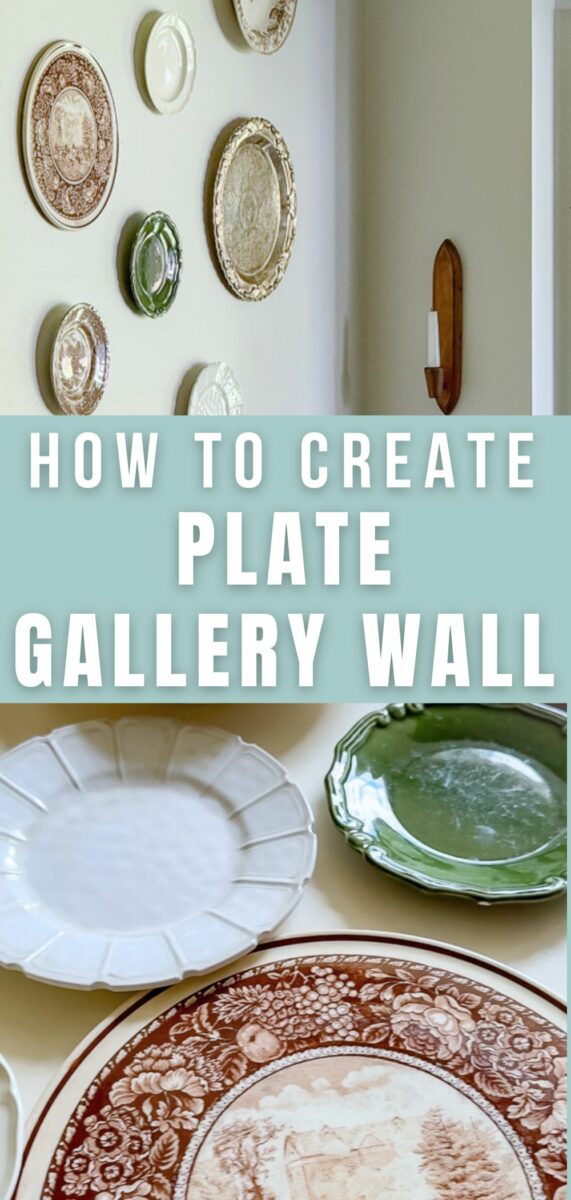
Eclectic and asymmetrical designs offer freedom and creativity. Mix plates of different sizes, colors, and patterns. This style suits those who enjoy a playful look. Start by choosing a central plate as the focal point. Arrange other plates around it in an uneven manner. Avoid strict patterns; embrace randomness. This approach adds energy and movement to a room. It suits casual spaces, like kitchens or living areas. Use a variety of plate styles for visual interest. This type of arrangement often tells a story. Both symmetrical and eclectic layouts bring charm to any wall. Choose the one that suits your style and space.
Credit: www.aol.com
Securing Plates Safely
Securing plates safely on your wall is key to keeping them intact and your space beautiful. Proper attachment prevents accidents and damage. Careful handling and the right tools help protect your collection and home.
Ensuring Stability
Choose strong hooks or brackets designed for plates. Use anchors for drywall to hold weight firmly. Measure twice to place hooks at the right height and distance. Ensure plates rest evenly without tilting. Test stability by gently pressing the plate after hanging.
Protecting Plates And Walls
Place felt pads or rubber bumpers behind plates to avoid scratches. Use soft cloth when handling plates to prevent chips. Avoid sharp nails that can damage walls or plates. Clean surfaces before mounting to help adhesives stick better. Check plates regularly to catch any loosening early.
Maintaining Your Plate Display
Keeping your decorative plates looking fresh and secure on your wall takes some care. Regular upkeep helps preserve their beauty and prevents damage. A well-maintained display continues to impress guests and brightens your space.
Cleaning Tips
Dust your plates gently with a soft cloth or feather duster. Avoid harsh chemicals that can damage the glaze or paint. Use a damp cloth with mild soap for stubborn dirt. Dry plates completely before placing them back on the wall. Clean the wall area around the plates to reduce dust buildup. Handle plates with clean hands to avoid fingerprints.
Periodic Checks
Inspect the hanging hardware every few months. Look for loose hooks, wires, or adhesive pads. Tighten or replace any parts showing wear or instability. Make sure plates sit flat against the wall and do not wobble. Check the wall itself for cracks or moisture damage. Regular checks prevent accidents and keep your display safe.
Credit: lifeonsummerhill.com
Frequently Asked Questions
How Do I Safely Hang Decorative Plates On Walls?
Use plate hangers or adhesive hooks designed for plates. Ensure the wall surface is clean and dry. Secure the hanger firmly to avoid slipping or damage. Always check weight limits on hooks or hangers before installation.
What Tools Do I Need To Hang Decorative Plates?
You need plate hangers, a measuring tape, a pencil, and a level. Optionally, use adhesive hooks if you prefer no nails. These tools help position plates evenly and securely on your wall.
Can I Hang Heavy Plates Without Damaging Walls?
Yes, use heavy-duty wall anchors or studs for support. Avoid using only adhesive hooks for heavy plates. Proper mounting prevents wall damage and ensures plates stay securely in place.
How Do I Arrange Multiple Plates On A Wall?
Plan your layout on the floor first. Use a level and measuring tape for spacing. Arrange plates symmetrically or in creative patterns. This ensures a balanced and visually appealing display.
Conclusion
Hanging decorative plates on your wall can brighten any room. Choose the right tools for safety and style. Arrange plates evenly for a balanced look. Small steps make a big difference in decor. Enjoy your new wall display every day.
Try different plate patterns to find what suits you best. Keep your walls safe and your plates secure. Simple ideas bring charm and personality to your space.



