
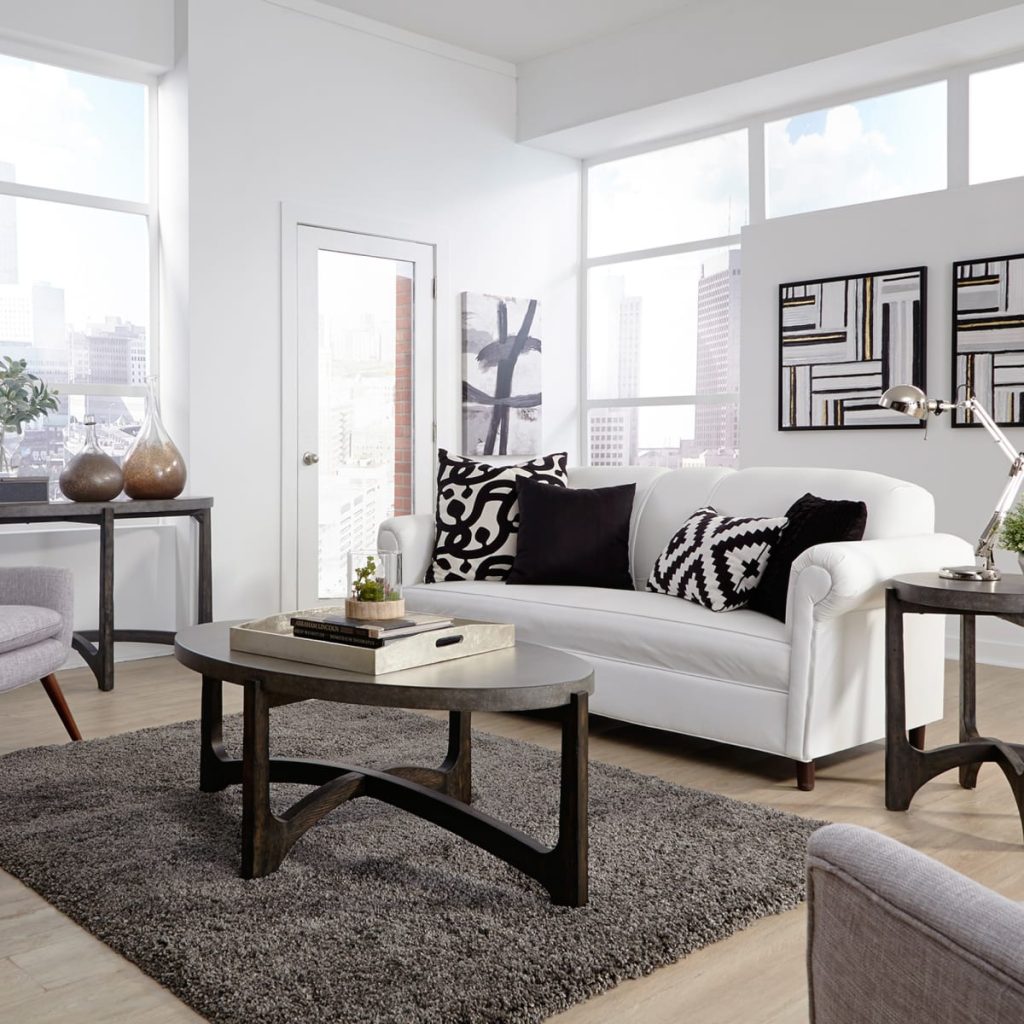
Are you wondering if white end tables can work with a dark coffee table in your living room? Mixing light and dark furniture might feel tricky, but it can actually create a stunning, balanced look.
If you’ve been hesitating because you’re not sure how these pieces will fit together, this article is for you. You’ll discover simple tips to combine white end tables and a dark coffee table in a way that makes your space feel stylish and inviting.
Keep reading to find out how to make your furniture choices work perfectly with your home.

Credit: rescued-restored.myshopify.com
Mixing White And Dark Furniture
Mixing white end tables with a dark coffee table can create a striking and stylish look in your living space. It’s a way to break the monotony and add depth without overwhelming your room. But how do you make sure this mix feels intentional rather than mismatched?
Why Contrast Works
Contrast between white and dark furniture grabs attention and adds visual interest. White pieces can brighten a room, while dark furniture anchors the space and adds warmth. This combination prevents your décor from looking flat or boring.
Think about how your eyes naturally move across the room. The contrast guides your gaze, creating a rhythm that makes your space feel dynamic. If everything were one color, your room might feel dull or too uniform.
Balancing Light And Dark
Balance is key when mixing white and dark furniture. You don’t want one to overpower the other. Try to spread out your pieces so the eye finds a good balance of light and dark in different spots.
- Place a white end table next to a dark sofa to create a fresh look.
- Add dark accessories on white tables to tie them together.
- Use rugs or cushions that pull both colors into the room.
Have you ever noticed how a few well-placed elements can unify a space? You can create harmony by repeating colors in small doses, like a dark vase on a white table or a white lamp on a dark surface. This way, your furniture tells a cohesive story instead of competing for attention.
Choosing The Right Styles
Choosing the right styles for white end tables and a dark coffee table creates harmony in your living space. Mixing different colors can work well if the styles connect visually. Focus on design details that tie the pieces together. This approach makes your room look balanced and inviting.
Matching Design Elements
Look for similar design features on both tables. Matching legs, edges, or hardware create a subtle link. For example, if the dark coffee table has sleek metal legs, choose white end tables with similar metal touches. Matching finishes or patterns also help unify the look.
Consistency in style keeps the furniture from clashing. It makes the combination feel intentional and stylish. Even small shared details make a big difference in the overall design.
Complementing Shapes And Textures
Shapes play a key role in blending different colors. Round white end tables soften the look next to a rectangular dark coffee table. Contrast in shapes adds interest without overwhelming the room.
Textures also create balance. Smooth white surfaces work well with a coffee table that has a rough or wood grain texture. This mix brings depth and warmth to your space. Choose textures that feel natural together.
Color Coordination Tips
Choosing the right colors for your living room can be a fun and rewarding process. If you’re considering a mix of white end tables and a dark coffee table, you might be worried about achieving the perfect balance. Fret not; color coordination can transform your space from ordinary to extraordinary with just a few thoughtful touches.
Using Accent Colors
Accent colors are your best friends when harmonizing contrasting furniture. By introducing a third color, you can bridge the gap between white and dark tones. Think of adding throw pillows in bold hues like teal or mustard on your sofa. This not only draws the eye but also ties the room together seamlessly.
Consider artwork with a splash of your chosen accent color. A painting or a series of prints can serve as a focal point, subtly coordinating the different elements of your room. It’s all about finding that sweet spot where the color palette feels intentional and cohesive.
Incorporating Rugs And Accessories
Rugs can significantly influence the overall feel of a room. Opt for a rug that contains both white and dark shades along with your accent color. This creates a visual link between the end tables and the coffee table, making the space feel unified.
Accessories like vases, lamps, and books can add layers of interest. Try placing a white vase on the dark coffee table or dark photo frames on the white end tables. Mixing and matching these elements creates a dynamic look that feels both curated and lived-in.
Are you worried about experimenting with colors? Start small. Swapping out accessories is a low-commitment way to test your palette. You’ll quickly see how these small changes can make a big impact on the harmony of your room.
Placement Strategies
Choosing to mix white end tables with a dark coffee table adds a dynamic contrast to your living space. But the real magic happens with how you place these pieces together. Smart placement strategies help balance the contrasting colors and create a harmonious look that feels intentional and stylish.
Arranging For Visual Flow
Think about how your eyes move across the room. Place the white end tables where they naturally catch the light, like near windows or beside a sofa, to brighten the area without overwhelming it.
Position the dark coffee table centrally to anchor the space. This contrast guides the eye smoothly from the lighter edges toward the darker center, creating a visual flow that feels balanced.
Don’t overcrowd one side with both white and dark pieces. Spread them evenly to avoid visual tension and maintain a welcoming atmosphere.
Creating Focal Points
Your dark coffee table can serve as a strong focal point, especially if it contrasts with lighter flooring or surrounding furniture. Add a simple centerpiece, like a vase or a stack of books, to draw attention without clutter.
Use the white end tables to frame seating areas or highlight architectural features like a fireplace or built-in shelves. Their brightness naturally draws the eye and complements the dark coffee table’s boldness.
Ask yourself where you want guests to focus first when they enter your room. Then arrange your tables to lead their gaze in that direction, making the space feel cohesive and thoughtfully designed.
Material Considerations
Choosing white end tables alongside a dark coffee table can create a stunning contrast in your living space. But, material choices play a key role in how well these pieces work together. Understanding finishes and textures helps you make selections that feel balanced and intentional.
Wood Finishes And Paints
Wood finishes vary widely, from glossy to matte, and they impact how your furniture interacts visually. A dark coffee table with a matte finish can ground the room, while white end tables in a semi-gloss paint add brightness without overwhelming the space.
Think about the undertones in the wood or paint. If your dark coffee table has warm undertones like mahogany, pairing it with white end tables that have cool undertones might clash. Instead, choose whites with a hint of warmth to tie the pieces together.
Have you ever noticed how unfinished or raw wood can add texture but sometimes disrupt color harmony? Selecting sealed or treated finishes ensures durability and helps your furniture feel more cohesive.
Mixing Metals And Fabrics
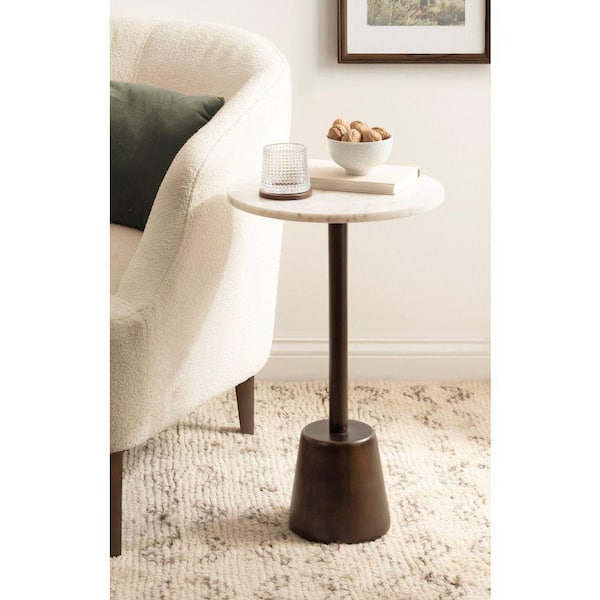
Metal accents on your tables, like legs or handles, add another layer of texture and style. Mixing metals such as brass on the dark coffee table and brushed nickel on the white end tables can work if you keep the finishes subtle and not overly shiny.
Fabric choices nearby, like cushions or rugs, should complement these metals and wood tones. For example, soft linen pillows in neutral shades can soften the contrast between the white and dark pieces, making the whole setup feel inviting.
Ask yourself: Does the metal on your furniture catch the light or feel cold? Adjusting fabric textures around these pieces helps balance the overall mood and can connect the tables visually.
Credit: www.homedepot.com
Maintaining Cohesion
Maintaining cohesion in a living room with white end tables and a dark coffee table is essential. It helps the space feel balanced and inviting. Blending these contrasting pieces requires thoughtful design choices. Focus on elements that tie the colors and styles together seamlessly.
Repeating Colors And Patterns
Repeating colors in textiles and decor bridges the gap between white and dark furniture. Use cushions, rugs, or curtains that feature both light and dark shades. This repetition creates a visual link and softens the contrast.
Patterns that mix white and dark tones also enhance unity. Stripes, geometric shapes, or floral prints work well. They draw the eye across the room, making the furniture feel part of a whole.
Layering With Lighting
Lighting plays a key role in blending different furniture colors. Warm lights can soften stark contrasts, making the room cozy. Place lamps near both the white and dark pieces to highlight their features equally.
Layer lighting using floor lamps, table lamps, and overhead fixtures. This approach balances brightness and shadows. It creates a unified mood, helping all furniture pieces connect visually.

Credit: 2ndhandwarehouse.com
Frequently Asked Questions
Can White End Tables Match A Dark Coffee Table?
Yes, white end tables can complement a dark coffee table. The contrast creates visual interest and balances the room’s color scheme effectively.
How To Style White And Dark Wood Furniture Together?
Use coordinating decor like rugs and cushions. Keep wall colors neutral to blend white and dark wood furniture seamlessly.
Does Mixing White And Dark Furniture Affect Room Size Perception?
Yes, white furniture can brighten and enlarge a room. Dark pieces add depth and create a cozy, balanced space.
Are White End Tables Easy To Maintain With Dark Coffee Tables?
White end tables may show dirt more easily. Regular cleaning keeps both white and dark furniture looking fresh and stylish.
Conclusion
White end tables and a dark coffee table can create a nice contrast. This mix adds depth and interest to your room. You can balance colors by adding matching accessories. Keep the style simple to avoid a cluttered look. This combination works well in many living rooms.
It allows you to play with different textures and shapes. Overall, mixing white and dark furniture is a smart way to refresh your space. Try it and see how it changes your room’s vibe.



