
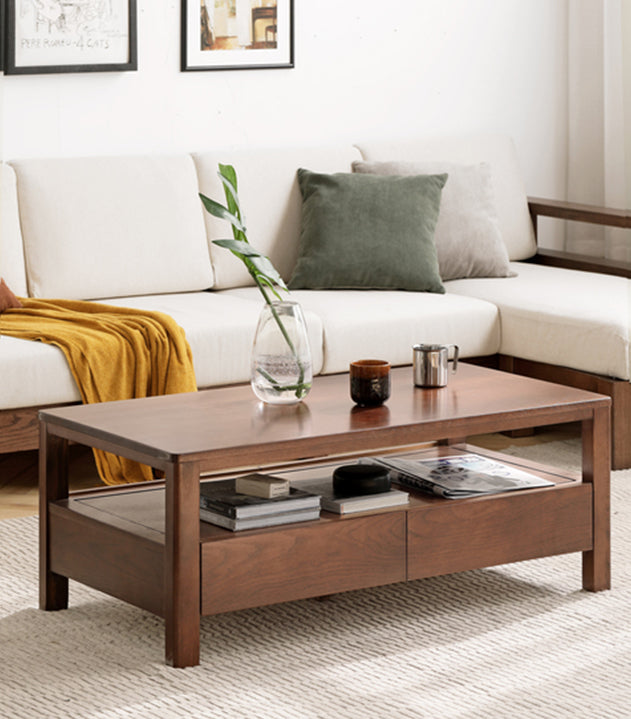
Are you wondering if your coffee table and end table need to match perfectly? You’re not alone.
Many people feel stuck trying to find pieces that look like they belong together. But what if you don’t have to follow that rule? What if mixing styles or colors could actually make your space more interesting and personal? Keep reading, and you’ll discover simple tips to create a balanced, stylish look—whether your tables match or not.
Your living room could be more inviting and unique than you ever imagined.
Mixing Styles
Mixing styles creates a unique and personalized look for your living space. It allows you to blend different tastes and eras. This approach adds character and depth to your room. You can mix coffee tables and end tables without matching them exactly. The key is to find harmony among varied pieces.
Combining Different Materials
Using different materials can bring texture and interest to your space. Pair a wooden coffee table with metal end tables for contrast. Glass tops with wooden legs create a light, airy feel. Think about the durability and function of each material. Mixing materials keeps the space lively and dynamic.
Balancing Colors And Finishes
Colors and finishes help unify mixed furniture. Choose colors that complement rather than clash. Soft neutrals work well with bold or dark finishes. Match finishes like matte or glossy to maintain consistency. Balance bright colors with muted tones for a calm look.

Credit: oakfurniturestore.co.nz
Size And Scale
Size and scale are key factors when deciding if your coffee table and end table should match. They influence how balanced and comfortable your living space feels. Ignoring these can make your room look awkward or cluttered.
Choosing Proportional Pieces
Your coffee table should fit well within the seating area without overwhelming it. Ideally, it should be about two-thirds the length of your sofa. End tables, meanwhile, need to complement the coffee table without competing for attention.
Think about height too. End tables are usually the same height as the arm of your sofa, making them easy to reach. If your coffee table is too tall or too short compared to your end tables, it can throw off the room’s flow.
I once picked an oversized coffee table that dwarfed the end tables. The imbalance made the room feel awkward and cramped. Adjusting the size of the end tables to be slightly larger restored harmony and improved the space instantly.
Creating Visual Harmony
Visual harmony happens when tables relate to each other in size and shape, even if they don’t match exactly. Mixing different sizes can add interest but needs careful balance.
Try grouping tables that share a similar style or color but vary in scale. For instance, a large rectangular coffee table paired with smaller round end tables can create a pleasing contrast.
Ask yourself: Does your eye move smoothly across the tables, or does one piece dominate awkwardly? If the latter, experiment with adjusting scale or spacing until the set feels unified.
Functionality First
When deciding on the perfect setup for your living room, functionality should be your first concern. While aesthetics are important, the primary role of your furniture is to serve your lifestyle needs. Do coffee tables and end tables need to match? Not necessarily. Instead, consider how each piece functions in your space.
Purpose Of Coffee Tables
Coffee tables often serve as the centerpiece of your living room. They are versatile, offering a surface for everything from drinks to books to board games. But their purpose goes beyond just holding items. They can also provide storage with drawers or shelves underneath. When choosing a coffee table, think about how you use your living room. Do you need extra storage, or is surface space more important?
Role Of End Tables
End tables, on the other hand, are the unsung heroes of functionality. They sit beside your sofa or chairs, holding lamps, remote controls, or your favorite cup of tea. Unlike coffee tables, end tables are often used for more personal items. Consider their height and accessibility. Are they within easy reach from your seating? Do they offer enough surface for your needs?
As you think about these roles, ask yourself: Do your coffee and end tables fulfill their functions? Or are you too focused on matching them rather than their practical use? Prioritize functionality, and your living room will not only look great but also make life easier.
Creating Contrast
Creating contrast between your coffee table and end table adds visual interest to any room. It breaks the monotony and brings a fresh, dynamic feel. Contrast highlights each piece’s unique charm and style. It lets you mix different designs without clashing.
Using Bold Shapes
Choose tables with different shapes to create contrast. A round coffee table pairs well with a square or rectangular end table. Bold shapes grab attention and define spaces clearly. Mixing curves with straight lines creates a balanced look. This contrast makes the furniture stand out without overwhelming the room.
Incorporating Unique Textures
Texture adds depth and richness to your tables. Combine smooth, glossy surfaces with rough, natural materials. For example, a glass coffee table contrasts beautifully with a wooden end table. Textured fabrics or metal finishes also create a striking look. These differences make the furniture feel more layered and inviting.
Coordinating Themes
Coordinating themes between your coffee table and end table can transform a room from disjointed to harmonious without forcing them to be identical. It’s about creating a flow that feels intentional and balanced. You don’t have to match every detail perfectly, but a thoughtful connection can make your space more inviting.
Matching Style Elements
Look for shared style elements that tie your tables together. This could be similar materials, like both featuring wood with a natural finish, or consistent shapes such as rounded edges or tapered legs.
Think about the overall vibe you want—modern, rustic, or minimalist—and choose tables that reflect that mood. Even subtle hints, like metal accents on both pieces or matching color tones, can create a cohesive look without being too obvious.
Have you noticed how a small detail, like the same drawer handle style or leg design, can make different tables feel like part of a set? These little touches help your furniture speak the same language.
Using Accessories For Unity
Accessories are your secret weapon for linking tables that don’t match perfectly. A shared decorative theme, such as similar lampshades, vases, or coasters, can visually unite the space.
Try grouping items with common colors or textures on both tables to create rhythm. For example, placing a green plant on the coffee table and a matching green candle on the end table adds balance without forcing the furniture to match.
What if you don’t want your tables to look too similar? Accessories let you keep your unique pieces while still making the room feel connected. This approach keeps your space fresh and personalized.

Credit: oakfurniturestore.co.nz
Budget-friendly Pairing
Choosing coffee tables and end tables that don’t have to match opens up exciting budget-friendly options. You can create a stylish look without spending a lot by mixing and matching pieces that complement each other in tone, texture, or style. This approach invites creativity and allows you to shop smart.
Thrift And Vintage Finds
Have you ever walked into a thrift store and found a unique table that instantly caught your eye? These places are treasure troves for budget-conscious decorators. You can score one-of-a-kind coffee or end tables at a fraction of retail prices.
Look for pieces with character—maybe a mid-century modern coffee table paired with a rustic wooden end table. The contrast adds interest without feeling mismatched. Keep an eye out for solid wood tables that can be refinished or painted to better suit your room’s palette.
Don’t hesitate to visit estate sales or flea markets, too. Sometimes, the best deals come from unexpected spots where the focus isn’t on matching sets but on quality and charm.
Diy Customization Ideas
Have a table that’s almost perfect but not quite right? Small DIY projects can turn it into exactly what you want. Painting or staining a thrifted table can unify a coffee and end table that started out very different.
Add new hardware like knobs or metal accents to give a fresh look. Even swapping out legs can dramatically change a table’s vibe—from sleek and modern to rustic and cozy.
Try using removable wallpaper or stencils on the tabletop for a personal touch. These simple customizations are budget-friendly and let you tailor your tables to fit your style perfectly.

Credit: oakfurniturestore.co.nz
Frequently Asked Questions
Do Coffee Tables And End Tables Need To Match?
No, coffee tables and end tables don’t have to match. Mixing styles adds visual interest and personality to your space. Coordinating colors or materials can create harmony without being identical.
Can Mismatched Tables Still Look Stylish Together?
Yes, mismatched tables can look stylish if balanced well. Use similar tones, textures, or shapes to unify the look. This approach adds depth and character to your living room.
What Styles Complement Each Other For Tables?
Styles like modern and rustic, or industrial and minimalist, complement each other well. Combining these creates a trendy yet cohesive design. Choose elements that share common features for a seamless blend.
How To Choose Tables That Fit Room Size?
Select tables proportional to your room size. Large rooms handle bigger tables; small spaces need compact ones. Ensure enough space around tables for comfort and easy movement.
Conclusion
Coffee tables and end tables do not have to match exactly. Mixing styles can add character to your space. Choose pieces that share colors or shapes for balance. Comfort and function matter more than perfect matching. Your room should feel cozy and reflect your taste.
Experiment with different combinations to find what works. Trust your eye and enjoy creating a unique look.



