
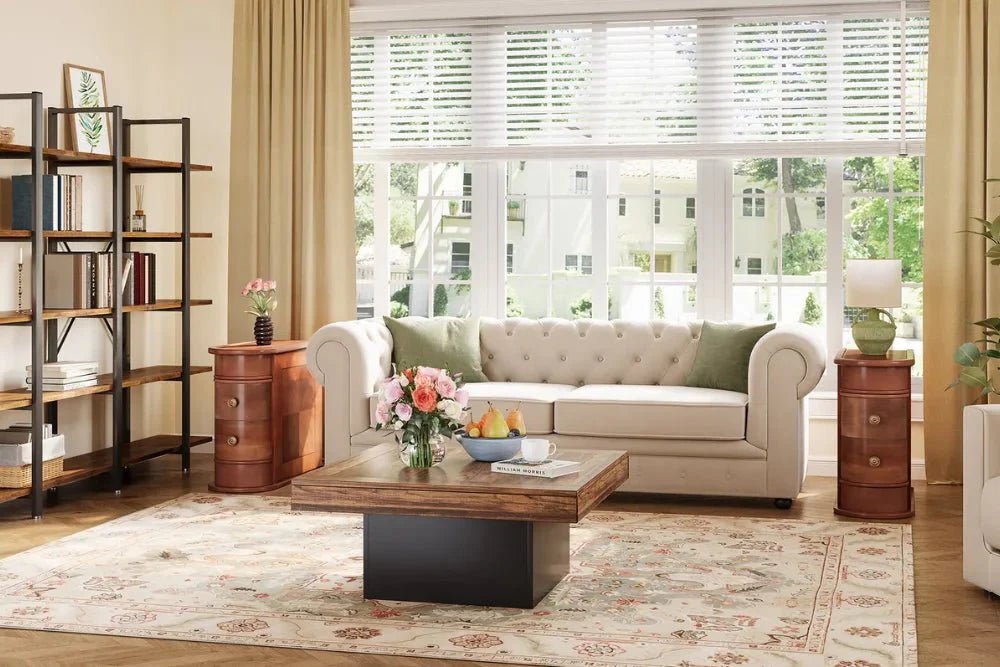
Choosing the right size for your coffee table can make all the difference in how your living room feels and functions. You want a table that fits perfectly with your space, looks great, and works well for your everyday needs.
But how big should your coffee table actually be? If you’re unsure, you’re not alone. This guide will help you find the perfect size so your coffee table enhances your room without crowding it. Keep reading, and you’ll discover simple tips that make picking the right table easy and stress-free.

Credit: www.zmhome.store
Ideal Coffee Table Dimensions
Choosing the right size for a coffee table improves both comfort and style in your living space. The ideal dimensions depend on factors like seating height, room size, and the table’s purpose. Correct sizing helps maintain balance and easy movement around the furniture.
Standard Heights To Consider
The coffee table height should be close to the seat height of your sofa or chairs. Most sofas have a seat height between 16 and 18 inches. A coffee table height of 16 to 18 inches works best for easy reach without strain. Tables higher than this can feel awkward and less functional.
Width And Length Guidelines
The table’s length usually ranges from two-thirds to three-quarters the length of your sofa. This size keeps the table proportional and accessible. Width often falls between 18 and 24 inches, allowing enough surface area without overcrowding the space. Rectangular or oval shapes fit well in most rooms.
Balancing Size With Room Scale
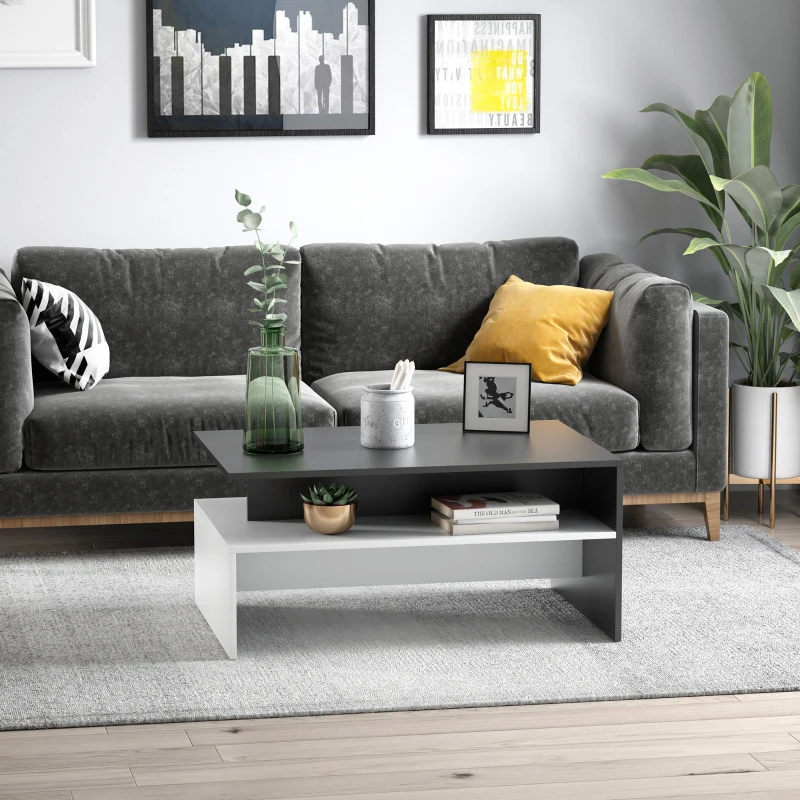
A large coffee table in a small room feels overwhelming and blocks movement. In a big room, a small table looks lost and underwhelming. Leave at least 18 inches between the table and surrounding furniture for easy walking. Measure your space carefully to find the best fit and maintain harmony.
Credit: www.aosom.com
Matching Coffee Table To Sofa Size
Matching your coffee table to your sofa size is crucial for both comfort and style. The right balance makes your living space feel inviting and functional. When your coffee table fits well with your sofa, it enhances the overall harmony of the room.
Proportions Between Table And Seating
The coffee table should be about two-thirds the length of your sofa. This size keeps the table in proportion without overwhelming the seating area. If your sofa is 90 inches long, aim for a coffee table around 60 inches.
Height matters too. Your coffee table should be roughly the same height as the sofa cushions or slightly lower. This makes it easy to reach your drinks or books without stretching or bending awkwardly.
Distance Between Sofa And Table
Leave about 18 inches of space between your sofa and coffee table. This distance allows enough room to walk comfortably without feeling cramped. It also ensures easy access to the table while seated.
Too close, and you risk bumping knees. Too far, and you’ll find yourself leaning forward uncomfortably. Think about how you move around your living space and arrange accordingly.
Style Impact On Size Choices
Your sofa’s style influences the best coffee table size. A bulky, overstuffed sofa pairs well with a larger, sturdier table. On the other hand, a sleek, minimalist sofa looks better with a smaller, simpler table.
Consider the table’s shape too. Round tables work well with sectional sofas or curved seating, while rectangular tables complement straight-lined sofas. How does your sofa’s style reflect your personality and daily use? Let that guide your choice.
Room Layout And Table Placement
Choosing the perfect coffee table size involves more than just measurements. The room layout and table placement play a significant role. A well-placed table enhances flow and aesthetics in your living space. It must complement the room’s design and serve its purpose effectively.
Space For Movement Around Table
Ensure ample space for easy movement around the coffee table. Ideally, leave 18 inches between the table and other furniture. This allows people to walk around without bumping into corners. Consider the room’s traffic flow. Avoid obstructing paths with the table.
Aligning Table With Other Furniture
The coffee table should align with your seating arrangement. Position it parallel to your sofa to maintain balance. The table’s height should match the seat height of your sofa. This ensures comfort and convenience for everyone using the table.
Using Area Rugs To Define Space
An area rug can define the space around your coffee table. Place the rug under the table and extend it under the sofa. This creates a cohesive look and ties the room together. Ensure the rug is large enough to accommodate the seating area.
Functionality And Usage
Choosing the right size for your coffee table depends largely on how you plan to use it. The table’s function shapes its size, style, and placement. Think about your daily needs and how the table fits your lifestyle. It should support your activities comfortably without crowding the space.
Tables For Entertaining
For social gatherings, a larger coffee table works best. It gives plenty of space for drinks, snacks, and games. Guests can easily reach items without stretching too far. Make sure the table height matches your seating to keep things cozy and easy to use.
Tables For Storage
Storage tables help keep your living room tidy. Choose a table with shelves, drawers, or hidden compartments. This design holds magazines, remote controls, and other small items. A well-sized storage table balances surface space with enough room underneath for your things.
Multipurpose Coffee Tables
Multipurpose tables offer flexibility for small spaces. They can serve as a desk, dining spot, or extra seating. Look for adjustable or expandable designs. These tables adapt to different needs, making your room more functional without extra furniture.
Material And Shape Effects
Your coffee table’s material and shape play a huge role in how it fits and feels in your living space. These choices don’t just affect function—they also impact how big or small your table looks. Understanding these effects helps you pick a table that complements your room without overwhelming it.
Round Vs Rectangular Tables
Round tables soften a room’s look and create easy flow around the furniture. They take up less visual space because they have no sharp corners, which makes them ideal if you want a cozy, inviting atmosphere.
Rectangular tables offer more surface area and work well in larger spaces. They can anchor a seating area but might crowd the room if they’re too big. Think about how you move around your space—do you want more walking room or more table space?
Material Influence On Visual Size
Glass and acrylic tables make a room feel open since they let light pass through. These materials often make your table seem smaller than it really is, which is great in tight spaces.
Wood and metal tables feel heavier visually but add warmth or industrial charm. A dark wood table can dominate a room, so if your space is small, lighter woods or mixed materials might be better.
Choosing Shapes For Small Spaces
In compact rooms, shapes that maximize movement are key. Oval and round tables reduce sharp edges and make it easier to walk around.
Consider a nesting table set or a coffee table with storage to add function without taking up more space. Could a shape that blends into your room’s flow help you avoid bumping into furniture?

Credit: www.castlery.com
Measuring Tips And Tricks
Choosing the right size for your coffee table can be tricky. Measuring carefully helps avoid a table that feels too big or too small in your space. Using smart tips makes this task easier and more accurate. You can see how the table will fit before buying it. This saves time and effort.
Using Tape And Templates
Use painter’s tape to mark the table’s edges on the floor. This gives a clear view of the table’s footprint. Cut cardboard pieces to match the table size. Move the template around the room to check space and flow. This hands-on method helps imagine the table’s real size.
Visualizing Size With Temporary Markers
Place cushions or boxes where the table will stand. These objects act as stand-ins for the coffee table. Walk around them to see how easy it is to move. Use masking tape to outline the table’s shape on the carpet or floor. This visual guide helps picture the table’s presence.
Adjusting For Future Furniture Changes
Think about any new furniture you might add later. Leave extra space around the coffee table for comfort. Measure pathways to ensure easy movement around the table. Plan for different seating arrangements near the table. This keeps your room flexible and cozy over time.
Frequently Asked Questions
What Is The Ideal Coffee Table Height?
The ideal coffee table height is 16 to 18 inches, matching sofa seat height. This ensures comfort and easy access while seated.
How Far Should A Coffee Table Be From The Sofa?
Place the coffee table 12 to 18 inches from the sofa. This distance allows easy reach without crowding the space.
What Size Coffee Table Suits A Small Living Room?
Choose a coffee table about two-thirds the length of your sofa. Compact designs with storage work best for small rooms.
Should The Coffee Table Be Square Or Rectangular?
Both shapes work well, but rectangular tables suit longer sofas. Square tables fit well in smaller, square seating areas.
Conclusion
Choosing the right size for your coffee table makes a big difference. It should fit well in your space and match your furniture. Keep enough room to walk around it comfortably. A table that is too big or too small can feel awkward.
Think about how you will use it daily. The right size helps your room look balanced and neat. Take your time measuring before buying. This simple step makes your living area feel cozy and inviting. Your perfect coffee table is just the right size.



