
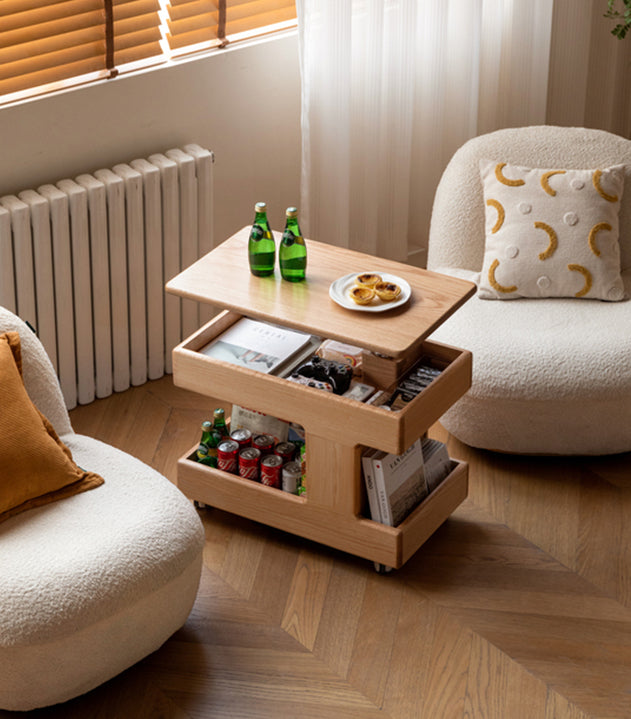
When you’re decorating your living room, you might wonder: should your coffee table and end tables match? This question is more important than it seems.
The right choice can make your space feel balanced and inviting. But get it wrong, and your room might look cluttered or disconnected. You’ll discover how matching—or intentionally mixing—these pieces can transform your space. Keep reading to find out what works best for your style and home.
Benefits Of Matching Tables
Matching your coffee table and end tables can transform your living space in subtle but powerful ways. The benefits go beyond just aesthetics—they influence how you feel in your room and how easy it is to decorate. Let’s look at why choosing matching tables might be the smart move for your home.
Creating A Cohesive Look
Matching tables instantly bring harmony to your living area. When your coffee table and end tables share the same style, color, or material, they act like visual anchors. This consistency helps your eyes move smoothly across the room without distractions.
Think about a space where the tables clash—your brain works harder to process the differences, which can feel unsettling. Matching pieces create a balanced backdrop that lets your other decor shine. Have you noticed how a simple color match can make a room feel more put together?
Enhancing Room Symmetry
Symmetry is a powerful design tool, and matching tables play a key role in achieving it. When your end tables mirror each other and complement the coffee table, the room feels orderly and inviting. This balance can make even small spaces feel larger and more open.
Even if your furniture layout isn’t perfectly symmetrical, matching tables can create a sense of rhythm that steadies the overall look. Imagine sitting in a room where everything feels uneven—would you feel as relaxed? Matching tables help avoid that uneasy feeling by providing visual stability.
Simplifying Decorating Choices
Choosing matching tables can save you time and stress during decorating. When your tables share a design language, you don’t have to worry about mixing materials or colors that clash. This simplicity frees up your creativity for other elements like pillows, rugs, or art.
It’s easier to shop for accessories when your tables match because you know the palette and style you’re working with. Have you ever felt overwhelmed by too many options? Matching tables narrow down choices and make decision-making more straightforward.
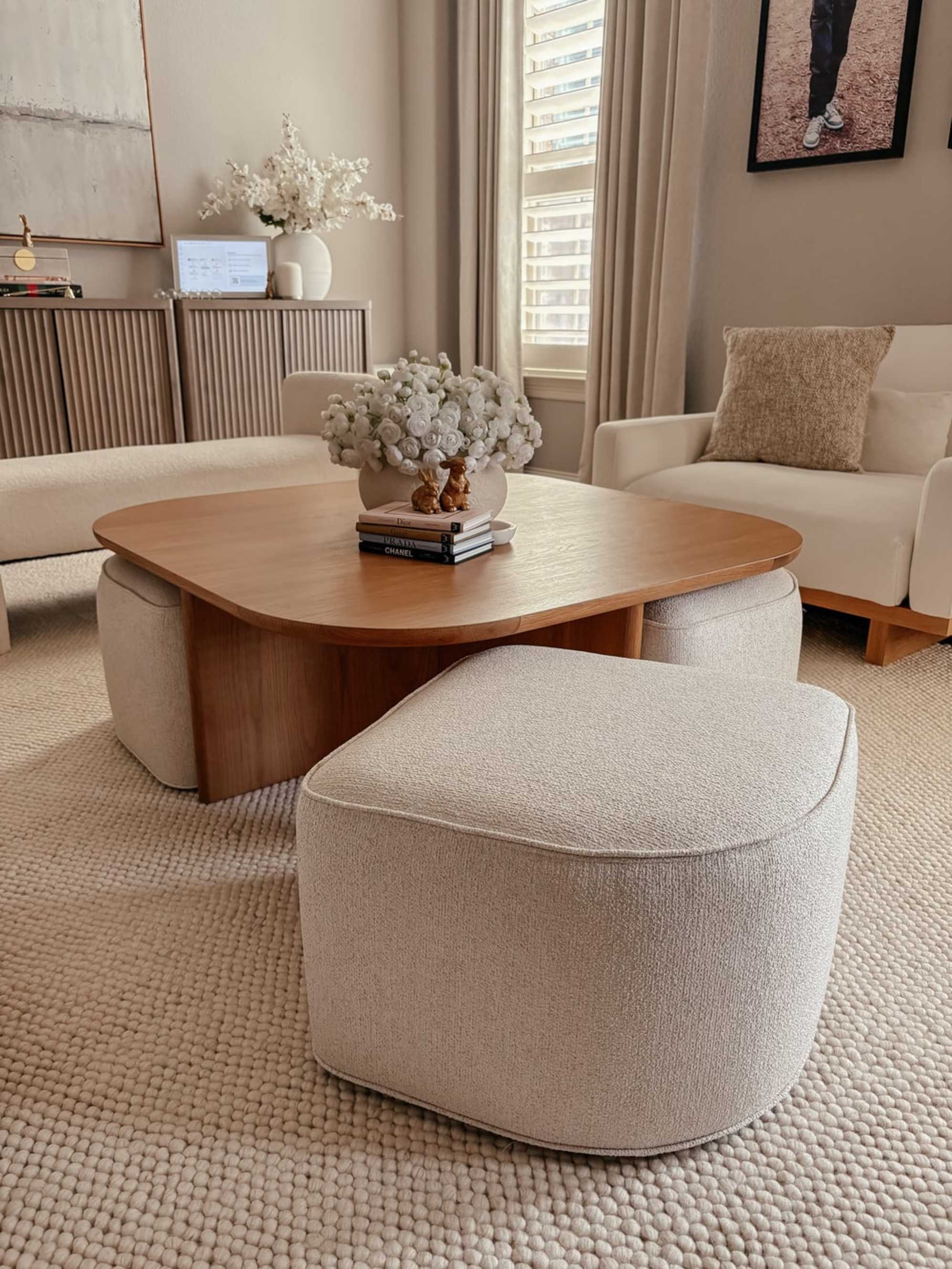
Credit: www.castlery.com
When To Mix And Match
Mixing and matching coffee tables and end tables can create a unique and inviting space. It works best when you want to avoid a uniform look. Choosing different styles allows each piece to stand out while still feeling part of the room. This approach brings life and personality to your living area.
Adding Visual Interest
Mixing tables adds depth and texture to the room. Different shapes and sizes catch the eye and keep the space dynamic. Contrast between a round coffee table and square end tables creates balance. Variety in table heights also makes the layout more appealing. This technique breaks monotony and invites closer attention.
Expressing Personal Style
Combining tables lets you show your taste clearly. Pick pieces that reflect your hobbies or memories. Vintage tables paired with modern ones tell a story. Mixing styles feels more personal and less staged. It also allows flexibility to change one piece without redoing the entire set.
Balancing Colors And Materials
Choose colors that complement each other without matching exactly. Wood, metal, and glass can blend well if tones align. Soft colors with bold accents create harmony. Use texture contrasts like smooth glass and rough wood for interest. This balance keeps the look cohesive and pleasant to the eyes.
Styles That Work Well Together
Choosing the right style for your coffee and end tables can enhance your living space. Matching these pieces isn’t necessary, but they should complement each other. Combining styles can create a cohesive, inviting look in your home. Let’s explore some styles that work well together.
Modern Minimalist Pairings
Modern minimalist tables offer clean lines and simple forms. They often feature neutral colors and sleek materials like glass or metal. Pairing a glass coffee table with metal end tables creates a sophisticated look. Neutral tones like white or grey can unify the space. A minimalist style keeps your room open and airy. Balance is key in this design approach.
Rustic And Industrial Combos
Rustic and industrial styles blend natural and raw materials. Wood with visible grain and metal accents define this look. A rustic wooden coffee table pairs well with metal-framed end tables. These materials add warmth and character to your room. Mixing wood and metal creates an inviting and robust atmosphere. This style is perfect for cozy, lived-in spaces.
Classic And Transitional Mixes
Classic and transitional styles blend traditional and modern elements. Elegant lines and timeless materials define classic designs. Pair a wooden coffee table with upholstered end tables for a balanced look. Transitional styles often feature neutral color palettes. They provide a versatile backdrop for your décor. This mix offers a refined and adaptable aesthetic.

Credit: www.castlery.com
Material And Finish Tips
Choosing the right material and finish for your coffee table and end tables shapes the room’s look. These elements influence style, mood, and harmony in your space. Matching materials or mixing different finishes can create unique effects. Understanding key tips helps balance your furniture design.
Wood Tones And Textures
Wood tables bring warmth and natural charm. Matching wood tones creates a unified, calm feeling. Mixing light and dark woods adds contrast and interest. Textures matter too. Smooth finishes feel modern, while rough or distressed woods add rustic appeal. Consider the grain pattern for extra depth and character.
Metal Accents And Details
Metal details add shine and edge to tables. Matching metal tones like brass or black iron ties pieces together. Mixing metals can work if balanced well. Use metal accents on legs, handles, or edges for subtle cohesion. Matte and polished finishes change the style mood—matte feels casual, polished looks elegant.
Glass And Stone Surfaces
Glass surfaces make spaces feel open and light. Matching glass tops create a sleek, modern look. Stone surfaces, like marble or granite, add luxury and texture. Using the same stone type or color keeps harmony. Mixing glass and stone balances transparency with solidity, creating a dynamic visual appeal.
Size And Scale Considerations
Size and scale are key factors when deciding if your coffee table and end tables should match. These pieces need to work well with your seating and the room’s layout. Ignoring their proportions can make your space feel awkward or cramped.
Proportion To Sofa And Chairs
Your tables should complement the size of your sofa and chairs, not overpower or disappear beside them. A large sectional calls for bigger tables, while a petite loveseat pairs best with smaller, delicate tables.
Think about the length and width of your sofa—your coffee table should be about two-thirds its length to maintain balance. If your chairs are low-profile, keep your tables closer in height and size to avoid a disconnected look.
Balancing Height Differences
Height differences between coffee and end tables add interest but need careful balancing. End tables are typically taller to align with the armrests of your seating, while coffee tables are lower to fit comfortably in front.
Try to keep the height difference within a few inches. If your end tables feel too tall or too short, it can disrupt the flow and make reaching for a drink or book frustrating.
Spacing And Arrangement Ideas
Give yourself enough room to move around your tables without bumping into them. Ideally, leave 18 inches between your coffee table and sofa for easy access and legroom.
For end tables, keep at least 4 to 6 inches between the table and chair arms to avoid crowding. You can also experiment with asymmetry—matching size isn’t always necessary if your spacing feels right and the overall vibe is cozy.
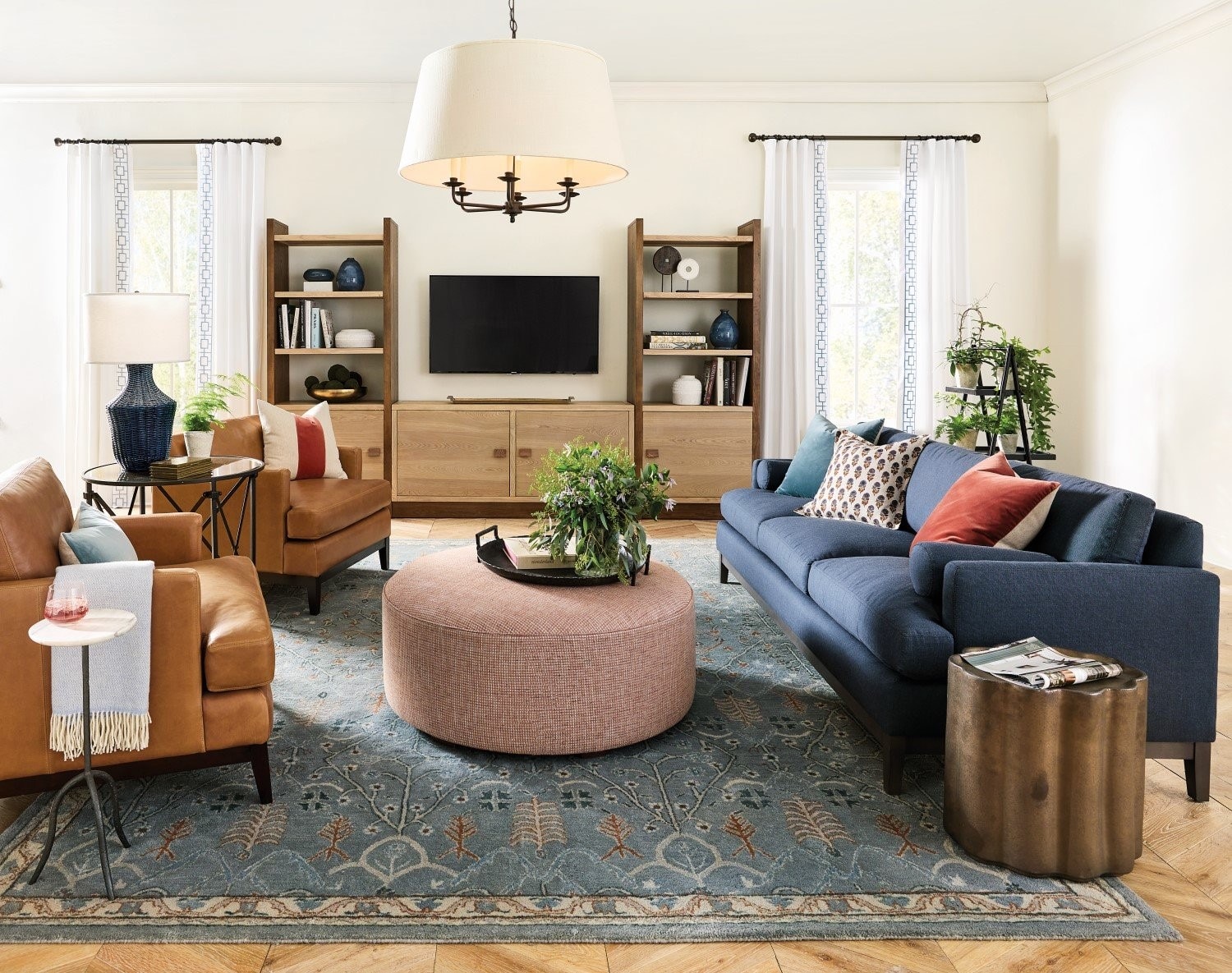
Credit: www.ballarddesigns.com
Accessorizing Matching And Mismatched Tables
Accessorizing matching and mismatched tables can completely change the vibe of your living space. Whether your coffee table and end tables share the same style or showcase unique looks, the right accessories can create a sense of harmony or add exciting contrast. Think about how each piece interacts with your decor and how you can use accessories to highlight their strengths.
Coordinated Decor Elements
You can unify matching or mismatched tables by choosing decor elements that share a common theme or color. For example, place a set of candles or books with similar tones on both your coffee and end tables. Even if the tables differ in shape or material, consistent accessories help tie the look together.
Try using trays or coasters in the same material or pattern on each table. This subtle coordination creates visual flow without forcing everything to be identical. Ask yourself: does this item feel like it belongs with the others in the room?
Using Rugs And Lighting
Rugs and lighting play a crucial role in connecting your tables visually. A large area rug under your seating area can anchor the space, making the tables feel like parts of a whole. Choose a rug that complements both tables’ styles or colors.
Lighting can also bring unity. Matching table lamps or a floor lamp that casts warm, inviting light over your tables can make even mismatched pieces seem intentional. Consider lampshades or bulbs that blend well with your tables’ finishes for a polished look.
Incorporating Plants And Art
Plants and art add life and personality to your tables, regardless of whether they match. A small potted plant on an end table paired with a larger greenery piece on the coffee table balances scale and creates interest. Choose pots that echo colors or textures found elsewhere in the room.
Artworks on the walls behind your tables can also unify the look. Pick pieces that reflect your style and complement the table designs. Would a bold painting or a subtle print better connect your mismatched tables? Your choice can make all the difference.
Frequently Asked Questions
Should Coffee Table And End Tables Always Match?
No, coffee and end tables don’t have to match exactly. Coordinating styles or colors create harmony without being identical. Mixing different materials or shapes adds visual interest and personality to your space while maintaining balance.
How To Choose Matching Coffee And End Tables?
Select tables with a common element like color, material, or design style. This connection ensures cohesiveness. For example, wood tables with similar finishes or metal frames in matching tones work well together, providing a unified yet dynamic look.
Can Mismatched Tables Still Look Stylish Together?
Yes, mismatched tables can look stylish when balanced thoughtfully. Combine different shapes or heights but keep a consistent color palette or texture. This creates an eclectic, modern vibe without overwhelming your room’s decor.
What Styles Complement Coffee And End Tables Matching?
Mid-century modern, rustic, and contemporary styles often benefit from matching tables. These styles emphasize clean lines or natural materials, making coordinated pieces appear cohesive and intentional, enhancing your living room’s overall aesthetic.
Conclusion
Choosing whether coffee tables and end tables should match depends on your style. Matching sets create a neat, unified look. Mixed styles add character and make the room feel unique. Think about the colors, shapes, and materials you like. Balance is key to a cozy and inviting space.
Your home should reflect your personality and comfort. There is no right or wrong answer here. Trust your taste and have fun with your choices. Your tables can work well together, even if they don’t match perfectly.



