
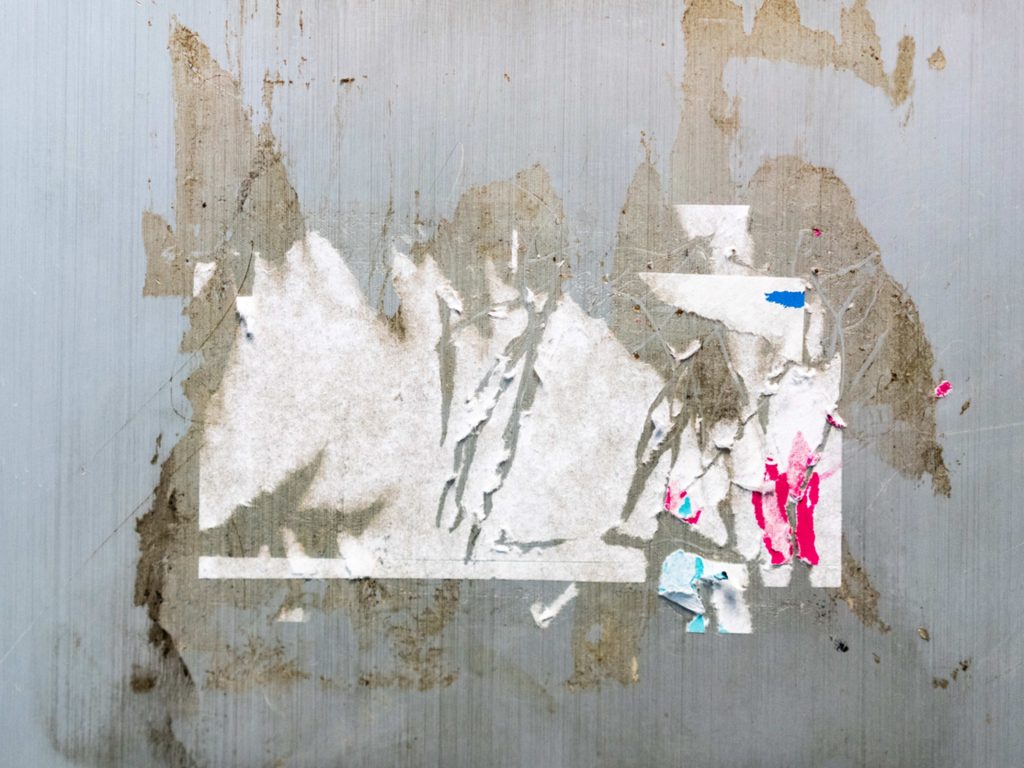
Are you thinking about adding some style to your walls with decor stickers but worried they might damage your paint? You’re not alone.
Many people love the idea of easy, mess-free decoration but hesitate because they fear peeling off those stickers could ruin their walls. What if you could enjoy vibrant wall art without the stress of paint coming off? You’ll discover the truth about wall decor stickers and your paint’s safety.
Keep reading to find out how to decorate confidently and protect your walls at the same time.
Types Of Wall Decor Stickers
Wall decor stickers come in various types, each with unique features. Choosing the right type affects how well they stick and if they damage paint. Understanding these types helps protect your walls and achieve the look you want.
Vinyl Stickers
Vinyl stickers are popular for their durability and bright colors. They stick firmly to walls and last a long time. These stickers often have strong adhesive, which might peel off some paint when removed. They work best on smooth, clean surfaces.
Fabric Stickers
Fabric stickers use a soft material that feels like cloth. Their adhesive is usually gentler than vinyl, reducing paint damage risk. They are easy to reposition and remove. Fabric stickers add texture and warmth to wall decor.
Static Cling Decals
Static cling decals do not use adhesive. They stick to walls by static electricity, so they cause no paint damage. These decals are easy to remove and reuse. They work well on glass and smooth painted surfaces.

Credit: decowall.co.uk
How Stickers Affect Paint
Wall decor stickers can change the look of a room quickly. Many wonder if these stickers damage the paint on walls. The effect depends on several factors. Understanding how stickers interact with paint helps prevent unwanted damage.
Adhesive Strength
Stickers with strong adhesive may pull paint off when removed. Some adhesives bond tightly to the wall surface. This can cause peeling or chipping of paint layers. Softer adhesives are less likely to harm paint. Always check the sticker’s adhesive type before applying.
Paint Quality And Type
High-quality paint resists damage better than cheap paint. Glossy or semi-gloss paint tends to hold better under stickers. Flat or matte paint is more delicate and may peel easily. Older paint that is cracked or brittle is at higher risk. New paint should be fully dry before applying stickers.
Wall Surface Conditions
Clean, smooth walls offer the best surface for stickers. Dust, dirt, or moisture weaken paint’s grip on stickers. Rough or textured walls can cause uneven adhesive contact. Walls with previous damage may lose paint more easily. Proper wall preparation lowers the chance of paint damage.
Factors Leading To Paint Damage
Wall decor stickers can enhance any room’s appearance. But sometimes they may cause paint damage. Understanding the factors is crucial. It helps in preventing paint issues.
Duration Of Sticker Application
Time matters when applying stickers. Long-term stickers can bond strongly with paint. This strong bond risks peeling paint during removal. Short-term use is safer for paint.
Environmental Influences
Environment affects how stickers interact with walls. Humidity can weaken paint adhesion. Heat can cause stickers to melt or warp. Both factors may lead to paint damage.
Sticker Removal Techniques
Proper removal technique is essential. Rushing can peel off paint with stickers. Slow, gentle peeling reduces damage risk. Use tools like a hairdryer to loosen adhesive. Start peeling from one corner for best results.

Credit: www.manomano.co.uk
Safe Removal Methods
Removing wall decor stickers without damaging paint requires careful techniques. Safe removal methods help protect your walls and keep paint intact. These methods use gentle heat, slow peeling, and cleaning solutions to ease sticker removal. Each method reduces the risk of paint peeling or leaving marks on the wall.
Heat Application
Applying heat softens the sticker adhesive. Use a hairdryer on low heat, holding it a few inches from the sticker. Warm the sticker evenly for a minute or two. This makes the sticker easier to peel off without tugging hard. Avoid using high heat to prevent paint damage.
Slow Peeling
Peeling stickers slowly reduces paint stress. Start at one corner and pull gently at a 45-degree angle. Take your time to avoid ripping the paint. If resistance is strong, stop and apply heat again. Patience helps keep the wall surface smooth and safe.
Using Cleaning Solutions
Cleaning solutions can break down sticky residue left behind. Use mild soap and water or a small amount of rubbing alcohol on a soft cloth. Dab gently on the sticker edges or residue spots. Avoid harsh chemicals that may strip paint or cause discoloration.
Preventing Paint Damage
Wall decor stickers can brighten up your space without the hassle of nails or frames. But a common worry is whether they might pull off paint when removed. Preventing paint damage starts with smart choices and simple preparation, ensuring your walls stay as fresh as your ideas.
Choosing The Right Stickers
Not all wall stickers are created equal. Opt for stickers labeled as “removable” or “damage-free.” These usually use gentle adhesives designed to peel off without taking paint along.
Think about the type of paint on your walls too. Matte and eggshell finishes tend to hold stickers better without damage, while glossy paint might not bond as well, increasing the risk of peeling paint when stickers come off.
Preparing Wall Surfaces
Clean walls are your best friends here. Dust, dirt, or grease can prevent stickers from sticking properly, leading you to press harder or peel them off roughly later.
Use a mild soap and water solution, then let the wall dry completely before applying stickers. Avoid applying stickers on freshly painted walls—give your paint at least two weeks to cure for a stronger hold.
Testing Small Areas First
Before committing to a full design, test a small sticker in an inconspicuous spot. Leave it on for a few days to see how it interacts with your paint.
If removing it causes paint to lift or leaves residue, it’s a sign to try a different sticker brand or type. This simple test can save you from bigger headaches down the road.
Alternatives To Wall Stickers
Wall stickers offer a quick way to decorate walls but may cause paint damage. Exploring other options can protect your walls and still bring style. These alternatives provide easy removal and fresh looks without the risk of peeling paint.
Removable Wallpaper
Removable wallpaper is simple to apply and peel off. It comes in many patterns and colors to match any room. The adhesive is designed to avoid damaging paint or leaving residue. This option suits renters and those who change decor often.
Wall Art Panels
Wall art panels add texture and design without sticking directly to paint. They hang with hooks or stands, keeping walls safe. Panels come in wood, fabric, or metal, offering variety in style. Easy to move and reuse, they fit any space.
Temporary Paints And Stencils
Temporary paints dry quickly and wash off easily with water. Use stencils to create custom designs without a permanent mark. This choice lets you personalize walls without long-term commitment. Ideal for kids’ rooms or seasonal decorations.

Credit: decowall.co.uk
Frequently Asked Questions
Do Wall Decor Stickers Damage Paint When Removed?
Wall decor stickers can sometimes peel paint if removed harshly. Using gentle removal techniques helps protect the paint. Stickers with low-adhesion glue are less likely to damage walls. Proper care ensures walls remain intact after sticker removal.
How To Prevent Paint Peeling From Wall Stickers?
To prevent paint peeling, choose stickers with gentle adhesive. Test a small area first before full application. Remove stickers slowly and steadily at a 45-degree angle. Avoid applying stickers on freshly painted or delicate surfaces.
Can Wall Stickers Be Safely Removed Without Paint Loss?
Yes, wall stickers can be safely removed without paint loss. Use heat, like a hairdryer, to soften adhesive before peeling. Gently lift edges without rushing. Proper removal minimizes damage and keeps paint intact.
Which Wall Surfaces Are Safest For Decor Stickers?
Smooth, non-porous surfaces like glass or sealed drywall are safest. Avoid applying stickers on textured or freshly painted walls. Proper surface preparation enhances sticker adhesion and minimizes paint damage.
Conclusion
Wall decor stickers usually do not remove paint if applied carefully. Choosing good quality stickers helps protect your walls better. Always peel stickers slowly and gently to avoid damage. Test a small area first to see how your paint reacts.
This simple step can save you from surprises later. Stickers offer an easy way to decorate without long-term changes. They suit renters and those who like frequent updates. With care, you can enjoy wall stickers without worry.



