
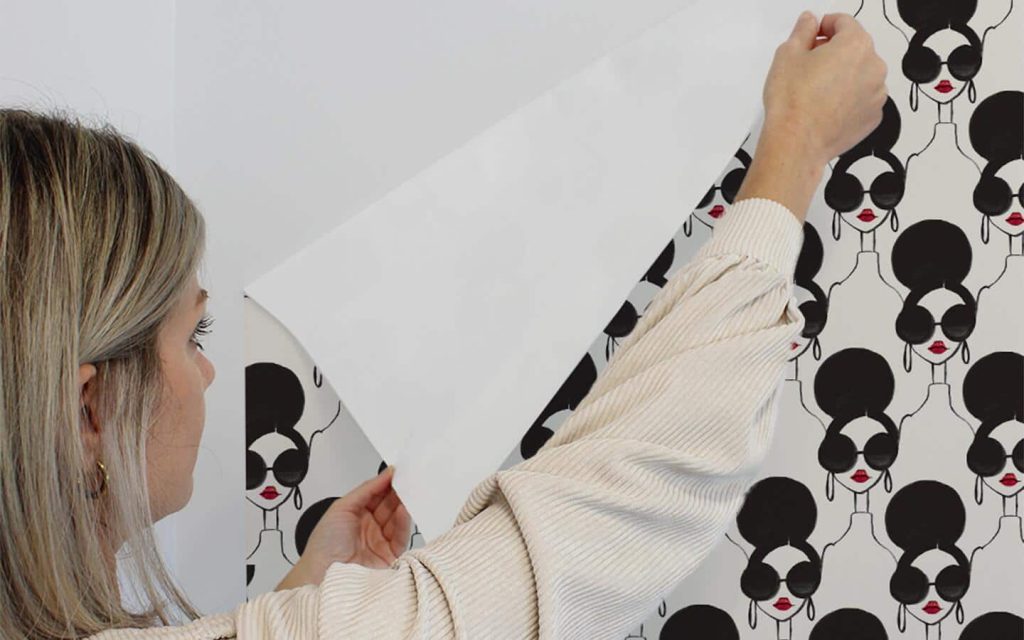
Have you ever tried to peel a sticker off your wall, only to end up with sticky residue or even damage to the paint? Removing stickers can be tricky, but you don’t have to live with those annoying marks.
Whether it’s a leftover from a kids’ craft project or a decoration you’ve outgrown, getting stickers off your wall cleanly is easier than you think. You’ll discover simple, effective methods that protect your wall and save you time. Keep reading to find out how to make your walls look fresh again—without the hassle.
Tools You’ll Need
Removing stickers from a wall requires the right tools for a smooth job. Using the correct items prevents damage and saves time. Prepare these tools before starting for best results.
Plastic Scraper Or Credit Card
A plastic scraper or an old credit card helps lift the sticker gently. It avoids scratching or damaging the paint on the wall.
Hair Dryer
A hair dryer softens the adhesive by heating the sticker. Warm stickers peel off easier and cleaner than cold ones.
Adhesive Remover
Use an adhesive remover to dissolve sticky residue. Choose a gentle product safe for painted surfaces.
Soft Cloth Or Sponge
A soft cloth or sponge wipes off residue and adhesive remover. It cleans the wall without scratching.
Warm Soapy Water
Warm soapy water helps loosen sticker glue. It is safe and easy to use for cleaning the area.

Credit: commomy.com
Preparing The Wall
Preparing the wall before removing stickers is essential to protect your paint and finish. Taking a few minutes to get the surface ready can save you from unwanted damage and extra repairs. Let’s look at how to set up your wall for a smooth sticker removal process.
Cleaning The Wall Surface
Start by gently wiping the wall with a damp cloth to remove dust and dirt. A clean surface helps the adhesive soften evenly and prevents scratches. Avoid using harsh chemicals that might strip the paint; plain water or mild soap works best.
Testing A Small Area
Try removing a sticker from a hidden corner first to see how the paint reacts. This small test can prevent larger damage if the wall finish is delicate. Have you ever skipped this step and ended up with peeled paint? Testing helps you avoid that frustration.
Gathering Your Tools And Materials
Prepare everything you’ll need before starting—such as a plastic scraper, warm water, mild soap, and soft cloths. Having tools within reach keeps the process smooth and prevents rushing. What’s your go-to tool for gentle scraping without scratching walls?
Protecting The Wall Edges
Use painter’s tape around the sticker edges to shield the paint during removal. This simple step can keep your wall looking intact and neat. It’s a small effort that pays off, especially on freshly painted surfaces.
Peeling Stickers By Hand
Peeling stickers by hand works best when done slowly and carefully to avoid wall damage. Gently lift a corner and pull the sticker back at a low angle for easier removal. Warmth from your hands can help soften the adhesive, making peeling smoother.
Peeling stickers off a wall can sometimes feel like trying to remove a stubborn stain. However, with a bit of patience and the right technique, you can tackle this task efficiently. One of the simplest methods is peeling stickers by hand. This approach is not only cost-effective but also allows you to preserve your wall’s finish if done correctly.Slow And Gentle Approach
When peeling stickers, patience is your best ally. Start by gently lifting one edge of the sticker. Pull it slowly at a low angle to avoid tearing. Rushing this process may result in stubborn adhesive or wall damage. Have you ever experienced tearing a sticker only to realize bits are left behind? That’s precisely why a slow and gentle approach is crucial. If the sticker resists, pause and try a different edge. Sometimes, a little change in angle can make a big difference.Using Fingernails Or A Plastic Scraper
Your fingernails are surprisingly effective tools for sticker removal. They provide the precision needed to lift edges without scratching the wall. If your nails aren’t sufficient, consider using a plastic scraper. A plastic scraper is gentle on walls but firm enough to pry up the sticker. Hold the scraper at a low angle and slide it under the sticker edge. This technique minimizes the risk of gouging or scraping the wall surface. Have you tried using a metal tool out of desperation? Metal can easily damage your wall’s paint, so it’s best avoided. A plastic option provides the right balance of flexibility and strength. Do you have any other sticker removal tricks up your sleeve? Share your experiences and let others know what works best for you.Heat Methods For Sticker Removal
Heat methods help soften the adhesive under stickers. This makes peeling them off easier and cleaner. Heat loosens glue without damaging the wall surface. These methods work well on painted, wallpapered, or smooth walls.
Using A Hair Dryer
Set a hair dryer to medium heat. Hold it a few inches from the sticker. Move the dryer in small circles over the sticker area. Heat the sticker for about 30 seconds to 1 minute. The warmth melts the glue beneath the sticker. Gently lift a corner with your fingernail or a plastic card. Slowly peel the sticker off while applying more heat if needed. Avoid overheating to protect the paint or wallpaper.
Applying Warm Towels
Soak a clean towel in hot water. Wring out excess water until damp, not dripping. Press the warm towel firmly against the sticker. Hold it for 1 to 2 minutes to soften the adhesive. The heat and moisture loosen the glue’s grip. Remove the towel and carefully lift the sticker’s edge. Peel the sticker off slowly, reapplying the warm towel if stuck. This method is gentle and reduces risk to fragile wall finishes.
Solvents And Cleaners
Removing stickers from a wall can be tricky, especially when the adhesive leaves behind a stubborn residue. Solvents and cleaners are powerful tools that break down sticky glue without damaging your paint or wallpaper. Choosing the right one can make your cleanup faster and less frustrating.
Vinegar Solution
Vinegar is a natural and affordable solvent that works well on many types of adhesives. Mix equal parts of white vinegar and warm water, then apply it to the sticker area with a cloth or spray bottle.
Let it sit for a few minutes to soften the glue. You’ll notice the sticker peeling off more easily, and the residue loosens up for quick wiping.
Have you tried vinegar on your walls before? It’s surprising how something so simple can handle tough sticky spots without harsh chemicals.
Rubbing Alcohol
Rubbing alcohol is another effective cleaner that dissolves adhesive quickly. Dab some on a cotton ball or cloth, then gently rub the sticky area.
It evaporates fast, so you won’t have to worry about moisture damaging your wall. Plus, it’s great for smaller sticker residues and delicate surfaces.
One tip: test the alcohol on a small hidden spot first to make sure it doesn’t affect your paint finish.
Commercial Adhesive Removers
If you’re dealing with very stubborn stickers, commercial adhesive removers can be a real lifesaver. Products like Goo Gone or WD-40 are designed specifically to tackle sticky residues.
Apply a small amount, wait a few minutes, then scrape or wipe the glue away. These removers often come with clear instructions to keep your walls safe.
Be cautious about strong chemicals—wear gloves and ensure good ventilation. Would you consider using commercial removers, or do you prefer natural solutions?
Removing Residue Safely
Removing sticker residue from your walls can feel like a challenge, especially when you want to avoid damaging the paint or wallpaper. The key is to approach the task gently and patiently. Using safe cleaning methods preserves your wall’s finish while effectively clearing away sticky leftovers.
Mild Soap And Water
Mix a few drops of mild dish soap with warm water in a bowl. Dampen a soft cloth or sponge with the solution and gently rub the sticky area.
This method softens the residue without harsh chemicals. You might need to repeat the process a few times, but it’s a safe bet for delicate surfaces.
Have you noticed how little pressure makes a big difference? Try to avoid scrubbing hard, as it could peel paint or damage wallpaper.
Oil-based Cleaners
If soap and water don’t do the trick, try oil-based cleaners like coconut oil, baby oil, or even peanut butter. Apply a small amount to the residue and let it sit for 5–10 minutes.
The oil breaks down the adhesive, making it easier to wipe away. Use a soft cloth to gently remove the sticky bits, then clean the spot with mild soap and water to get rid of any oily film.
Ever thought about using what’s already in your kitchen for cleaning? These household oils are surprisingly effective and gentle, but always test a small hidden spot first to make sure your wall’s finish stays intact.
Preventing Wall Damage
Removing stickers from walls can quickly turn into a challenge if you’re not careful. Peeling off a sticker might seem straightforward, but without proper care, you risk damaging your wall’s paint or surface. Taking simple precautions can save you from costly repairs and keep your walls looking fresh.
Testing Methods On Small Areas
Before applying any sticker removal technique, test it on a small hidden spot. This allows you to see how your wall reacts without risking visible damage. For example, if you plan to use a cleaning solution or heat, try it first on a corner behind furniture or near the floor.
Watch for signs like paint discoloration, bubbling, or peeling. If the test area stays intact, you can proceed confidently with the full removal. Have you ever skipped this step and ended up with a patchy wall? Taking this small precaution can save a lot of frustration.
Avoiding Harsh Scraping
It might be tempting to use a metal scraper or a sharp tool to get the sticker off quickly. However, harsh scraping often scratches or gouges the wall surface. Instead, use gentle tools like a plastic card or a soft spatula designed for delicate surfaces.
Work slowly and patiently, loosening the sticker edge bit by bit. If the sticker resists, soften it with warm soapy water or a hairdryer before attempting to peel. Have you noticed how patience and the right tool can turn a tough job into a smooth one? Avoiding harsh scraping keeps your walls intact and your cleaning effort stress-free.

Credit: www.amazon.ca
Tips For Different Wall Types
Removing stickers from walls can be tricky because each wall type reacts differently to removal methods. Knowing your wall surface helps prevent damage and saves time. Here are practical tips tailored for different wall types to help you get that sticker off without hassle.
Painted Walls
Painted walls are delicate, especially if the paint is old or matte. Start by gently heating the sticker with a hairdryer to soften the adhesive. This makes peeling easier and reduces the chance of paint lifting.
Use a plastic scraper or your fingernail to lift the edge slowly. Avoid metal tools that can scratch the surface. If residue remains, dab a soft cloth with warm soapy water or rubbing alcohol and rub gently.
Have you ever noticed paint peeling after rushing sticker removal? Patience here is key. Take your time to keep your walls looking fresh.
Wallpapered Walls
Wallpaper is more sensitive because moisture can cause bubbling or tearing. Avoid soaking the sticker directly with water. Instead, apply a small amount of adhesive remover or a mixture of vinegar and water with a cotton ball.
Let it sit briefly to break down the glue, then peel the sticker slowly. If the wallpaper starts to lift, stop immediately and try a dabbing motion instead of rubbing.
Think about how wallpaper layers can trap moisture. Using minimal liquid protects the wallpaper’s integrity while removing sticky messes.
Textured Surfaces
Textured walls pose a unique challenge as stickers can embed in grooves and patterns. Begin by softening the sticker with heat, just as you would with painted walls.
Use a soft brush or sponge to get into the textured areas after peeling the sticker off. This helps remove any leftover adhesive without damaging the texture.
If you’ve ever tried scraping textured walls, you know how easy it is to cause damage. Gentle tools and patience go a long way here.
Credit: www.stickeryou.com
Frequently Asked Questions
How Do I Remove Stickers Without Damaging Walls?
Use heat from a hairdryer to soften the adhesive. Gently peel the sticker starting at a corner. If residue remains, apply a mild adhesive remover or warm soapy water. Avoid harsh scrubbing to prevent wall damage.
What Household Items Remove Sticker Residue Effectively?
Common items like vinegar, rubbing alcohol, or cooking oil work well. Apply a small amount to the residue, let it sit for a few minutes, then wipe gently. These solutions dissolve adhesive without harming most wall surfaces.
Can I Use Heat To Remove Wall Stickers?
Yes, heat softens the adhesive, making removal easier. Use a hairdryer on low heat, hold it close to the sticker, and peel gently. Avoid overheating to prevent paint damage or warping.
Is It Safe To Use Commercial Adhesive Removers Indoors?
Most commercial removers are safe if used in well-ventilated areas. Always follow product instructions and test on a small wall area first. Choose removers labeled safe for painted surfaces to avoid damage.
Conclusion
Removing stickers from walls does not have to be hard. Use gentle heat or oil to loosen the glue. Peel slowly to avoid damaging the paint. Clean any leftover residue with mild soap and water. Take your time and be patient for the best results.
Now, your wall looks clean and fresh again. Simple steps bring big changes. Try these tips and see how easy it can be.



