
Have you ever wondered if your coffee table should be lower than your couch? It’s a small detail, but it can make a big difference in how comfortable and stylish your living space feels.
Getting the height just right can improve your comfort, make your room look balanced, and even help you avoid awkward moments when reaching for your drink. You’ll discover why the height of your coffee table matters and how to choose the perfect one for your couch.
Keep reading to find simple tips that will transform your living room setup.

Credit: rowicohome.com
Ideal Coffee Table Height
Finding the ideal coffee table height is more than a matter of style—it’s about comfort and functionality. You want a table that complements your couch without feeling awkward or out of place. The right height ensures easy reach for your drinks, snacks, or books while you relax.
Standard Couch Height
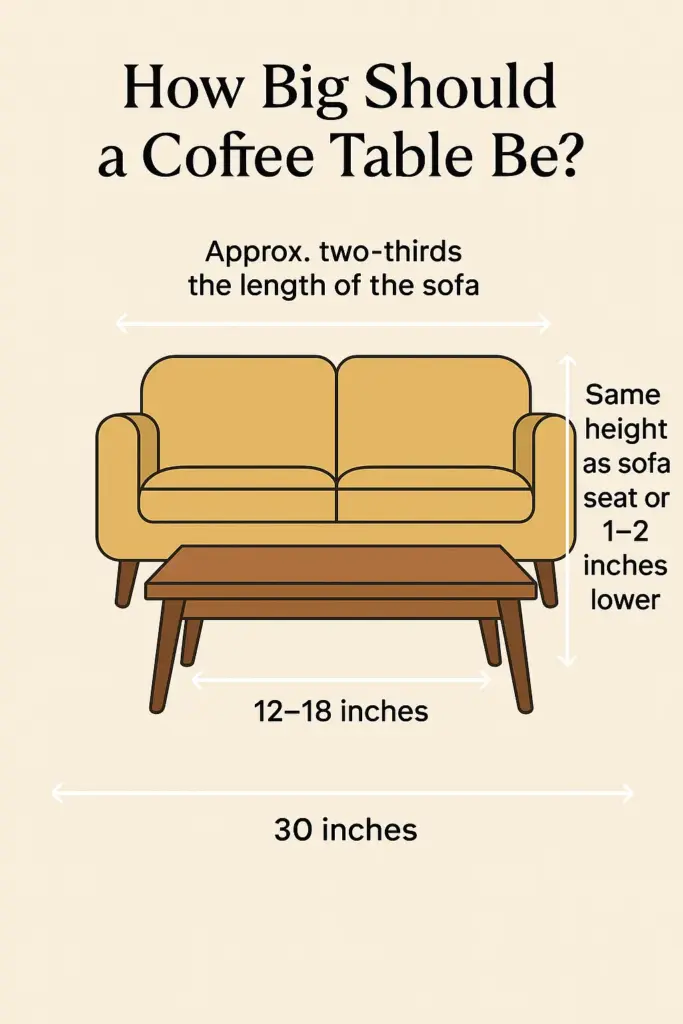
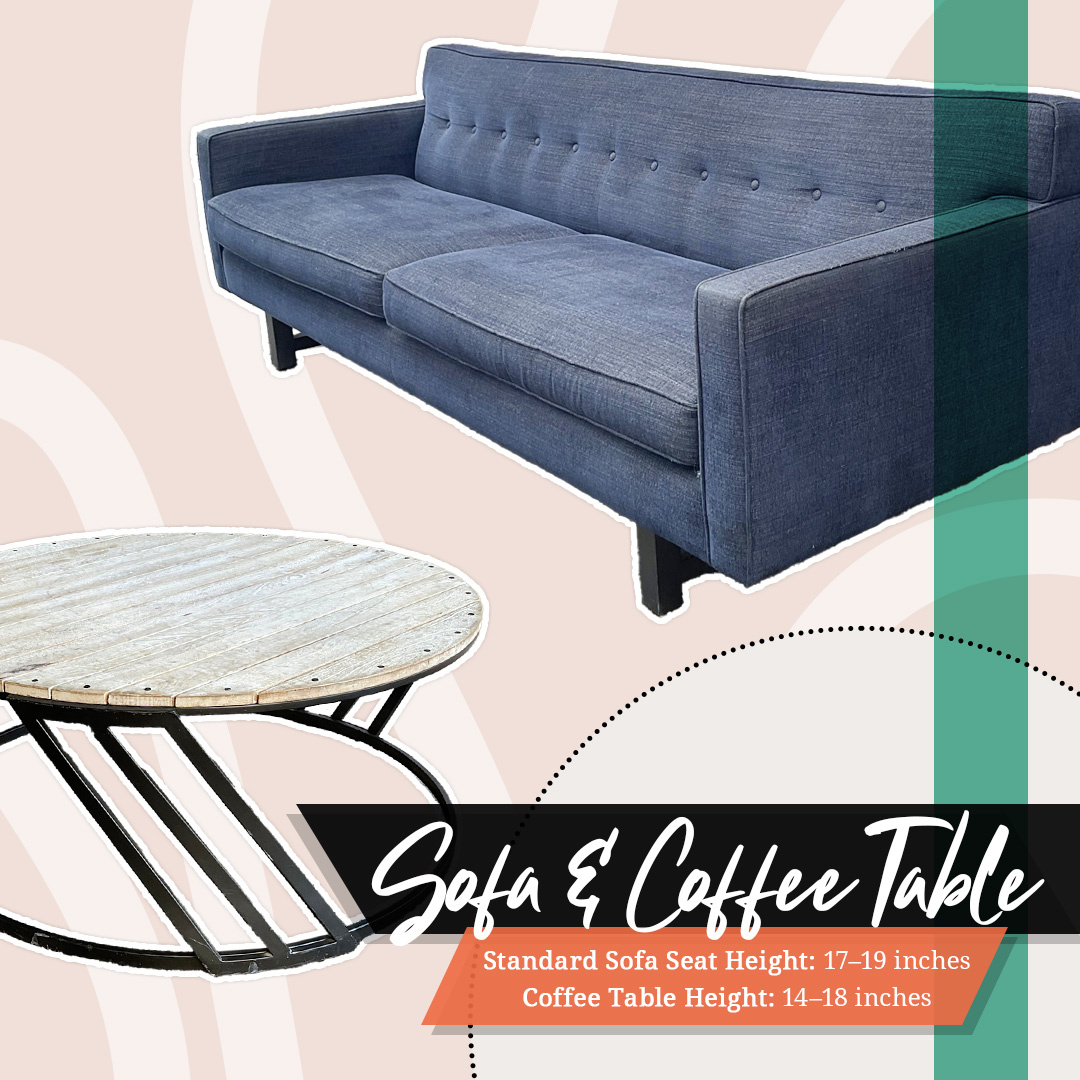
Most couches have a seat height ranging between 17 to 19 inches from the floor. This height allows for comfortable seating and easy access to a coffee table without straining. Knowing your couch’s exact seat height helps you pick a table that fits well in your living space.
Common Coffee Table Dimensions
Coffee tables usually range from 16 to 18 inches in height. This range suits most standard couches, creating a balanced look and feel. However, some tables can be as low as 14 inches or as high as 20 inches, depending on style and purpose.
Height Relationships
The general rule is that your coffee table should be the same height or slightly lower than the couch seat. Ideally, the table height should be 1 to 2 inches below the couch seat to avoid awkward reaching or bumping knees.
- If your couch seat is 18 inches high, a coffee table between 16 to 17 inches works best.
- A table taller than the seat height can feel intrusive and uncomfortable.
- A table too low might make it hard to reach items without leaning forward excessively.
Have you noticed how a perfectly matched coffee table height makes your living room feel more inviting? Try measuring your couch seat and test different table heights before buying. Small differences can have a big impact on your comfort.
Benefits Of Lower Coffee Tables
Choosing a coffee table lower than the couch offers several benefits. This design choice improves room aesthetics and comfort. It also creates a more open and inviting space. Understanding these benefits helps in making better furniture decisions.
Enhanced Visual Flow
Lower coffee tables keep the sightline clear across the room. They prevent blocking views, making spaces feel larger. This helps the room look neat and uncluttered. The eye moves smoothly from one area to another.
Comfort And Accessibility
A lower table allows easy reach without stretching or bending too much. It fits well with the couch height for natural arm movement. This makes placing or picking items easier and more comfortable. It also reduces strain during use.
Space Perception
Lower tables create a sense of openness in smaller rooms. They take up less visual space, making the area feel bigger. This helps avoid overcrowding and keeps the room balanced. The furniture arrangement appears more spacious and airy.
When Higher Coffee Tables Work
When considering coffee table height, most opt for lower options. Yet, higher coffee tables can offer unique benefits. They can complement certain design styles and meet specific functional needs. They also adapt well to various room layouts. Understanding these aspects can help you choose the right height.
Unique Design Styles
High coffee tables suit modern and eclectic designs. They can serve as a striking focal point. Tall tables add an unexpected element to traditional settings. Their height can make art pieces or decorations more prominent. Choose materials and finishes that match your decor theme.
Functional Needs
Higher coffee tables provide easy access while sitting or standing. They are ideal for activities like dining or working. Families may find them useful for board games or crafts. They offer better storage options with shelves or drawers. This makes them practical for small spaces.
Room Layout Considerations
Room layout impacts coffee table height choice. In open spaces, taller tables can define areas. They work well with high sofas or sectionals. They fill vertical space, adding balance to the room. Ensure they don’t block sightlines or pathways. Measure your space to ensure the table fits well.
Material And Style Choices
Choosing the right material and style for your coffee table plays a big role in how it complements your couch, especially when deciding if it should be lower than your seating. The material and design impact not only the look but also the feel and functionality of your living space. Let’s look closely at some key options to help you make a choice that fits your home perfectly.
Wood Vs Glass
Wood coffee tables bring warmth and a natural vibe to your room. They tend to be heavier and more durable, which means they can handle everyday use without much wear. If you like a cozy, inviting space, wood is a solid pick.
Glass tables, on the other hand, add a sleek and airy feel. They often make a room look larger because they don’t block visual space. However, glass can be fragile and might show fingerprints easily, so think about your lifestyle before choosing.
Modern Vs Traditional
Modern coffee tables usually have clean lines and simple shapes. They fit well in minimalist spaces and can make your couch stand out. If your couch is neutral, a modern table might add just the right amount of style without overwhelming.
Traditional tables often feature ornate details and classic shapes. They add character and can create a cozy, timeless look. Pairing a traditional table with a modern couch can create an interesting contrast that sparks conversation.
Color And Texture Impact
The color of your coffee table can either blend with your couch or create a striking contrast. Dark tables ground a space, while lighter colors can brighten it. Think about what mood you want in your living room—do you prefer calm or energy?
Texture adds another layer of interest. Smooth surfaces like polished wood or glass feel sleek, while rougher textures like reclaimed wood add rustic charm. Mixing textures can make your space feel balanced and dynamic.
Measuring For The Perfect Fit
Getting the right size for your coffee table compared to your couch can change how comfortable and functional your living space feels. Measuring carefully ensures the table fits both the style and scale of your seating area, making every moment more enjoyable. Let’s look at simple ways to get these measurements just right.
Using Tape And Rulers
Grab a tape measure or a ruler to check the height of your couch seat from the floor. Ideally, your coffee table should be about 2 to 4 inches lower than the couch seat height. This small difference allows easy reach without making you lean forward too much.
Measure the width and depth of the intended space too. You don’t want your coffee table to crowd the room or feel lost in a large space. Keeping at least 18 inches of walking space around the table usually works well.
Testing Comfort Levels
After measuring, try placing a temporary surface at the table’s planned height. Use a stack of books or a sturdy box to mimic the table. Sit on your couch and reach out—does it feel natural and comfortable?
Ask yourself if you can easily place and grab items without stretching or hunching. If it feels off, tweak the height or distance. Comfort is personal, so trust your own experience here.
Adjusting For Room Size
The size of your room should influence your coffee table choice too. In a small room, a lower and smaller table helps keep the space open and less cramped. Larger rooms can accommodate taller and wider tables without overwhelming the area.
Think about how the table works with other furniture pieces and traffic flow. Is there enough space for people to walk around freely? Adjust dimensions based on how you use your living room daily, not just on ideal measurements.
Credit: www.goodwooddc.com
Common Design Mistakes
Choosing the right coffee table height matters. Many make simple mistakes that affect the room’s look and feel. These errors can throw off balance and make the space less inviting. Avoiding common design mistakes helps create a comfortable and stylish living area.
Too Tall Or Too Short
A coffee table that is too tall can block views and feel awkward. It may hit your knees or make reaching drinks hard. Too short, and it looks lost or tiny next to the couch. The ideal height usually sits just below or level with the couch seat.
Ignoring Proportions
Size matters. A large couch needs a bigger table to match. A small table looks odd beside a wide sofa. Ignoring proportions makes the room feel unbalanced. Pick a coffee table that fits the size and style of your couch and room.
Overcrowding The Space
Too many items around or on the coffee table crowd the room. It blocks walking paths and makes the area feel tight. Leave enough space between furniture for easy movement. Keep the coffee table simple and functional to avoid clutter.
Expert Tips For Custom Tables
Custom coffee tables offer a unique chance to match your living space perfectly. Getting the height right can transform comfort and style in your room. Below are expert tips to help you create a table that fits your couch and lifestyle seamlessly.
Tailoring Height To Needs
Your coffee table’s height should make reaching for a drink or book effortless. Generally, tables that sit slightly lower than the couch seat work well, but what if your couch has unusually tall cushions?
Consider your daily habits. Do you lean forward often or stretch out on the sofa? A table that’s too low might cause you to hunch, while one too high can feel awkward. Try measuring the distance from your couch seat to your forearm when seated; this gives a practical guide to the ideal table height.
Blending With Other Furniture
Your coffee table shouldn’t stand alone visually. Its height and style need to complement side tables, TV stands, and even your chairs. Have you noticed how a mismatched height can disrupt a room’s flow?
Think about the relationship between your table and other pieces. If your side tables are taller, a slightly lower coffee table can create a balanced look. Using similar materials or colors can also tie everything together without the need for exact height matching.
Incorporating Storage
Adding storage to your coffee table can save space and keep your living area tidy. But how do you balance storage with the right height?
Design your table with drawers or open shelves that don’t interfere with legroom or comfort. For example, a lower table with pull-out drawers on the sides can offer storage without raising the surface height. Think about what you need to store and how often you access these items while seated.

Credit: porcheandco.com
Frequently Asked Questions
Why Should A Coffee Table Be Lower Than A Couch?
A coffee table should be lower to allow easy reach from the couch. It prevents spills and improves comfort while sitting. The height difference creates a balanced look and ensures the table doesn’t obstruct views or movement in the living space.
What Is The Ideal Coffee Table Height Compared To A Couch?
The ideal coffee table height is 1 to 2 inches lower than the couch seat height. This range provides easy access for placing drinks or items. It maintains visual harmony and ensures the table complements the couch without overpowering the space.
Can A Coffee Table Be The Same Height As A Couch?
While possible, a coffee table the same height as a couch can be uncomfortable. It may block leg space and cause awkward reaching. Typically, a slightly lower table enhances usability and the overall aesthetic of the living room.
How Does Coffee Table Height Affect Living Room Design?
Coffee table height influences both comfort and style in a living room. A lower table creates a relaxed vibe and smooth flow. It also emphasizes the couch as the focal point, helping to maintain a balanced and inviting seating area.
Conclusion
A coffee table should usually be lower than the couch. This helps you reach drinks and snacks easily. It also keeps the room looking balanced and neat. The right height makes your space feel cozy and comfortable. Remember, small details like this change the whole look.
Choose a table that fits well with your couch size. Simple and thoughtful choices create a nicer living area.



