
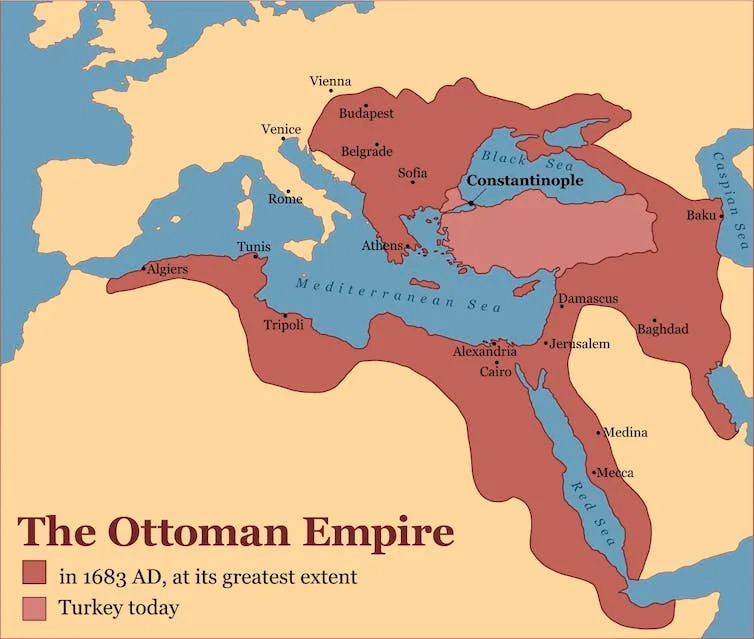
Have you ever wondered where the heart of the mighty Ottoman Empire truly beat? Knowing the capital of this powerful empire isn’t just about history—it reveals stories of culture, power, and change that shaped the world.
If you want to uncover the secrets behind the city that ruled vast lands and influenced millions, you’re in the right place. Keep reading, and you’ll discover more than just a name—you’ll unlock a fascinating chapter of history that connects the past to your present.
Credit: owlcation.com
Origins Of The Ottoman Empire
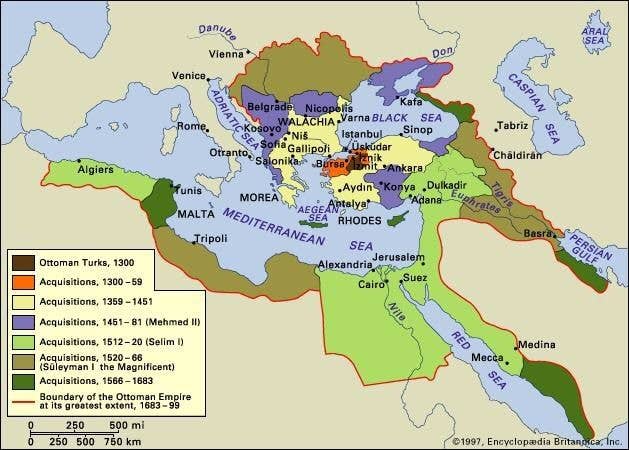
The Ottoman Empire began as a small state in northwest Anatolia. It grew from the ashes of the Seljuk Sultanate. A mix of Turkish tribes united under one leader. This unity helped the Ottomans form a strong base. Their location was key, bridging Asia and Europe. This position allowed trade and military advantages. The empire’s origins are rooted in tribal leadership and strategic conquests.
Early Beginnings And Expansion
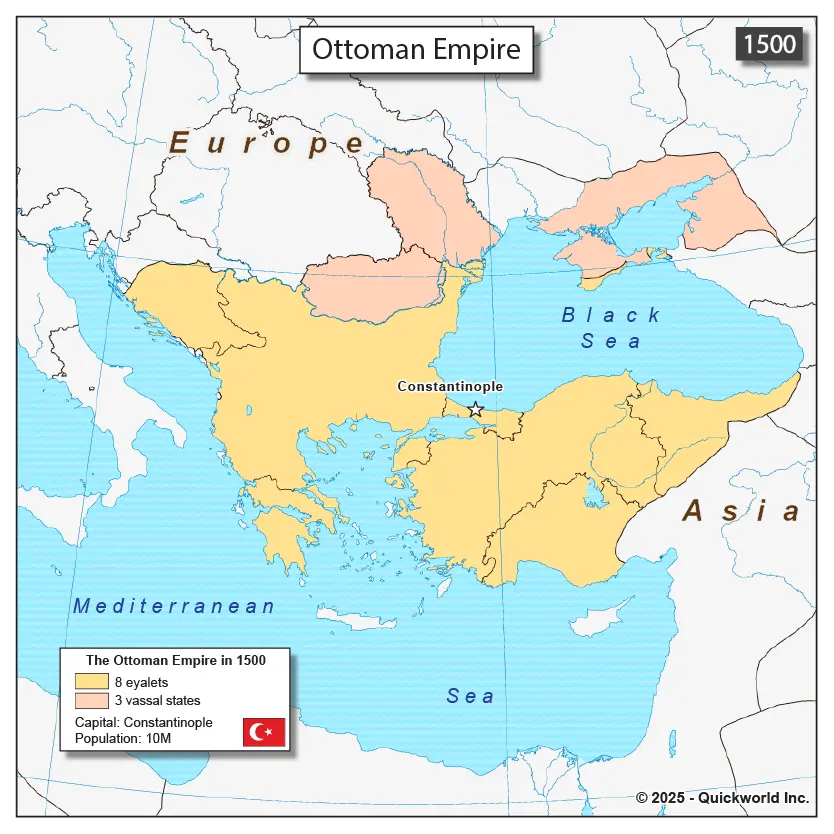
The empire started in the late 13th century. Osman I, the founder, led the early efforts. He united many Turkish clans. The early state focused on raids into Byzantine lands. These raids secured more territory and wealth. The Ottomans used fast, light cavalry for attacks. Their military tactics adapted to different battlefields. Expansion was steady, moving into Europe and Anatolia.
Rise Of A Powerful Dynasty
The Ottoman dynasty grew stronger with each ruler. Leaders like Orhan and Murad I expanded the state. They captured key cities and fortresses. The empire’s government and army became more organized. The use of Janissaries, elite soldiers, was crucial. The dynasty created a system to govern diverse peoples. This helped maintain control over large lands. The Ottoman family secured power through smart alliances and marriages.
Establishing The Capital
Establishing the capital of the Ottoman Empire was a strategic and evolving process. The empire began with several early capitals before settling on one that shaped its future. Choosing the right capital was crucial for political power, military strength, and trade control. This decision reflected the empire’s growth and ambitions.
Initial Capitals Before Istanbul
The Ottoman Empire first ruled from smaller cities. Bursa was the first major capital after the empire’s foundation. It served as a political and cultural center. Later, Edirne became the capital. This city was closer to Europe and helped the Ottomans expand westward. Both cities played key roles before the empire moved its capital again.
Reasons For Capital Selection
Choosing the final capital involved many factors. Istanbul, formerly Constantinople, was the ideal choice. Its location bridged Europe and Asia, making trade easier. The city had strong walls and natural defenses. Controlling Istanbul meant controlling important sea routes. It also symbolized the empire’s power and ambition. The city’s rich history added to its prestige.
Istanbul As The Empire’s Heart
Istanbul, once known as Constantinople, was the beating heart of the Ottoman Empire. Its strategic location bridged Europe and Asia, making it a vital hub. The city’s rich history and vibrant culture attracted traders, artists, and scholars. As the empire expanded, Istanbul remained its political and cultural center.
Conquest Of Constantinople
The Ottoman Empire conquered Constantinople in 1453. Sultan Mehmed II led this historic siege. The fall of the city marked the end of the Byzantine Empire. The Ottomans used advanced weapons, including cannons, to breach the walls. The conquest was a turning point in world history.
Transformation Into Ottoman Capital
After the conquest, Constantinople became the empire’s new capital. Mehmed II initiated rebuilding projects to restore the city. Mosques, palaces, and public buildings rose across Istanbul. The city’s infrastructure improved, attracting diverse populations. This transformation solidified its status as a major capital.
Political And Cultural Significance
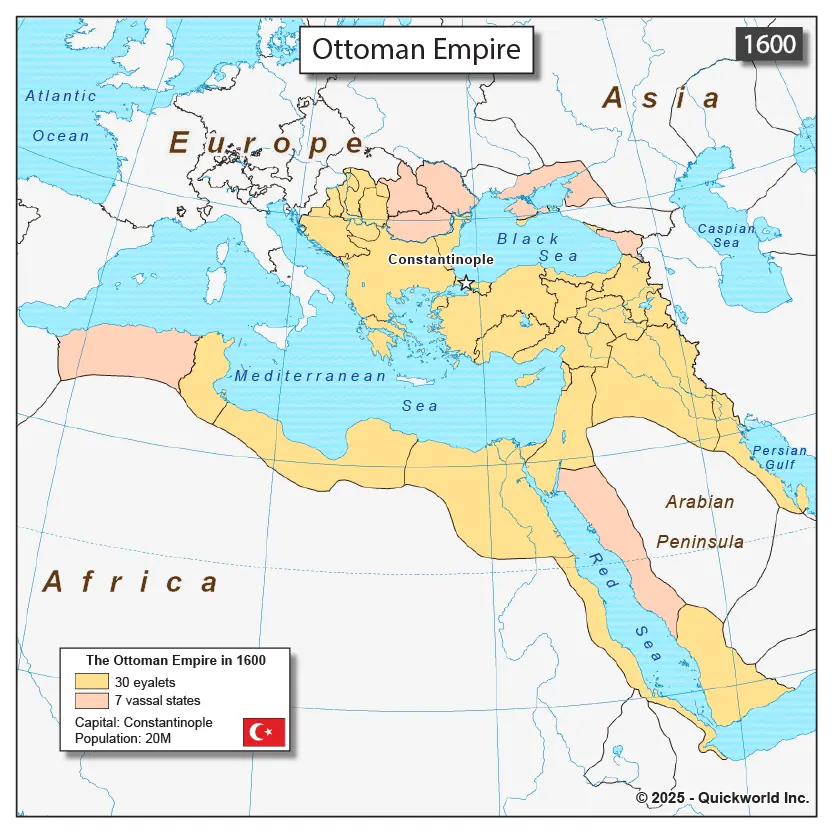
Istanbul served as the empire’s political powerhouse. The Sultan’s palace, Topkapi, was the administrative center. It housed government officials and foreign ambassadors. The city’s location facilitated trade between continents. Culturally, Istanbul was a melting pot of ideas and traditions. Its grand architecture and art reflected the empire’s glory.
Credit: en.quickworld.com
Architectural Marvels Of The Capital
The capital of the Ottoman Empire was a city rich in stunning architecture. Its buildings reflected the empire’s power and creativity. Many structures still stand today as symbols of its grand past. The architecture combined beauty with function, showing skill and artistry.
Palaces And Mosques
The city was home to magnificent palaces and mosques. Palaces served as royal residences and centers of government. They featured large courtyards, ornate decorations, and elegant rooms. Mosques were not only places of worship but also community hubs. They displayed tall minarets, large domes, and intricate tile work.
Famous examples include:
- Topkapi Palace with its sprawling grounds and detailed interiors
- Süleymaniye Mosque, known for its grand size and balanced design
- Blue Mosque, famous for its stunning blue tiles and six minarets
Public Spaces And Infrastructure
Public spaces were planned to serve many people. Markets, baths, and bridges played key roles in daily life. Large bazaars offered goods from across the empire. Public baths were places for relaxation and socializing. Bridges connected different parts of the city, easing travel and trade.
Some key features were:
- Grand bazaars with covered streets and many shops
- Hammams designed for comfort and cleanliness
- Stone bridges that blended beauty with strength
Economic Role Of The Capital
The capital of the Ottoman Empire, Istanbul, played a crucial economic role that shaped its rise and strength. Its bustling markets, thriving trade routes, and strategic position transformed it into a powerful hub of commerce and wealth. Understanding this economic role helps you appreciate how cities influence empires and the modern world.
Trade And Commerce
Istanbul was the heart of trade in the Ottoman Empire. Goods like silk, spices, and textiles flowed through its markets daily, connecting Asia and Europe. This constant exchange created wealth and jobs, attracting merchants from diverse cultures.
Think about how your city’s markets impact your daily life. Istanbul’s bazaars were not just places to buy items; they were centers of economic activity that supported artisans, traders, and the government.
Taxes collected from trade funded military campaigns and public works, showing how commerce directly supported the empire’s stability. Can you see how your spending habits contribute to your local economy in a similar way?
Strategic Location Advantages
Istanbul’s location on the Bosporus Strait gave it unmatched control over key trade routes between the Black Sea and the Mediterranean. This position allowed the empire to monitor and tax ships, increasing revenue.
The city connected continents and cultures, making it a melting pot of ideas and innovation. Its ports provided easy access for merchants and naval forces alike, boosting both commerce and defense.
Imagine living in a city that sits on a crossroads of the world. How would this affect your opportunities and challenges? Istanbul’s strategic location was a major factor in the empire’s economic success and longevity.
Capital’s Influence On Ottoman Society
The capital of the Ottoman Empire shaped the society in many ways. As the empire’s heart, it influenced culture, education, and daily life. Its role went beyond politics and military power. The capital was a meeting place for different people and ideas. This diversity created a unique social environment. The city’s institutions supported learning and the arts. These factors combined to build a strong Ottoman identity.
Cultural Diversity And Population
The capital was home to many ethnic and religious groups. Turks, Greeks, Armenians, Jews, and Arabs lived together here. This mix brought rich traditions and customs. Markets were full of various goods and languages. People celebrated different festivals and shared stories. The city’s architecture reflected this blend with mosques, churches, and synagogues. This diversity helped the empire stay flexible and open to new ideas.
Education And Arts
Schools and libraries thrived in the capital. Madrasas taught religion, science, and literature. Scholars from across the empire came to study here. The city supported painters, poets, and musicians. Artworks combined Ottoman styles with influences from other cultures. Calligraphy and architecture reached new heights. These achievements made the capital a cultural beacon in the region.
Legacy Of The Ottoman Capital Today
The legacy of the Ottoman capital remains alive and vibrant today. Istanbul, the heart of the empire, preserves its rich history in many ways. Its cultural, architectural, and social influences continue to shape modern life. Visitors and locals alike witness the deep connection between past and present.
Modern Istanbul’s Historical Sites
Istanbul holds many Ottoman landmarks. These sites attract millions of tourists yearly. The Hagia Sophia, once a mosque, now a museum, showcases stunning architecture. The Topkapi Palace reflects the grandeur of Ottoman rulers. The Blue Mosque amazes with its intricate tile work and design.
Many smaller mosques, fountains, and bazaars still stand. These places tell stories of daily life centuries ago. Walking through Sultanahmet district feels like stepping back in time.
Impact On Contemporary Culture
Ottoman culture influences Istanbul’s art, music, and cuisine. Traditional crafts like carpet weaving and calligraphy thrive. Turkish tea culture and street food connect to Ottoman customs. Music blends old instruments with new styles.
The city’s diverse population reflects centuries of Ottoman tolerance. Language and literature also carry Ottoman traces. Istanbul remains a bridge between East and West, shaped by its imperial past.
Credit: en.quickworld.com
Frequently Asked Questions
What Was The Capital Of The Ottoman Empire?
The capital of the Ottoman Empire was Constantinople. It was renamed Istanbul after the Ottoman conquest in 1453. Istanbul remained the political and cultural center until the empire’s end.
Why Was Constantinople Important To The Ottomans?
Constantinople was strategically located between Europe and Asia. It controlled key trade routes and had strong defenses. This made it vital for the Ottoman Empire’s power and expansion.
When Did Istanbul Become The Ottoman Capital?
Istanbul became the Ottoman capital in 1453. This occurred after Sultan Mehmed II captured Constantinople from the Byzantine Empire. It marked a major turning point in Ottoman history.
Did The Ottoman Empire Have Other Capitals Before Istanbul?
Yes, the Ottomans initially had capitals in Bursa and Edirne. These cities served as early administrative centers before Constantinople became the permanent capital.
Conclusion
The capital of the Ottoman Empire was Istanbul. It served as the empire’s heart for centuries. This city held great power and culture. Knowing this helps us understand history better. The Ottoman Empire shaped many parts of the world. Istanbul still shows its rich past today.
Learning about old capitals connects us to history. History becomes clearer when we know key places. The story of Istanbul is the story of the empire. Keep exploring to discover more about the past.



