
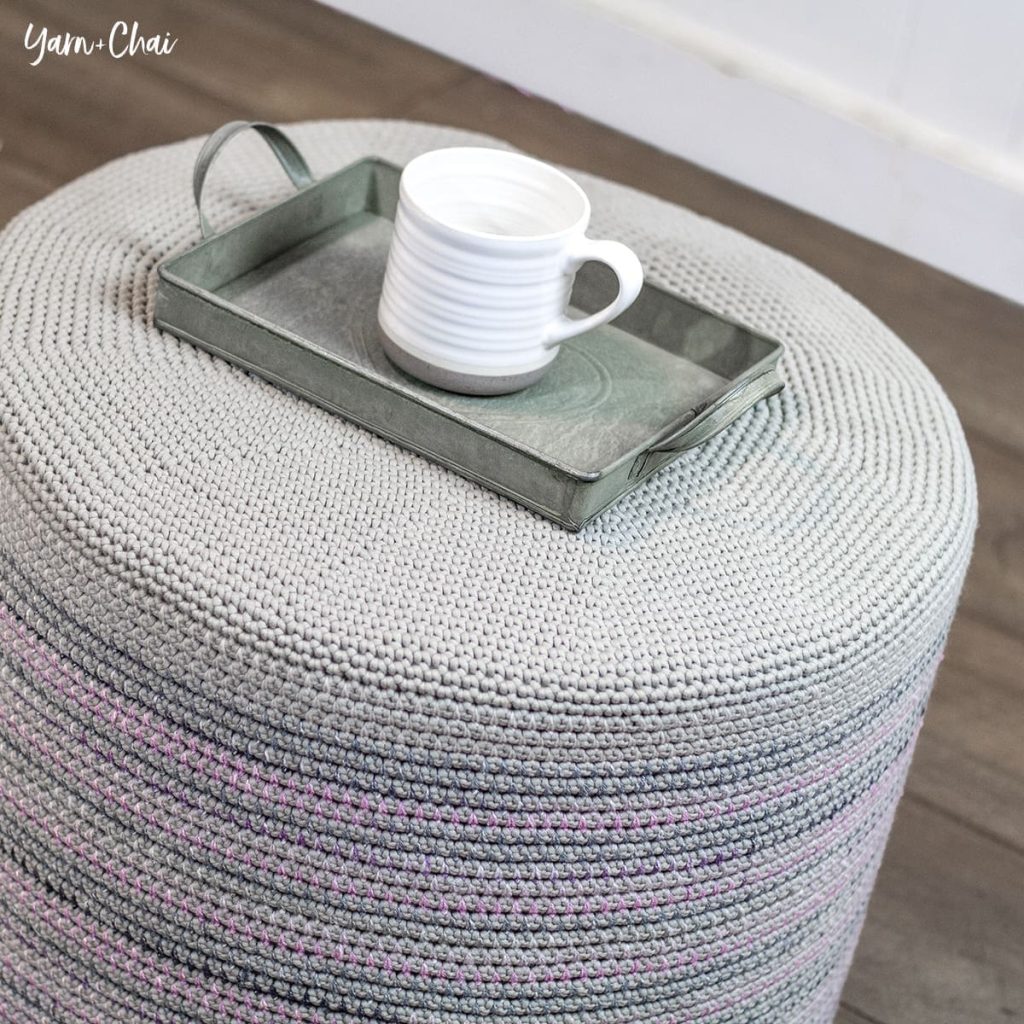
Looking to add a cozy, stylish touch to your living space? A big floor pouf is the perfect solution.
It’s comfortable, versatile, and surprisingly easy to make yourself. Imagine having a soft, roomy spot to relax, put your feet up, or even entertain guests—all crafted by your own hands. In this guide, you’ll discover simple steps and insider tips to create a pouf that fits your style and space perfectly.
Ready to transform your room with a personalized pouf? Let’s get started!
Materials Needed
Gathering the right materials is the first step to creating a big floor pouf that fits your style and comfort needs. Choosing quality fabrics, suitable filling, and the right tools will make the project smoother and the final product more durable. Let’s break down exactly what you need to get started.
Fabric Choices
Pick a fabric that matches your room’s vibe and can handle daily use. Thick cotton, canvas, or denim are excellent for durability and ease of cleaning. If you want something softer, consider upholstery velvet or linen blends, but remember these might require more care.
Think about color and pattern too. Solid colors are versatile, while bold prints can become a statement piece. Would you prefer a texture you can feel or a smooth surface? Your choice affects both comfort and style.
Filling Options
How firm or squishy do you want your pouf? Polyfill stuffing is lightweight and soft, ideal if you want a cushy pouf. For a sturdier feel, try foam chunks or a combination of foam and fiberfill to keep shape without losing comfort.
Another option is using recycled materials like old clothes or fabric scraps, which saves money and reduces waste. Just make sure the filling is clean and evenly distributed to avoid lumps. What kind of support do you want when you sit or rest your feet?
Tools And Accessories
Having the right tools makes the sewing process easier and your pouf more polished. You’ll need a sewing machine for faster stitching, but hand sewing is fine for small details. Sharp fabric scissors, measuring tape, and pins are essential for accurate cuts and assembly.
Don’t forget a zipper or strong buttons if you want a removable cover for easy washing. A fabric marker or chalk helps mark cutting lines clearly. What tools do you already have, and which will you need to pick up before starting?
Choosing The Right Size
Choosing the right size for your big floor pouf is key to making it both functional and stylish. A pouf that’s too large can crowd your room, while one that’s too small might feel lost or less comfortable. Taking the time to measure and decide on dimensions ensures your pouf fits perfectly and meets your needs.
Measuring Your Space
Start by checking the area where you want to place your pouf. Use a tape measure to note the length and width of the available floor space. Remember to leave enough room around the pouf so people can move easily without bumping into it.
Think about how the pouf will interact with other furniture. Is it going next to a couch or in an open corner? Measure distances between existing pieces to avoid overcrowding.
Ask yourself: How much space do you want the pouf to occupy? Sometimes, smaller spaces benefit from poufs under 24 inches in diameter, while larger rooms can handle poufs reaching 36 inches or more.
Deciding Pouf Dimensions
Once you know your space, decide on the pouf’s height and width. The ideal height usually matches the seat height of your sofa or chair, making it easy to use as extra seating or a footrest.
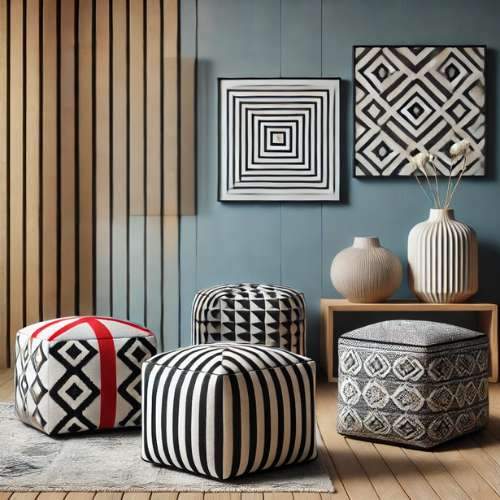
Consider the pouf’s shape, too. Round poufs often feel less imposing in tight spaces, while square or rectangular shapes can provide more surface area for sitting or resting items.
Think about how many people might use the pouf at once. If you want it as a central piece for gatherings, choose a larger size so multiple people can sit comfortably.
Remember, your pouf should invite relaxation without overwhelming your room. How will you balance comfort with space?
Cutting The Fabric
Choose fabric that suits your room style and measure carefully before cutting. Use sharp scissors to cut the pieces neatly for a clean finish. Ensure accuracy to make sewing easier and your pouf look great.
Cutting the fabric for your big floor pouf is a thrilling step that brings your project closer to life. It’s where your vision starts to take shape, and each snip of the scissors is a step toward creating something both functional and stylish. However, precise cutting is crucial to ensure that your pouf fits together seamlessly. Let’s dive into how you can achieve that with ease and confidence.Creating Patterns
Before you cut, it’s essential to create a reliable pattern. This pattern acts as your blueprint, guiding you as you cut the fabric. Use kraft paper or old newspapers to sketch out the dimensions of each piece. A typical big floor pouf might require six panels, each cut to the same size for a symmetrical shape. Double-check your measurements and ensure they fit the desired size of your pouf. Wouldn’t it be a shame to cut all your pieces only to find they’re off by a few inches?Cutting Tips
Now that you have your pattern, it’s time to cut the fabric. Use sharp fabric scissors to ensure clean edges and avoid fraying. Place your fabric on a flat surface and pin your pattern pieces securely to prevent slipping. Make sure you cut along the lines precisely. It might help to use a fabric marker to outline the pattern on the fabric first. Have you ever noticed how much easier it is to follow a line when it’s clearly marked? For added accuracy, cut one layer of fabric at a time, especially if you’re working with thick materials. This might take a bit longer, but it ensures each piece is cut to perfection. As you cut, keep your scissors close to the table, opening and closing them in long, smooth strokes. This technique helps maintain a straight line and gives your pouf a professional finish. By following these steps, you’ll have perfectly cut fabric, setting a solid foundation for assembling your big floor pouf. What creative ideas do you have for personalizing your pouf with unique fabric choices?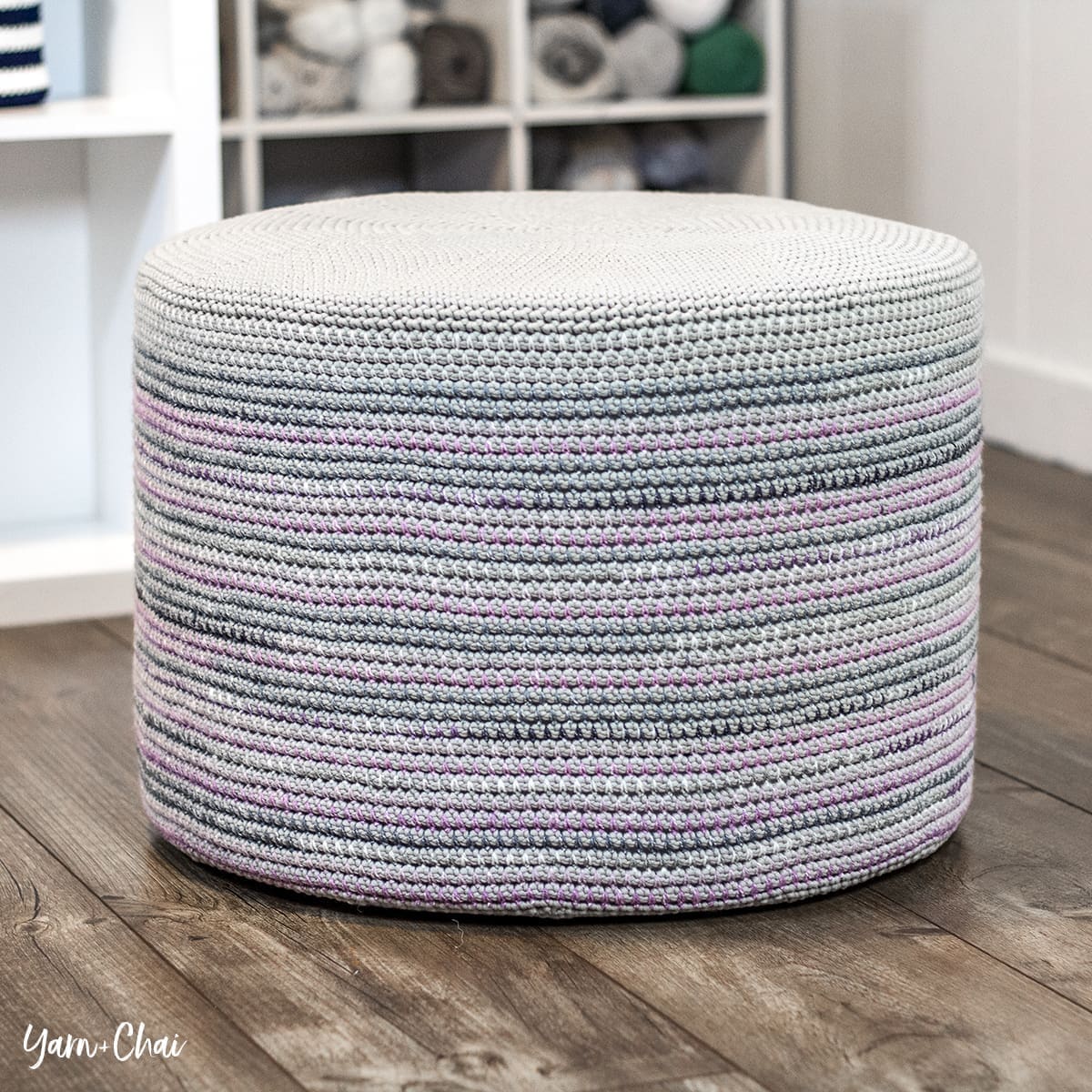
Credit: yarnandchai.com
Sewing The Pouf
Sewing the pouf is where your project begins to take shape. It’s essential to focus on strong seams and precise measurements to ensure your pouf holds up well over time. Whether you’re a sewing novice or have some experience, careful stitching makes all the difference in both durability and appearance.
Stitching Techniques
Choose a sturdy stitch like a straight stitch or a reinforced stitch to keep your pouf durable. Use heavy-duty thread that matches your fabric color to blend the seams smoothly. If your fabric is thick, a walking foot on your sewing machine can help feed the layers evenly without puckering.
Double stitching the edges adds extra strength. I learned this the hard way after my first pouf started to show wear at the seams. Adding a second line of stitching prevents any unexpected rips when you sit down or lean on it.
Adding Zippers Or Closures
Including a zipper or another closure makes your pouf much easier to clean and refill. A hidden zipper along one side keeps the look sleek while allowing easy access to the stuffing inside. Choose a zipper length that matches the size of your pouf panel for a smooth fit.
If you prefer not to use a zipper, consider strong Velcro strips or snap buttons as alternatives. These can be easier to sew and still provide convenient access. Ask yourself how often you’ll need to remove the cover – this will help you decide which closure works best for your lifestyle.
Stuffing The Pouf
Stuffing the pouf is a key step that shapes its comfort and style. The right filling makes it soft yet supportive. It also helps the pouf keep its shape over time. Choosing and layering the right materials creates a pouf that feels just right.
Filling For Firmness
Firmness depends on the type of filling you use. Foam beads provide a firm, bouncy feel. Polyester fiberfill offers a softer, plush touch. You can also use shredded foam for medium firmness. Consider how you want to sit on the pouf. A firmer fill suits sitting and resting feet. Softer fill works well for lounging and cuddling.
Layering Fill Materials
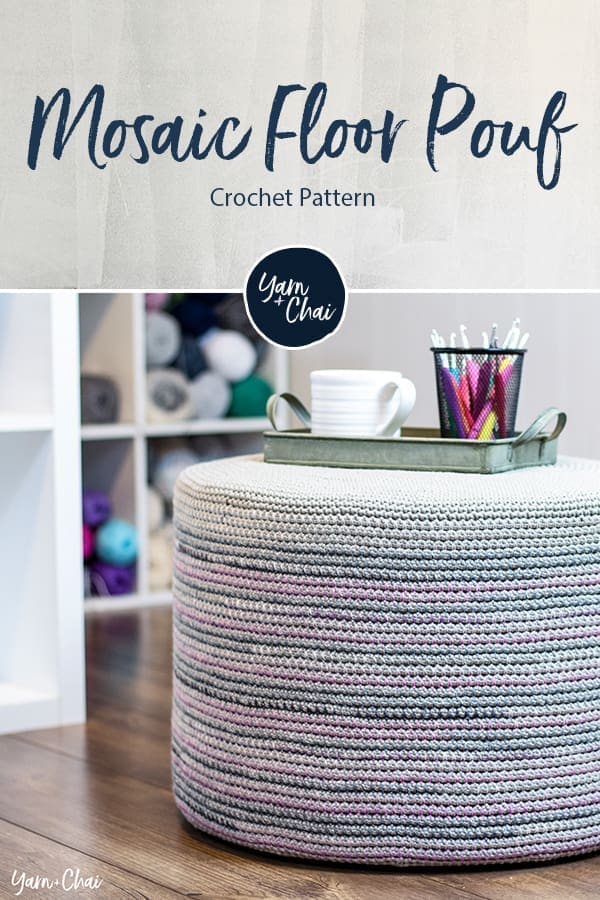
Layering different materials improves comfort and durability. Start with a base layer of foam beads for support. Add a middle layer of shredded foam for softness. Top with polyester fiberfill to smooth the surface. This mix balances firmness and softness well. It also reduces lumps and uneven spots. Layering extends the pouf’s life and keeps it cozy.
Credit: yarnandchai.com
Finishing Touches
Finishing touches bring your big floor pouf from basic to beautiful. They ensure durability while reflecting your personal style. Paying attention here can make your pouf a standout piece in your living space.
Securing Seams
Strong seams keep your pouf intact, especially since it will get plenty of use. Use a heavy-duty needle and thick thread or upholstery thread to sew all edges securely.
Double stitching is a simple trick that adds extra strength. You can also reinforce corners with small fabric patches inside to prevent wear and tear.
Have you checked if your seams can handle a bit of rough handling? Test by gently tugging the fabric; if it feels weak, sew over it again for peace of mind.
Decorative Elements
Adding decorative touches can make your pouf uniquely yours. Consider attaching chunky tassels or pompoms at the corners for a playful vibe.
Embroidery or fabric paint lets you customize patterns or write inspiring words. If you love texture, sew on buttons or fabric patches in contrasting colors.
Think about what style fits your room. Would bold colors energize your space, or would subtle neutrals keep it calm? Your pouf can be a creative outlet as well as a comfy seat.
Care And Maintenance
Taking care of your big floor pouf is key to keeping it looking fresh and comfy for years. Simple maintenance routines can extend its life and keep it inviting. Let’s look at some easy ways to clean and maintain its shape so it stays your favorite spot to lounge.
Cleaning Tips
Regular cleaning prevents dirt buildup and keeps your pouf smelling fresh. Use a vacuum with a brush attachment to gently remove dust and crumbs from the surface. Spot clean stains right away using a mild detergent mixed with water—dab the stain instead of rubbing it to avoid spreading.
If your pouf has a removable cover, check the care label for washing instructions. Often, covers can be machine washed on a gentle cycle or hand washed. Air dry the cover to prevent shrinking or damage.
For poufs without removable covers, consider using fabric-safe upholstery cleaners. Test any cleaner on a small hidden area first to ensure it doesn’t discolor the fabric. How often do you clean your pouf? Regular attention can prevent tough stains later.
Maintaining Shape
A big floor pouf can lose its shape after frequent use, but you can easily fix this. Give it a good fluff and pat down regularly to redistribute the filling. This helps avoid lumps and keeps the pouf comfortable.
If you notice your pouf is sagging, add extra stuffing like foam beads or polyester fiberfill. This is a simple fix to restore firmness without buying a new pouf. Rotate the pouf’s position occasionally so one side doesn’t wear out faster than the others.
How often do you adjust the filling or fluff your pouf? Small habits like these make a big difference in comfort and appearance over time.
Credit: www.reasonstoskipthehousework.com
Frequently Asked Questions
What Materials Are Needed To Make A Big Floor Pouf?
To make a big floor pouf, you need fabric, stuffing, a sewing machine, scissors, and thread. Choose durable fabric and soft stuffing for comfort and longevity. Optional materials include a zipper or buttons for easy refilling.
How Much Fabric Do I Need For A Large Floor Pouf?
You typically need 2 to 3 yards of fabric, depending on pouf size. Measure your desired pouf diameter and height to calculate fabric accurately. Extra fabric ensures enough coverage and seam allowance.
Can I Stuff A Floor Pouf With Old Clothes?
Yes, old clothes can be used as stuffing if clean and soft. Mix with foam or batting for added comfort and shape. Avoid materials that may cause lumps or discomfort.
How Do I Sew A Round Floor Pouf Correctly?
Cut fabric in circular or hexagonal panels for a round shape. Sew panels together inside out, leaving an opening for stuffing. Turn right side out, fill, then stitch the opening closed securely.
Conclusion
Making a big floor pouf is easier than you think. You only need a few materials and steps. This project adds comfort and style to any room. Plus, it gives you a cozy place to sit or rest your feet.
Try making your own pouf and enjoy a fun, creative activity. It’s a simple way to brighten your home without much cost. Give it a try and see how nice your space can feel.



