
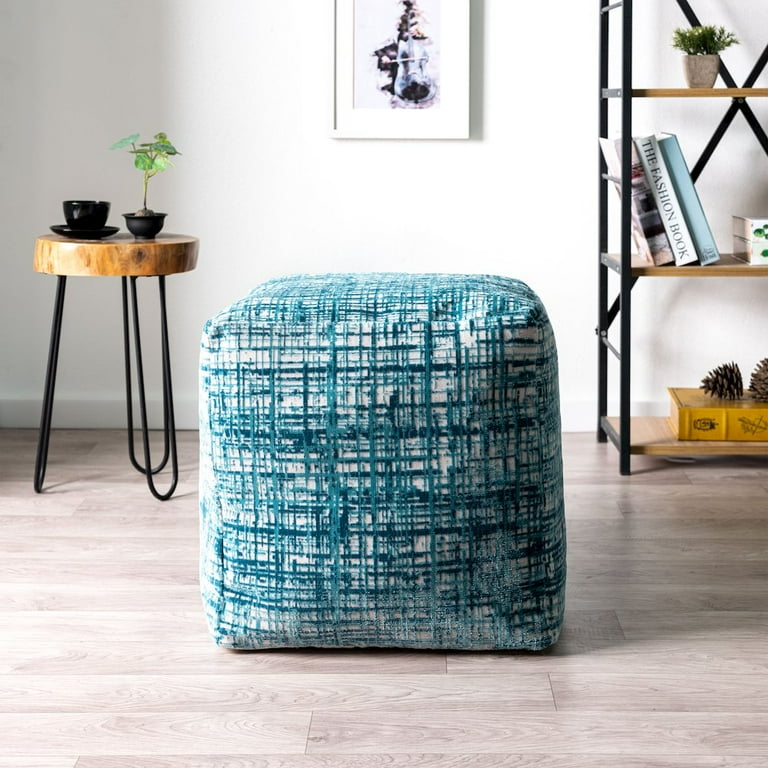
Are you ready to add a cozy, stylish touch to your living space? Learning how to sew an 18 inch pouf is easier than you think, and it’s a perfect project even if you’re new to sewing.
Imagine having a soft, custom-made pouf that matches your decor and provides extra seating or a comfy footrest. In this guide, you’ll discover simple steps that make the process fun and rewarding. Keep reading, and by the end, you’ll have all the tips and tricks to create your own beautiful pouf that everyone will admire.
Materials Needed
Gathering the right materials is essential before you start sewing your 18 inch pouf. The choices you make here affect the final look, feel, and durability of your project. Let’s break down what you need to get started and how to pick the best options for your sewing journey.
Fabric Selection
Choosing the right fabric sets the tone for your pouf’s style and function. Look for sturdy materials like canvas, denim, or upholstery fabric that can handle everyday use. Soft cotton or linen work well if you prefer a lighter look but remember they might not last as long under heavy use.
Think about the texture too—do you want something smooth or more rugged? Also, consider patterns and colors that will complement your space. Have you checked if your fabric is easy to clean? This small detail can save you headaches later.
Filling Options
The filling determines how firm or squishy your pouf feels. Common choices include polyester fiberfill, foam beads, or shredded foam. Polyester fiberfill is fluffy and affordable, making it a favorite for beginners.
If you want more support, foam beads or upholstery foam provide better shape retention. You can even mix fillings to get the perfect balance. What kind of comfort do you want your pouf to offer—soft and cozy or firm and supportive?
Sewing Tools
Having the right tools will make your sewing experience smoother and more enjoyable. Essential items include a sewing machine, sharp fabric scissors, pins or clips, and a measuring tape. Don’t forget matching thread that blends well with your fabric.
A seam ripper can be a lifesaver if you make mistakes, and a hand needle is handy for closing the final opening after stuffing. Do you have a comfortable workspace set up? Organizing your tools within reach can speed up your project.
Measuring And Cutting Fabric
Measuring and cutting fabric correctly is a critical step when sewing an 18-inch pouf. Accuracy here saves you from frustrating mistakes later. Taking your time to measure precisely and cut cleanly will make your sewing process smoother and your finished pouf look professional.
Determining Dimensions
Start by confirming the size of your pouf. Since the finished pouf is 18 inches, you need to add seam allowances to your fabric pieces. Usually, a ½ inch allowance on all sides works well.
For an 18-inch pouf, you’ll typically cut:
- Two 18 x 18 inch squares for the top and bottom
- One long rectangle for the side panel, measuring about 18 x 56 inches (18 inches high and the perimeter of the pouf’s circle)
Have you thought about the thickness of your fabric? Thicker fabrics might need a bit more allowance to accommodate seams. Double-check your fabric width and length before cutting to avoid running short.
Cutting Techniques
Sharp scissors or a rotary cutter can make a huge difference in your cutting accuracy. I learned this the hard way after struggling with dull scissors that caused jagged edges and uneven cuts.
Lay your fabric flat on a clean, hard surface. Use a ruler or measuring tape along with fabric chalk or a washable marker to mark your cutting lines clearly. Straight, confident cuts help ensure your pieces fit together without gaps or puckers.
Here are some tips to keep your cutting neat:
- Cut slowly along your marked lines to avoid mistakes
- Use pattern weights or pins to keep fabric from shifting
- Check measurements twice before cutting
Have you noticed how a small slip while cutting can throw off your entire project? Taking these simple precautions will keep your pouf looking sharp and well-made.
Sewing The Pouf Panels
Sewing the pouf panels is a key part of creating a sturdy and attractive pouf. The panels form the main body, shaping the pouf’s structure. Precise stitching ensures the pouf holds its shape well and looks neat. Take time to sew each piece carefully for a smooth finish.
Stitching The Sides
Start by placing the side panels right sides together. Pin the edges to keep fabric aligned. Sew along the edges using a straight stitch with a ½ inch seam allowance. Backstitch at the beginning and end for strength. Press seams open with an iron to reduce bulk. Check that the panels form a neat cylinder shape.
Creating The Top And Bottom
Next, prepare the top and bottom circles. Align the edges of the circles with the side panel cylinder. Pin them evenly, matching seams to avoid puckers. Sew carefully around the edges using the same seam allowance. Leave a small opening for stuffing. Press the seams towards the side panels for a clean edge. This step completes the basic pouf shell.

Credit: cghunter.com
Assembling The Pouf
Cut fabric pieces carefully and pin them together to prepare for sewing. Sew along the edges, leaving a small opening for stuffing. Finally, fill the pouf with stuffing and sew the opening closed for a neat finish.
Assembling the pouf involves connecting fabric pieces to form a cohesive shape. It’s crucial to keep your stitches neat and your seams aligned. This ensures a sturdy and visually appealing pouf. Let’s dive into the key steps of assembling your 18-inch pouf.Joining Panels
Start by aligning two fabric panels, right sides together. Pin them along the edges to hold them in place. Sew along the pinned edge using a straight stitch. Keep a consistent seam allowance for a neat finish. Repeat this process for all panels, forming a circular shape. Press seams open to reduce bulk. This will help the pouf sit flat.Leaving An Opening For Filling
While sewing the last seam, leave a gap. This opening allows you to fill the pouf. Secure the edges of the opening with backstitches. This prevents the seams from unraveling. Make sure the opening is large enough for your hand. Once filled, you’ll need to close this gap. Ensure the rest of the seams are secure.Filling The Pouf
Filling your 18 inch pouf is a crucial step that affects both its comfort and durability. The right stuffing can make your pouf feel cozy and supportive, while the wrong one might leave it flat and uncomfortable. Let’s dive into how to choose the best stuffing and some handy tips to get that perfect plush feel.
Choosing The Right Stuffing
Think about how you plan to use your pouf. Will it be a footrest, extra seating, or just a decorative piece? This helps decide the type of stuffing you need.
- Polyester Fiberfill:Soft and lightweight, great for a fluffy look but may compress quickly.
- Foam Pieces:Offers firm support, ideal if you want a pouf that keeps its shape.
- Bean Bag Beads:Provide flexibility and mold to your body, but can shift around inside.
- Old Clothes or Fabric Scraps:Eco-friendly and budget-wise, but might not feel as smooth or even.
In my own experience, combining polyester fiberfill with small foam chunks gave the best balance of softness and shape retention. What kind of feel do you want for your pouf?
Filling Tips For Comfort
Don’t just dump the stuffing in. Add it gradually and test the feel often. This helps you avoid overstuffing or ending up too flat.
- Start by loosely filling the pouf to about half its volume.
- Press down gently to see how much it compresses under weight.
- Add more stuffing in small amounts until you reach your desired firmness.
Consider layering different stuffing types for extra comfort. For example, a base of foam with a top layer of fiberfill feels plush yet supportive. Have you tried mixing stuffing materials before? It might be the trick to get your pouf just right.
Finishing Touches
The finishing touches bring your 18 inch pouf to life. This stage ensures the pouf looks neat and feels comfortable. Small details make a big difference in the final product. Let’s explore how to close the opening and add decorative elements.
Closing The Opening
After stuffing the pouf, you need to close the opening securely. Hand stitching works best for a clean finish. Use a needle and thread that matches the fabric color. Sew small, tight stitches along the edge to keep the stuffing inside.
Try a ladder stitch for an invisible seam. This stitch hides the thread between fabric edges. Pull the thread gently to close the gap without puckering the fabric. Tie a strong knot to finish and trim any excess thread.
Adding Decorative Elements
Decorations add personality and style to your pouf. Choose simple designs to keep it elegant. Consider sewing on buttons, tassels, or fabric appliques. These elements give your pouf a unique look.
Use fabric glue or hand stitching to attach decorations securely. Place them evenly to maintain balance. Pick colors that match or contrast nicely with the pouf fabric. This step turns your pouf into a charming home accessory.
Care And Maintenance
Proper care and maintenance keep your 18 inch pouf looking fresh and lasting long. Regular cleaning and timely repairs prevent small issues from becoming big problems. Simple steps help maintain the fabric and structure effectively.
Cleaning Tips
- Vacuum the pouf regularly to remove dust and dirt.
- Use a soft brush attachment to avoid damaging the fabric.
- Spot clean stains immediately with a mild detergent and water.
- Test cleaning solutions on a hidden area first to check for color fastness.
- Allow the pouf to air dry completely before use.
- Avoid using harsh chemicals or bleach on the fabric.
- For removable covers, follow the washing instructions carefully.
Repairing Minor Damages
- Check seams regularly for loose threads or small tears.
- Sew loose seams using a needle and thread that matches the fabric color.
- Patch small holes with fabric scraps glued or sewn underneath.
- Trim frayed edges to prevent further unraveling.
- Replace worn-out stuffing to maintain shape and comfort.
- Use fabric glue for quick fixes on minor rips.
- Keep repair tools handy for easy maintenance.

Credit: www.simpli-home.com

Credit: www.youtube.com
Frequently Asked Questions
What Materials Do I Need To Sew An 18 Inch Pouf?
You need fabric, stuffing, thread, scissors, pins, and a sewing machine. Choose sturdy fabric for durability. Polyester fiberfill or foam works well for stuffing.
How Do I Cut Fabric Pieces For The Pouf?
Cut two 18-inch diameter circles and a long rectangle for the sides. The rectangle’s length equals the circle’s circumference plus seam allowance. Mark and cut precisely for a neat finish.
What Sewing Techniques Are Best For Pouf Assembly?
Use straight stitches for seams and backstitch at the start and end. Sew the side rectangle to the circles carefully. Reinforce seams to handle the pouf’s weight and use a zipper if you want removable covers.
How Do I Stuff The Pouf Evenly?
Fill the pouf gradually, distributing stuffing evenly. Avoid overstuffing to maintain shape. Use small amounts at a time and adjust as needed for a firm but comfortable pouf.
Conclusion
Sewing an 18 inch pouf can be a fun and rewarding project. You only need basic materials and simple steps. Take your time and follow each instruction carefully. Soon, you will have a cozy pouf to use at home. This project also helps improve your sewing skills.
Try different fabrics to match your style. Enjoy making something useful with your own hands. Keep practicing, and sewing will become easier. Simple projects like this build confidence and creativity. Happy sewing!



