
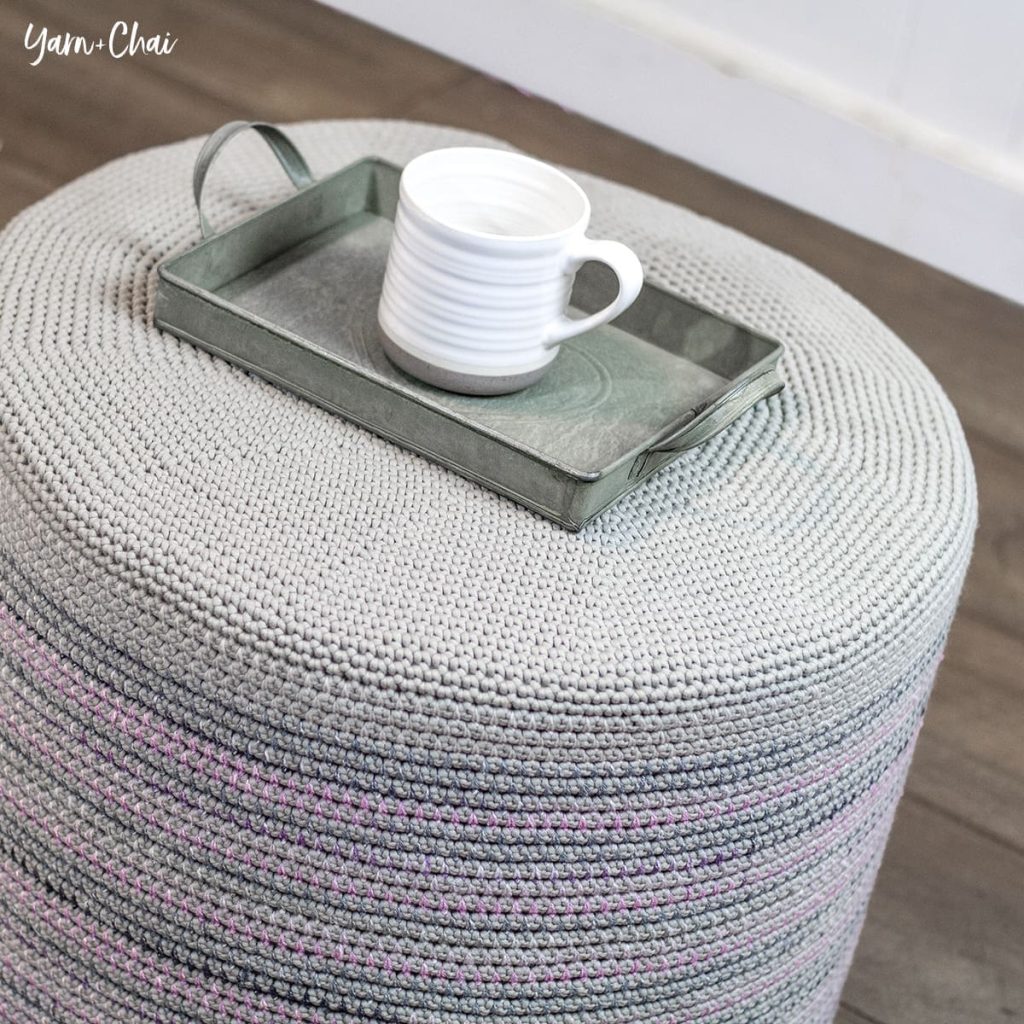
Are you looking to add a cozy, stylish touch to your living space without spending a fortune? Making your own pouf ottoman is easier than you think, and it’s a fun way to express your creativity.
Imagine having a soft, comfy seat or a footrest that matches your style perfectly. In this guide, you’ll discover simple steps and handy tips to create a pouf ottoman that fits your home and your budget. Ready to transform your space with a DIY project you’ll love?
Let’s get started!
Materials Needed
Gathering the right materials is key to making a pouf ottoman that looks great and lasts long. Choosing quality supplies can save you time and effort during the project and ensure your finished pouf is comfortable and durable. Let’s break down what you’ll need to get started.
Fabric Choices
Your fabric sets the tone for your pouf ottoman’s style and durability. Think about where you’ll use it—indoors or outdoors—and pick a fabric that suits that environment.
- Canvas or denim:Tough and easy to clean, perfect for heavy use.
- Velvet or chenille:Soft and cozy, great for adding a touch of luxury.
- Leather or faux leather:Durable and sleek, ideal if you want a modern look.
- Outdoor fabric:Water-resistant and UV-protected for patio use.
Choosing a fabric with a tight weave will help it hold up better over time. Have you ever picked a fabric that faded or tore quickly? Learning from those experiences can help you select the best option now.
Filling Options
The filling affects both the comfort and shape of your pouf. You want something that provides support but still feels soft under your feet or when you sit.
- Polyester stuffing:Lightweight and easy to shape, commonly used for plush poufs.
- Foam cubes or shredded foam:Holds shape well and offers firm support.
- Old clothes or fabric scraps:A budget-friendly, eco-conscious choice.
- Bean bag beads:Provide a flexible, moldable feel but can shift around.
Try combining different fillings to achieve the right balance of softness and firmness. Have you thought about how you want your pouf to feel when you use it?
Tools Required
Having the right tools makes the sewing and assembly process smoother and faster. Make sure you have everything on hand before you start.
- Sewing machine:Speeds up stitching and creates strong seams.
- Scissors or rotary cutter:Sharp cutting tools for clean fabric edges.
- Measuring tape:Essential for accurate fabric cuts.
- Pins or clips:Hold fabric pieces together securely while sewing.
- Needle and thread:For hand-stitching details or closing openings.
- Fabric marker or chalk:Marks cutting lines without damaging fabric.
Have you checked if your sewing machine needs new needles or a cleaning before starting? Small prep steps like that can save frustration later.
Choosing The Right Size
Choosing the right size for your pouf ottoman is key to its comfort and style. It should fit well in your space without crowding the room. The perfect size balances usability and looks. Measuring and selecting dimensions carefully helps achieve this balance.
Measuring Your Space
Start by measuring the area where you want to place the pouf ottoman. Use a tape measure to get the length and width of the available floor space. Keep in mind any furniture nearby to avoid overcrowding.
Consider the walking paths around the pouf. Leave at least 18 inches for easy movement. Mark the space on the floor with tape to visualize the size.
Selecting Dimensions
Choose a pouf size that fits the marked space comfortably. Common pouf sizes range from 16 to 24 inches in diameter or width. Smaller poufs work well as footrests or side tables.
Larger poufs can serve as extra seating or a centerpiece. Think about how you will use the pouf most often. Select a height that matches your furniture for easy access.
Cutting The Fabric
Cut fabric carefully using sharp scissors to ensure clean edges for your pouf ottoman. Measure twice before cutting to avoid mistakes and save fabric. Cutting accurately helps pieces fit together perfectly during assembly.
Cutting the fabric is a vital part of making a pouf ottoman. It sets the foundation for a neat and well-finished piece. The process involves creating patterns and then marking and cutting the fabric. Precision is key. Let’s dive into the details.Creating Patterns
Start with a pattern that matches your ottoman’s design. Use paper or cardboard to make a template. This ensures uniformity in all pieces. Measure the dimensions of your ottoman carefully. Transfer these measurements onto the pattern. Label each piece to avoid confusion later.Marking And Cutting Tips
Lay the fabric flat on a clean surface. Secure it with weights or pins to prevent slipping. Use tailor’s chalk or a fabric marker to trace the pattern onto the fabric. Ensure clear, visible lines for accurate cutting. Cut along the traced lines using sharp fabric scissors. Keep your hand steady to maintain straight cuts. Double-check your pieces against the pattern. This ensures no mistakes before sewing. Trim any excess fabric for a clean edge finish.Sewing The Pieces Together
Sewing the pieces together is where your pouf ottoman starts to take shape. This step demands patience and precision to ensure every part fits perfectly. As you sew, think about how the seams will affect the ottoman’s durability and look.
Stitching Techniques
Choosing the right stitch can make a big difference. A strong, tight stitch will keep your pouf sturdy under weight and use.
- Backstitch:Great for strength, it creates a solid seam that won’t easily come apart.
- Topstitch:Adds a finished look and reinforces edges, especially on corners.
- Overlock stitch:Helps prevent fabric fraying, ideal if your material tends to unravel.
Try using heavy-duty thread for extra strength. I once underestimated this and had to redo my entire pouf after the seams started to unravel. Don’t let that happen to you.
Assembling The Ottoman
Start by aligning your fabric pieces carefully. Matching edges and corners before sewing helps avoid uneven shapes.
Pin the pieces together to hold them in place. Take your time and sew slowly, especially around curves or corners.
Once all sides are sewn, check the seams inside out. This little inspection can save you from surprises later. Remember, a neat inside means a polished outside.
Stuffing The Ottoman
Stuffing your pouf ottoman is where your creation truly comes to life. The right filling not only defines its comfort but also its shape and durability. Choosing how to stuff it can affect how you use your ottoman—whether as a footrest, extra seating, or a decorative piece.
Filling Methods
You have several options to fill your pouf ottoman. Common fillings include polyester fiberfill, foam chunks, old clothes, or even recycled fabric scraps. Each has a different feel and firmness, so think about what suits your needs best.
Polyester fiberfill gives a soft, squishy feel, perfect if you want a cushy pouf. Foam chunks create a firmer shape, holding the structure well for seating. Using old clothes or fabric scraps is budget-friendly and eco-conscious, but may require more frequent fluffing.
Try mixing fillings for a custom balance. For instance, a foam core wrapped in fiberfill offers both support and softness. Have you thought about what kind of touch you want when you sit or rest your feet on your pouf?
Ensuring Even Shape
Keeping your ottoman evenly stuffed is key to a polished look and long-lasting comfort. Stuff the filling gradually, pressing it down and around the edges as you go. This prevents lumps and uneven bulges.
Use your hands to smooth and shape the filling inside. If you notice any flat spots, add more filling and redistribute it evenly. You can also rotate your pouf while stuffing to maintain balance on all sides.
Don’t rush this step. Taking your time to adjust the stuffing makes a big difference in how your ottoman holds up over time. How often do you check the firmness and shape of your favorite furniture pieces?
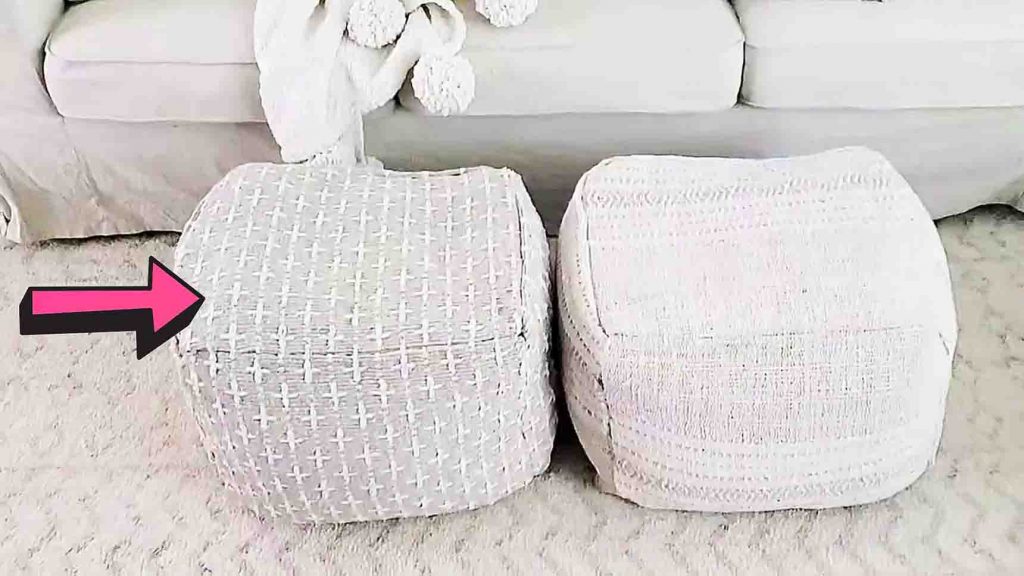
Credit: diyjoy.com
Adding Finishing Touches
Adding finishing touches to your pouf ottoman is where your creativity truly shines. These final details not only enhance the look but also improve functionality and comfort. Think about what will make your pouf stand out and fit perfectly into your space.
Attaching Handles Or Buttons
Handles make your pouf easy to move around, especially if you like rearranging furniture often. You can sew on fabric loops or attach leather straps with sturdy rivets for a stylish and practical touch.
Buttons add a classic tufted look that keeps the stuffing in place and gives the pouf a polished finish. Use thick upholstery thread and secure the buttons deep into the filling to maintain the shape over time.
Decorative Elements
Decorative touches let you personalize your pouf and reflect your style. Consider adding piping along the edges in a contrasting color to create a sharp, clean outline.
Other ideas include sewing on patches, embroidery, or even attaching small tassels or pom-poms around the base. What small detail would make your pouf feel like it belongs to you?
Maintaining Your Pouf
Maintaining your pouf keeps it looking fresh and lasting longer. Small efforts prevent damage and preserve comfort. Regular care helps avoid stains, tears, and sagging. A well-kept pouf adds charm to any room. Follow simple steps to keep your pouf neat and durable.
Cleaning Tips
Clean your pouf regularly to avoid dirt buildup. Use a vacuum with a brush attachment for dust removal. Spot clean stains with a mild detergent and water. Test cleaning solutions on a small hidden area first. Avoid soaking the fabric to prevent damage. For tough stains, use a fabric cleaner designed for upholstery. Let the pouf air dry fully before use. Rotate the pouf occasionally for even wear.
Repairing Wear And Tear
Check your pouf often for small tears or loose threads. Use a needle and thread to fix minor rips quickly. Patch holes with matching fabric or iron-on patches. Tighten loose seams to keep the stuffing secure. Replace stuffing if the pouf feels flat or uneven. Use upholstery glue for small fabric pulls or frays. Handle repairs gently to avoid making damage worse. Timely fixes extend the pouf’s life significantly.
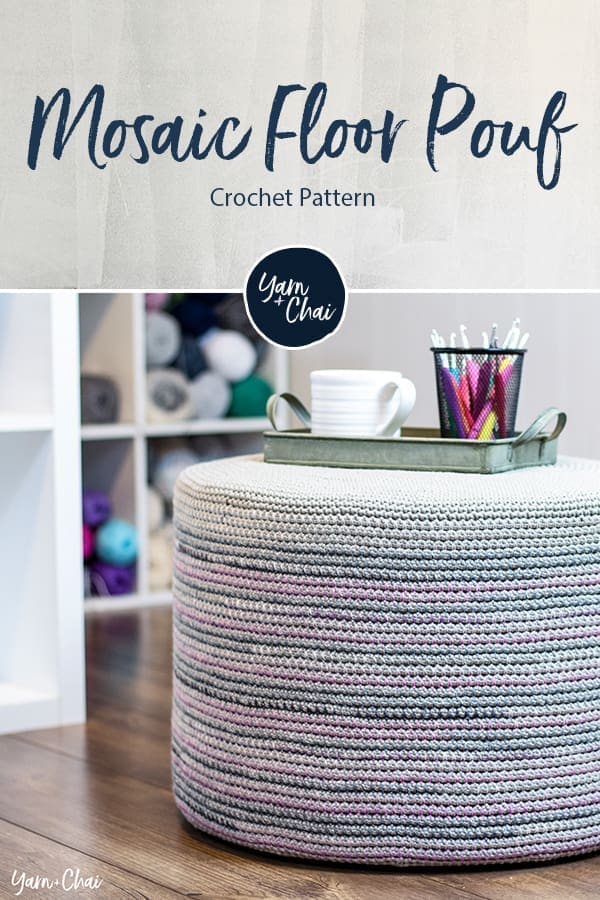
Credit: yarnandchai.com

Credit: homeon129acres.com
Frequently Asked Questions
What Materials Are Needed To Make A Pouf Ottoman?
To make a pouf ottoman, you need fabric, stuffing, thread, a sewing machine, scissors, and a measuring tape. Optional materials include buttons or decorative trims for added style.
How Do I Sew A Pouf Ottoman Cover?
Cut fabric into desired shapes, sew edges inside out, leaving an opening. Turn inside out, stuff, then sew the opening closed securely.
What Stuffing Is Best For A Pouf Ottoman?
Polyester fiberfill, foam, or old clothes work well as stuffing. These materials provide comfort and maintain the pouf’s shape over time.
Can I Customize The Size Of My Pouf Ottoman?
Yes, you can customize the size by adjusting fabric dimensions and stuffing amount. Measure your space and needs before cutting the fabric.
Conclusion
Making a pouf ottoman is a fun and simple project. You can choose your favorite fabric and colors. It adds comfort and style to any room. Plus, it saves money compared to buying one. Take your time with each step to get good results.
Enjoy your new pouf ottoman and feel proud of your work. Try making more for gifts or different rooms. Handmade items always bring a special touch to your home.



