
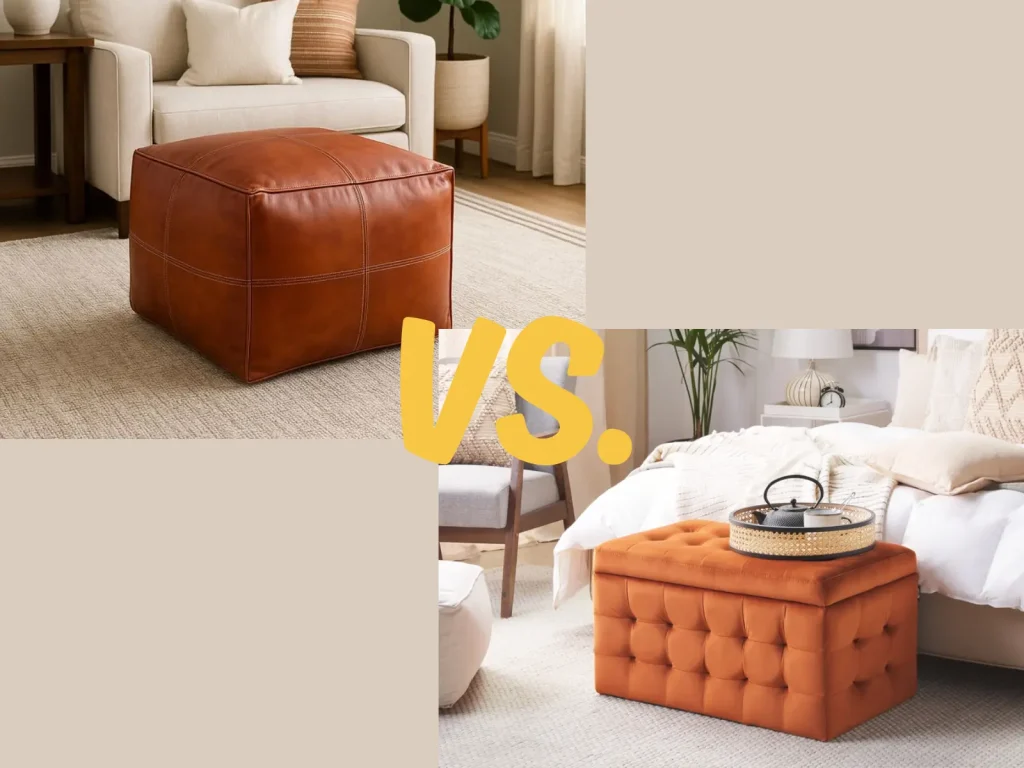
Are you confused about whether to choose an ottoman or a pouf for your living space? You’re not alone.
Both pieces can add style and comfort, but they serve different purposes and bring unique vibes to your room. Understanding the key differences will help you pick the perfect one that fits your needs and enhances your home’s look. Keep reading, and you’ll soon discover which option is right for you—and why it matters more than you think.
Credit: www.bedbathandbeyond.com
Ottoman Basics
Ottomans are versatile furniture pieces commonly found in living rooms and bedrooms. They add comfort and style while serving multiple practical purposes. Understanding their basics helps you choose the right one for your space.
Design And Structure
Ottomans usually have a solid frame made of wood or metal. They often feature a cushioned top, which can be upholstered in fabric or leather. Many ottomans include storage space inside, accessible by lifting the top. Some ottomans have legs, while others sit directly on the floor.
Common Materials
- Wood or metal frame for durability
- Foam or padding for comfort
- Fabric covers like cotton, linen, or velvet
- Leather or faux leather for a sleek look
- Storage ottomans include hinges and compartments
Typical Uses
- Extra seating for guests
- Footrest to relax your legs
- Storage for blankets, magazines, or toys
- Surface for trays, books, or decor
Pouf Essentials
Understanding the essentials of a pouf can help you decide if it fits your space and style. Poufs are more than just decorative pieces; they bring comfort and flexibility to any room. Let’s look closely at what makes a pouf unique, starting with its shape and size.
Shape And Size Variations
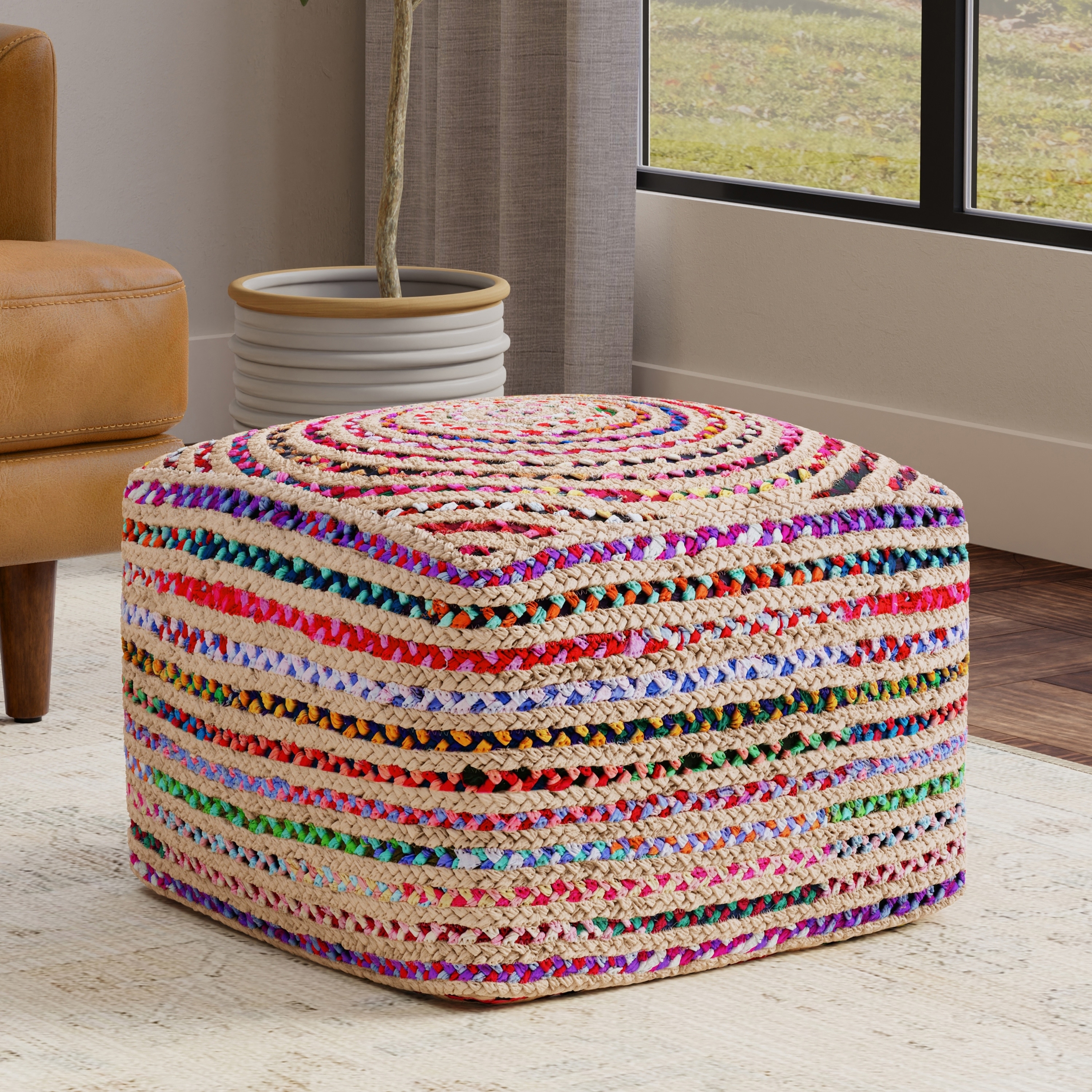
Poufs come in many shapes, including round, square, and even hexagonal forms. Their size is usually compact, making them easy to move around and fit in tight spaces. Have you noticed how a small pouf can instantly add a cozy vibe without overwhelming your room?
Popular Fabrics
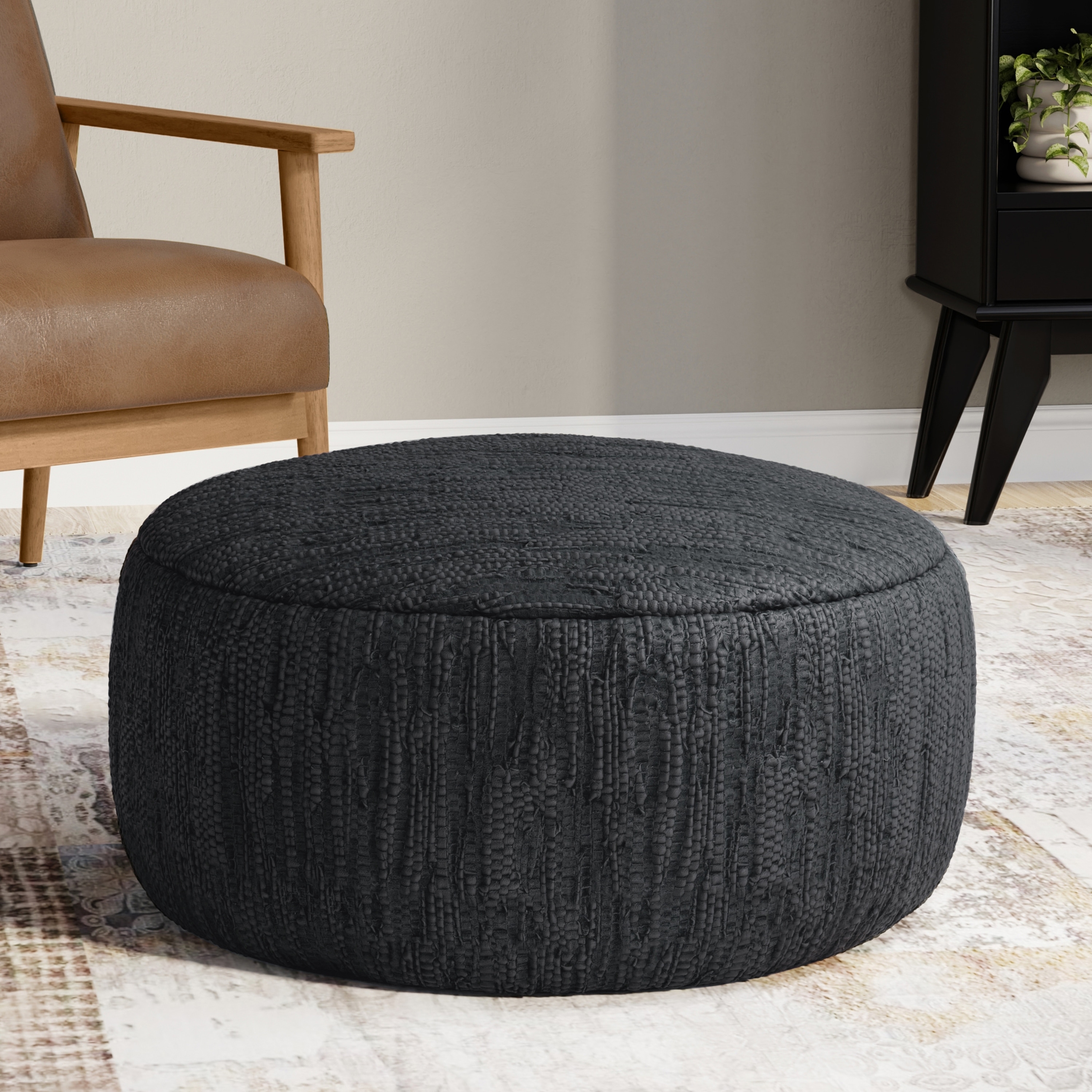
The fabric choices for poufs are diverse, ranging from soft cotton and velvet to durable leather and woven materials. Each fabric brings a different texture and feel, which affects both comfort and style. If you want something easy to clean, leather might be your best bet; for a softer touch, velvet often wins.
Functional Uses
Poufs serve many purposes beyond seating. They can act as footrests, side tables (with a tray on top), or even extra storage if designed with a hollow interior. Think about your space—could a pouf replace a bulky chair or provide a handy spot to rest your feet after a long day?
Comparing Ottomans And Poufs
When decorating a living space, ottomans and poufs are popular choices. Both offer style and functionality but have distinct differences. Understanding these can help in making the best choice for your needs.
Differences In Design
Ottomans often have a structured and formal look. They usually come with legs or a base. Many ottomans have a rectangular or square shape. They may also have storage space inside. Poufs, on the other hand, have a more casual design. They are often round and stuffed with soft materials. Poufs usually don’t have legs or a base.
Variations In Functionality
Ottomans can serve multiple purposes. They can be used as footrests, coffee tables, or extra seating. Some ottomans open up to offer storage space. Poufs are mainly used for seating or as footrests. They are lighter and easier to move around. Poufs don’t offer storage options.
Comfort And Support
Ottomans provide firm support due to their structured frame. They are often padded, offering more comfort for sitting. Poufs are softer and more flexible. They adjust to the shape of the person sitting. This makes them comfortable but less supportive for long periods.
Styling Tips
Styling an ottoman or a pouf can dramatically enhance your living space. Both pieces offer versatility, but knowing how to style each can make all the difference. Let’s dive into practical tips that help you pick the right look and placement for your room.
Matching With Room Decor
Start by looking at the overall theme of your room. Ottomans often have a structured shape, making them a great fit for modern or classic interiors. Poufs, with their casual and relaxed feel, work well in boho or eclectic spaces.
Think about the furniture style and scale. If your sofa has clean lines, a sleek ottoman complements it. For a cozy, layered vibe, a soft pouf adds warmth and texture. Have you noticed how a mismatched piece can sometimes become the focal point? Use that to your advantage.
Color And Texture Choices
Choosing the right color and texture can transform your ottoman or pouf from just functional to eye-catching. Neutral tones blend easily with most decor, while bold colors inject personality. Consider where you want the eye to go.
Texture plays a big role too. A leather ottoman offers a polished look, perfect for a minimalist space. Meanwhile, a knitted pouf adds a tactile element that invites you to touch and relax. What textures do you find comforting in your home?
Placement Ideas
Placement can change how you use these pieces daily. Ottomans work well as coffee tables or extra seating near sofas. Try adding a tray on top to hold drinks and snacks—practical and stylish.
Poufs are more flexible and can be moved easily. Place one by a reading nook or use it as a footrest next to your favorite chair. Don’t forget corners—they can fill empty spaces and make your room feel complete.
Buying Guide
Choosing between an ottoman and a pouf can be tricky. Both serve as stylish, functional additions to your living space. This buying guide helps you understand key factors. Size, material, and price play important roles. Knowing these will make your choice easier and more satisfying.
Choosing The Right Size
Measure your room carefully before buying. Ottomans are often larger and used as coffee tables or extra seating. Poufs are smaller, perfect for tight spaces or as footrests. Consider where you will place it and how much space you have. The right size keeps your room balanced and comfortable.
Material Durability
Materials affect comfort and how long your piece lasts. Ottomans often use sturdy fabrics or leather. Poufs might use knitted, woven, or soft fabrics. Choose materials that match your lifestyle. For families with kids or pets, durable and easy-to-clean fabrics work best. Soft materials add coziness but may need more care.
Price Considerations
Prices vary widely between ottomans and poufs. Ottomans tend to be more expensive due to size and structure. Poufs are usually budget-friendly and lightweight. Set a budget before shopping. Think about how often you will use it and the value it adds to your room. Spending wisely leads to better satisfaction.
Credit: www.bedbathandbeyond.com
Maintenance And Care
Keeping your ottoman or pouf in great shape means understanding their unique maintenance needs. Both pieces serve as functional furniture and style statements, so taking care of them helps maintain their look and comfort over time. Let’s dive into some practical care tips that can save you time and money while making your space cozy and inviting.
Cleaning Tips
Ottomans often have hard surfaces combined with upholstery, so spot-cleaning is usually best. Use a mild detergent and a soft cloth to gently clean spills immediately.
Poufs, especially those made from fabric or knitted materials, benefit from regular vacuuming to remove dust and dirt. Avoid harsh chemicals as they can damage delicate fabrics or colors.
- Test cleaning products on a small hidden area first.
- Blot stains instead of rubbing to prevent fabric damage.
- For leather ottomans, use a leather conditioner monthly to keep the material supple.
Preserving Shape
Both ottomans and poufs can lose their shape with constant use, but poufs are particularly prone due to their softer fillings.
To maintain firmness, regularly fluff the filling or rotate the piece to distribute wear evenly. This simple habit can extend its life significantly.
Consider using a pouf with a removable cover so you can clean and reshape the filling easily. Have you noticed your pouf getting squished after a few months? Fluffing it up might just bring it back to life.
Repair Advice
Small tears or loose stitching on ottomans and poufs don’t have to mean replacement. Quick fixes like fabric glue or patch kits can work wonders.
If your ottoman has wooden legs, tighten screws periodically to avoid wobbly furniture. For poufs, check seams regularly and stitch any loose threads promptly to prevent further damage.
Remember, ignoring minor repairs often leads to bigger problems. What’s a small repair you’ve put off that ended up costing more later?

Credit: georgeconstructions.com
Frequently Asked Questions
What Is An Ottoman Used For In Home Decor?
An Ottoman serves as a footrest, extra seating, or storage unit. It often features cushioning and may have a hinged lid for storage. Ottomans add style and functionality to living spaces, making them versatile furniture pieces.
How Does A Pouf Differ From An Ottoman?
A pouf is typically a soft, stuffed cushion without storage or a hard frame. Ottomans often have structured frames and storage options. Poufs provide casual seating or décor, while Ottomans offer more multifunctional use.
Can Ottomans And Poufs Be Used Interchangeably?
Yes, both can serve as footrests or extra seating. However, Ottomans usually provide storage, making them more functional. Poufs are lighter and easier to move, ideal for casual settings.
Are Ottomans More Durable Than Poufs?
Generally, Ottomans are more durable due to their solid frames and upholstery. Poufs, being stuffed and softer, may wear out faster. Durability depends on materials and construction quality for both.
Conclusion
Ottomans and poufs both add style and comfort to any room. Ottomans often offer storage and a firm surface for sitting or resting feet. Poufs are usually softer and lighter, making them easy to move. Choosing depends on your needs and room space.
Both pieces bring warmth and function to your home. Knowing their differences helps you pick the right one. Simple, useful, and decorative—both have their own charm.



