
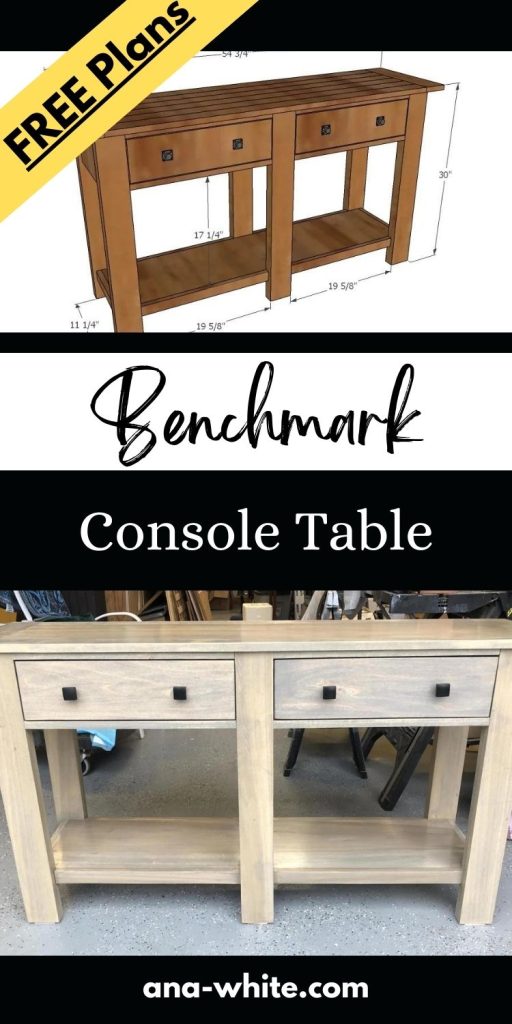
Your entryway is the first thing guests see when they walk into your home. Imagine having a stylish table there that not only looks great but also keeps your keys, mail, and everyday items organized.
Building an entryway table with drawers might sound tricky, but it’s easier than you think—and you’ll love the sense of accomplishment once it’s done. In this guide, you’ll discover simple steps and helpful tips to create a beautiful, functional piece that fits your space perfectly.
Ready to transform your entryway and make your daily routine smoother? Let’s get started!

Credit: www.fynesdesigns.com
Choosing Materials
Choosing the right materials for your entryway table with drawers is crucial. The materials determine not only the look but also the strength and longevity of your project. You want to pick options that suit your style and stand up to daily use.
Wood Types For Durability
Hardwoods like oak, maple, and cherry offer excellent durability. They resist dents and scratches, making them perfect for a busy entryway. Softwoods like pine are easier to work with but may show wear faster.
Think about the finish, too. A well-sealed wood surface can resist moisture and stains better, which is important near entry doors. If you want a rustic look, reclaimed wood adds character but check for any weaknesses before use.
Selecting Drawer Hardware
Drawer hardware affects how smoothly your drawers open and close. Look for quality metal slides that support the weight of your items. Soft-close mechanisms add a touch of luxury and prevent noisy slamming.
Handles and knobs also influence the table’s style and usability. Choose pieces that are comfortable to grip and easy to install. Don’t forget to match the hardware finish with the overall look of your table for a cohesive feel.

Credit: www.fiskavenue.com
Tools Needed
Building an entryway table with drawers needs the right tools. Proper tools make the project easier and more precise. Gather all the necessary equipment before starting. This saves time and avoids interruptions.
Basic Woodworking Tools
- Measuring tape for accurate dimensions
- Pencil to mark cutting lines
- Hand saw or circular saw for cutting wood pieces
- Power drill with drill bits to make holes
- Screwdriver for assembling parts
- Clamps to hold pieces steady
- Sandpaper or electric sander for smooth surfaces
- Square tool to check right angles
Safety Equipment
- Safety goggles to protect your eyes
- Ear protection to guard against loud noises
- Dust mask to avoid inhaling sawdust
- Gloves for hand protection
- Proper clothing that fits well and covers skin
- First aid kit nearby for emergencies
Designing Your Table
Craft a stylish entryway table with drawers to enhance your home’s first impression. Use quality wood, and simple tools, and follow clear instructions. Personalize it with your choice of handles for a functional and attractive piece.
Designing your table is the first exciting step in your DIY journey to craft an entryway table with drawers. This phase is all about envisioning the perfect fit for your space while ensuring functionality and style. Think about your everyday needs and how this piece of furniture will add charm to your home. Whether you have a modern apartment or a rustic farmhouse, the design process is where your creativity shines.Dimensions And Layout
Start by measuring the space where your table will reside. It’s crucial to have clear dimensions to ensure a seamless fit. Consider the height, width, and depth that will complement your entryway without overcrowding it. A well-thought-out layout can enhance the flow of your space. Visualize how the table will interact with other elements in the room. Will it allow for easy movement? Will it balance the aesthetic you desire? These questions help guide your design choices.Drawer Size And Placement
Drawers are not just functional; they add a sleek element to your table design. Decide on the number of drawers you need based on what you plan to store. Are you looking to stash keys and mail, or is it more about organizing scarves and gloves? Placement is key to achieving a balanced look. Align the drawers symmetrically or opt for an asymmetrical design for a modern twist. Ensure the drawers are easily accessible and functional for everyday use. By addressing these design aspects, you set a solid foundation for building an entryway table that’s both beautiful and practical. How will you bring your vision to life?Cutting And Preparing Wood
Cutting and preparing wood is a crucial part of building your entryway table with drawers. It sets the foundation for a sturdy and attractive piece. Taking your time to measure and cut accurately will save you from frustration and extra work later on.
Measuring And Marking
Start by measuring each piece of wood carefully. Use a reliable tape measure and double-check your numbers before marking. Mark your cuts clearly with a pencil or chalk to avoid mistakes during cutting.
Consider the thickness of your saw blade when marking. This small detail can affect the final size of your wood pieces. Have you ever cut a piece too short because you didn’t account for the blade width? Avoid that by marking on the waste side of the cut line.
Cutting Techniques
Choose the right saw for each cut. A circular saw is great for straight cuts on large boards, while a jigsaw handles curves or detailed cuts better. Keep your saw blade sharp to ensure clean cuts and reduce splintering.
Secure your wood firmly before cutting. Clamps can prevent movement and improve safety. Take your time and follow your marked lines closely—rushing can lead to uneven edges or wasted material.
Think about the direction of the wood grain when cutting. Cutting with the grain reduces splintering and creates smoother edges. How do you make sure your cuts are precise? Using a straight edge guide or cutting jig can be a game-changer for accuracy.
Assembling The Frame
Assembling the frame of your entryway table with drawers is a key step. This structure forms the base that supports all parts. Precision and care during assembly ensure a strong and durable piece. Follow simple techniques to join parts securely. Focus on creating a steady frame that lasts.
Joining Techniques
Use wood glue on all joining surfaces for a tight bond. Combine glue with screws or nails for extra strength. Pre-drill holes to avoid splitting the wood. Pocket hole joinery works well for hidden, clean connections. Dowels also add stability and keep edges aligned. Choose the right technique based on your tools and skills.
Ensuring Stability
Check the frame for square corners before tightening screws. Use a carpenter’s square to measure angles. Add corner braces or blocks inside the frame for extra support. Tighten all fasteners evenly to prevent wobbling. Test the frame by applying gentle pressure. A stable frame makes the table safe and reliable.
Building The Drawers
Building the drawers is a key step in crafting your entryway table. Drawers offer practical storage and add charm to your design. Focus on precision and sturdy materials to ensure smooth operation and durability.
Constructing Drawer Boxes
Start by cutting all sides of the drawer box from quality wood. Use plywood or hardwood for strength and smooth edges. The four sides form a rectangle or square shape.
- Cut two longer sides for the drawer length.
- Cut two shorter sides for the drawer width.
- Ensure all pieces fit together tightly without gaps.
Use wood glue on edges before nailing or screwing pieces together. Reinforce corners with small brackets or dowels for extra strength. Sand all surfaces to remove rough spots and splinters.
The drawer bottom usually fits into a groove or rests on cleats inside the box. Secure it firmly but allow slight movement for wood expansion.
Installing Drawer Slides
Choose drawer slides that match your drawer size and weight needs. Ball-bearing slides offer smooth movement and durability. Mount slides on both sides of the drawer box and inside the table frame.
- Attach one slide piece to the drawer side at the center height.
- Fix the matching slide piece inside the table frame at the same height.
- Check alignment carefully to avoid sticking or uneven gaps.
Test the drawer by sliding it in and out several times. Adjust screws or reposition slides if the drawer feels tight or loose. Proper installation ensures easy access and long-lasting use.
Finishing Touches
Finishing touches bring your entryway table to life. These final steps improve both look and feel. Proper finishing protects the wood and enhances its beauty. Focus on smooth surfaces and an even color. A well-finished table invites guests and adds charm to your home.
Sanding And Smoothing
Sanding removes rough spots and sharp edges. Use fine-grit sandpaper for a soft finish. Sand all surfaces evenly for a consistent texture. Dust off wood particles after sanding. This step prepares the table for painting or staining. Smooth wood feels nice to touch and looks clean.
Painting And Staining
Choose paint or stain to match your style. Paint adds color and hides wood grain. Stain shows natural wood patterns with a tint. Apply thin, even coats for the best result. Let each coat dry fully before the next. Use a brush or cloth, depending on the finish. Protect the surface with a clear topcoat for durability.
Installing The Table
Installing your entryway table with drawers is the moment your project truly comes to life. This step requires careful thought to ensure the table not only looks great but is stable and safe for everyday use. Let’s focus on how to position the table perfectly and secure it firmly, so it stands the test of time and traffic.
Positioning In Entryway
Start by choosing the best spot for your table. Think about where it will be most useful—near the door for easy access to keys and mail or against a wall where it won’t block foot traffic.
Measure the space carefully to avoid overcrowding. You want enough room to open drawers fully without bumping into other furniture or walls.
Consider lighting and how the table complements other elements in your entryway. A well-placed table can brighten the space and set the tone for your home’s style.
Securing For Safety
Safety is crucial, especially if children or pets are around. Secure the table to the wall using brackets or anchors designed for furniture. This prevents tipping and accidents.
Use a stud finder to locate the strongest points in your wall for anchoring. If studs aren’t available, choose heavy-duty wall anchors to ensure a solid hold.
Double-check drawer operation after securing. Smooth sliding drawers mean your table is both functional and safe. Have you thought about how stability affects your daily convenience?
Maintenance Tips
Maintaining your entryway table with drawers ensures it stays functional and beautiful for years. Simple, regular care prevents wear and tear, saving you time and money on repairs. Let’s look at practical tips that keep your table looking fresh and working smoothly.
Cleaning And Care
Dust your table often using a soft, dry cloth to avoid scratches. For sticky spots, dampen the cloth slightly with water or a gentle wood cleaner.
Avoid harsh chemicals that can damage the finish. Instead, use products made specifically for wood furniture.
Consider placing coasters or mats under items to prevent water rings and scratches. How often do you check for spills or dust buildup on your furniture?
Repairing Minor Damages
Small scratches or dents happen, but they don’t have to ruin your table’s look. Use a wood touch-up marker or crayon that matches your table’s color to conceal scratches.
If a drawer becomes loose or sticks, check the tracks and tighten any loose screws. Lubricate the runners with a little candle wax or soap to make sliding easier.
Have you noticed any wobbly legs or loose handles? Fixing these early prevents bigger problems later on and keeps your table sturdy and safe.

Credit: www.youtube.com
Frequently Asked Questions
What Materials Do I Need To Build An Entryway Table?
You need wood boards, drawer slides, screws, wood glue, sandpaper, and a finish. Choose sturdy wood like pine or oak for durability and appearance.
How Do I Create Functional Drawers For The Table?
Measure drawer openings accurately and use quality drawer slides. Assemble drawer boxes with wood glue and screws for strength and smooth operation.
What Tools Are Essential For Building This Table?
A saw, drill, screwdriver, measuring tape, clamps, and sander are essential. These tools ensure precise cuts and solid assembly.
How Long Does It Take To Build An Entryway Table?
Building time varies but usually takes 4-6 hours. This includes cutting, assembling, sanding, and finishing the table.
Conclusion
Building an entryway table with drawers adds both style and function. It gives you a place to store keys, mail, and small items. You can choose the size and design to fit your space. Using simple tools and steps makes the project easy to follow.
Enjoy the satisfaction of creating furniture with your own hands. This table will make your entryway neat and welcoming. Try this project to add a personal touch to your home.



