
Choosing the right coffee table size can change the whole look and feel of your living room. You might wonder, “How wide should a coffee table be to fit perfectly with my space and style?”
Picking the wrong size can make your room feel cramped or empty, and you don’t want that. You’ll discover simple guidelines and smart tips that help you find the perfect coffee table width. Keep reading to make your living area both stylish and comfortable.

Credit: dreamhomestore.co.uk
Ideal Coffee Table Width
Choosing the ideal coffee table width shapes the feel of your living space. It affects both comfort and style. The right width offers enough surface without crowding your room.
Consider your room size and furniture layout to find a balanced width. This balance keeps the area functional and visually pleasing.
Standard Width Measurements
Most coffee tables range from 18 to 24 inches wide. This size fits well with average sofas and seating arrangements. Narrower tables suit small spaces. Wider tables work best in larger rooms. Common lengths run between 36 and 48 inches. Height usually matches sofa seat height for ease of use.
Adjusting For Room Size
Small rooms need narrower tables to avoid crowding. Leave at least 18 inches of space around the table for walking. Larger rooms allow wider tables and more surface area. Place the table so it feels open, not cramped. Consider your furniture layout before choosing width. Balance is key for easy movement and comfort.
Balancing Proportions With Sofa
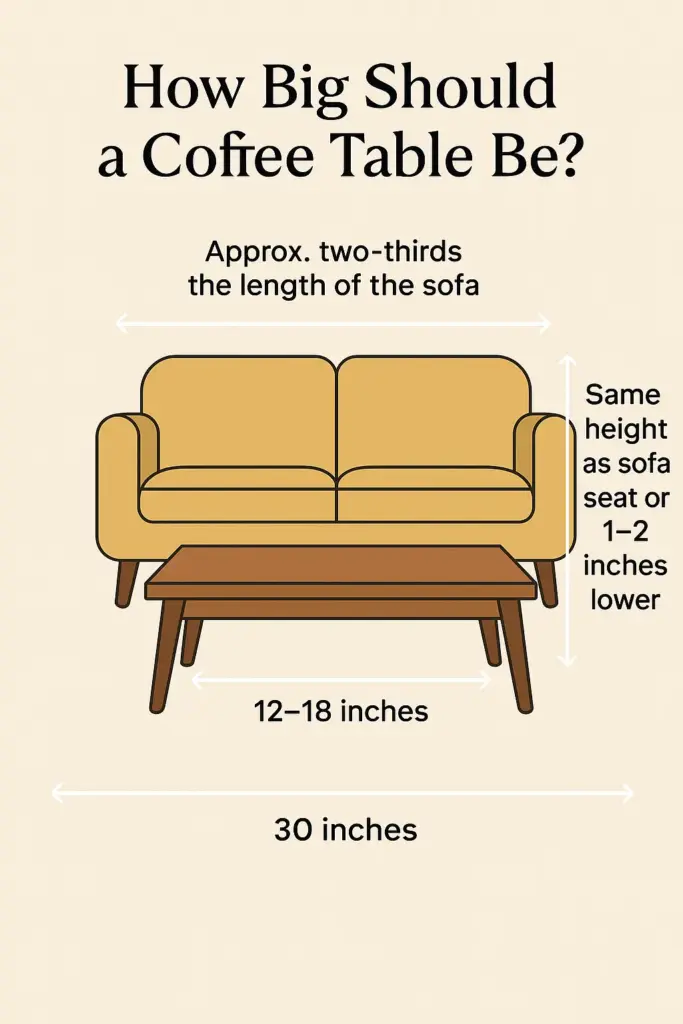
The coffee table width should be about two-thirds the length of your sofa. This ratio keeps the table proportional to seating. Avoid tables wider than the sofa to maintain harmony. Height should align closely with sofa cushions. Proper proportions improve the room’s flow and comfort. Check measurements before buying to ensure a perfect fit.
Factors Influencing Coffee Table Size
Choosing the right size for your coffee table involves more than just fitting it into the space. Several factors influence how wide your coffee table should be, ensuring it complements your room and meets your daily needs. Understanding these elements helps you pick a table that balances functionality and style without overcrowding or underwhelming your living area.
Room Layout And Traffic Flow
Think about how your room is arranged and how people move around it. A coffee table that’s too wide can block pathways and make the space feel cramped. You want enough clearance—ideally 18 inches—between the table and surrounding furniture to keep traffic flowing smoothly.
Ask yourself: does your room have a central seating area or multiple zones? A larger table might work well in an open-plan space but could overwhelm a smaller room. Your coffee table should enhance the flow, not interrupt it.
Purpose And Usage
How do you plan to use your coffee table? If it’s mainly decorative, a smaller table might suffice. But if you often use it for meals, working, or holding games, you’ll want a wider surface.
Consider the number of people who will use it regularly. A table wide enough to hold snacks and drinks for a group makes social gatherings easier and more comfortable. Think about your lifestyle—does your coffee table need to be a multi-tasking hub?
Style And Design Considerations
The style of your coffee table affects how its size feels in your space. Sleek, minimalist designs can appear less bulky even if they’re wide, while chunky, ornate tables can dominate a room quickly.
Also, the shape matters. Round or oval tables often fit better in tighter spaces and encourage movement, while rectangular tables suit longer seating areas. What style speaks to you, and how does it fit with your existing furniture?
Measuring For The Perfect Fit
Choosing the right width for a coffee table depends on the size of your seating area. It should be about two-thirds the length of your sofa to fit well. Measure your space to ensure easy movement around the table.
Measuring for the Perfect Fit Finding the right size for your coffee table is crucial in creating a harmonious living space. The perfect coffee table not only complements your seating but also offers functionality without feeling overwhelming. Achieving this balance requires precise measurements and a keen eye for detail.Distance From Seating
A coffee table should ideally be placed at a comfortable distance from your seating. You want enough space to move easily but close enough to reach items on the table. A standard guideline is to keep the table 12 to 18 inches away from your sofa or chairs. Imagine reaching for your cup of coffee without having to stretch too far. This is the sweet spot you’re aiming for, ensuring both comfort and accessibility in your living room.Height Alignment Tips
Height is another critical factor when sizing your coffee table. The table should be roughly the same height as the cushions of your sofa. This alignment ensures your space looks cohesive and allows for easy access to the table’s surface. Consider your seating arrangement: if your couch is taller or shorter than average, adjust the table height accordingly. This simple adjustment can make a significant difference in the overall aesthetics of the room.Using Templates And Mockups
Visualizing your coffee table in the space can save you from making costly mistakes. Use templates or mockups to see how different sizes will look before making a purchase. You can cut out a piece of cardboard or use tape on the floor to mimic the table’s size and shape. This practical step gives you a clear picture of how the table interacts with the rest of your furniture. It’s a small effort that can prevent a big headache, ensuring that your new coffee table fits perfectly into your living space.
Credit: tribesigns.com
Coffee Table Shapes And Width Impact
The shape and width of a coffee table affect both style and function. Each shape fits different spaces and seating arrangements. Choosing the right width can improve room flow and comfort. Here is how popular shapes impact the ideal table width.
Rectangular Tables
Rectangular tables suit long sofas and narrow rooms. They provide a clear surface without crowding the space. Width usually ranges from 18 to 24 inches. Length can vary but should match sofa size. This shape offers practical use and clean lines.
Round And Oval Options
Round and oval tables soften sharp corners in a room. They encourage easy movement around the table. Width often falls between 30 and 48 inches. These shapes work well in small or square rooms. They create a cozy, balanced look.
Square And Modular Designs
Square tables fit symmetrical seating areas nicely. Width sizes often match the length, starting around 30 inches. Modular designs can be rearranged to fit changing needs. They offer flexibility and a modern feel. These tables suit intimate spaces and make use of corners.
Common Mistakes In Choosing Width
Choosing the right width for your coffee table might seem simple, but many people make mistakes that affect both the look and functionality of their living space. The width of the table impacts how comfortable it is to use and how well it fits with other furniture. Avoiding common errors can help you create a balanced and inviting area.
Oversized Tables In Small Spaces
One common mistake is picking a coffee table that’s too wide for the room. Oversized tables can overwhelm small spaces, making the area feel cramped and uncomfortable.
Imagine trying to walk around a bulky table that leaves barely any clearance. You want at least 18 inches of space between the table and surrounding seating for easy movement. If you’ve ever bumped into a table or felt stuck in your own living room, the width is probably the issue.
Too Narrow For Practical Use
On the other side, selecting a table that’s too narrow can be frustrating. It might look neat, but it won’t hold enough items like drinks, books, or snacks.
If you find yourself constantly juggling plates or reaching across to grab something, your coffee table’s width is likely insufficient. Think about how you use your table daily and choose a size that fits your lifestyle, not just your style preferences.
Ignoring Surrounding Furniture
People often forget to consider the size of sofas, chairs, and other furniture when deciding on the coffee table width. The table should complement—not compete with—these pieces.
Take a moment to measure your seating and envision the space as a whole. Does the table’s width balance the room, or does it throw off the proportions? Skipping this step can lead to a disjointed look and awkward arrangements that feel off.
Custom Vs Standard Coffee Tables
Choosing between custom and standard coffee tables affects room style and function. Both options have unique advantages. Understanding these helps pick the right table size and design for your space.
Benefits Of Custom Sizing
Custom tables fit your room perfectly. They adapt to unusual spaces and specific needs. Custom sizes allow unique shapes and materials. You get a table that matches your style exactly. This option ensures comfort and balance in your living area.
When To Choose Standard Sizes
Standard tables suit most common room sizes and layouts. They offer quick, easy choices without extra planning. These tables fit well with typical sofas and chairs. You find many designs and finishes ready to buy. Standard sizes work well if your space is average.
Cost And Time Considerations
Custom tables cost more and take longer to make. They require detailed measurements and special orders. Standard tables are cheaper and available immediately. They save time and effort in shopping and delivery. Budget and schedule often guide this choice clearly.
Tips For Styling Wide Coffee Tables
Styling a wide coffee table can transform your living room’s look and feel. The right style creates balance and invites comfort. The challenge lies in using the extra space wisely without crowding it. Here are practical tips to make your wide coffee table both beautiful and useful.
Balancing Decor Elements
Place items of different heights and sizes across the table. Use a mix of small plants, books, and decorative trays. Keep one side lighter and the other side heavier for visual balance. Avoid placing too many large objects close together. This keeps the table visually appealing and balanced.
Keeping Clutter Minimal
Choose only a few key pieces for decoration. Use trays or bowls to group small items. Clear away unnecessary objects daily to keep the space tidy. Minimal clutter makes the table look spacious and inviting. It also helps guests focus on the decor, not the mess.
Enhancing Functionality
Use baskets or boxes under the table for storage. Leave some open space for drinks and snacks. Add coasters and small trays to protect the surface. Keep remote controls or magazines within easy reach. Functionality ensures the table looks good and serves your daily needs.

Credit: www.rjliving.com.au
Frequently Asked Questions
What Is The Ideal Width For A Coffee Table?
The ideal coffee table width is usually 18 to 24 inches. It fits well in most living rooms and allows easy reach from seating areas. This width balances space and functionality, enhancing room flow without crowding.
How To Choose Coffee Table Width For Small Rooms?
For small rooms, choose a coffee table width around 18 inches. This size keeps the space open and functional. It avoids overwhelming the room while still providing a practical surface for daily use.
Should Coffee Table Width Match Sofa Length?
A coffee table width should be about two-thirds the sofa length. This proportion creates visual harmony and functional balance. It ensures the table complements the sofa without appearing too large or too small.
Can Coffee Table Width Affect Room Flow?
Yes, the coffee table width greatly impacts room flow. A table too wide can block pathways and make the room feel cramped. Proper width maintains easy movement and comfortable interaction in the living space.
Conclusion
Choosing the right coffee table width helps your space feel balanced. Aim for a table that fits well between your seating areas. Leave enough room to move around comfortably. A table too wide or narrow can disrupt the flow. Think about how you use the table daily.
Measure your room before buying to avoid mistakes. A well-sized coffee table makes your living room inviting. Simple steps lead to a cozy, functional space everyone enjoys.



