
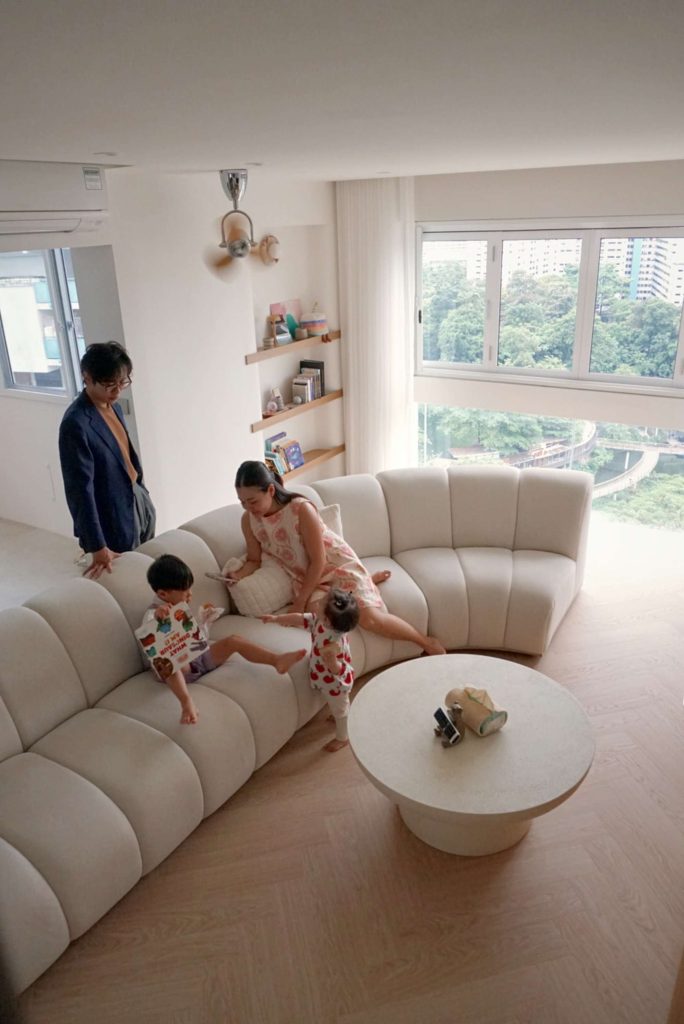
When setting up your living space, one question often comes up: how much space do you really need around a coffee table? It’s more important than you might think.
Too little room, and your space feels cramped and hard to move in. Too much, and your room can look empty and disconnected. Finding the right balance not only makes your room look better but also feels more comfortable and welcoming.
You’ll discover simple, practical tips to help you create the perfect flow around your coffee table—so your space works for you, not against you. Keep reading to transform your room into a cozy, functional haven.
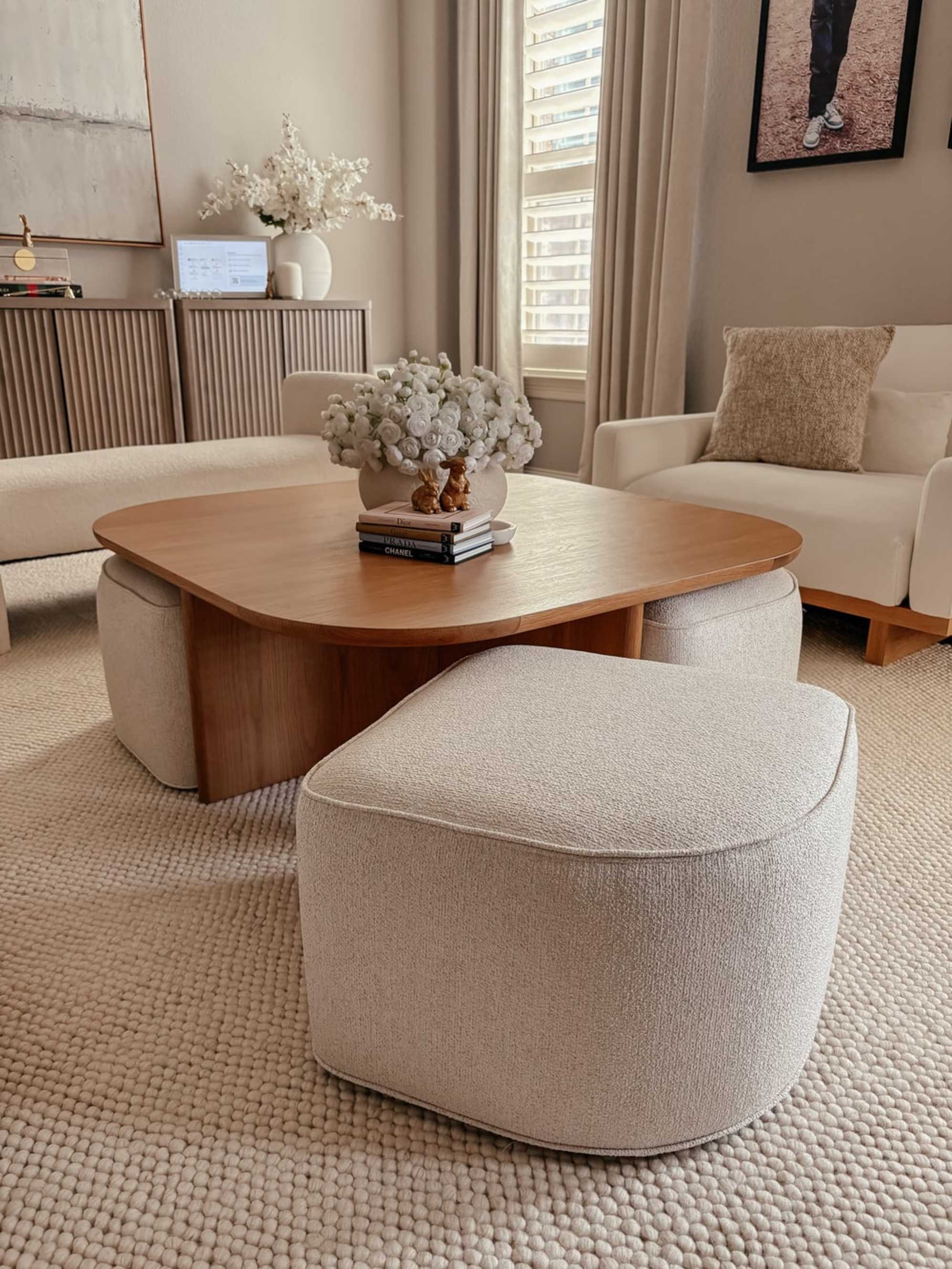
Credit: www.castlery.com
Ideal Clearance Around Coffee Tables
Finding the right amount of space around your coffee table is key to creating a comfortable and functional living area. Too little clearance can make the room feel cramped and hard to navigate, while too much space might make the coffee table seem out of place. Knowing the ideal clearance helps you balance flow and style effortlessly.
Standard Space Recommendations
The general rule is to leave about 18 inches (45 cm) of space between the coffee table and surrounding furniture. This allows enough room for people to move easily and reach for items on the table without stretching or bumping into chairs.
In tighter layouts, you can reduce this to 14 inches (35 cm), but going below that might make the area feel crowded. On the flip side, if you have a large living room, spacing up to 24 inches (60 cm) can work well to keep the area balanced.
Adjusting For Room Size
Think about your room’s overall size and how often you host guests. If your space is small, prioritize keeping pathways clear rather than strictly following standard spacing. You might find that a smaller coffee table or even an ottoman offers better flexibility.
In larger rooms, you have more freedom to experiment. Try increasing the clearance to create a relaxed vibe or group furniture into conversational clusters. Have you ever noticed how spacing affects the way you use a room? Adjusting clearance can transform awkward layouts into cozy, inviting spaces.
Factors Influencing Space Needs
Choosing the right space around a coffee table depends on several key factors. These factors help ensure comfort, ease of movement, and a balanced look. Paying attention to these points makes your living area more functional and inviting.
Table Shape And Size
The shape and size of your coffee table affect how much space you need around it. Large tables need more room to avoid crowding. Round tables allow easier movement with fewer sharp corners. Small tables work well in tight spaces but still need enough clearance for comfort.
Seating Arrangement
Your seating layout impacts the space needed around the table. Place the table close enough for easy reach from chairs or sofas. Leave enough gap so people can sit and stand without bumping into the table. Consider the number of seats and their size to find the right distance.
Traffic Flow
Clear pathways help people move around the coffee table smoothly. Avoid placing the table in a way that blocks main walkways. Allow at least 18 inches of space for walking between furniture pieces. This space keeps the room open and comfortable for all.
Space Guidelines For Different Room Types
Space around a coffee table varies by room type. Each space has unique needs for comfort and flow. Proper spacing keeps rooms functional and inviting. Here are guidelines for common room settings.
Small Living Rooms
In small living rooms, space is tight. Keep at least 18 inches between the coffee table and seating. This distance allows easy movement without crowding. Choose a compact table to avoid clutter. Round or oval shapes work well here. They soften corners and improve flow.
Open-plan Spaces
Open-plan areas feel spacious but need clear zones. Leave 24 inches around the coffee table for walking paths. This space separates seating from dining or kitchen areas. Use rugs or furniture placement to define the coffee table zone. Bigger tables suit open rooms but avoid oversized pieces.
Formal Sitting Areas
Formal sitting rooms demand elegance and ease. Keep 18 to 24 inches of space between the table and chairs. This range balances comfort with style. A symmetrical layout enhances formality. Match the table size to the seating group for harmony. Avoid clutter to maintain a polished look.

Credit: www.castlery.com
Tips For Measuring Your Space
Finding the right space for your coffee table enhances room flow. It’s crucial for both aesthetics and functionality. Proper spacing ensures easy movement and avoids clutter. Use these tips to measure your space effectively.
Using Tape And Templates
Start with a tape measure. Measure around the coffee table. Aim for 18 inches of space on all sides. This allows easy access and movement. For a precise fit, create paper templates. Cut large paper sheets matching your table’s size. Lay them on the floor. This visual tool helps you adjust positioning easily. It also helps in visualizing the final setup.
Considering Furniture Movement
Think about how furniture moves in the room. Chairs and sofas should not hit the table. Leave enough space for sliding chairs. Consider opening drawers or doors nearby. Ensure they open without obstruction. This planning keeps your living area functional and comfortable. It also prevents accidental bumps and scratches.
Creative Solutions For Limited Space
Finding enough space around your coffee table can feel tricky, especially in smaller rooms. But limited space doesn’t mean you have to sacrifice style or function. Creative furniture choices can help you make the most of every inch without crowding your living area.
Multi-functional Tables
Multi-functional tables offer more than just a surface for your drinks. Some coffee tables come with built-in storage like drawers or shelves, perfect for stashing magazines, remote controls, or board games.
Others double as seating or even transform into a dining table. This means you get extra utility without needing additional furniture. Have you ever used a coffee table as a workspace during a busy day? It can save space and keep your room organized.
Adjustable And Nesting Options
Adjustable tables let you change the height or size based on your needs. This flexibility works great if you alternate between lounging and working at your coffee table.
Nesting tables are another smart choice. These come in sets that slide under each other, so you can pull out extra surfaces when guests arrive and tuck them away afterward.
- Use nesting tables to save floor space while still having plenty of surface area.
- Adjustable tables can fit perfectly in tight spots or expand when you need more room.
Think about your daily habits: do you need more surface area occasionally or a stable, consistent space? Choosing tables that adapt to your lifestyle can make small rooms feel larger and more functional.
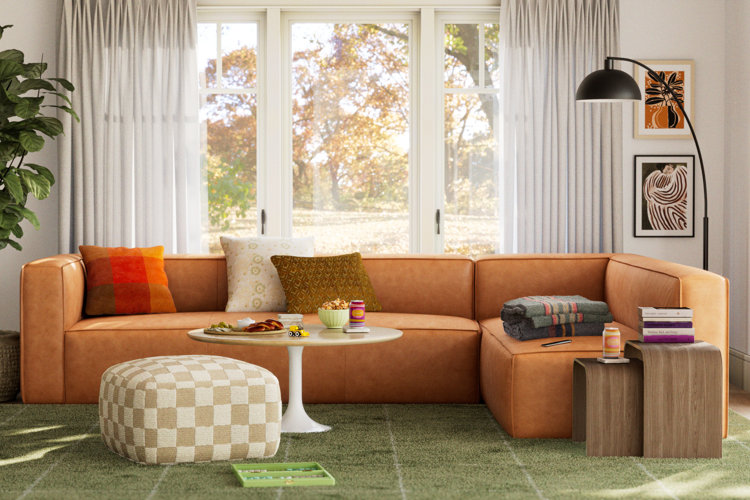
Credit: www.wayfair.com
Frequently Asked Questions
How Much Space Should I Leave Around A Coffee Table?
Leave at least 18 inches of space around your coffee table. This allows easy movement and comfortable seating access. It prevents crowding and keeps the area functional and visually balanced.
Why Is Spacing Important Around A Coffee Table?
Proper spacing ensures safety and comfort. It prevents bumping into furniture and allows smooth traffic flow. Good spacing also enhances room aesthetics and usability.
Can I Place A Coffee Table Closer Than 18 Inches?
Placing a coffee table closer than 18 inches can feel cramped. It limits legroom and restricts movement. Ideally, maintain the recommended spacing for comfort and style.
How Does Room Size Affect Coffee Table Spacing?
In smaller rooms, 18 inches might be hard to achieve. Adjust spacing to balance comfort and space efficiency. Prioritize at least 12-15 inches if space is limited.
Conclusion
Choosing the right space around a coffee table makes your room feel open. Aim for at least 18 inches between the table and seating. This space allows easy movement and comfort. Too little space can make the area crowded. Too much space can disconnect the table from the seating.
Balance is key for both style and function. Remember, a well-placed coffee table invites relaxation and conversation. Take time to measure and plan before buying. Small changes can improve your room’s flow and look.



