
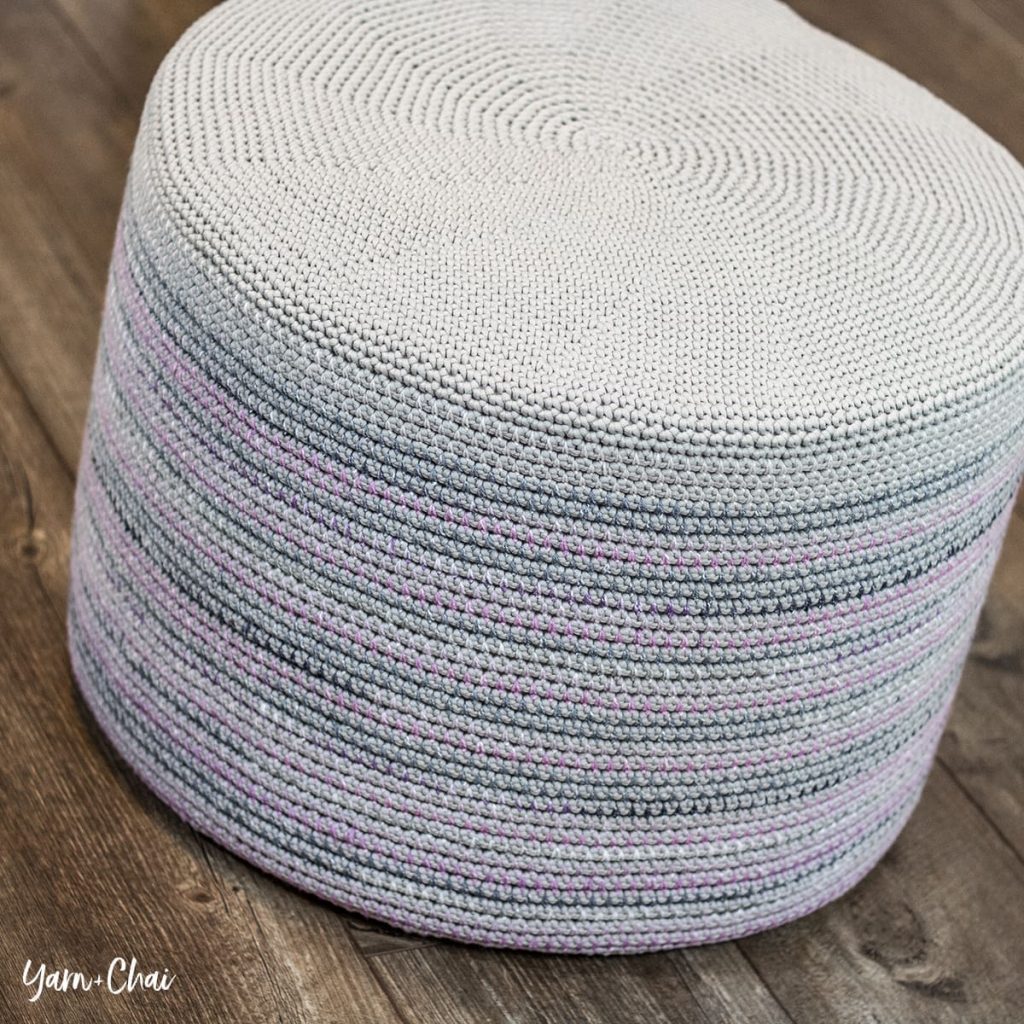
If you’ve knitted a pouf or are thinking about making one, you’ve probably asked yourself: what do you stuff it with? Choosing the right filling can change everything—from how comfortable your pouf feels to how long it lasts.
You want something that’s soft but supportive, easy to work with, and fits your lifestyle. You’ll discover the best stuffing options that will bring your knitted pouf to life, making it both cozy and practical. Keep reading to find the perfect fill for your creation.

Credit: www3.designindaba.com
Types Of Pouf Fillings
Choosing the right filling for a knitted pouf affects its comfort and durability. Different materials offer various levels of support and softness. Some fillings make the pouf firm, while others keep it light and easy to move. Understanding the types of pouf fillings helps you pick the best one for your needs.
Natural Fillings
Natural fillings come from plants or animals. They are eco-friendly and biodegradable. Common natural fillings include:
- Wool – soft, warm, and breathable
- Cotton – light and hypoallergenic
- Hemp – strong and durable
- Kapok – fluffy and water-resistant
Natural fillings offer a cozy feel. They may need more care to stay fresh and clean.
Synthetic Fillings
Synthetic fillings are made from man-made fibers. They are often cheaper and easy to find. Popular synthetic fillings include:
- Polyester fiberfill – soft and fluffy
- Foam beads – provide firm support
- Memory foam – molds to the body
- Plastic pellets – add weight and structure
Synthetic options resist moisture and last longer. They may not be as breathable as natural fillings.
Recycled Materials
Recycled fillings reuse waste to reduce environmental impact. They can be a smart choice for eco-conscious users. Examples include:
- Recycled polyester – made from plastic bottles
- Fabric scraps – leftover textiles from other projects
- Shredded foam – repurposed from old cushions
Recycled fillings often blend comfort and sustainability. They support waste reduction while offering good cushioning.
Foam Options For Poufs
Choosing the right foam for your knitted pouf can change everything about its comfort and durability. Foam options vary in texture, support, and how they hold their shape over time. Understanding the differences helps you pick the perfect stuffing for your cozy creation.
Memory Foam
Memory foam molds to your body, offering excellent support and comfort. It’s great if you want a pouf that feels plush yet supportive when you sit or rest your feet on it.
Keep in mind memory foam can be heavier and more expensive than other options. However, its ability to bounce back after use makes it a smart choice for long-lasting poufs.
Polyurethane Foam
Polyurethane foam is a popular choice because it’s affordable and widely available. It offers decent firmness, which helps your pouf keep its shape without being too hard.
You can find this foam in various densities, so you can customize how soft or firm your pouf feels. If you want a pouf that’s budget-friendly and reliable, this is a solid option.
Foam Chips
Foam chips are small pieces of foam that you can stuff loosely inside your pouf. This option lets your pouf feel lightweight and flexible, perfect if you like a pouf that shifts as you move.
Because foam chips are not as dense, you might need to refill or adjust the stuffing more often. Still, they’re easy to work with and great for a casual, comfortable pouf you can squish and shape to your liking.
Polyester Fiberfill Benefits
Polyester fiberfill offers durability and comfort for stuffing a knitted pouf. It maintains shape and provides a soft, plush feel. Easy to handle and affordable, it is an ideal choice for home decor projects.
When crafting a cozy knitted pouf, choosing the right stuffing is key to achieving comfort and durability. Polyester fiberfill stands out as an excellent choice for stuffing, offering numerous benefits that make it a favorite among DIY enthusiasts. Whether you’re new to knitting or a seasoned pro, understanding these benefits can help you create the perfect pouf for your home.Lightweight And Easy To Handle
Polyester fiberfill is incredibly lightweight, making it easy to manage as you stuff your pouf. You won’t find yourself struggling to maneuver heavy, cumbersome materials. This ease of use translates to a smoother crafting process, allowing you to focus on the joy of creating rather than the hassle of stuffing.Retains Shape Over Time
One of the most significant advantages is its ability to maintain shape. Polyester fiberfill resists clumping, ensuring your pouf remains plump and inviting. This means less maintenance and more time enjoying your cozy creation.Hypoallergenic Properties
For those with allergies, polyester fiberfill is a safe bet. It doesn’t harbor dust mites or allergens, providing peace of mind and a sneeze-free environment. You can confidently rest your head or feet on the pouf without worry.Cost-effective Solution
Budget-conscious crafters will appreciate its affordability. Despite being inexpensive, it doesn’t compromise on quality or comfort. This makes it a practical choice for those looking to create beautiful home pieces without breaking the bank.Easy To Clean
Accidents happen, especially in busy households. Polyester fiberfill is easy to clean, allowing your pouf to remain fresh and inviting. Simply spot clean when necessary, and your pouf will look as good as new.Versatility In Crafting
Its versatility extends beyond poufs, making it a staple in various craft projects. From plush toys to cushions, polyester fiberfill adapts seamlessly. This flexibility ensures you always have a reliable stuffing option on hand for any project. Have you considered what stuffing will best suit your knitted pouf? With its myriad benefits, polyester fiberfill may just be the perfect match.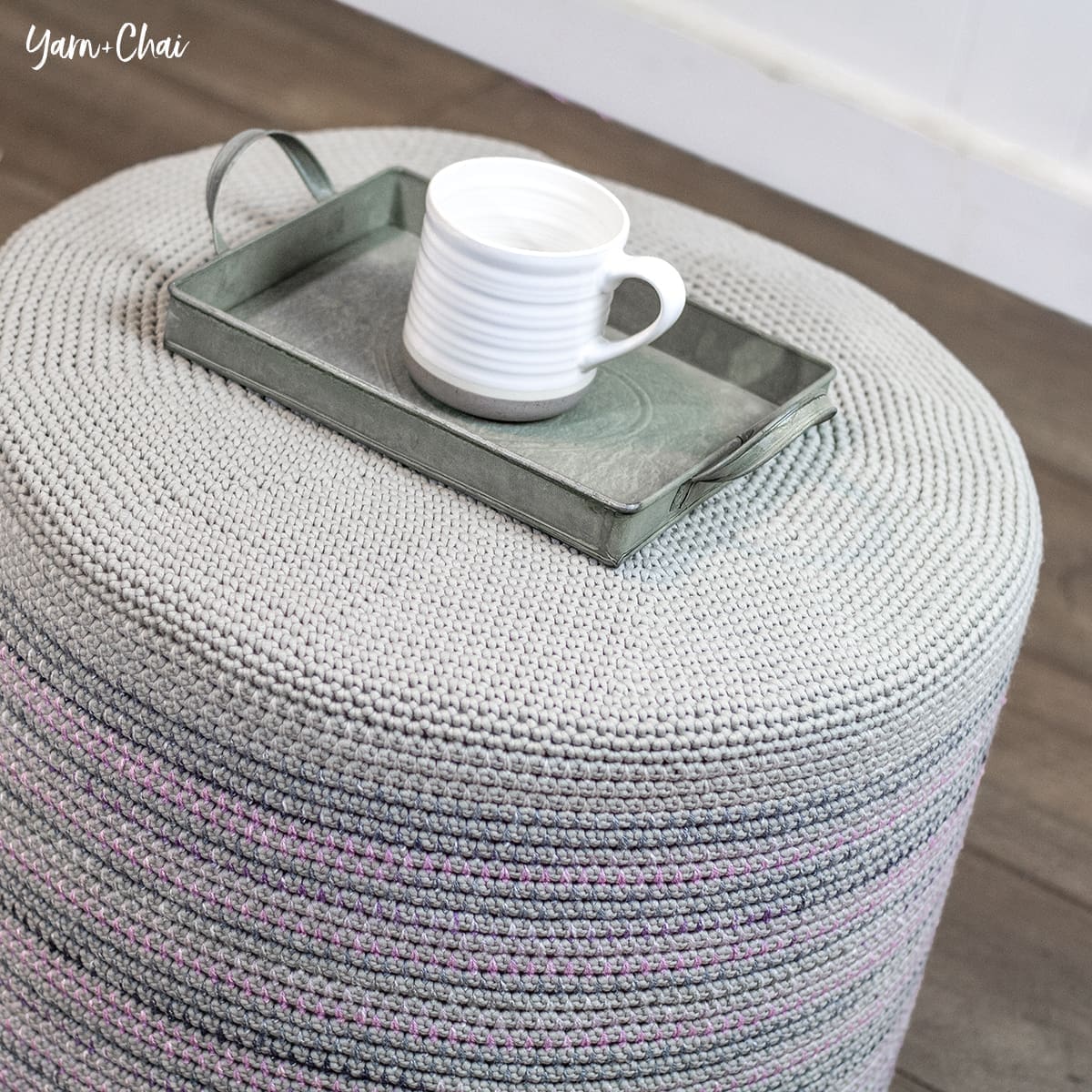
Credit: yarnandchai.com
Using Bean Bag Fillers
Using bean bag fillers is a popular choice for stuffing knitted poufs. These fillers offer great support while keeping the pouf lightweight and comfortable. They mold easily to shape, making the pouf soft yet sturdy.
Bean bag fillers come in different types, each with unique qualities. Choosing the right one can improve the look and feel of your knitted pouf.
Eps Beads
EPS beads are tiny, lightweight balls made from expanded polystyrene. They provide excellent cushioning and keep the pouf light.
- They offer good support and bounce back quickly.
- EPS beads help the pouf hold its shape well.
- The beads allow air to flow, keeping the pouf cool.
These beads are affordable and easy to find in craft stores or online. They are a popular choice for bean bags and poufs alike.
Microbeads
Microbeads are even smaller than EPS beads. They give a smooth and silky feel to the pouf’s surface.
- Microbeads create a more flexible and moldable pouf.
- They reduce noise when the pouf moves.
- These beads provide a softer touch and better comfort.
Microbeads are ideal for those who want a plush feel and easy shaping. They work well for knitted poufs with tight stitches.
Natural Fillings Explained
Choosing the right filling for a knitted pouf affects its comfort, shape, and durability. Natural fillings offer a soft, eco-friendly option. They provide breathability and a gentle feel. These materials are easy to work with and maintain. Here’s a look at popular natural fillings and their benefits.
Cotton Batting
Cotton batting is soft and lightweight. It gives a plush, cushioned feel to the pouf. This filling compresses well but keeps its shape over time. It is breathable, reducing heat buildup. Cotton is also hypoallergenic, making it ideal for sensitive skin. It can be layered for firmer support or used alone for softness.
Wool
Wool offers natural resilience and warmth. It springs back after compression, keeping the pouf fluffy. Wool absorbs moisture but still dries quickly. This filling helps regulate temperature, making the pouf comfortable year-round. It is also naturally resistant to dust mites and mildew. Wool is slightly heavier, adding stability to larger poufs.
Kapok Fiber
Kapok fiber is light and buoyant. It comes from the seed pods of the kapok tree. This filling is silky and soft, lending a smooth texture to the pouf. Kapok is naturally hypoallergenic and resistant to mold. It does not absorb moisture easily, keeping the pouf fresh. This fiber offers firm yet gentle support that lasts.
Recycled And Eco-friendly Options
Choosing recycled and eco-friendly stuffing materials for a knitted pouf helps reduce waste. These options give new life to items that might otherwise be discarded. Using such materials is budget-friendly and kind to the environment.
Stuffing a pouf with recycled items also adds a unique texture and feel. It supports sustainable living by cutting down on plastic and synthetic fillers. Here are some practical, eco-conscious materials to consider.
Scrap Fabric
Scrap fabric from old sewing projects works well for pouf stuffing. Cut the fabric into small pieces for easier filling. It creates a soft, cushioned feel. Use natural fibers like cotton or wool for better breathability. This method helps clear out fabric scraps that would otherwise be wasted.
Shredded Paper
Shredded paper is a lightweight, eco-friendly stuffing choice. Use clean, non-glossy paper to avoid chemicals. Newspaper, printer paper, or old documents are good candidates. Shredded paper adds firmness and structure to the pouf. It is biodegradable and breaks down naturally over time.
Old Clothing
Old clothing is perfect for stuffing a knitted pouf. Cut garments into small strips or pieces before stuffing. Use soft materials like cotton shirts or sweatshirts for comfort. This option recycles worn-out clothes and reduces landfill waste. It also gives the pouf a dense, supportive feel.
Choosing The Right Filling
Choosing the right filling for your knitted pouf is key to its comfort and usefulness. The filling affects how soft or firm the pouf feels. It also impacts how long it lasts and whether it suits your health needs. Budget plays a role too. Picking the right material means your pouf will be just right for your space and use.
Comfort Level
The filling determines the pouf’s softness and support. Some fillings offer a plush feel, while others are firmer. Foam beads give a soft, moldable shape. Polyester fiberfill feels fluffy and light. Memory foam offers more support and molds to your body. Consider how you plan to use the pouf. For sitting, a firmer filling works well. For footrests, softer fillings feel nicer.
Durability
Durability depends on the filling material. Foam beads can flatten over time. Polyester fiberfill may lose loft but is easy to replace. Memory foam lasts longer and keeps shape well. Natural fillings like cotton or wool can compress but breathe better. Choose a filling that stays firm and comfortable through use. Durability matters if you use the pouf daily.
Allergy Considerations
Some fillings can trigger allergies or irritate sensitive skin. Synthetic fillings like polyester are hypoallergenic. Natural fillings like wool may cause reactions in some people. Foam beads are generally safe but check for any chemical treatments. Always pick fillings labeled allergy-friendly if you have sensitivities. Keeping the pouf clean also helps reduce allergens.
Budget Factors
Filling materials vary in price. Polyester fiberfill is usually the most affordable. Foam beads cost a bit more but last longer. Memory foam is the priciest but offers great support. Natural fillings tend to be costly and require care. Balance cost with comfort and durability for the best value. Buying quality filling saves money over time.
Filling Techniques For Knitted Poufs
Choosing the right filling for your knitted pouf is just as important as the knitting itself. The filling determines how comfortable, durable, and shape-retentive your pouf will be. Different techniques can help you customize the firmness and look, so let’s explore some practical ways to stuff your creation effectively.
Layering Fillings
Layering fillings gives you control over the pouf’s texture and support. Start with a base of firm material like foam chunks or tightly packed polyester stuffing to provide structure.
Next, add a softer layer such as cotton batting or shredded fabric scraps for comfort. This combination helps your pouf maintain shape while feeling cozy to sit on.
Have you tried mixing different materials? You might find that combining shredded memory foam with polyester fiberfill creates just the right balance for your needs.
Sealing And Stitching Tips
Sealing your pouf properly keeps the filling from escaping and prolongs its life. Use a strong yarn and tight stitches to close the opening after stuffing.
If you stuffed your pouf in layers, stitch slowly and evenly to avoid lumps or gaps. You can also use a hidden stitch to keep the closure neat and durable.
Consider reinforcing corners or seams with double stitching if your pouf will get heavy use. This little extra effort can save you from repairs later.
Maintaining Shape
Maintaining your pouf’s shape requires regular care. Fluff it gently every few weeks to redistribute the filling evenly.
If your pouf starts to sag, add more stuffing or swap out old material for firmer options. Some people add a removable inner bag to make refilling easier.
Ask yourself: does your pouf feel too soft or too stiff? Adjusting the filling can help you find the perfect balance that lasts.
Care And Maintenance Tips
Keeping your knitted pouf looking fresh and comfortable takes some care. Knowing how to maintain the filling correctly can extend its life and keep it cozy. Let’s look at practical tips that help you clean, fluff, and prevent odors in your pouf.
Cleaning Different Fillings
Each filling type needs a different cleaning approach. Polyester fiberfill can often be spot cleaned with mild soap and water. Avoid soaking it, as it might clump or lose shape.
Foam pieces or shredded memory foam require gentle vacuuming to remove dust. If the foam gets wet, air dry completely to prevent mold.
Natural fillings like buckwheat hulls should never be washed. Instead, wipe the cover and let the hulls air out in a breathable bag to keep them fresh.
Fluffing And Refilling
Over time, your pouf may lose its firmness. Give it a good shake or punch it lightly to redistribute the filling evenly. This simple step revives its shape quickly.
If it feels too flat, add more stuffing to bring back comfort. You can purchase extra fiberfill or foam pieces from craft stores. Don’t forget to unzip the cover and add small amounts gradually to avoid overstuffing.
Have you noticed how a well-fluffed pouf invites you to sit down more? That’s the power of proper filling care.
Preventing Odors
Odors can sneak into your pouf, especially if it’s used often. Sprinkle baking soda inside the pouf’s cover and let it sit for a few hours before vacuuming it out. Baking soda naturally absorbs smells without harsh chemicals.
Avoid placing your pouf in damp or smoky areas to reduce odor buildup. If you spot any lingering smells, airing out the filling in the sun can also help refresh it.
Have you tried adding a few drops of essential oils to your filling? This can give your pouf a subtle, pleasant scent while keeping it fresh.
Credit: diyjoy.com
Frequently Asked Questions
What Is The Best Filling For A Knitted Pouf?
The best filling for a knitted pouf is polystyrene beads or foam pellets. They provide shape, comfort, and lightweight support. These materials are easy to mold and maintain, making your pouf durable and cozy for everyday use.
Can I Use Old Clothes To Stuff A Knitted Pouf?
Yes, you can use old clothes to stuff a knitted pouf. They offer softness and eco-friendliness. However, clothes may compress over time, so combining them with foam or beads helps maintain the pouf’s shape longer.
How Much Filling Does A Knitted Pouf Need?
A knitted pouf usually requires enough filling to be firm but comfortable. Typically, 3 to 5 pounds of polystyrene beads or foam pellets fill a medium-sized pouf. Adjust the amount based on your desired firmness and pouf size.
Are Foam Pellets Better Than Polyester Stuffing?
Foam pellets provide better support and durability than polyester stuffing. They keep the pouf’s shape well and are lightweight. Polyester stuffing can flatten quickly, making foam pellets a preferred choice for long-lasting knitted poufs.
Conclusion
Choosing the right stuffing makes your knitted pouf comfortable and sturdy. Common options include foam, polyester fiberfill, and recycled materials. Each has its benefits, such as softness or durability. Think about how you will use the pouf. Will it be a footrest, extra seat, or decor piece?
This helps decide the best filling. Proper stuffing keeps the pouf looking full and neat. Try different materials to find what feels best for you. A well-stuffed pouf adds charm and function to any room. Simple choices bring great results.



