
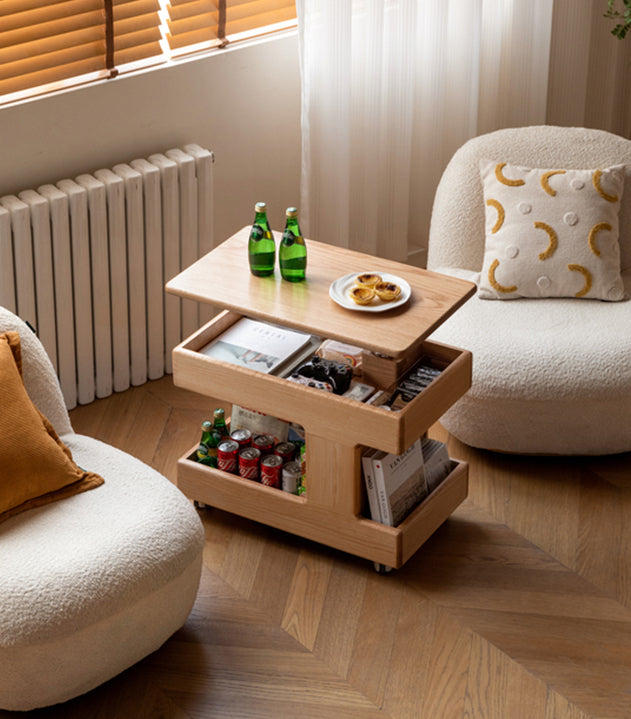
Have you ever stood in your living room wondering if your coffee table and end tables need to match perfectly? It’s a question that puzzles many who want their space to look just right.
You might think matching sets are the only way to create a balanced look, but what if mixing things up could actually make your room more interesting and unique? You’ll discover how to style your tables in a way that feels just right for you—whether you want harmony, contrast, or something in between.
Keep reading to find out how to make your coffee and end tables work together beautifully, no matter their style.

Credit: www.castlery.com
Mixing Styles
Mixing styles can create a unique and inviting space. It allows you to express personality and creativity. Combining different pieces gives your room character. It breaks the monotony of matching sets and adds visual interest.
Combining Different Materials
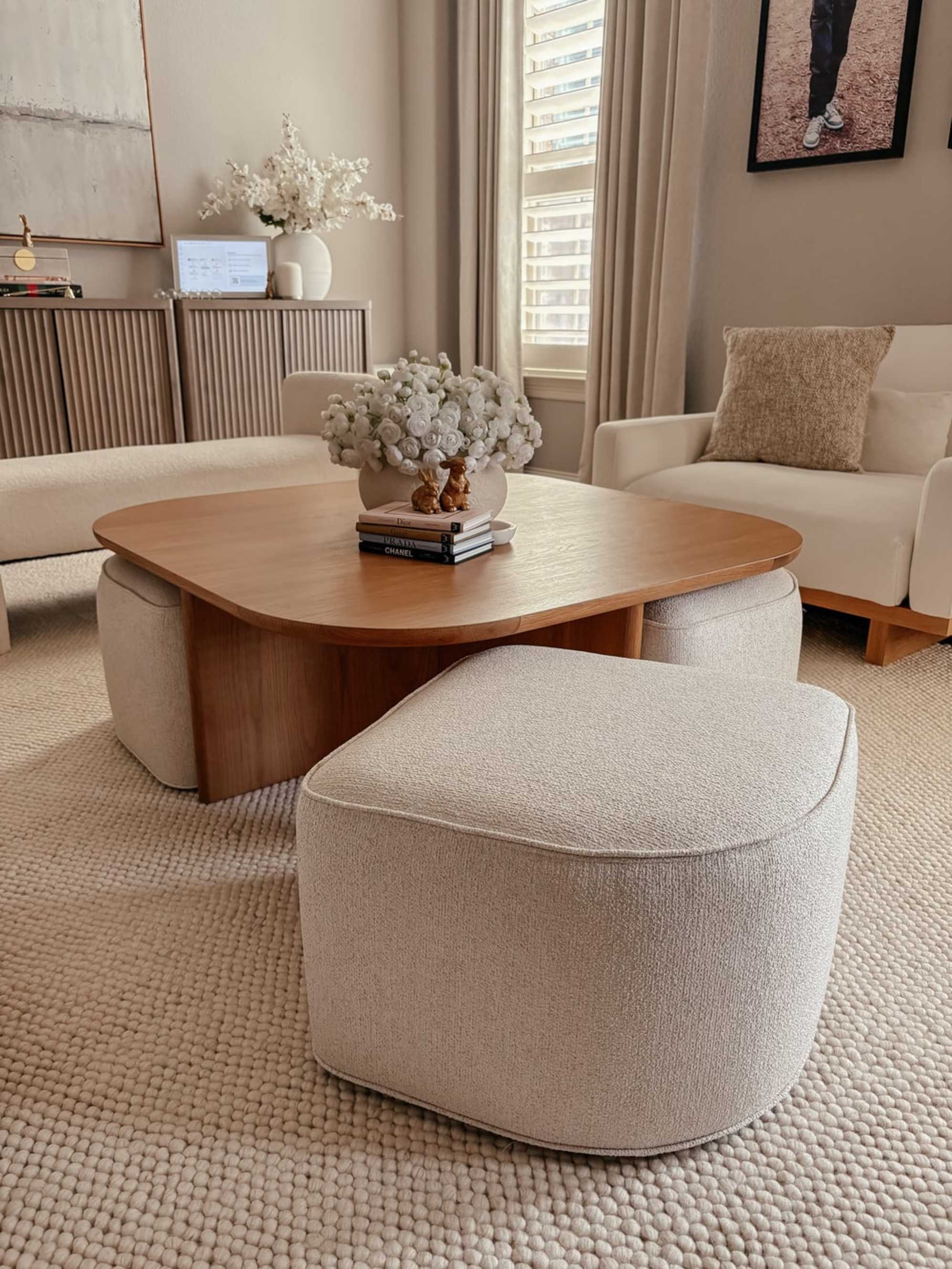
Using various materials adds texture and depth to your space. Wood, metal, glass, and stone can work well together. A wooden coffee table pairs nicely with metal end tables. Mixing materials keeps the look fresh and modern.
Focus on the quality and finish of each piece. Rough wood contrasts beautifully with smooth glass surfaces. Metal legs on wooden tables add an industrial touch. Different materials create a balanced, layered look.
Balancing Colors And Finishes
Colors tie your furniture pieces together. Choose colors that complement each other. Soft tones with bold colors create a pleasing balance. Light and dark finishes can also work in harmony.
Use a color palette to guide your choices. Try to repeat some colors in cushions or rugs. This helps unify the space without exact matches. Mixing finishes like matte and glossy adds subtle contrast.
Credit: www.castlery.com
Matching Vs. Contrasting
Choosing between matching and contrasting coffee tables and end tables shapes the room’s look. Matching sets create a unified feel. Contrasting pieces add character and interest. Both approaches bring unique styles and vibes.
Benefits Of Matching Sets
- Creates a clean, harmonious look in the room.
- Makes the space feel organized and balanced.
- Easy to decorate around since colors and styles align.
- Offers a timeless, classic style that suits many rooms.
- Helps smaller rooms feel less cluttered and more spacious.
Advantages Of Contrasting Pieces
- Adds visual interest and personality to the living space.
- Allows more creativity in mixing colors, shapes, and materials.
- Can highlight unique pieces as focal points in the room.
- Works well in eclectic or modern design styles.
- Offers flexibility to update one piece without redoing the entire set.
Creating Cohesive Spaces
Creating a cohesive living space can transform a room. Matching coffee and end tables is not a must. Mixing different styles can add character. The key lies in harmony. Balancing elements creates a unified look. Let’s explore how to achieve this.
Using Accessories To Tie Pieces Together
Accessories play a crucial role in design. Use them to bridge style gaps. A similar color palette can unify diverse pieces. Consider matching throw pillows or a rug. These elements can bring everything together. Artwork can also act as a unifier. Choose pieces that echo your table styles. This creates a visual link across the room.
Playing With Shapes And Sizes
Shape variation adds interest to a space. Round tables soften a room’s look. Rectangular tables provide structure. Mixing these shapes can balance the room. Size is another factor to consider. Varying sizes can create a dynamic layout. Large coffee tables paired with small end tables add depth. Experimenting with proportions makes a room feel intentional.
Practical Considerations
Choosing coffee and end tables involves more than style. Practical needs often guide the best choice. Consider how these tables will be used daily. Think about where you place them in your room. These factors help decide if matching sets are necessary.
Functionality And Placement
Tables must serve your lifestyle. Coffee tables offer space for drinks and books. End tables hold lamps or small items. Size matters. Large rooms suit bigger tables. Smaller spaces need compact designs. Placement impacts comfort. Tables should be easy to reach. They should not block walking paths. Matching tables may not fit all spaces well. Mixing styles can improve room flow.
Budget-friendly Options
Matching sets can be costly. Buying separate pieces often saves money. Look for sales on individual tables. Consider secondhand or thrift stores. Mixing affordable tables creates a unique look. Focus on durability and quality. Prioritize function over perfect matching. A well-chosen single table can work as well. Budget-friendly choices do not mean low style.
Trendy Table Pairings
Trendy table pairings offer a fresh take on living room design. Matching tables are no longer a must. Mixing styles can create a unique and stylish space. Combining different materials and colors adds depth and interest. This approach makes the room feel more personalized and inviting.
Popular Material Combinations
- Wood and metal: Warm wood tones with sleek metal frames create balance.
- Glass and brass: Transparent glass tops with shiny brass legs add elegance.
- Marble and wood: Marble surfaces paired with wooden bases bring luxury and warmth.
- Stone and iron: Rough stone with dark iron offers a rustic, strong look.
- Rattan and metal: Natural rattan textures combined with metal add contrast and texture.
Color Palette Ideas
- Neutral tones: Soft beiges and grays work well together and feel calm.
- Bold contrasts: Black tables paired with white or bright colors catch the eye.
- Earthy hues: Greens, browns, and terracotta create a grounded, cozy vibe.
- Monochrome mix: Different shades of the same color add subtle variety.
- Pastel accents: Light blues or pinks soften the space and add charm.

Credit: www.castlery.com
Frequently Asked Questions
Do Coffee And End Tables Need To Match Exactly?
No, coffee and end tables don’t need to match exactly. Mixing styles and materials can create a unique, balanced look. Choose complementary colors or themes to maintain harmony. This approach adds personality and depth to your living space while keeping it cohesive.
How To Mix Coffee And End Tables Stylishly?
To mix coffee and end tables stylishly, balance shapes, colors, and textures. Use a common color palette or similar materials. Avoid clashing styles by keeping a consistent theme. This creates visual interest while maintaining a unified room design.
Can Mismatched Tables Affect Room Aesthetics Negatively?
Mismatched tables can enhance room aesthetics if chosen thoughtfully. Clashing styles or colors may disrupt harmony. Ensure tables complement each other through color, size, or texture. Thoughtful pairing adds character without overwhelming the space.
What Styles Work Well For Matching Tables?
Matching tables work well in traditional, modern, and minimalist styles. Consistent materials like wood or metal enhance uniformity. Coordinating shapes and finishes create a polished, intentional look. This approach suits classic and contemporary interiors alike.
Conclusion
Coffee tables and end tables do not have to match exactly. Mixing styles can create a unique, cozy space. Choose pieces that feel good together and fit your room. Contrast can add interest and show your personality. Balance is key—think about size, color, and material.
Your home should feel comfortable, not forced. Trust your eye and enjoy the process of decorating. After all, your space is yours to make special.



