
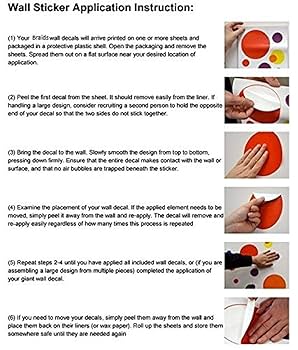
Are you staring at a wall covered in stickers and wondering how to get them all off without damaging the paint? Removing a lot of stickers can feel like a frustrating, time-consuming task.
But what if you could make the process quicker and easier? You’ll discover simple, effective methods to peel off stickers smoothly and keep your wall looking flawless. Keep reading, because by the end, you’ll have the confidence and know-how to tackle even the toughest sticker mess.
Prepare The Area
Clear the wall of any loose dirt or dust before removing stickers. Protect the floor and nearby furniture with a cloth or plastic sheet. Gather tools like a scraper, warm water, and cloths for easy sticker removal.
Taking stickers off a wall can be a daunting task if you’re not well-prepared. Before jumping into the sticker removal process, it’s crucial to set the stage for success by preparing the area effectively. A little groundwork can save you time and prevent damage to your walls. Let’s delve into the essential steps to get the area ready.Gather Necessary Tools
Before you start, ensure you have all the tools you might need. A hairdryer can be extremely handy for loosening adhesive. You might also require a plastic scraper to gently lift stickers without scratching the wall. Consider having a cleaning solution on hand. A mixture of warm water and mild dish soap often works wonders for removing any sticky residue left behind. Don’t forget a soft cloth or sponge. These will be your best friends in wiping down the wall once the stickers are off.Protect Surrounding Surfaces
It’s easy to overlook nearby surfaces, but protecting them is key. Use painter’s tape to cover areas adjacent to the stickers. This ensures you don’t accidentally damage or mark them while removing stickers. Place an old towel or drop cloth on the floor below the wall. This catches any residue or adhesive that might fall, keeping your floors clean and saving you from additional cleanup later. Have you ever found yourself in a mess because you didn’t protect the area first? Avoiding this simple step can lead to unnecessary stress and extra work. Taking these precautions will make the entire process smoother and more efficient. By preparing your area with these simple steps, you’ll set yourself up for a hassle-free sticker removal experience. So, gather those tools and protect those surfaces, and you’ll be ready to tackle even the most stubborn stickers.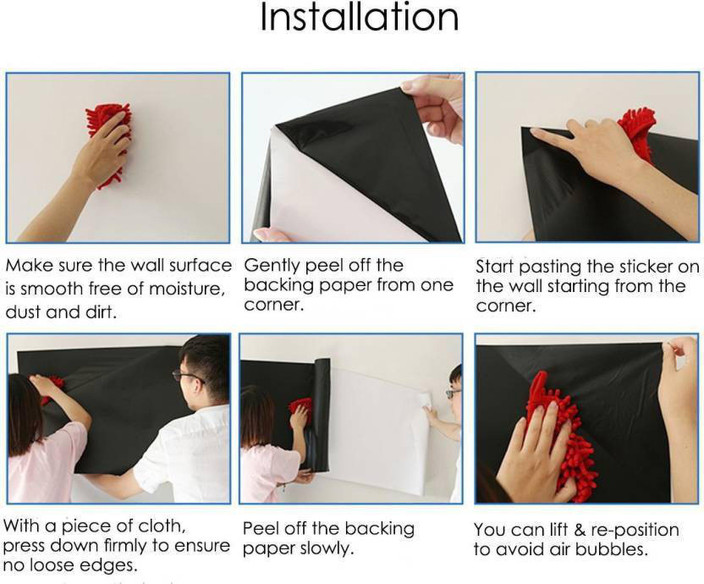
Credit: www.flipkart.com
Soften The Adhesive
Removing many stickers from a wall can be tough. The sticky glue often holds tight, making peeling difficult and risking wall damage. Softening the adhesive makes the process easier. It loosens the glue, so stickers come off smoothly. This step saves time and protects your wall’s paint or wallpaper.
Use Warm Water Or Steam
Warm water helps break down the glue’s hold. Dampen a cloth with warm water and press it on the sticker for a few minutes. This softens the adhesive beneath. For stronger hold, use a steam cleaner or hold a steaming cloth against the sticker. The heat and moisture work together to loosen the glue. After softening, gently peel the sticker off. Repeat if needed.
Apply Heat With A Hairdryer
Heat makes the adhesive less sticky. Point a hairdryer at the sticker on low to medium heat. Keep the dryer moving to avoid damage. Warm the sticker for about 30 seconds to 1 minute. The glue softens, making peeling easier. Use your fingers or a plastic scraper to lift the sticker. Heat helps remove residue left behind. Be patient and avoid high heat that could harm the wall.
Peel Stickers Carefully
Peeling stickers carefully is key to protecting your wall’s surface. Rushing can cause paint to peel or leave sticky residue behind. Taking your time helps keep the wall smooth and clean. Use gentle techniques to avoid damage and save effort later.
Lift Edges Slowly
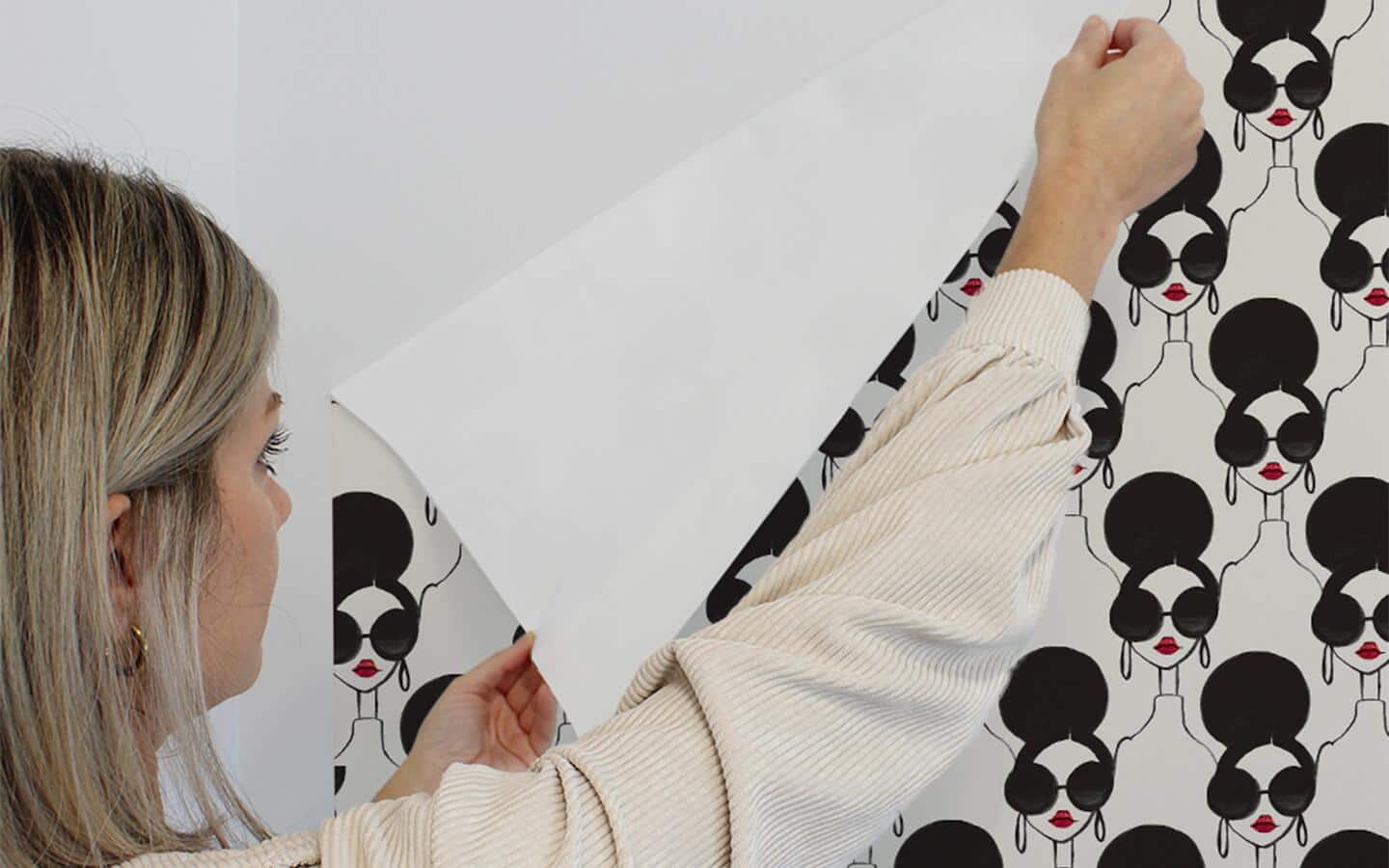
Start by finding a corner or edge of the sticker. Lift it gently with your fingernail or a flat object. Pull the sticker back slowly at a low angle. Quick or sharp pulls can tear the sticker or damage the wall. Work in small sections for better control. Patience here reduces the chance of leaving residue.
Use A Plastic Scraper
A plastic scraper helps remove stickers without harming the paint. Avoid metal tools that can scratch the surface. Slide the scraper under the sticker’s edge to lift it carefully. Use gentle pressure and move the scraper smoothly. This tool helps get stickers off without tearing them into tiny pieces. It also helps remove stubborn adhesive left behind.
Credit: www.homedepot.com
Remove Residue
Removing stickers often leaves behind sticky residue on walls. This leftover glue can attract dirt and spoil the wall’s look. Cleaning this residue is key to restoring a smooth, clean surface. Use gentle methods first to protect your wall’s paint or wallpaper. Follow clear steps to remove residue without damage or effort.
Try Mild Soap Solutions
Mix warm water with a few drops of mild dish soap. Dampen a soft cloth or sponge with the solution. Gently rub the sticky spots using circular motions. Let the soap soak for a few minutes on tough residue. Wipe the area clean with a damp cloth. Dry the wall with a soft towel to avoid streaks. Repeat if necessary until the residue disappears.
Use Commercial Adhesive Removers
Choose a remover safe for painted walls or wallpaper. Test a small hidden area first to check for damage. Apply the remover to a cloth, not directly on the wall. Rub the sticky residue gently until it loosens. Avoid scrubbing hard to prevent paint peeling. Wipe the wall with a clean, damp cloth after use. Allow the wall to dry fully before repainting or decorating.
Prevent Wall Damage
Removing many stickers from a wall can be tricky. The main goal is to protect the wall’s surface. Scraping or using strong chemicals may cause damage. Taking careful steps helps keep paint and drywall safe. This section explains how to avoid wall damage while removing stickers.
Avoid Harsh Chemicals
Harsh chemicals can eat away paint and wall material. Strong solvents often leave marks or discoloration. Instead, choose gentle products like warm soapy water. Natural oils, such as olive or coconut oil, help loosen adhesive safely. Always use soft cloths or sponges to avoid scratching.
Test Methods On Small Areas
Test any removal method on a hidden spot first. This prevents unexpected damage to the visible wall. Apply a small amount of cleaner or oil. Wait a few minutes and check for paint changes or peeling. If no damage occurs, continue with the larger area. Testing saves time and protects your wall’s look.
Handle Stubborn Stickers
Stubborn stickers on walls can be a real challenge. They stick tight and resist peeling. Patience and the right approach help remove them without damage. Use gentle heat and safe solvents to soften the adhesive. This makes the stickers easier to lift off. Keep trying carefully to avoid marks or peeling paint.
Repeat Heating Process
Apply heat with a hairdryer or heat gun. Warm the sticker for about 30 seconds. The heat softens the glue underneath. Slowly peel the sticker from one edge. If it resists, heat it again. Repeat the process until the sticker lifts easily. Avoid overheating to protect the wall paint.
Use Rubbing Alcohol
Dab a cloth with rubbing alcohol. Gently rub the sticker’s edges and adhesive spots. The alcohol breaks down the sticky residue. Let it sit for a few minutes. Use a plastic scraper or your fingernail to lift the sticker. Wipe away leftover glue with the cloth. This method works well on stubborn spots.
Clean And Restore Wall Surface
After removing a large number of stickers from your wall, the surface often needs some care to look its best again. Cleaning and restoring the wall helps remove any residue, dirt, or discoloration left behind. This step also prepares the wall for any touch-ups, ensuring a smooth and refreshed finish.
Wash With Gentle Cleaners
Start by washing the wall with a gentle cleaner to remove sticky residue and dirt. Use a mixture of warm water and mild dish soap or a gentle all-purpose cleaner. Avoid harsh chemicals that might damage the paint or drywall.
Apply the solution with a soft sponge or cloth, scrubbing lightly in circular motions. Rinse the area with clean water and pat it dry with a soft towel. This simple cleaning can make a big difference in how your wall looks after sticker removal.
Touch Up Paint If Needed
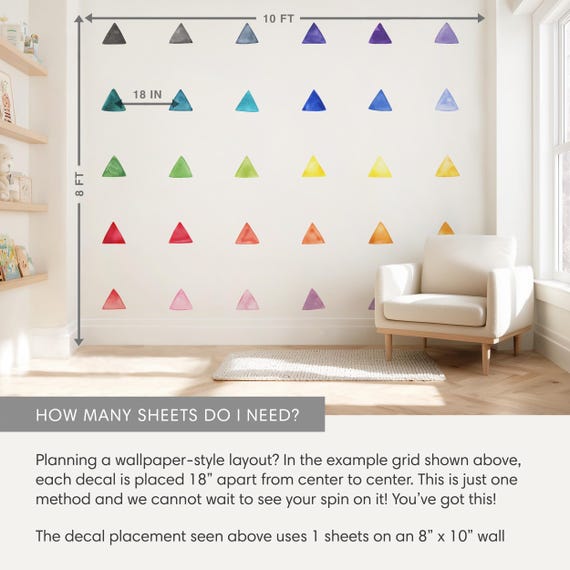
Once the wall is clean and dry, check for any spots where paint may have peeled or faded. Small imperfections can often be fixed with a bit of touch-up paint. Use the same color and finish as your current wall paint for the best results.
If you don’t have leftover paint, take a small chip from the wall to a paint store for a color match. Apply the paint with a small brush, feathering the edges to blend it smoothly into the existing surface. This step can restore your wall’s appearance and make it look like new again.
Credit: www.etsy.com
Frequently Asked Questions
How Can I Remove Stickers Without Damaging The Wall?
Use a hairdryer to warm the sticker adhesive. Gently peel off the sticker starting at the edges. Use mild soap and water to clean residue without harming the paint.
What Tools Help Remove Multiple Stickers Efficiently?
A hairdryer, plastic scraper, and adhesive remover work well. Heat softens glue, while scrapers lift stickers without scratching walls. Adhesive remover cleans stubborn residue safely.
Is It Safe To Use Chemical Removers On Painted Walls?
Choose removers labeled safe for painted surfaces. Test on a small area first. Avoid harsh chemicals to prevent paint damage or discoloration.
How Do I Clean Sticky Residue After Sticker Removal?
Apply warm soapy water or rubbing alcohol to residue. Gently rub with a soft cloth until clean. Avoid abrasive materials to protect the wall finish.
Conclusion
Removing many stickers from a wall takes time and care. Use warm water or oil to loosen the glue. Peel stickers slowly to avoid damage. Clean leftover sticky spots with soap or rubbing alcohol. Patience helps keep your wall smooth and clean.
Follow these simple steps for a neat result. Your wall will look fresh and ready for new decor. Give yourself breaks if needed. Small efforts bring great changes.



