
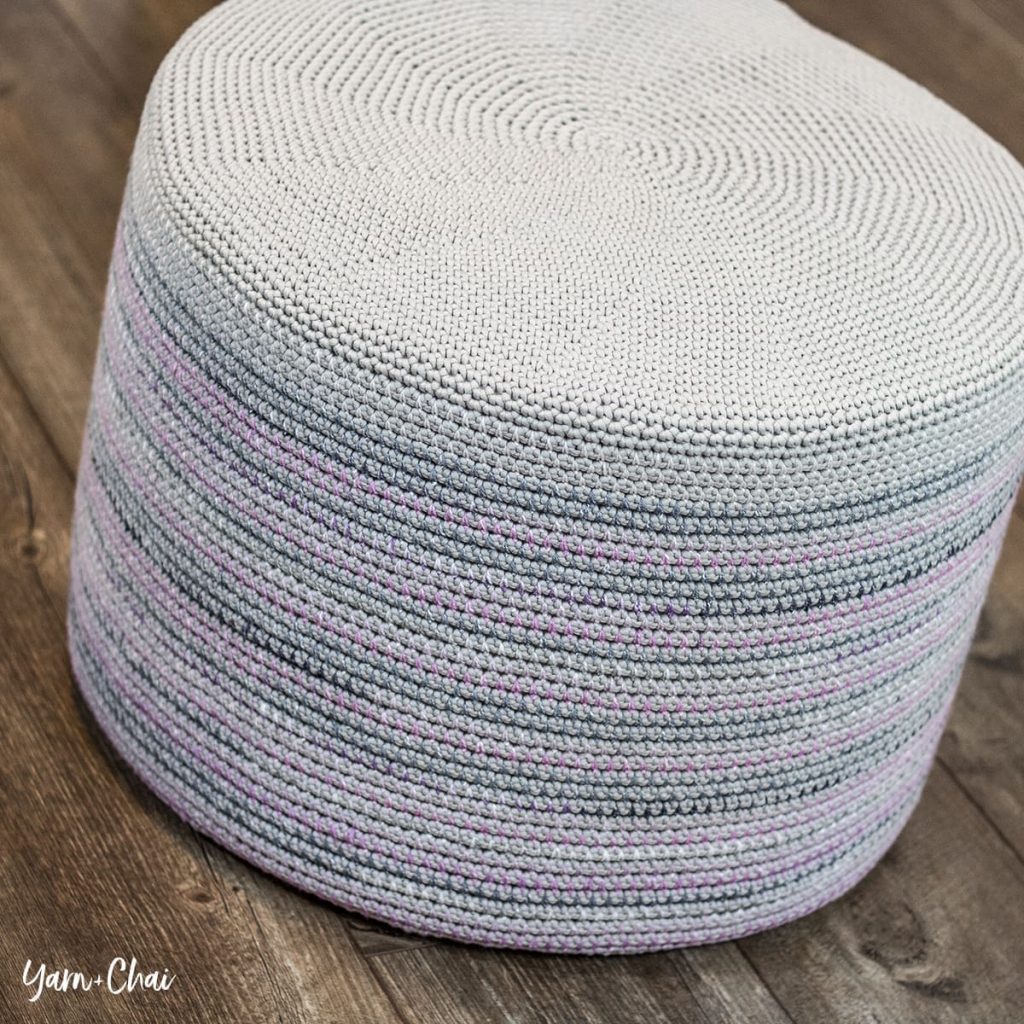
Looking to add a cozy, stylish touch to your living space? Making your own knitted pouf is easier than you think—and it gives you a unique piece that matches your style perfectly.
Imagine sinking your feet into a soft, handmade pouf after a long day, or using it as a comfy seat when friends come over. In this guide, you’ll discover simple steps to create your own pouf, even if you’ve never knitted before.
Stick with me, and by the end, you’ll have a beautiful, functional piece that’s all yours. Ready to get started?

Credit: www3.designindaba.com
Materials Needed
Gathering the right materials is the first step to knitting a pouf that looks great and lasts long. Your choices here affect the texture, durability, and overall feel of the finished piece. Let’s break down what you’ll need to get started.
Choosing The Right Yarn
Pick yarn that is thick and sturdy, so your pouf holds its shape well. Chunky or super bulky yarn works best because it knits up quickly and creates a cozy, cushioned surface.
Think about the fiber too. Cotton or wool blends provide durability and softness, while synthetic yarns like acrylic are easy to clean and budget-friendly. Have you considered how the color and texture of your yarn will complement your room?
Selecting The Needle Size
Use large knitting needles to match the thickness of your yarn. Needles between 10mm and 15mm usually work well for bulky yarns, helping you achieve the right tension and stitch definition.
Choosing the right needle size affects how tight or loose your stitches are. Too small, and your pouf might feel stiff; too big, and it could be floppy. What knitting needle sizes do you feel most comfortable using?
Additional Supplies
Besides yarn and needles, you’ll need a few extras to complete your pouf:
- Stuffing:Polyester fiberfill or old cushions work great for filling your pouf.
- Scissors:Sharp scissors make cutting yarn clean and easy.
- Tapestry needle:For sewing pieces together and weaving in ends.
- Measuring tape:To check your gauge and ensure the right size.
Having these supplies ready before you start saves time and helps you stay focused on your knitting. What other tools have you found handy in your knitting projects?
Preparing Your Workspace
Preparing your workspace is the first step to a smooth knitting project. A well-organized space helps keep your focus and makes the process fun. It reduces frustration and saves time searching for tools. Clean, clear areas create calm and make your work easier.
Set up a space that feels comfortable and suits your needs. Organize your tools and materials so they are easy to find. This preparation helps you enjoy knitting your pouf from start to finish.
Setting Up A Comfortable Area
Choose a spot with good light. Natural light is best for seeing stitches clearly. If needed, add a bright lamp to avoid eye strain.
Pick a chair that supports your back. Comfort matters during long knitting sessions. A table or flat surface nearby is helpful for resting your yarn and tools.
Keep your area quiet or add soft background music. A calm atmosphere helps you focus and relax while knitting.
Organizing Tools And Materials
Gather all your knitting supplies before starting. Include yarn, needles, scissors, stitch markers, and a measuring tape.
- Use small containers or baskets to keep items together.
- Sort yarn by color and thickness for easy access.
- Place frequently used tools within arm’s reach.
- Keep a notebook or pattern printout handy for reference.
Organizing tools saves time and keeps your space tidy. It also helps prevent losing small items during your project.
Basic Knitting Techniques
Learning the basic knitting techniques is the first step to create your own knitted pouf. These techniques form the foundation of every knitting project. Understanding them will make your crafting easier and more enjoyable.
Start with casting on stitches to create the base row. Then, practice the knit and purl stitches, which are the core of most patterns. Finally, binding off secures your work and finishes the piece neatly.
Casting On Stitches
Casting on is the process of creating the first row of loops on the needle. It sets the width of your knitted piece. Use a simple long-tail cast on for an elastic edge that stretches well.
- Measure a long tail of yarn before starting.
- Create a slip knot and place it on the needle.
- Use your fingers to form loops and slide them onto the needle.
- Count stitches carefully to match your pattern.
Knit And Purl Stitches
The knit stitch creates a smooth, “V” shaped pattern. The purl stitch looks like tiny bumps on the fabric. Combining these stitches makes various textures and designs.
- Hold the needle with cast-on stitches in your left hand.
- Insert the right needle into the first stitch from front to back.
- Wrap yarn around the needle and pull it through to form a new stitch.
- For purl, bring the yarn to the front before inserting the needle.
- Practice each stitch slowly to build confidence.
Binding Off
Binding off finishes your knitting by securing the last row. This technique stops your stitches from unraveling. It creates a clean, firm edge for your pouf.
- Knit two stitches as usual.
- Use the left needle to lift the first stitch over the second stitch.
- Continue knitting one stitch and lifting the previous stitch over it.
- Repeat until one stitch remains on the needle.
- Cut the yarn and pull it through the last stitch to secure.
Creating The Pouf Shape
Creating the pouf shape is a key part of your knitting project. This step turns your yarn work into a useful and stylish pouf. The shape needs to be firm yet soft, perfect for sitting or resting your feet. Careful knitting and joining will help you achieve a neat, durable pouf.
Knitting The Panels
Start by knitting several flat panels. These panels form the sides and top of the pouf. Use thick yarn and large needles for a chunky, sturdy texture. Make each panel the same size for a balanced shape.
- Choose a simple stitch like garter or stockinette for easy knitting.
- Knit rectangles for the sides and a square or circle for the top.
- Count your stitches and rows to keep panels uniform.
- Use the same tension throughout to avoid uneven edges.
These panels are the building blocks of your pouf’s shape.
Joining The Pieces
Once panels are ready, join them carefully. This step gives your pouf its form and strength. Use a strong but flexible stitch to sew panels together.
- Align edges neatly before sewing.
- Use a whip stitch or mattress stitch for a smooth seam.
- Leave a small opening for stuffing the pouf.
- After filling, close the opening securely.
Joining panels tightly keeps the pouf firm and prevents gaps. Take your time to sew evenly for a professional look.
Stuffing And Finishing
Stuffing and finishing your knitted pouf is where it really takes shape. This part transforms your cozy knit into a comfy, usable piece. Paying attention to the filling and how you close the pouf ensures it looks great and lasts long.
Choosing The Right Filling
Think about how you want your pouf to feel. If you want it soft and squishy, polyester fiberfill works well and is easy to find. For a firmer pouf, try using foam pieces or even old cushions cut into small bits.
Don’t overlook eco-friendly options like recycled fabric scraps or natural materials such as wool. These choices can add a unique texture and keep your pouf sustainable. What kind of comfort do you prefer when you sit down?
Stuffing Techniques
Start by loosely filling the pouf to avoid lumps. Add stuffing gradually, pressing it down gently to maintain shape. You want it full but still soft enough to sink into.
Using your hands to push the stuffing into all corners helps keep the form even. If your filling is clumpy, try breaking it up before adding. This little step makes a big difference in the final look and feel.
Sealing The Pouf
Once stuffed, closing the pouf neatly keeps everything secure. Use a whip stitch or mattress stitch for an invisible seam. These stitches hold well without ruining your knitted pattern.
If your yarn is thick, a tapestry needle makes sewing easier and less likely to snag. Double-check the seam by gently pressing the pouf to see if any stuffing escapes. How confident do you feel about finishing touches on your knitting projects?

Credit: www3.designindaba.com
Customization Ideas
Creating a knitted pouf is a rewarding project. Customizing it can make it truly unique. Various ideas can enhance its look and functionality. These ideas allow you to express your creativity. Let’s explore some customization options.
Adding Patterns And Colors
Patterns can bring your pouf to life. Consider stripes for a classic look. Geometric shapes add a modern touch. Use contrasting colors for visual interest. Choose colors that match your decor. Bold hues can make a statement piece. Pastels offer a soft and cozy feel.
Incorporating Handles Or Tassels
Handles add functionality to your pouf. They make moving it easier. Use strong yarn for durability. Tassels can add a playful element. Attach them to the edges for flair. Choose tassel colors that complement your design. This adds a touch of elegance.
Care And Maintenance
Keeping your knitted pouf looking fresh and durable means giving it the right care and attention. Regular maintenance not only extends its life but also keeps it inviting and comfortable. Let’s dive into some practical ways you can clean and fix your pouf at home without hassle.
Cleaning Tips
Start by dusting your pouf gently with a soft brush or vacuum cleaner using a low suction setting. This removes surface dirt without pulling the yarn.
For spot cleaning, use a damp cloth with mild soap and dab gently on the stained area. Avoid rubbing hard, as this can stretch or damage the knit.
If your pouf’s cover is removable, hand wash it in cold water with a gentle detergent to keep the fibers soft. Air dry flat to prevent shrinking or misshaping.
Have you noticed how some stains seem to settle in deeply? Acting fast can make a big difference. Always test cleaning solutions on a small, hidden part first.
Repairing Minor Damages
Snags and loose threads happen, but they don’t have to ruin your pouf. Use a crochet hook or a knitting needle to pull the loose yarn back into place carefully.
If you spot small holes, patch them by darning with matching yarn. This simple fix can blend right in, especially if you use the same stitch pattern.
Keep a small repair kit handy with extra yarn, needles, and scissors. This way, you can tackle minor issues as soon as they appear and avoid bigger problems later.
Have you ever ignored a tiny pull, only to see it grow? Fixing small damages promptly keeps your pouf looking neat and saves you time in the long run.
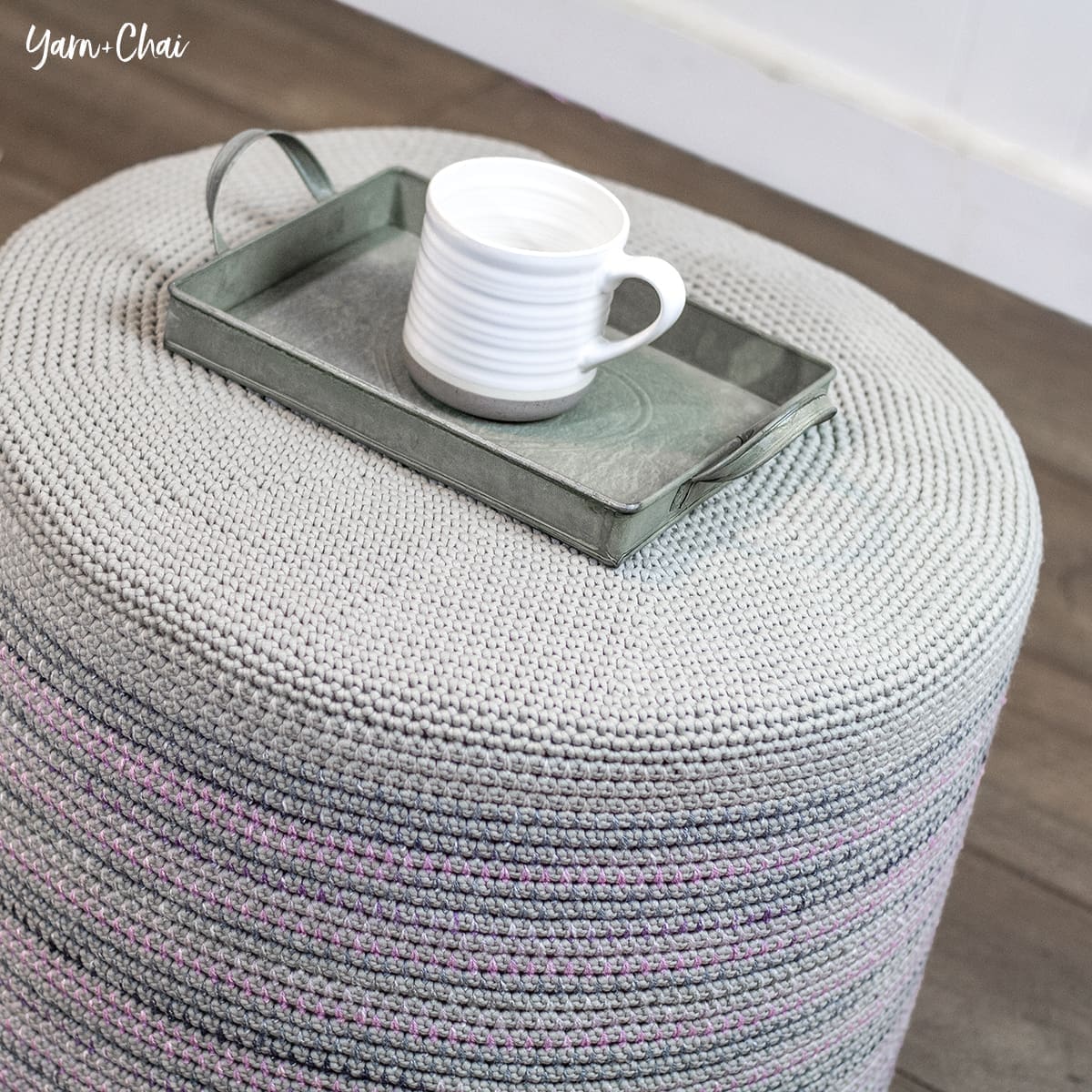
Credit: yarnandchai.com
Frequently Asked Questions
What Materials Are Needed To Make A Knitted Pouf?
To make a knitted pouf, you need chunky yarn, a large knitting needle or arm knitting, a pouf filling like foam or polyester, and a yarn needle for finishing. Choose soft, durable yarn for comfort and longevity. These materials are easy to find in craft stores.
How Long Does It Take To Knit A Pouf?
Knitting a pouf typically takes 4 to 6 hours for beginners. Experienced knitters may finish it faster, around 2 to 3 hours. Time depends on your knitting speed and pouf size. Chunky yarn and large needles speed up the process.
Can Beginners Easily Knit Their Own Pouf?
Yes, beginners can knit a pouf with basic knitting skills. Use simple stitches like knit and purl. Follow step-by-step tutorials for guidance. Chunky yarn and large needles make the project easier and faster. It’s a great beginner-friendly DIY project.
How Do You Stuff A Knitted Pouf?
Stuff a knitted pouf by filling it with foam, polyester fiberfill, or old cushions. Insert the filling evenly to maintain shape. Use a yarn needle to close the opening securely after stuffing. Adjust stuffing for firmness or softness as desired.
Conclusion
Making your own knitted pouf is fun and rewarding. It adds a cozy touch to any room. You can choose colors and size to match your style. Plus, it saves money compared to buying one. Start with simple steps, and enjoy the process.
Soon, you will have a unique piece to relax on or decorate with. Try it today and feel proud of your handiwork. Crafting brings joy and a personal touch to your home.



