
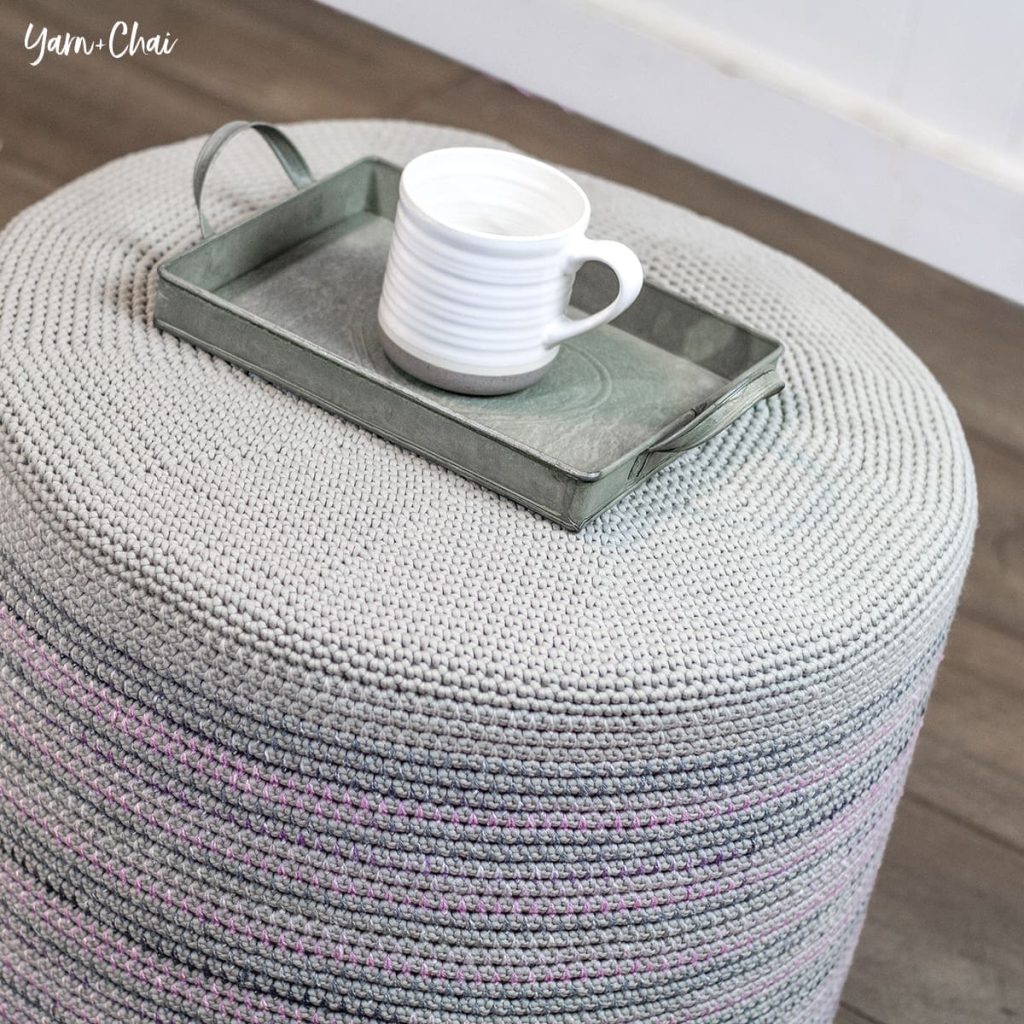
Looking to add a cozy, stylish touch to your living space? A round pouf cushion is the perfect way to do just that.
Not only does it bring comfort, but it also adds a pop of personality to any room. And guess what? You can make one yourself, even if you’ve never sewn before. In this guide, you’ll discover simple steps to create a beautiful round pouf cushion that fits your style and space perfectly.
Ready to transform your home with a handmade touch? Let’s get started!
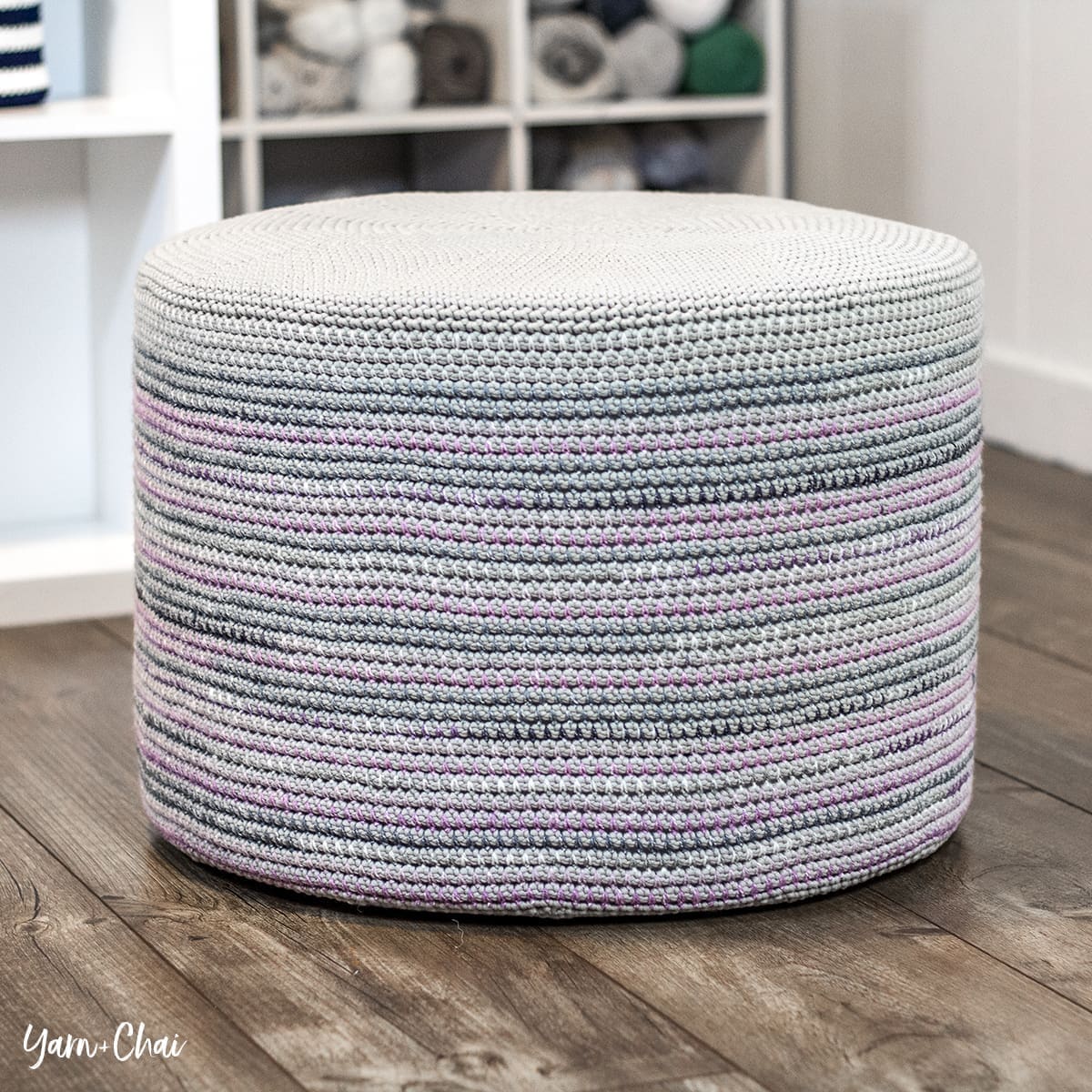
Credit: yarnandchai.com
Materials Needed
Gathering the right materials is the first step to making a round pouf cushion that looks great and feels comfortable. Choosing quality fabric, suitable filling, and the proper tools will make your sewing process smoother. Let’s look closely at what you need to bring your pouf cushion to life.
Fabric Choices
Pick a fabric that matches your style and durability needs. Cotton and linen offer breathability and are easy to sew, making them perfect for beginners. If you want something more durable, canvas or upholstery fabric will stand up to daily use.
Think about the texture and color too—do you want a soft, cozy feel or a sleek, modern look? Patterned fabrics can add personality, but keep in mind that matching seams can be trickier. What vibe do you want your pouf to give off in your space?
Filling Options
Your pouf’s comfort depends on the filling you choose. Polystyrene beads create a lightweight, moldable cushion that adapts to your shape. However, if you prefer something firmer, polyester fiberfill or foam inserts provide more support and structure.
Consider how much weight your pouf needs to hold and how often it will be used. Filling it too loosely can make it floppy, while too much filling makes it hard and less comfy. Which feels better for your daily use?
Tools Required
Having the right tools makes the project easier and more enjoyable. You’ll need a sewing machine for quick, strong stitches, but hand sewing needles work for smaller areas or finishing touches. Sharp fabric scissors are a must for clean cuts.
Other handy tools include pins or clips to hold fabric in place, a tape measure for accurate sizing, and a fabric marker or chalk to draw your cutting lines. Do you have all these ready, or is it time for a quick shopping trip?
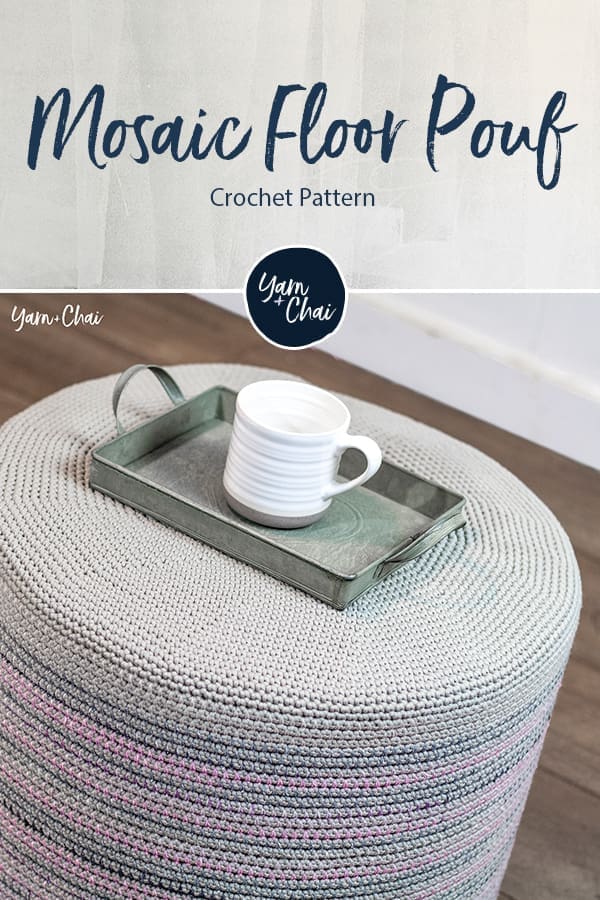
Credit: yarnandchai.com
Measuring And Cutting Fabric
Measuring and cutting fabric is the first important step in making a round pouf cushion. Precise measurements ensure the pouf looks neat and fits together well. Cutting fabric accurately saves time and reduces waste. Follow simple steps to get perfect pieces for your pouf.
Determining Size
Decide the diameter of your pouf. Common sizes range from 16 to 20 inches. Choose a height for the side strip, usually 10 to 12 inches. Write down these numbers clearly. Add 1 inch to each measurement for seam allowances. This extra fabric helps when sewing pieces together.
Cutting Circles
To cut perfect circles, use a fabric marker and a string. Tie the string to a pencil. Hold the string center on fabric and draw circles. Make two circles for the top and bottom. Cut carefully along the drawn lines. Keep the edges smooth to avoid fraying.
Cutting Side Strip
The side strip is a long rectangle that wraps around the pouf. Its length equals the circle’s circumference plus seam allowance. Use this formula: Circumference = Diameter × 3.14. Cut the strip to your chosen height plus seam allowance. Straight cuts help the strip fit well.
Sewing The Pouf
Cut fabric pieces carefully to match your round pouf design. Sew edges with a strong stitch, leaving an opening to fill. Close the gap after stuffing for a neat finish.
Sewing the pouf is where your fabric pieces come together to create a functional and stylish addition to your space. It’s the heart of the project where you see your creativity come to life. Even if you’re not a seasoned sewist, this part of the process can be incredibly rewarding as you watch a simple piece of fabric transform into a cozy pouf.Attaching Side Strip To Bottom
To start, align the side strip with the bottom circle of your pouf. Ensure the right sides of the fabric are facing each other. Pin the fabric securely to keep it in place as you sew. Stitch around the edge carefully, maintaining a consistent seam allowance. Remember, this step lays the foundation for the shape of your pouf, so take your time. If you find the fabric bunching, pause and adjust it. This will help ensure a smooth finish.Sewing The Top
Next, you’ll attach the top circle to the side strip. Again, align the right sides together and pin securely. Slowly sew around the edge, mirroring the process you used for the bottom. Consistency is key here to maintain symmetry in your pouf. This step is where your pouf takes its final shape, and it’s exciting to see it come together.Leaving An Opening
As you sew the top, remember to leave an opening of about 6 inches. This is crucial for turning the pouf right-side-out and for adding stuffing. It’s easy to get carried away and sew the entire seam closed, so mark the start and end of the opening with pins as a reminder. After sewing, trim any excess fabric and carefully turn your pouf right-side-out through the opening. This is the moment when your hard work becomes tangible, and you’re almost ready to enjoy your new cushion.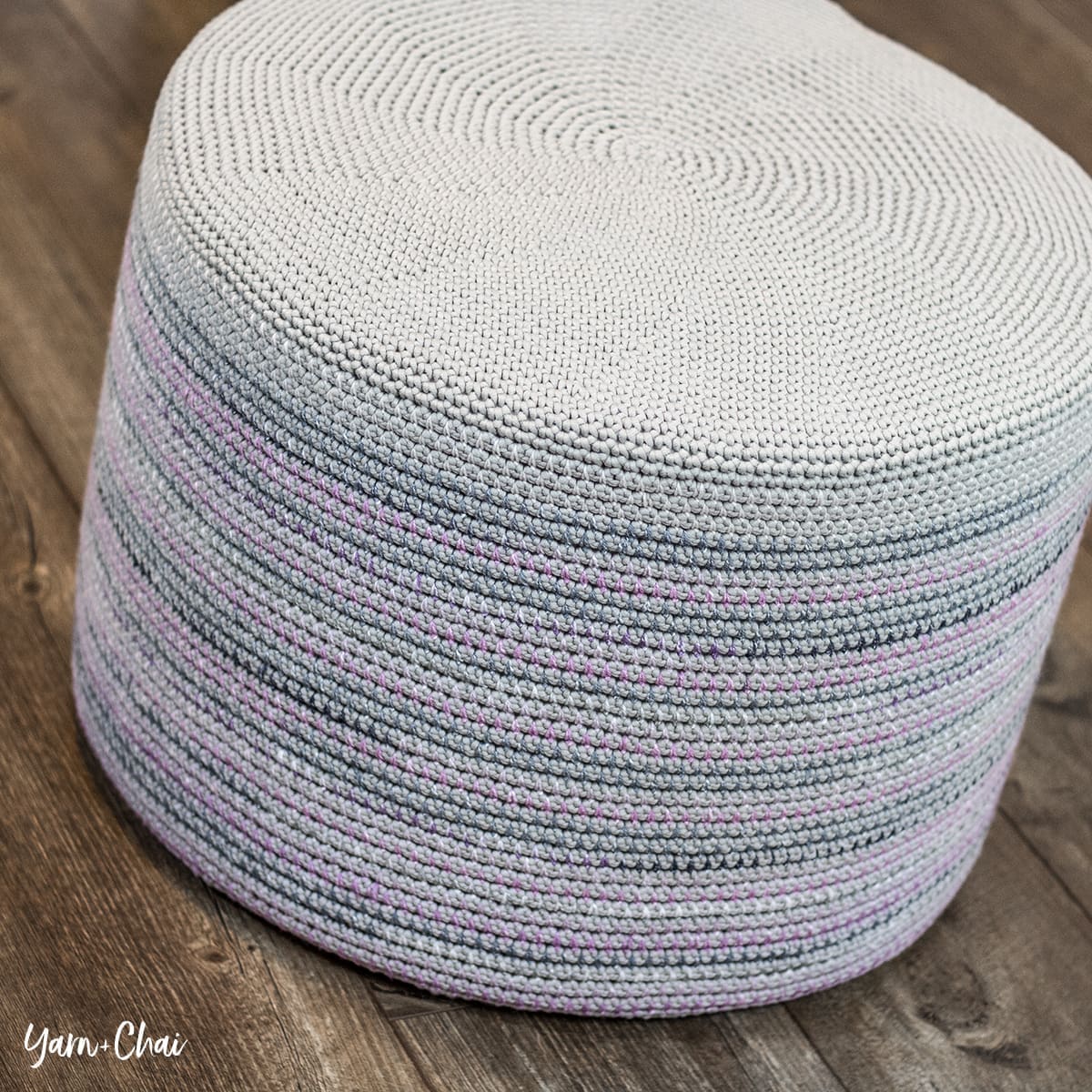
Credit: yarnandchai.com
Stuffing The Pouf
Stuffing the pouf is a key part of making it comfortable and durable. The right filling shapes the pouf and gives it support. Filling it properly helps the pouf keep its round form and last longer.
Choosing The Right Filling
Select filling based on comfort and firmness needs. Common options include:
- Polyester fiberfill – soft and lightweight
- Foam pieces – firmer and supportive
- Old clothes or fabric scraps – eco-friendly and cheap
- Bean bag pellets – flexible and moldable
Each filling type changes the feel and shape of the pouf.
Filling Techniques
Start by adding small amounts of filling inside. Push the filling evenly to avoid lumps. Use your hands or a stick to spread the material. Check the shape often to keep it round. Fill slowly to control the size and form.
Adjusting Firmness
Press the pouf to test firmness. Add more filling to make it hard. Remove some filling to soften it. The right firmness depends on use and comfort preference. Adjust until the pouf feels just right to sit or rest on.
Closing The Pouf
Closing the pouf is the final step that transforms your work from a simple fabric piece into a cozy, functional cushion. This stage demands patience and precision to ensure the pouf holds its shape and feels comfortable to use. Taking the time to properly close the opening will extend the life of your pouf and keep the filling secure inside.
Hand Stitching The Opening
After stuffing your pouf with filling, the opening needs to be closed carefully by hand. Choose a strong, matching thread and a sharp needle to make the stitches less visible and durable.
Use a ladder stitch (also known as an invisible stitch) to neatly close the gap. This stitch allows the fabric edges to come together seamlessly, hiding the thread inside.
- Start by knotting your thread securely at one end.
- Insert the needle from the inside of the fabric to hide the knot.
- Take small horizontal stitches along each side of the opening, alternating sides.
- Pull the thread gently to close the gap without puckering the fabric.
- Finish with a secure knot and trim any excess thread.
Have you ever rushed this step only to have your pouf stuffing spill out later? Taking your time here makes all the difference.
Securing The Seams
Even after stitching the opening, reinforcing the seams adds strength and prevents wear over time. Pay extra attention to the corners and stress points where the pouf will receive the most pressure.
You can reinforce seams by sewing over them again with a backstitch, which is strong and reliable. Alternatively, a whip stitch along the seam edges adds extra durability.
- Use consistent, tight stitches to avoid gaps.
- Double-check all seams for any weak spots.
- Consider adding a small patch on the inside if the fabric feels thin.
Securing seams well means your pouf won’t just look good but also withstand daily use. Would you rather repair a seam later or enjoy a pouf that lasts for years?
Adding Finishing Touches
Adding finishing touches to your round pouf cushion transforms it from a simple project into a charming piece that reflects your style. These final details not only enhance the look but also improve durability and comfort. It’s amazing how a few thoughtful additions can elevate your handmade pouf to a standout item in your living space.
Decorative Elements
Think about adding buttons or tassels to give your pouf a unique flair. Sewing a large button in the center can create a tufted effect that adds texture and depth.
Tassels or pom-poms around the edges bring a playful touch and soften the overall look. You can attach these using strong thread or small fabric loops for easy removal and washing.
Another option is to use fabric paint or embroidery to personalize your pouf with patterns or initials. This adds a creative twist and makes your cushion truly one-of-a-kind.
Cleaning And Maintenance Tips
Keeping your pouf clean extends its life and keeps it looking fresh. Use a vacuum with a brush attachment regularly to remove dust and dirt from the surface.
If your pouf cover is removable, wash it according to the fabric care instructions. For non-removable covers, spot clean stains promptly with a mild detergent and water mixture.
Consider applying a fabric protector spray to prevent future stains. Have you thought about how easy maintenance can make your handmade piece a long-lasting favorite?
Troubleshooting Tips
Troubleshooting is key to a smooth sewing experience. It helps fix problems early and saves time. This section covers the most common issues faced while making a round pouf cushion.
Common Sewing Issues
Thread bunching or tangling often happens with wrong tension. Adjust your sewing machine tension for smooth stitching. Needle skipping stitches means the needle might be dull or wrong size. Replace the needle with a fresh, appropriate one. Fabric puckering can occur if the fabric is stretched or feed dogs are not working well. Keep fabric relaxed and check machine parts.
- Ensure correct thread type and needle size.
- Use pins or clips to hold fabric firmly.
- Test on scrap fabric before sewing pouf parts.
- Keep stitches consistent in length for durability.
Fixing Shape Problems
Uneven or lumpy poufs happen from poor stuffing or cutting. Cut fabric pieces carefully using templates or patterns. Stuff evenly with filling to maintain shape. If the pouf looks flat, add more stuffing gradually. Rounded edges may need extra trimming or resewing. Adjust seams gently to correct bulges or unevenness.
- Check all pieces match before sewing.
- Stuff lightly first, then add more as needed.
- Secure stuffing to avoid shifting inside pouf.
- Press seams with an iron for crisp edges.
Frequently Asked Questions
What Materials Are Needed To Make A Round Pouf Cushion?
To make a round pouf cushion, you need fabric, stuffing, thread, scissors, a sewing needle or machine, and a zipper or buttons. Choose durable fabric like cotton or linen for strength and comfort. Quality stuffing ensures a soft, supportive pouf.
How Do You Sew A Round Pouf Cushion?
Cut two round fabric pieces and a side strip. Sew the side strip to one round piece, then attach the other round piece. Leave an opening to add stuffing. Finally, sew the opening closed or insert a zipper for easy removal.
What Type Of Stuffing Is Best For Pouf Cushions?
Polyester fiberfill and foam beads are popular stuffing options. Fiberfill offers softness and shape retention. Foam beads provide firm support and moldability. Choose stuffing based on desired firmness and cushion use for comfort and durability.
Can I Customize The Size Of My Round Pouf Cushion?
Yes, you can customize the size by adjusting the fabric circles and side strip length. Measure your desired diameter and height before cutting. Custom sizes fit different spaces and personal preferences, making your pouf unique.
Conclusion
Making a round pouf cushion is simple and fun. You only need a few materials and steps. This project adds comfort and style to any room. Enjoy creating a cozy spot for sitting or resting your feet. Try different fabrics and colors to match your space.
Handmade cushions bring a personal touch to your home. Give it a try and see how easy it is to craft your own pouf. Small projects like this make a big difference in home decor.



