
Looking to refresh your living space with a cozy pouf ottoman but unsure what to fill it with? You’re not alone.
Choosing the right stuffing can make all the difference in comfort, durability, and style. Whether you want something soft and squishy or firm and supportive, the filling you pick will shape how your pouf feels and lasts. Keep reading to discover simple, effective stuffing ideas that fit your needs—and turn your pouf ottoman into the perfect spot to relax or add a stylish touch to your room.

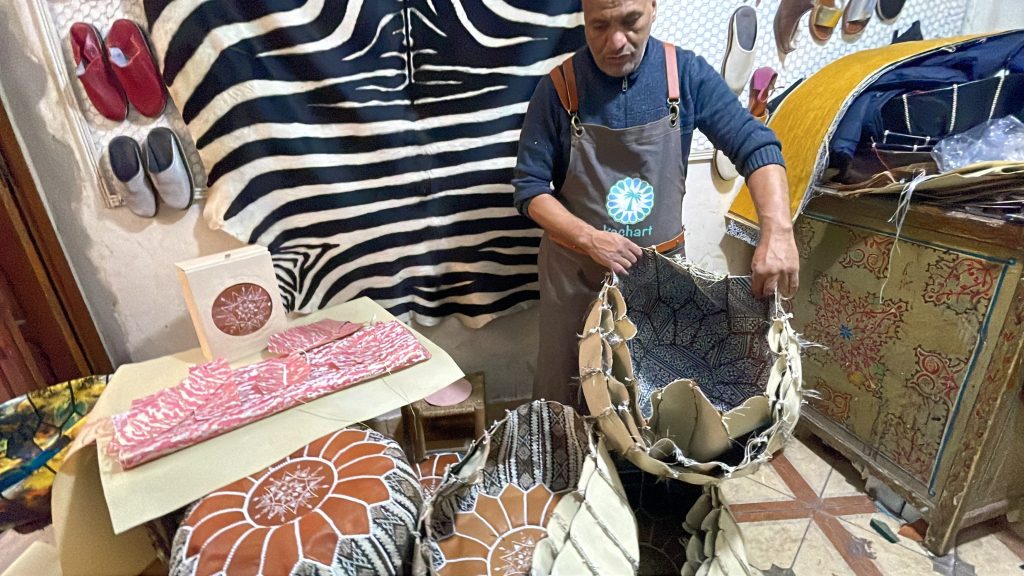
Credit: kmccberwick.ca
Types Of Pouf Ottoman Fillings
Choosing the right filling for your pouf ottoman can change how it feels and lasts. Different fillings offer various levels of comfort, support, and durability. Understanding the types available helps you pick what fits your style and needs best.
Natural Fillings
Natural fillings like cotton, wool, and kapok offer a soft, breathable option. They provide a cozy feel and are often eco-friendly. However, they might compress faster if you use your pouf ottoman daily.
If you want something that feels warm and organic, natural fillings could be your choice. Cotton batting is common and easy to find, but wool adds extra resilience. Kapok, a silky fiber from trees, is lightweight and hypoallergenic.
Synthetic Fillings
Synthetic options such as polyester fiberfill and foam are popular for their durability and shape retention. These materials often hold up well under frequent use and resist moisture better than natural fibers.
Polyester fiberfill is soft and fluffy, making your pouf feel plush. Foam inserts provide firm support and keep the ottoman’s shape intact. You can combine both for a balance of softness and structure.
Recycled Materials
Using recycled fillings is a smart choice if you want to reduce waste and be environmentally responsible. Materials like shredded foam from old cushions or recycled fabric scraps work well.
These fillings can be budget-friendly and eco-conscious. Just make sure the material is clean and free of allergens before stuffing your pouf ottoman. Would you consider recycled materials knowing they help the planet while giving your furniture a second life?
Foam Fillings
Foam fillings offer excellent support and comfort for pouf ottomans. They shape well and retain their form over time. Foam comes in different types, each with unique benefits. Choosing the right foam can affect the look and feel of your pouf.
Memory Foam
Memory foam molds to the body’s shape, providing personalized comfort. It offers a soft and cushy feel that adapts as you sit. This foam slowly returns to its original form, giving lasting support. It is ideal for a cozy, plush pouf ottoman.
Shredded Foam
Shredded foam consists of small foam pieces that move freely inside the cover. This filling allows for better airflow and flexibility. It adjusts easily to different sitting positions and feels lighter. Shredded foam is easy to refill and customize for firmness.
High-density Foam
High-density foam is firm and durable, holding shape well under pressure. It provides strong support and resists sagging over time. This foam works best for poufs used as seating or footrests. It gives a sturdy feel while maintaining comfort.
Bean Bag Fillings
Choosing the right bean bag filling can change how your pouf ottoman feels and performs. It affects comfort, durability, and even how easy it is to clean. Here’s a closer look at some popular options to help you decide what suits your needs best.
Polystyrene Beads
Polystyrene beads are the classic choice for bean bag fillings. These tiny, lightweight beads provide excellent support while allowing your pouf to mold to your body shape.
They are affordable and widely available, making them a go-to for many DIY projects. However, keep in mind that they can compress over time, which might require occasional refilling to maintain comfort.
Microbeads
Microbeads are much smaller than traditional polystyrene beads and give a smoother, softer feel. They create a more luxurious texture that some people prefer for sitting or resting their feet.
If you like a plush pouf that contours gently, microbeads could be the perfect pick. Just remember, they tend to be denser and heavier, which might affect portability.
Eco-friendly Beads
If sustainability matters to you, eco-friendly beads are worth considering. These fillings are often made from recycled materials or biodegradable substances, reducing environmental impact.
Brands are now offering eco-friendly beads that still provide good support and comfort without the guilt. Would you choose comfort or conscience when picking your pouf’s filling?
Fiber Fillings
Fiber fillings provide soft, lightweight support for pouf ottomans. They create a cozy and comfortable feel. These materials are easy to shape and adjust inside the pouf cover. Fiber fillings also offer good resilience, helping the pouf keep its form over time.
Choosing the right fiber affects the pouf’s firmness and durability. Each fiber type has unique features and care needs. Understanding these differences helps you pick the best stuffing for your pouf.
Polyester Fiberfill
Polyester fiberfill is a popular choice for pouf stuffing. It is soft, fluffy, and lightweight. This fiber is easy to find in craft and fabric stores. Polyester resists moisture and dries quickly, reducing mold risks.
It holds its shape well, making the pouf comfortable to sit on. Cleaning is simple with spot cleaning or gentle washing. Polyester fiberfill is also budget-friendly and hypoallergenic.
Cotton Fiber
Cotton fiber is natural and breathable. It offers firm support and a smooth texture. Cotton is less springy than polyester but feels cooler in warm climates. This fiber is eco-friendly and biodegradable.
Cotton fillings require more care to avoid clumping. Regular fluffing keeps the pouf looking full. It may absorb moisture, so keep the pouf dry to prevent mildew. Cotton works well for those who prefer natural materials.
Wool Fiber
Wool fiber adds warmth and softness to poufs. It has natural elasticity and bounces back after use. Wool helps regulate temperature, keeping the pouf cozy in winter and cool in summer.
This fiber is naturally resistant to dirt and odors. Wool requires gentle care and occasional airing to maintain freshness. It is a durable, eco-friendly option for a luxurious feel.
Alternative Filling Options
Choosing the right filling for your pouf ottoman can change its comfort and look. Alternative filling options offer variety beyond traditional foam or beads. These materials can be eco-friendly, budget-friendly, or provide a unique feel. Each option has its benefits and care tips.
Old Clothes Or Fabric Scraps
Old clothes or fabric scraps make a great pouf filler. They are soft and easy to mold into shape. This option helps recycle materials and reduce waste. Cut fabric into small pieces for even stuffing. It gives a cozy, plush feel and can be adjusted easily. Keep the fabric clean and dry to avoid odors.
Buckwheat Hulls
Buckwheat hulls are natural and firm filling material. They provide good support and allow air circulation inside the pouf. This makes the ottoman cool and comfortable. Hulls can be noisy when moved but offer excellent durability. Use a strong inner bag to prevent leakage. They make the pouf feel sturdy yet flexible.
Natural Latex
Natural latex is a soft but supportive option. It is hypoallergenic and resistant to dust mites. Latex filling keeps the pouf springy and comfortable over time. It is eco-friendly and biodegradable. This material works well for those wanting a long-lasting pouf. Make sure to get pure latex to avoid synthetic additives.
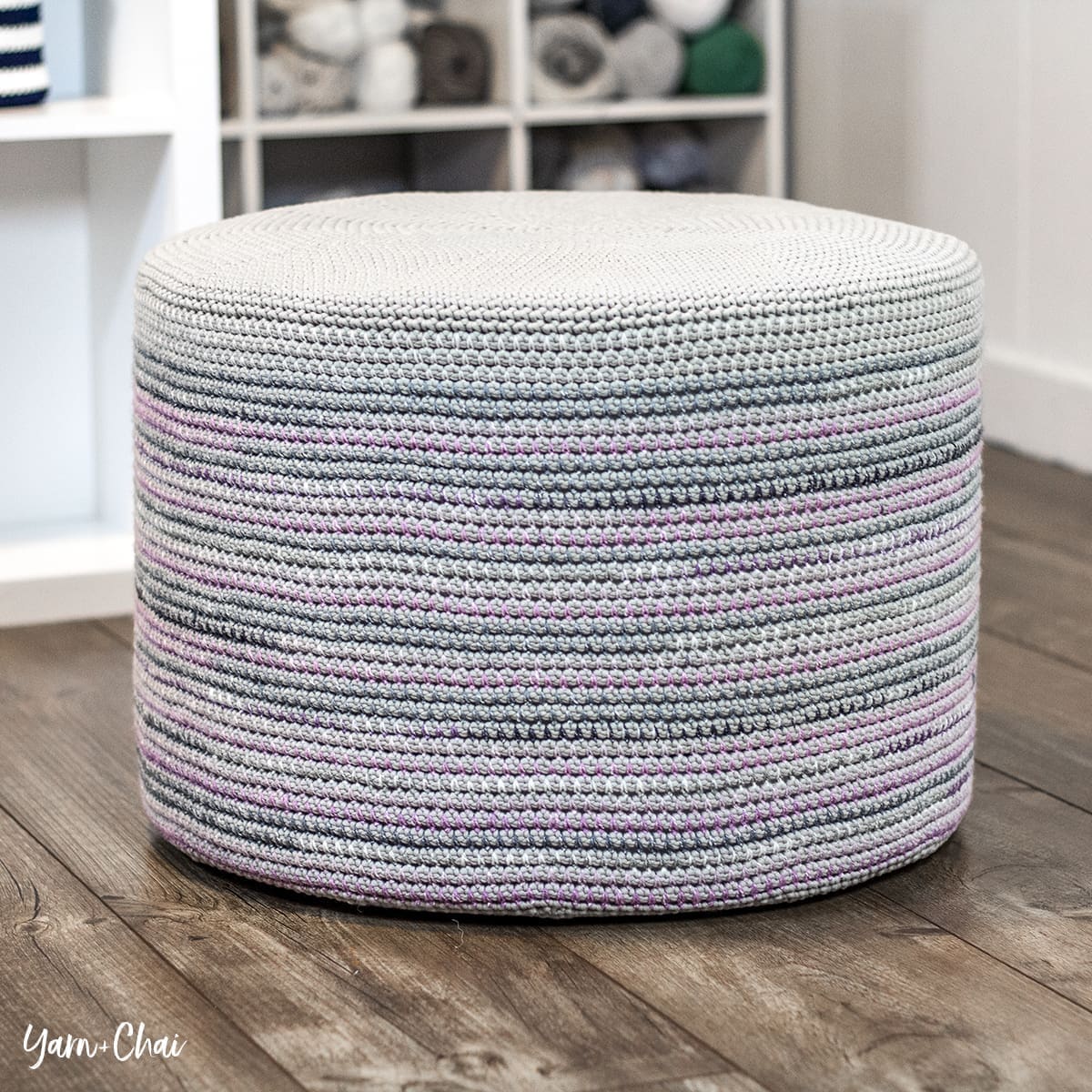
Credit: yarnandchai.com
Choosing The Right Filling
Choosing the right filling for a pouf ottoman shapes its comfort and function. The filling affects how soft or firm the pouf feels. It also influences how long the pouf lasts and how easy it is to care for. Think about the room where you will place the pouf and who will use it most. These factors help pick the best filling material.
Comfort And Support
Comfort depends on the filling’s softness and firmness. Foam offers firm support and keeps shape well. Polyester fiberfill makes the pouf soft and fluffy but less supportive. Bean bag beads move inside, allowing the pouf to mold to your body. Some fillings combine materials for balanced comfort and support.
Durability And Maintenance
Durability varies by filling type. Foam lasts longer and resists flattening. Fiberfill may flatten and need refilling often. Beads can break down but are easy to refill. Consider how often you want to clean the pouf. Washable covers help protect the filling and extend the pouf’s life.
Allergy Considerations
Some fillings can trigger allergies or attract dust mites. Synthetic fillings like polyester fiberfill are hypoallergenic. Natural fillings such as wool or feathers may cause reactions. Choose fillings that resist allergens and are easy to clean. This keeps the pouf safe for sensitive users.
How To Stuff A Pouf Ottoman
Pouf ottomans can be filled with polyester fiberfill, old clothes, or foam pieces for softness and shape. Using lightweight materials helps keep the pouf easy to move and comfortable to sit on. Filling tightly gives a firm, sturdy feel.
Stuffing a pouf ottoman is more than just a practical task; it’s an opportunity to add your personal touch to your living space. Imagine sinking into a perfectly stuffed pouf that supports you just right. Choosing the right stuffing can transform an empty shell into a functional and stylish piece of furniture. But how exactly do you go about stuffing your pouf ottoman effectively? Let’s dive into the details.Preparing The Filling
Before you start, gather your materials. Common choices include old clothes, towels, or even shredded foam. Each type of filling offers a different level of firmness and comfort. Ensure the items are clean and dry. This prevents unpleasant odors and maintains the freshness of your pouf. Think about the firmness you desire. Heavier fabrics like denim can offer more support, while softer ones like old t-shirts might give a plush feel.Filling Techniques
Start by filling the base of the pouf first. This helps create a stable foundation. Use your hands to evenly distribute the filling, avoiding lumps. Consider layering different materials. This can enhance comfort and structure. For example, place heavier items at the bottom and softer ones on top. If you’re using loose materials like foam, pack them tightly. This ensures the pouf maintains its shape over time. Don’t be afraid to adjust and add more as you go.Sealing And Finishing
Once filled to your satisfaction, it’s time to seal the pouf. Ensure the zipper or closure is fully functional and closes securely. This prevents any filling from escaping. Check for any gaps or uneven spots. Adjust the filling as needed to achieve a smooth appearance. It’s the small details that make a big difference in the final look. Finally, give the pouf a gentle pat and fluff. This adds to the aesthetic appeal and ensures a comfortable surface. Stand back and admire your handiwork. Your pouf is now ready to be a cozy addition to your home!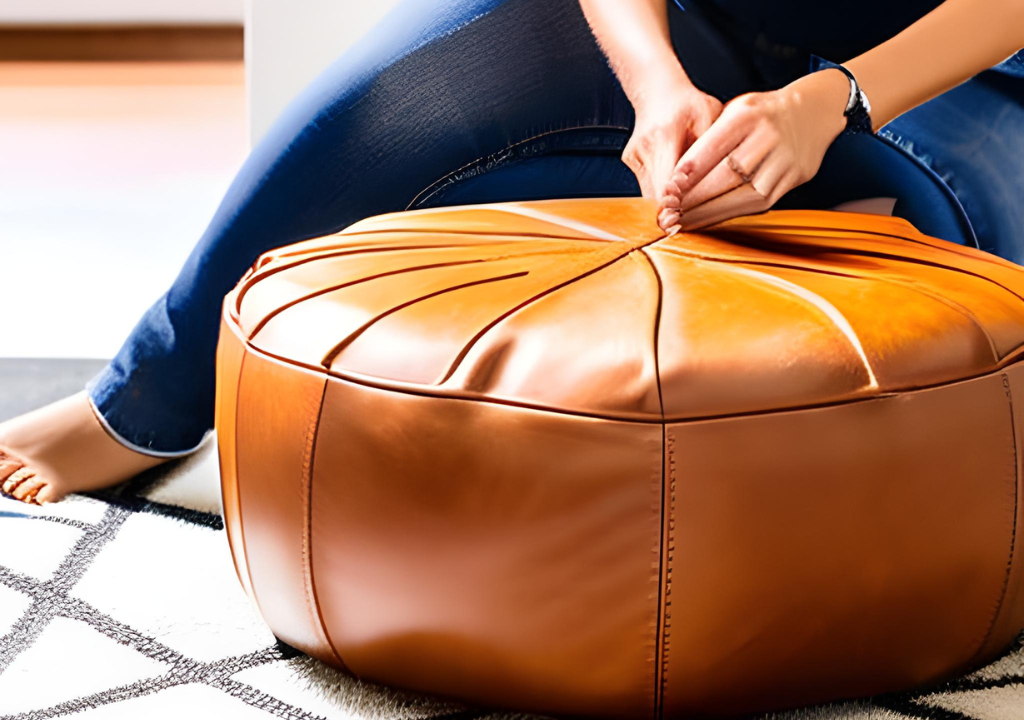
Credit: medium.com
Tips For Maintaining Filled Poufs
Maintaining a filled pouf keeps it comfortable and looking fresh. Proper care extends its life and preserves its shape. Simple habits can make a big difference in its appearance and feel.
Fluffing And Shaping
Regular fluffing helps keep the pouf soft and full. Press and squeeze the pouf gently to redistribute the filling. Rotate it often to avoid flat spots. This keeps the pouf looking even and inviting.
Cleaning Recommendations
Check the pouf cover’s care label before cleaning. Spot clean with a damp cloth and mild soap for small stains. Avoid soaking the filling inside. For deep cleaning, remove the cover if possible. Air dry thoroughly to prevent mold or odor.
Replacing Filling
Over time, filling can become compressed or lumpy. Remove the old filling carefully to keep the pouf’s shape intact. Use fresh stuffing like polyester fiberfill or foam pieces. Add small amounts gradually for the desired firmness. Close the pouf securely to keep the filling inside.
Frequently Asked Questions
What Materials Can I Use To Stuff A Pouf Ottoman?
You can use foam beads, polyester fiberfill, old clothes, or recycled fabric scraps. Each offers different firmness and comfort levels for your pouf ottoman.
How Much Stuffing Do I Need For A Pouf Ottoman?
The amount depends on the pouf size and desired firmness. Typically, fill the pouf about 80% full to allow softness and shape retention.
Can I Use Recycled Materials For Pouf Ottoman Stuffing?
Yes, recycled clothes, fabric scraps, or shredded upholstery foam are great eco-friendly stuffing options. They reduce waste and provide good cushioning.
What Stuffing Is Best For A Firm Pouf Ottoman?
High-density foam or foam beads work best for firm poufs. They offer strong support while maintaining the pouf’s shape over time.
Conclusion
Choosing the right filling makes your pouf ottoman comfy and durable. Lightweight beads offer easy shape changes and good support. Foam pieces give softness and hold shape well. Old clothes or fabric scraps work as budget-friendly fillers. Consider your needs: comfort, style, and use frequency.
Stuffing your ottoman correctly helps it last longer. Enjoy a cozy, stylish space with the right filling. Simple choices bring big comfort and charm to your home.



