
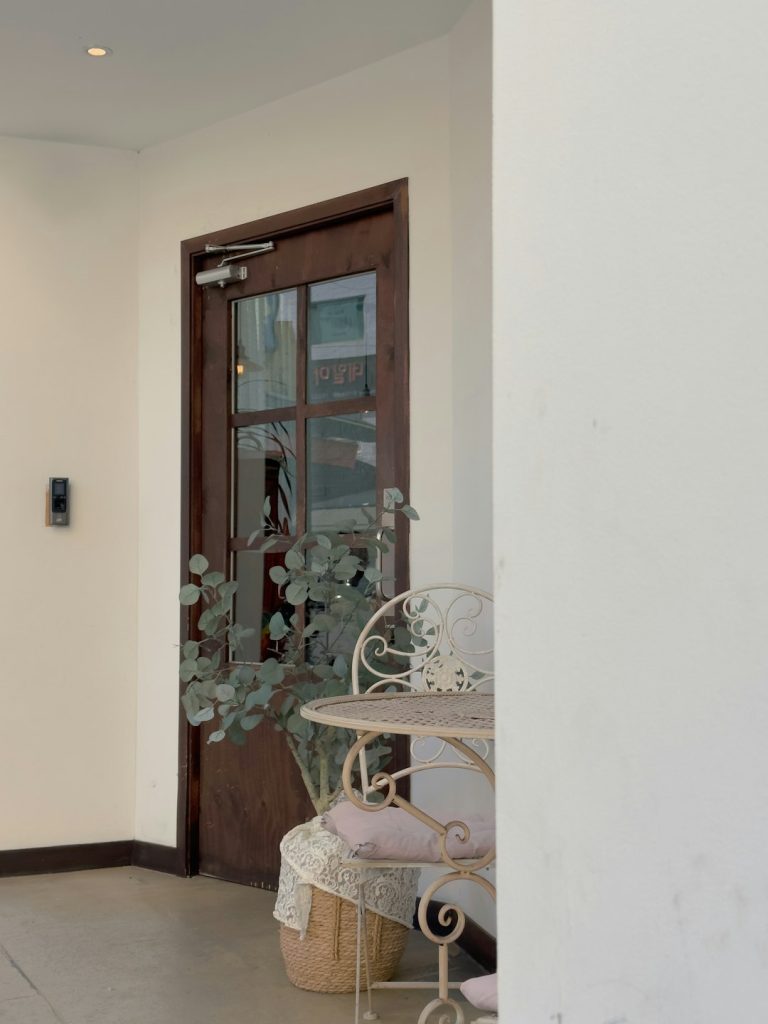
Have you ever noticed how your entryway door can change everything about your entryway table along the wall? It might seem like a small detail, but the way your door opens and fits can affect the size, shape, and placement of your table.
If your entryway feels cramped or awkward, the door could be the hidden reason. You’ll discover simple solutions to make your entryway both functional and stylish, no matter how your door swings. Keep reading to find out how to turn this tricky spot into a welcoming space you’ll love.
Entryway Door Impact
Your entryway door plays a crucial role in shaping how your entryway table fits along the wall. It’s not just about style — the door’s swing, space, and material can affect your table’s placement and usability. Understanding these impacts helps you choose the right table and set it up in a way that complements your door and entryway flow.
Door Swing And Space Limits
The direction your door swings directly affects how much wall space you have for an entryway table. If the door swings inward and covers much of the wall, your options for table size shrink.
Imagine a door swinging open right onto the spot where you want to place a table. That table will block the door or get damaged over time. You need to measure carefully and consider a narrow or floating shelf if space is tight.
Common Layout Challenges
Entryways often come with awkward corners or limited wall sections, especially near the door. These tight spaces challenge you to find a table that fits but still allows easy door movement.
Sometimes, the ideal spot for your table isn’t a straight wall but a corner or an alcove. In these cases, corner tables or custom pieces might save the day, offering storage without interfering with door function.
Material And Style Conflicts
The door’s material and style can clash or blend with your entryway table, affecting the overall look. For example, a rustic wooden door might look odd next to a sleek glass table.
Matching finishes or complementary textures can unify the space. Think about whether your door has metal hardware, wood grain, or painted surfaces, and pick a table that enhances those features instead of competing with them.
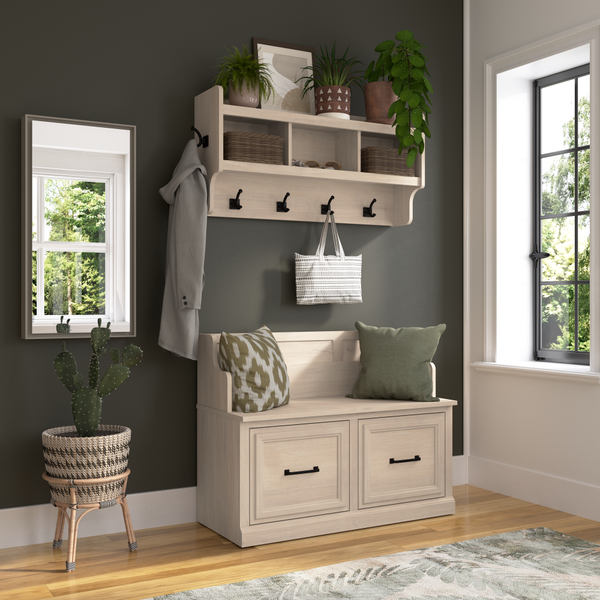
Credit: www.bushhome.com
Choosing The Right Table
Choosing the right table for your entryway can change the entire look and feel of the space. The table should fit well with the door’s swing and not block the path. It needs to be both useful and welcoming. Think about the size, shape, material, and extra features before buying.
Size And Shape Options
The table must fit the wall and leave enough space for the door. Narrow tables work well in small entryways. Wider tables suit bigger spaces. Shapes like rectangular, round, or half-moon help match the room’s style.
- Measure the wall length and door clearance first.
- Choose a shape that balances the space.
- Leave room for walking and opening the door easily.
Material Matching Tips
Pick materials that blend with your door and room design. Wood adds warmth and works with many styles. Metal offers a modern look and durability. Glass tables create a light, open feel but need careful placement.
- Match wood tones with door frames or flooring.
- Use metal finishes that complement door handles.
- Consider glass for small spaces to avoid visual clutter.
Multi-functional Designs
Tables with extra storage or shelves help keep entryways tidy. Hooks, drawers, and baskets add convenience. Some tables have built-in seating or mirrors. These features save space and increase usefulness.
- Look for tables with hidden storage for keys and mail.
- Consider designs with hooks for coats or bags.
- Choose tables that fit your daily needs and space.
Creative Placement Ideas
Entryway doors can limit space for placing tables along the wall. Choosing slim or corner tables helps fit the area neatly. Small decorative items keep the space inviting without crowding.
Creative placement ideas can transform your entryway into a functional space. The right arrangement ensures your entryway table fits perfectly along the wall. Let’s explore some innovative solutions.Floating Tables And Wall-mounted Shelves
Floating tables create a sleek look by saving floor space. They attach directly to the wall, offering a minimalist design. Wall-mounted shelves provide extra storage for keys and small items. These options work well for narrow entryways. They also keep your entryway neat and organized.Corner Solutions
Corners often go unused in entryways. Corner tables make efficient use of this space. They fit snugly, maximizing every inch. Some designs include shelves for added storage. These units can hold decorative items and essentials. Corner solutions keep your entryway open and inviting.Adjustable And Modular Units
Adjustable units offer flexibility in small spaces. They can expand or contract to fit your needs. Modular units allow creative combinations. You can customize them to suit your entryway’s layout. These options provide both function and style. They adapt as your needs change.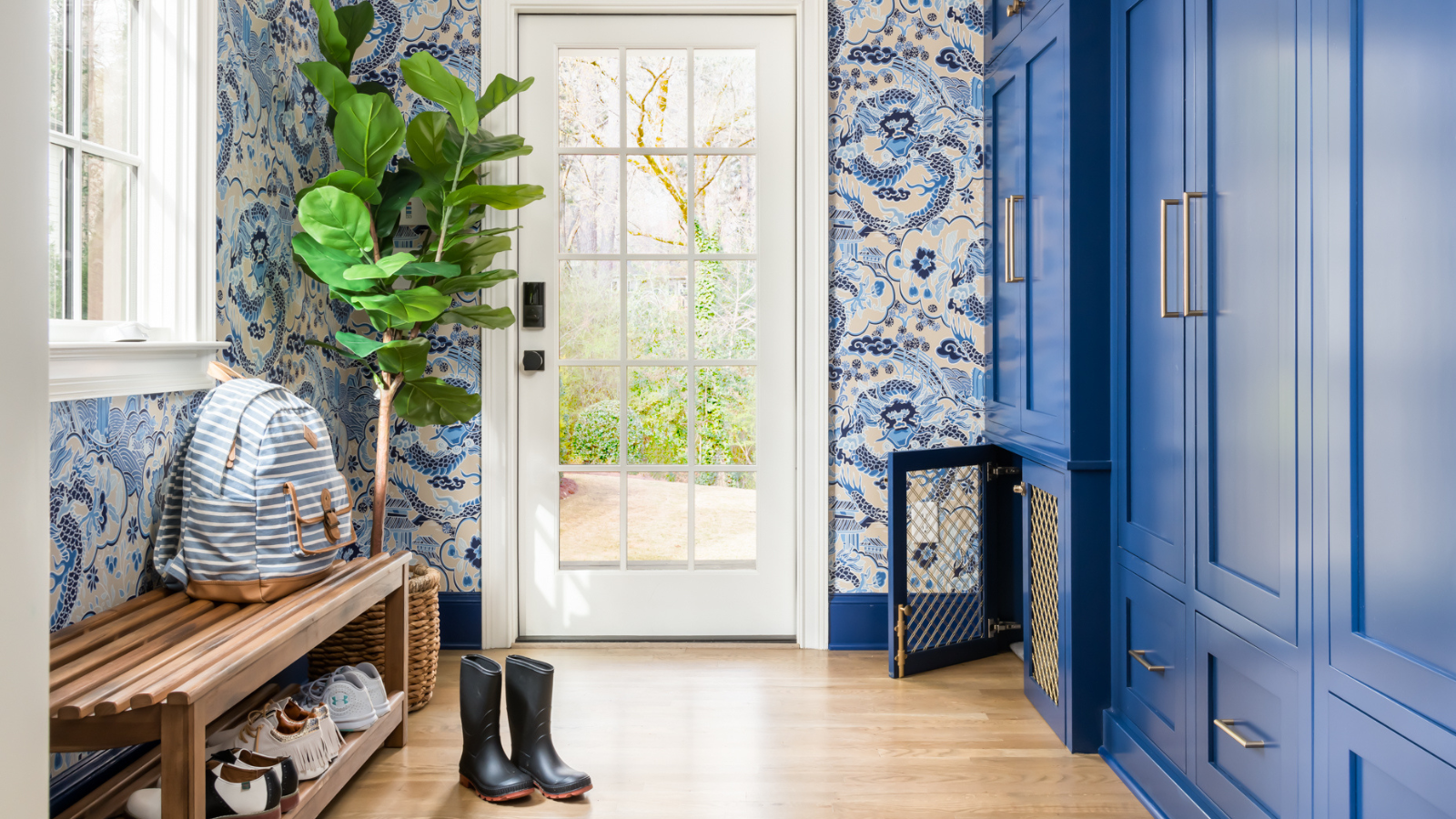
Credit: www.homesandgardens.com
Door Alternatives
Choosing the right door for your entryway can make a big difference in how your entryway table fits along the wall. Traditional swinging doors often limit furniture placement and can create awkward gaps or block space altogether. Considering door alternatives can open up new possibilities for your entryway layout and improve both function and style.
Sliding And Pocket Doors
Sliding doors glide along a track and don’t require space to swing open. This means you can place your entryway table right up against the wall without worrying about door clearance. Pocket doors take this a step further by disappearing into the wall, offering maximum space efficiency.
Imagine having a narrow hallway where every inch counts. Installing a sliding or pocket door there can free up valuable wall space for a sleek console table or a decorative bench. Wouldn’t it be great to avoid rearranging your entire entryway just to accommodate a swinging door?
Bi-fold And Accordion Doors
Bi-fold and accordion doors fold neatly to the side, taking up less space than traditional doors. These options can be a stylish choice if you want to maintain some openness while saving room along the wall. They are especially useful if your entryway table is long but narrow.
These doors create a flexible boundary between your entryway and the rest of your home. You can keep the door open to welcome guests or fold it closed for privacy without moving your furniture. Have you ever struggled to fit a narrow table in a tight space? Bi-fold doors might solve that problem.
Glass And Transparent Options
Glass or transparent doors bring in light and create an airy feel, making your entryway look larger. They don’t impact where you place your table because you can see through them, which visually opens up the space. This option works well if you want to combine style with practical furniture placement.
Consider glass doors with minimal frames that slide or fold. These let you keep your entryway table close to the wall while still making the area feel connected to the rest of your home. How would having a brighter, more open entryway change your first impression when you walk in?
Space Optimization Tips
Optimizing space in your entryway is key to making the area feel open and inviting. The position and swing of your entryway door can limit how much room you have for an entryway table along the wall. Smart choices help use the space well while keeping the area functional and stylish.
Small changes can create a big impact. Focus on lighting, storage, and keeping the area tidy. These tips work together to maximize your entryway’s potential.
Using Mirrors And Lighting
Mirrors create the illusion of more space by reflecting light. Place a mirror above or near your entryway table to brighten the area. This makes the space feel larger and more open.
Good lighting enhances the entryway’s warmth. Use wall sconces or a small lamp on the table. Soft light helps highlight decorative items and improves visibility.
Storage Beneath The Table
Use the space under the table for extra storage. Baskets or small bins work well for shoes, scarves, or mail. This keeps clutter off the table surface.
Choose furniture with built-in shelves or drawers. These options add storage without taking extra space. Keeping things organized helps maintain a neat look.
Decluttering Strategies
Limit what you keep on the entryway table. Only essential items should stay there, such as keys or a small dish for coins.
Regularly clear out unused items. A clutter-free table creates a welcoming first impression. It also frees up space for daily use.
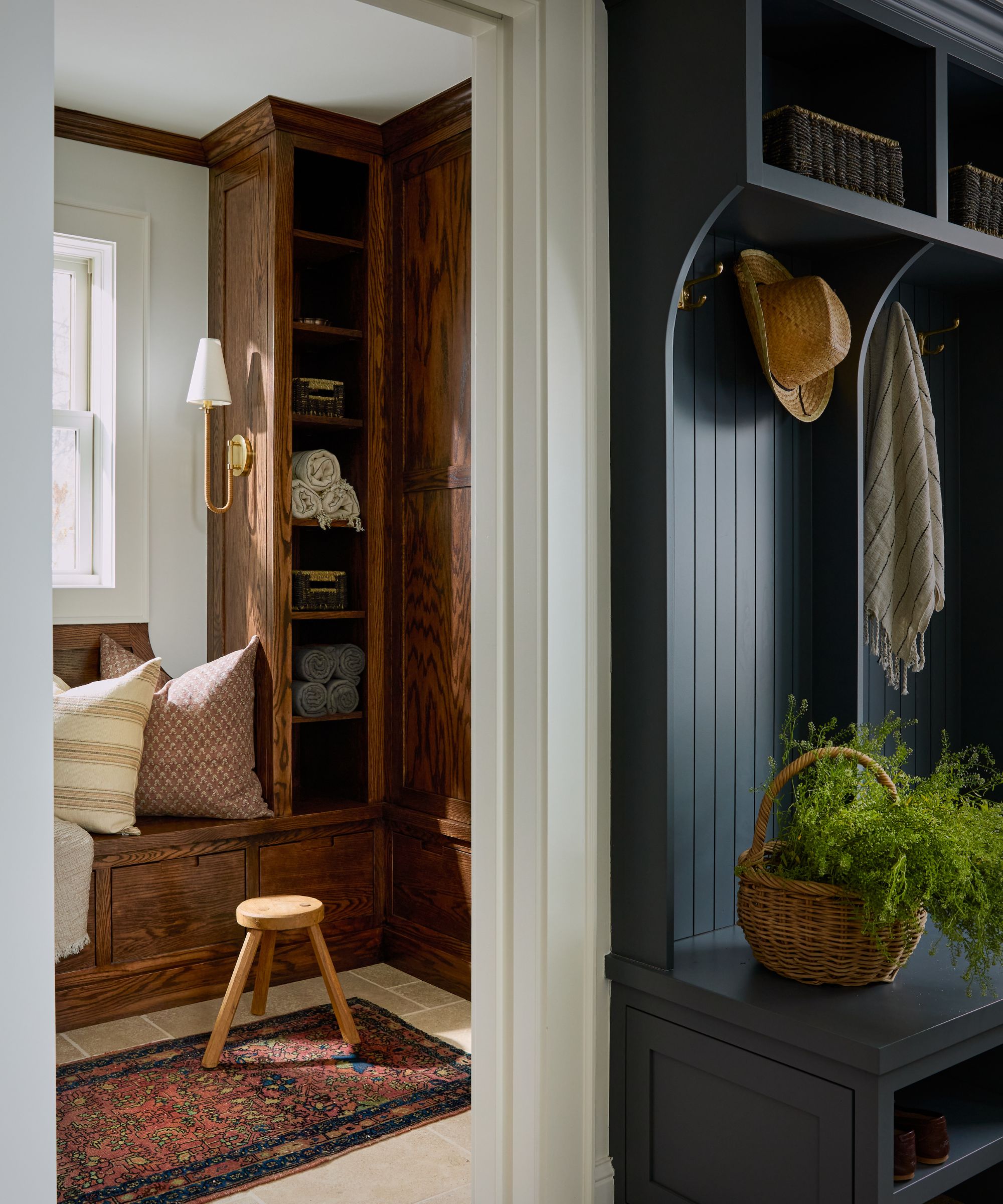
Credit: www.homesandgardens.com
Decor And Accessories
Decor and accessories can completely change how your entryway table feels, especially when your door placement limits space. Choosing the right items helps you create a welcoming spot without overcrowding. Think about what you use daily and what makes the area visually appealing.
Wall Art And Hooks
Adding wall art above your entryway table draws the eye upward, making the space feel bigger. Choose pieces that reflect your personality but keep the size in mind—small prints or slim frames work best near narrow doors.
Hooks are a smart addition for hanging keys, bags, or hats. They free up table space and keep essentials at arm’s reach. Mount hooks at different heights to accommodate various items without cluttering the wall.
Plants And Decorative Items
Plants bring life and color to your entryway, but size matters. Opt for low-profile pots or hanging plants if your door swings close to the table. You want greenery that complements without blocking pathways.
Decorative items like bowls, trays, or candles add charm and function. Use a shallow tray to collect loose change or sunglasses. This keeps your surface tidy and stylish at the same time.
Functional Accessories
Functional accessories make your entryway table more than just a pretty spot. A small lamp can brighten dim corners and add warmth. Charging stations hidden in a drawer or on a shelf help keep devices powered without messy cords.
Think about adding a mirror near the door. It’s perfect for quick appearance checks and reflects light, opening up the space visually. What practical items do you wish were easier to grab when you leave the house?
Frequently Asked Questions
How Does An Entryway Door Impact Table Placement?
An entryway door influences where you can place your table. The door’s swing space limits table size and position. Proper placement ensures easy door use and maintains room flow. Consider door clearance when choosing your entryway table.
What Table Styles Suit Narrow Entryway Spaces?
Slim, wall-mounted, or floating tables work well in narrow entryways. These styles save space and keep pathways clear. Opt for tables with storage to maximize functionality without overcrowding the area.
Can Door Swings Damage An Entryway Table?
Yes, if the table is too close, door swings can cause damage. Ensure enough clearance between the door and table to prevent scratches or dents. Position tables to avoid direct door contact.
How To Choose Entryway Tables For Doors That Open Inward?
For inward-opening doors, select narrow tables or ones placed opposite the door. This avoids blocking door movement and maintains a welcoming entrance. Measure door swing before selecting a table.
Conclusion
Entryway doors shape how you use the space. Choosing the right door helps your entryway table fit well. Measure carefully to avoid blocking the table or door. Pick furniture that matches the door’s swing and style. Small changes make a big difference in function and look.
A well-planned entryway feels welcoming and stays tidy. Take time to plan, and enjoy a balanced, useful space. Simple steps lead to a neat, inviting entryway every day.



