
Are you thinking about decorating your textured walls with static stickers but unsure if they will stick properly? You’re not alone.
Many people wonder if static stickers can cling to uneven surfaces without falling off or losing their charm. Imagine transforming your room quickly and easily—without damaging your walls or struggling with sticky messes. You’ll discover the truth about using static stickers on textured walls and learn practical tips to make your decor ideas stick—literally.
Keep reading to find out how you can refresh your space effortlessly.
What Are Static Stickers
Static stickers are a unique type of decal that sticks to surfaces without using any adhesive glue. Instead, they cling to surfaces through static electricity, making them easy to apply and remove. This feature makes them an attractive option for decorating or labeling spaces without leaving any sticky residue behind.
How Static Stickers Work
Static stickers rely on static electricity to hold onto surfaces. When you press the sticker onto a smooth surface, the static charge creates a temporary bond. This means they can stick well to glass, metal, or smooth painted walls without any glue.
Because there is no adhesive, static stickers can be repositioned multiple times without losing their stickiness. However, this also means they may not hold as firmly on rough or textured surfaces. Have you noticed how these stickers easily slide off or fail to stick on bumpy walls?
Common Uses For Static Stickers
People often use static stickers for temporary decorations, window art, and promotional displays. They are perfect for seasonal decorations like holiday themes on windows or for labeling glass doors in offices.
- Children’s room wall decals that can be changed as they grow
- Car window stickers that can be removed without damage
- Temporary signage for events or sales
Since they don’t leave marks, static stickers are great if you like to refresh your space often without damaging walls or surfaces. Have you tried using them in your home or office?
Types Of Textured Walls
Textured walls bring character and style to any room. They come in many types, each with unique surface details. Understanding these wall textures helps decide if static stickers will stick well or peel off. Some textures are smooth enough for stickers, while others may cause issues.
Popular Wall Textures
Common wall textures include:
- Knockdown:A sprayed texture flattened with a trowel for a mottled look.
- Orange Peel:Small, bumpy texture resembling an orange peel’s surface.
- Popcorn:Rough, bumpy texture often used on ceilings.
- Skip Trowel:Thin layers of joint compound applied with a trowel for a rough finish.
- Sand Texture:A gritty surface made by mixing sand into paint or plaster.
Each texture changes the wall’s feel and appearance. Some are smoother, others rough and uneven.
Surface Roughness And Patterns
Texture roughness affects sticker adhesion. Smooth walls hold stickers better than rough ones. Deep patterns can create air gaps under stickers. This reduces sticking power and causes edges to peel.
Fine textures like orange peel offer moderate grip for static stickers. Heavy textures like popcorn or skip trowel make sticking difficult. Static stickers rely on static cling, which works best on flat surfaces.
Patterns also matter. Large bumps or ridges create uneven contact points. Stickers may bubble or fall off sooner. Flat or lightly textured walls provide better results for static sticker use.
Challenges With Textured Walls
Textured walls add character and depth to a room. Yet, they create problems for static stickers. The uneven surface makes it hard for stickers to stick properly. This section explores the main challenges you face with textured walls.
Adhesion Issues
Textured walls have bumps and grooves that prevent full contact. Static stickers rely on smooth surfaces to cling tightly. The gaps reduce the sticker’s grip, causing edges to lift. Dust and debris trapped in textures also weaken adhesion. This makes the sticker easy to peel off or fall down.
Durability Concerns
Static stickers on textured walls often lose strength fast. Movement, air flow, or touching can make them peel quickly. The uneven surface causes the sticker to stretch or wrinkle. This leads to cracks or tears over time. As a result, the sticker’s look fades, and it may need frequent replacement.

Credit: www.hyper-creative.co.uk
Applying Static Stickers On Textured Walls
Applying static stickers on textured walls requires a bit more attention than on smooth surfaces. The uneven surface can make the sticker stick unevenly or peel off quickly. However, with the right preparation and techniques, you can achieve a clean, lasting look that brightens your space.
Preparation Steps
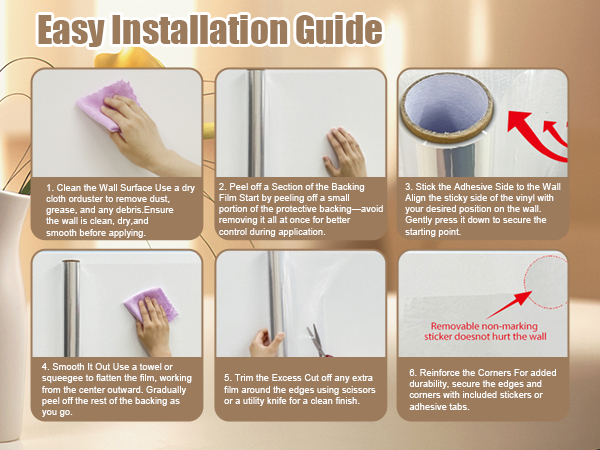
Start by cleaning the wall thoroughly. Dust and dirt reduce the sticker’s ability to adhere, especially on textured surfaces.
- Use a damp cloth to wipe down the area where you want to place the sticker.
- Allow the wall to dry completely before proceeding.
- If the texture is very rough, consider lightly sanding the area to smooth it out just a bit, but don’t overdo it.
Think about the size of your sticker. Larger stickers may struggle to stick well without extra support. Smaller stickers tend to work better on textured walls.
Best Techniques For Application
Peel the sticker slowly and avoid touching the sticky side too much. This keeps it clean and ready to stick well.
Press the sticker firmly against the wall, starting from the center and moving outward. This helps to push out air bubbles and ensures better contact with the texture.
- Use a soft, flat tool like a credit card or a plastic scraper to press the sticker evenly.
- Work gently around bumps or grooves to make the sticker conform to the texture.
- If edges lift, try applying a small amount of clear adhesive or double-sided tape underneath.
Have you noticed how some stickers peel off quickly on your textured walls? Trying these techniques might be the simple fix you need to keep your decor in place longer.
Tips To Improve Sticker Performance
Improving the performance of static stickers on textured walls requires some preparation. Taking the right steps can help stickers stay put longer and look better. Small efforts make a big difference in adhesion and appearance.
Cleaning The Surface
Start by cleaning the wall thoroughly. Dirt, dust, and grease stop stickers from sticking well. Use a mild soap and water solution to wipe the area. Let the surface dry completely before applying stickers. A clean wall gives the best grip for static stickers.
Using Primers Or Sealants
Applying a primer or sealant can smooth rough textures. This creates a better base for stickers to attach. Choose a clear, paintable primer for best results. Let it dry fully before placing your static stickers. This step helps prevent peeling and makes stickers last longer.
Alternatives To Static Stickers For Textured Walls
Textured walls often challenge the use of static stickers. Their uneven surface makes sticking and removing stickers tricky. Choosing the right alternative helps decorate without damage or residue. Various options suit different wall textures and personal preferences.
Adhesive Stickers
Adhesive stickers offer a stronger hold than static ones. They come with glue backing that sticks well on rough surfaces. Look for removable adhesives to avoid wall damage. Some adhesives work better on textured paint or plaster.
Use these tips for best results:
- Clean the wall surface before application.
- Press firmly to ensure good contact.
- Test a small area first to check removal ease.
Magnetic Options
Magnetic solutions work well on textured walls with a metal base. Attach thin metal sheets or strips to the wall first. Magnets then hold decorations without touching the wall directly.
Benefits include:
- Easy to move and rearrange items.
- No sticky residue on the wall.
- Safe for delicate or rough surfaces.
Maintaining Static Stickers On Textured Surfaces
Static stickers can stick to textured walls but may not hold as well as on smooth surfaces. Cleaning the wall first helps improve adhesion and keeps stickers in place longer.
Maintaining static stickers on textured surfaces can be challenging. Textured walls create an uneven surface, making adhesion difficult. Proper maintenance ensures your stickers stay put and look great. Here are some tips for keeping static stickers on textured walls.Cleaning Methods
Clean the surface before applying stickers. Dust and dirt affect adhesion. Use a damp cloth to wipe the wall gently. Avoid harsh chemicals that might damage the wall. Let the wall dry completely before applying the sticker. A clean surface helps the sticker adhere better.Avoiding Damage
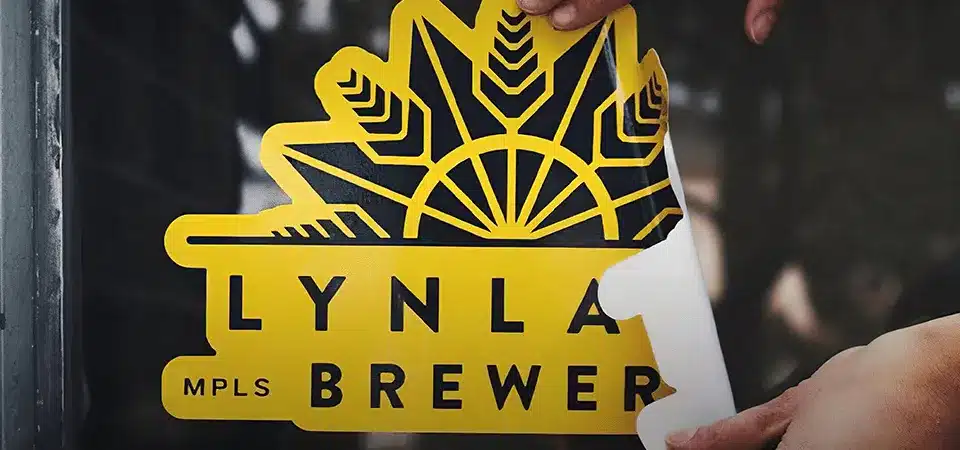
Static stickers can peel off paint if not applied correctly. Test a small area first to ensure it doesn’t damage the wall. Press firmly but gently to avoid tearing the sticker. Remove stickers carefully to prevent wall damage. Using a hairdryer can help loosen the adhesive.
Credit: stickerprintingchina.com
Credit: stickerprintingchina.com
Frequently Asked Questions
Can Static Stickers Stick Well On Textured Walls?
Static stickers can adhere to textured walls but may have limited contact. The uneven surface reduces their grip, causing some stickers to peel off sooner. Choosing high-quality static stickers and cleaning the wall before application improves adhesion on textured surfaces.
Will Static Stickers Damage Textured Wall Paint?
Static stickers generally do not damage textured wall paint. They use static electricity instead of adhesive glue, making them safe for most wall finishes. However, removing stickers carefully is important to avoid peeling any loose paint or wall texture.
How To Clean Textured Walls Before Applying Static Stickers?
Clean textured walls with a soft cloth and mild soap solution. Remove dust and dirt gently without scrubbing harshly to protect the texture. Allow the wall to dry completely before applying static stickers for better sticking performance.
Are Static Stickers Reusable On Textured Walls?
Static stickers can be reused on textured walls if handled carefully. Peel them off slowly without stretching or damaging the sticker. Store them flat and clean to maintain their static cling properties for future use.
Conclusion
Static stickers can stick to textured walls, but results vary. Rough surfaces may reduce their hold. Cleaning the wall first helps stickers stay longer. Choose stickers made for uneven surfaces for best results. Removing them might be tricky without marks.
Test a small spot before full use. Patience and care make a big difference. This way, your wall can look fresh and neat. Stickers add style without much effort or damage. Simple steps lead to a good outcome every time.



