
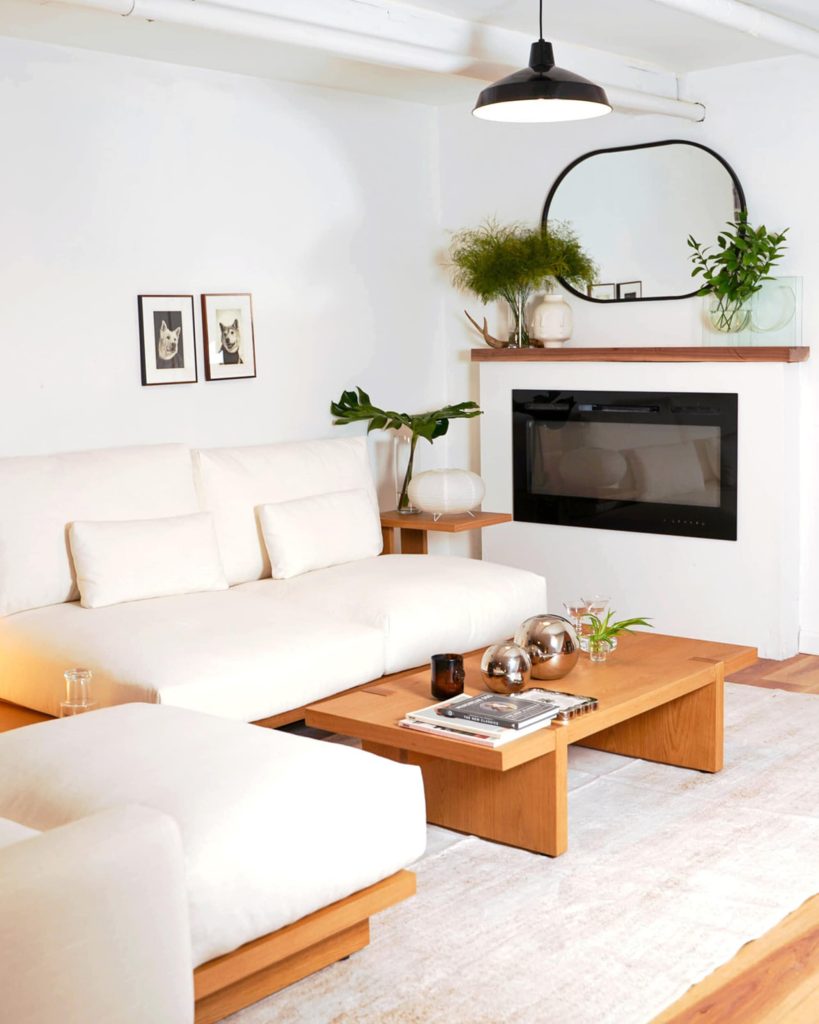
When setting up your living room, you might wonder: should your coffee table be lower than your sofa? This small detail can make a big difference in how comfortable and stylish your space feels.
If your coffee table is too high or too low, it can disrupt the flow of your room and even make relaxing harder. But don’t worry—you’re about to discover the simple rule that will help you choose the perfect height.
Keep reading to find out how this one change can transform your comfort and the look of your living area.
Ideal Coffee Table Height
Finding the ideal coffee table height is key to creating a comfortable and visually pleasing living room. The right height makes it easy to reach your drinks and snacks without straining, while also complementing your sofa’s dimensions. Let’s look at some practical guidelines to help you choose the perfect height for your coffee table.
Standard Sofa Dimensions
Most sofas have a seat height ranging between 16 to 18 inches from the floor. The overall height, including the backrest, usually falls between 30 to 36 inches. Knowing these measurements helps you pick a coffee table height that fits comfortably within this range.
Common Coffee Table Heights
Coffee tables generally range from 14 to 20 inches in height. The most popular size sits around 16 to 18 inches, which aligns well with standard sofa seat heights. Choosing a table too low or too high can make reaching items awkward and disrupt the room’s balance.
Balancing Proportions
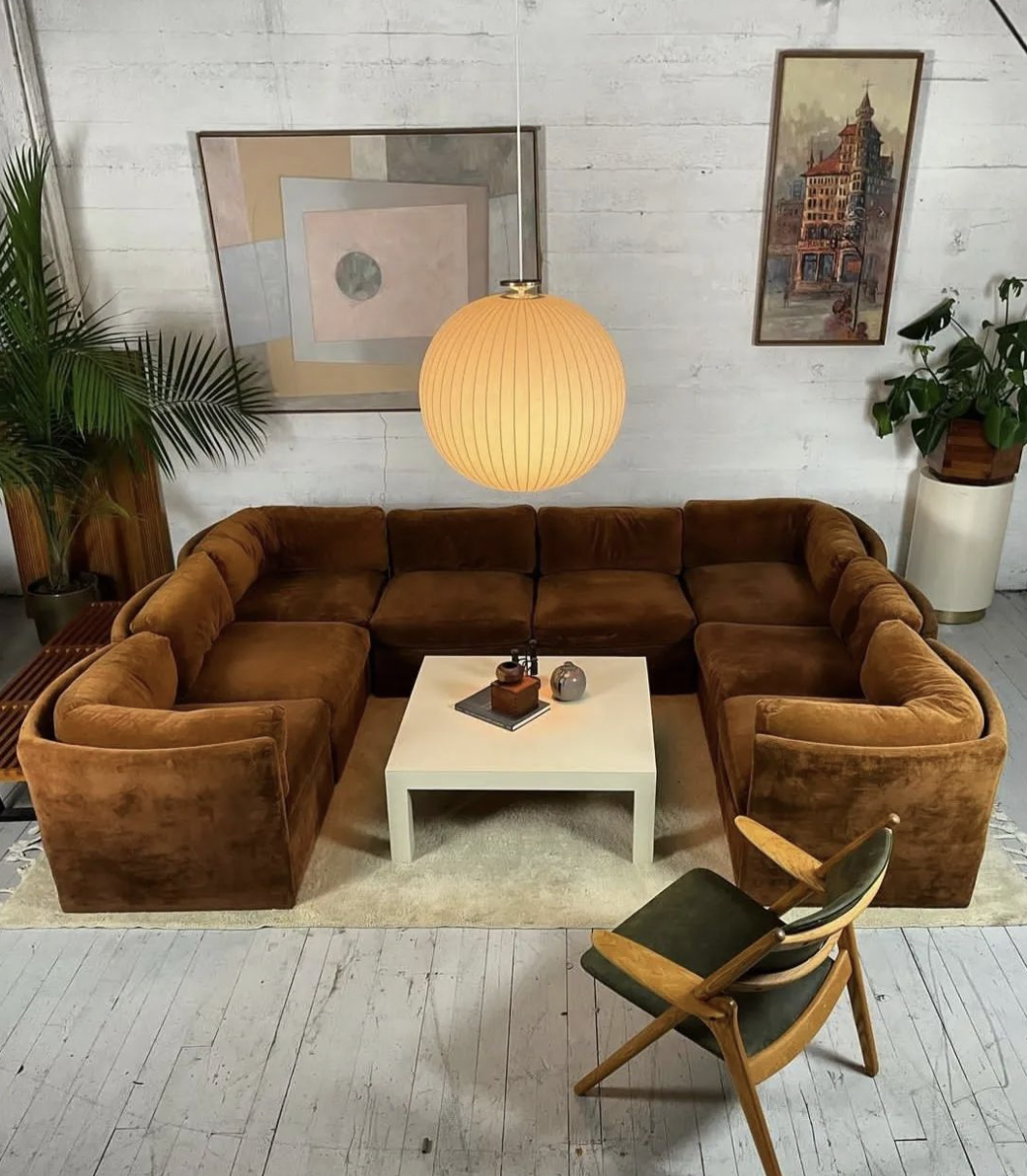
Your coffee table should be about two inches lower than your sofa seat for optimal comfort. This slight difference makes it easy to rest your arms or grab a cup without bending or stretching. Also, consider the table’s length—it should be roughly two-thirds the length of your sofa to maintain a harmonious look.
Credit: homeandtexture.com
Benefits Of Lower Coffee Tables
Choosing a coffee table lower than the sofa offers several practical and aesthetic benefits. It creates a balanced look and improves the overall feel of the living space. This setup enhances comfort and safety, making the area more user-friendly.
Enhanced Visual Flow
A lower coffee table keeps the room open and airy. It does not block sightlines, allowing the eye to move freely across the space. This helps smaller rooms appear bigger and less cluttered. The furniture arrangement looks intentional and well thought out.
Comfort And Accessibility
A coffee table lower than the sofa is easier to reach while sitting. Drinks, books, and snacks stay within comfortable arm’s length. It reduces the need to lean forward or stretch uncomfortably. This setup supports a relaxed and cozy seating experience.
Safety Considerations
Lower tables reduce the risk of injury from sharp edges. They are less likely to cause bumps or falls, especially in homes with children or elderly people. The lower height also makes it easier to move around without tripping. This design choice promotes a safer living environment.
When To Choose Equal Or Higher Tables
Choosing a table equal or higher than the sofa works well in small spaces or modern designs. Taller tables provide easy access and can create a balanced look. Lower tables usually suit traditional setups but higher ones offer more comfort for reaching items.
Choosing a coffee table that is equal to or higher than your sofa can transform the aesthetics and functionality of your living space. While traditional design wisdom often suggests keeping the coffee table lower than the sofa, there are compelling reasons to break this norm. Elevating your coffee table can offer unique benefits, especially in specific scenarios. But when exactly should you consider this option? Let’s explore the possibilities.Small Spaces
In compact living areas, a coffee table that matches or exceeds the height of the sofa can be a game-changer. It allows for more accessible use of the table surface when space is limited. You might find it easier to reach for your coffee cup or laptop without leaning too far. Consider how often you use your coffee table for tasks beyond holding magazines. A higher table might just make your small space more functional and comfortable.Alternative Seating Styles
If you enjoy sitting on the floor or have low seating options like floor cushions, a higher coffee table becomes practical. It ensures you can easily use the table while sitting at different levels. Think about the ways you and your guests interact with your living room furniture. Does your seating arrangement encourage a more relaxed, floor-centric lifestyle?Multi-functional Tables
Coffee tables are no longer just a place to rest your feet. With more people working from home, tables that double as desks or dining spaces are increasingly popular. A table that is at sofa height or higher can seamlessly transition between these roles. If your coffee table often serves as your makeshift office, consider how a taller table might improve your posture and productivity. Would a higher table better suit your multi-purpose needs? Ultimately, the decision hinges on how you use your space. Could a higher coffee table be the solution you didn’t know you needed?
Credit: mobilia.ca
Material And Style Impact
The material and style of a coffee table greatly influence its height relative to the sofa. These factors affect comfort, functionality, and room aesthetics. Choosing the right design helps balance the table’s height with the sofa’s dimensions.
Materials like wood, metal, or glass change the table’s weight and visual impact. Style choices reflect the room’s theme and can make the coffee table a focal point or a subtle addition.
Light Vs. Heavy Designs
Light designs use thin materials or open frames. They feel less bulky and allow easy movement around the sofa. Heavy designs use solid wood or thick metal. They provide stability but may feel overpowering if too tall.
Light tables work well with lower sofas. Heavy tables fit better with tall, sturdy sofas.
Open Vs. Solid Bases
Open bases create space beneath the table. This design keeps the area airy and less crowded. Solid bases offer more support and a stronger look. They can make the table feel heavier and more grounded.
Open bases look best when the table is slightly lower than the sofa. Solid bases suit tables closer in height to the sofa.
Modern Vs. Traditional Looks
Modern styles use clean lines and minimal shapes. They often feature glass, metal, or lacquered surfaces. Traditional styles include carved wood and ornate details. These tables tend to be bulkier and taller.
Modern tables usually pair with low-profile sofas. Traditional tables match sofas with classic, higher backs.
Practical Tips For Placement
Placing a coffee table correctly enhances the room’s comfort and style. It creates balance and makes daily use easier. Small changes in placement can improve how the space feels and functions.
Maintaining Comfortable Distance
Keep enough space between the sofa and coffee table for easy movement. A gap of 14 to 18 inches works well. This distance avoids bumping into the table while reaching for drinks or snacks.
Too close makes the area tight. Too far makes reaching items hard. Aim for a middle ground to keep comfort and convenience.
Aligning With Room Layout
Place the coffee table to match the shape and size of the room. Center it with the sofa for a balanced look. Adjust placement if the room has odd angles or multiple seating areas.
Use rugs or lighting to guide the eye and anchor the furniture. This helps the table fit naturally in the space.
Adjusting For Usage
Think about how you use the coffee table most. For reading or working, position it closer to the sofa. For serving snacks or drinks, keep it within easy reach of all seats.
Consider height too. A lower table suits casual lounging. A slightly higher one helps with tasks like writing or eating.
Common Mistakes To Avoid
Choosing the right coffee table height can transform your living space, but many people fall into common traps that affect both style and comfort. Avoiding these mistakes helps you create a balanced, functional area where your coffee table complements your sofa perfectly. Let’s look at some frequent errors that can disrupt the flow of your room and how to steer clear of them.
Oversized Tables
Big coffee tables can overwhelm your seating area, making the space feel cramped and cluttered. If your table is too large, it might block foot traffic or limit legroom, leaving you and your guests uncomfortable. Think about the scale of your sofa and room size before picking a coffee table—sometimes less is more.
Ignoring Sofa Height
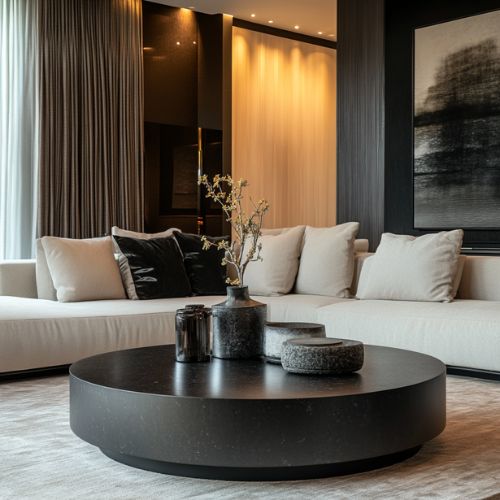
Matching your coffee table height with your sofa is crucial, yet often overlooked. A table that’s too tall or too low can cause awkward reaching and disrupt the harmony of the room. Measure your sofa’s seat height and aim for a coffee table that sits about two to three inches lower than the sofa seat for easy access and a cohesive look.
Neglecting User Comfort
Comfort should be your top priority when arranging furniture. Even a stylish setup can fail if it’s not user-friendly. Consider how you use the space: Can you comfortably place your drinks or snacks on the table without stretching? If not, it’s time to adjust your coffee table choice to suit real-life needs, not just aesthetics.
Credit: www.fcilondon.co.uk
Frequently Asked Questions
Why Should A Coffee Table Be Lower Than A Sofa?
A coffee table lower than the sofa ensures easy reach and comfort. It prevents awkward stretching and complements the sofa’s height. This setup promotes a balanced look and functional space, enhancing both aesthetics and usability in your living room.
What Is The Ideal Height Difference Between Sofa And Coffee Table?
The ideal coffee table height is typically 2-4 inches lower than the sofa seat. This difference allows convenient access to drinks and items without strain. It maintains visual harmony and ensures practical use during seating.
Can A Coffee Table Be The Same Height As The Sofa?
A coffee table the same height as the sofa is uncommon and less practical. It may obstruct leg space and feel bulky. Lower tables offer better comfort and flow in the seating area, improving overall room functionality.
How Does Coffee Table Height Affect Living Room Design?
Coffee table height influences room balance and user comfort. Proper height creates a cohesive look and smooth interaction between furniture pieces. It enhances both style and practical use, making the living room inviting and functional.
Conclusion
Choosing the right height for your coffee table matters. A lower table makes reaching drinks and snacks easier. It also keeps the room looking balanced and cozy. Too tall, and it can feel awkward or uncomfortable. Think about your sofa’s height and how you use the table.
Comfort and style should guide your choice. A well-matched coffee table improves both function and look. Small details like this make your living space inviting. Simple and practical works best.



