
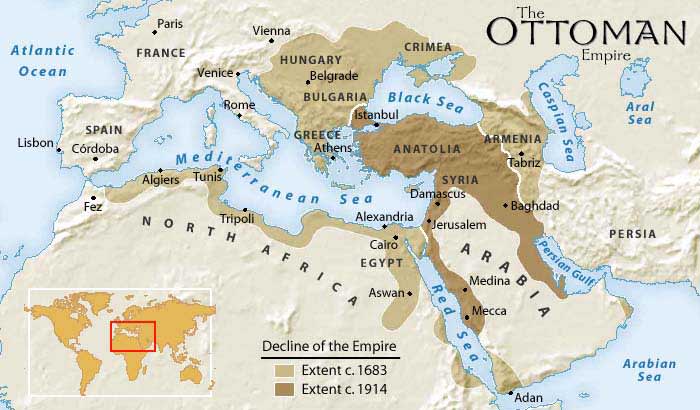
Have you ever wondered what religion shaped the mighty Ottoman Empire? Understanding this can unlock secrets about its culture, laws, and how it ruled for centuries.
If you want to uncover the faith that influenced one of history’s greatest empires, you’re in the right place. Keep reading, and you’ll discover how religion played a powerful role in the rise and life of the Ottoman Empire. This knowledge might change the way you see history forever.
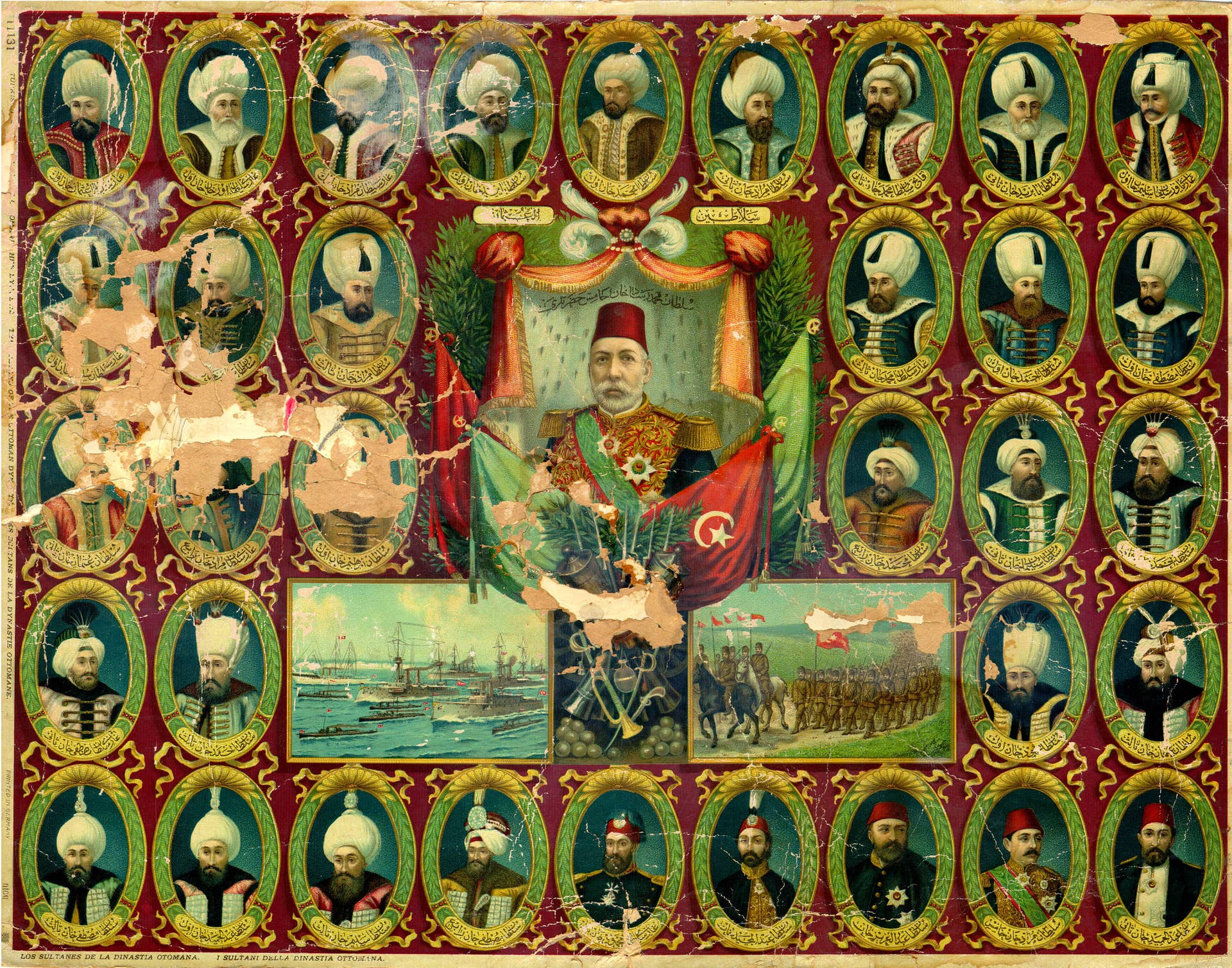
Credit: owlcation.com
Religious Foundations Of The Empire
The Ottoman Empire’s rise was deeply tied to its religious identity. Religion shaped its laws, culture, and governance. Understanding the empire’s religious foundations reveals how it maintained unity and power over centuries.
Religion was not just a private belief but a public and political force. It influenced the empire’s alliances, military campaigns, and social order. The Ottoman rulers used religion to legitimize their authority and connect diverse peoples.
Origins And Early Beliefs
The Ottoman Empire began as a small Turkish state in the late 13th century. Its founders followed a mix of Turkic tribal customs and Islamic faith. Early Ottomans practiced a form of Islam influenced by Sufism, a mystical branch.
Sufism emphasized personal spirituality and devotion. It helped unite the people under a shared religious culture. The early Ottomans also respected local traditions and allowed some religious diversity.
Adoption Of Sunni Islam
Sunni Islam became the official religion of the Ottoman Empire. The rulers identified with the Sunni branch to gain support from powerful Muslim states. Sunni Islam provided a clear legal and religious framework.
The empire embraced Sunni schools of law to govern society. Religious scholars, called ulama, played key roles in courts and education. The sultan was seen as both a political leader and protector of Sunni Islam.
This religious foundation helped the empire grow and last for over 600 years. It created a strong identity and a stable political system.
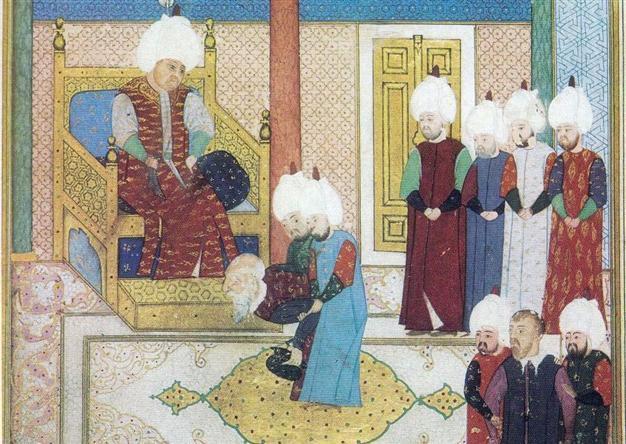
Credit: www.hurriyetdailynews.com
Role Of Islam In Governance
The Ottoman Empire was deeply shaped by Islam, which influenced its governance at every level. Religion was not just a personal belief but a foundation for law, politics, and social order. Understanding how Islam guided the empire’s rulers helps you see why their leadership style was unique and effective in managing a diverse population.
Sharia And Legal Systems
Islamic law, or Sharia, formed the backbone of the Ottoman legal system. It wasn’t the only law in use, but it set clear moral and legal standards. You might find it interesting that the Ottomans combined Sharia with local customs and the Sultan’s own laws to keep things running smoothly.
This blending allowed flexibility. For example, trade laws often adapted to different regions’ needs while still respecting Islamic principles. It shows how religion and practicality worked hand in hand, making governance more inclusive.
Sultan As Caliph
The Sultan was more than just a political leader; he was also the Caliph, the religious leader of all Muslims. This dual role gave him immense authority and responsibility. It wasn’t just about ruling lands but also about guiding the spiritual direction of millions.
Holding the title of Caliph meant the Sultan had to uphold Islamic values and protect the faith. This connection between religious and political power meant decisions were often framed with both in mind. Have you ever wondered how this dual role influenced the balance of power within the empire?
Religious Diversity Within The Empire
The Ottoman Empire was not just a vast political entity; it was a mosaic of different religions living side by side. This religious diversity shaped the empire’s culture, laws, and everyday life. Understanding how various faiths coexisted helps you appreciate the complexity of Ottoman society.
Christian Communities
Christianity was a significant presence within the empire, with many Orthodox, Armenian, and Catholic communities. These groups were allowed to practice their religion freely under the millet system, which gave them a degree of self-governance. Have you ever thought about how allowing religious autonomy might help maintain peace in a diverse empire?
The Christian churches also played a role beyond religion, influencing education and culture in their communities. For instance, Orthodox Christians often managed their own schools and legal courts.
Jewish Presence
The Jewish population in the Ottoman Empire found a relatively safe haven, especially after facing persecution in Europe. Jews were welcomed and encouraged to settle, contributing to commerce and intellectual life. This acceptance contrasts sharply with the hardships they experienced elsewhere, showing you how tolerance can enrich a society.
Communities like those in Istanbul and Salonica became vibrant centers of Jewish culture and trade. Their experience poses an interesting question: How does a community thrive when it is embraced rather than marginalized?
Other Faiths
Besides Muslims, Christians, and Jews, the empire housed smaller groups like Zoroastrians, Samaritans, and various Sufi orders. These groups added layers to the empire’s spiritual landscape, influencing traditions and customs. The Ottoman approach often involved pragmatic tolerance, balancing control with respect for difference.
Have you noticed how such religious diversity can stimulate innovation in art, cuisine, and social practices? The empire’s ability to manage this complexity reveals a practical lesson in coexistence you can apply even today.
Religious Institutions And Education
The Ottoman Empire was not just a political powerhouse; its religious institutions played a crucial role in shaping society and education. Religion was deeply intertwined with daily life, governance, and learning. Understanding these institutions helps you see how faith influenced the empire’s culture and knowledge.
Mosques And Madrasas
Mosques in the Ottoman Empire were much more than places for prayer. They served as community centers where people gathered, discussed ideas, and received education. Many mosques included madrasas—Islamic schools that taught theology, law, and sciences.
Madrasas shaped the minds of future leaders, scholars, and judges. Students learned subjects like Arabic, jurisprudence, and philosophy. This education system ensured that religious knowledge was passed down accurately and kept the empire’s legal and social order stable.
Have you ever thought about how central education is to maintaining a culture’s values? The Ottoman madrasas were a prime example of this connection.
Sufi Orders And Influence
Sufi orders held a special place in Ottoman religious life. These mystical groups focused on personal spirituality and connection with God. They attracted followers through their teachings, poetry, and music, creating a rich cultural tapestry.
Sufi leaders often acted as advisors and mediators in the community. Their influence extended beyond religion to politics and social life. This blend of spirituality and practical leadership helped maintain harmony within the diverse empire.
Consider how spiritual movements can shape societies beyond just belief. Sufi orders in the Ottoman Empire showed you how faith could inspire both inner growth and social unity.
Religious Tolerance And Policies
The Ottoman Empire followed Islam as its main religion, especially Sunni Islam. It allowed people to practice other faiths like Christianity and Judaism under certain rules. This approach helped maintain peace among diverse communities.
Religious Tolerance and Policies The Ottoman Empire was renowned for its approach to religious tolerance and the policies it implemented to maintain harmony among diverse religious communities. The empire’s vast expanse, covering parts of Europe, Asia, and Africa, meant it was home to a mosaic of beliefs and cultures. This diversity necessitated a pragmatic approach to governance, ensuring peace and stability across its territories.Millet System
The Millet System was a cornerstone of the Ottoman’s religious policies. It allowed religious communities to govern themselves under their own laws. Each ‘millet’ had its own leader who was responsible for both civil and religious matters. This system ensured that various communities, including Christians and Jews, could preserve their traditions and customs. Have you ever wondered how such a diverse empire maintained unity? The Millet System was a key factor.Interfaith Relations
Interfaith relations in the Ottoman Empire were characterized by a level of coexistence that was advanced for its time. While there were inevitable tensions, the empire often mediated these conflicts through dialogue and compromise. The Ottomans encouraged interactions and exchanges between communities, fostering a rich cultural tapestry. Isn’t it fascinating how the empire managed to keep peace among so many different faiths? Their policies ensured that mutual respect and understanding were the norms rather than the exceptions.
Credit: uk.news.yahoo.com
Spiritual Legacy And Cultural Impact
The spiritual legacy of the Ottoman Empire is deeply woven into its culture and daily life. Religion was not just a belief system but a force that shaped art, architecture, and traditions across centuries. Understanding this influence helps you appreciate how the empire’s faith continues to inspire many today.
Religious Art And Architecture
The Ottoman Empire left behind stunning religious art and architecture that still captivates visitors. Mosques like the Sultan Ahmed Mosque, known as the Blue Mosque, showcase intricate tile work and grand domes that combine beauty with spiritual purpose. These structures were designed to create a peaceful atmosphere, inviting worshippers to reflect and connect with their faith.
Calligraphy was another art form highly valued in Ottoman religious culture. Instead of images, you often find beautifully written verses from the Quran decorating walls and manuscripts. This focus on text highlights the importance of the word of God in daily life.
Festivals And Traditions
Religious festivals played a central role in bringing communities together. Celebrations like Eid al-Fitr and Eid al-Adha were marked by communal prayers, feasting, and acts of charity. These events strengthened social bonds and reminded people of their shared values.
You might be surprised to learn that many Ottoman traditions combined Islamic practices with local customs. For example, special music and dance performances often accompanied religious holidays, creating a vibrant cultural experience. How do you think these mixed traditions influenced modern celebrations in former Ottoman regions?
Frequently Asked Questions
What Was The Main Religion Of The Ottoman Empire?
The Ottoman Empire was primarily an Islamic state. Sunni Islam was the dominant religion practiced by the ruling class and majority of the population. It shaped the empire’s laws, culture, and governance throughout its history.
How Did Islam Influence Ottoman Governance?
Islam played a central role in Ottoman law and administration. The empire used Sharia (Islamic law) alongside customary laws. Religious leaders often advised sultans, ensuring governance aligned with Islamic principles.
Were Other Religions Allowed In The Ottoman Empire?
Yes, the Ottoman Empire was religiously diverse and allowed non-Muslim communities. Christians and Jews lived under the millet system, granting them religious freedom and some autonomy while paying special taxes.
Did The Ottoman Empire Promote Religious Tolerance?
The empire practiced relative religious tolerance for its time. Non-Muslims could worship freely and manage their own affairs under the millet system, though Muslims held political dominance.
Conclusion
The Ottoman Empire practiced Islam as its main religion. It shaped laws and daily life deeply. Many people of different faiths lived within its lands peacefully. This mix made the empire unique and strong. Religion was a key part of its identity.
Understanding this helps us learn about its culture and history. The Ottoman Empire’s religious influence still matters today. It shows how faith and power worked together long ago.



