
Are you wondering if you can mix and match coffee and end tables without making your living space look cluttered or mismatched? You’re not alone.
Finding the perfect balance between style and function can be tricky, especially when it comes to furniture that plays such a key role in your room’s look and feel. Imagine creating a space that feels both unique and harmonious, reflecting your personality while staying practical.
Keep reading, and you’ll discover simple, smart ways to combine coffee and end tables that elevate your room’s style and keep your space inviting.
Choosing Complementary Styles
Choosing complementary styles helps create a balanced and inviting space. It allows different pieces to work together without clashing. Mixing coffee and end tables can add character and charm. The key is to find harmony between styles, colors, and shapes.
Matching Materials And Finishes
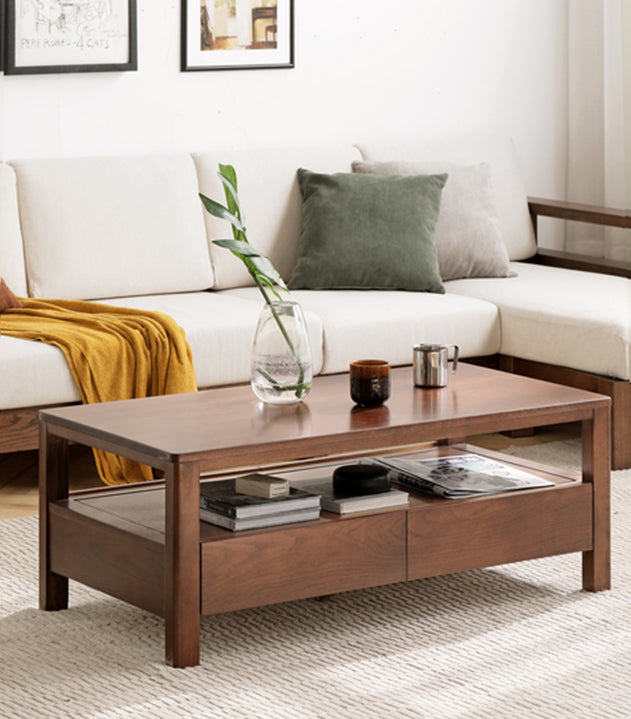
Materials set the tone of your furniture mix. Wood, metal, glass, or a combination can complement each other well. Matching finishes like matte, glossy, or distressed create unity. Choose similar tones or textures to keep the look cohesive. For example, a wooden coffee table pairs nicely with wooden end tables in the same shade.
Balancing Shapes And Sizes
Shapes influence the flow and feel of the room. Round tables soften sharp corners and bring a gentle vibe. Square or rectangular tables offer structure and formality. Mixing shapes adds interest but keep sizes in balance. Large coffee tables match well with smaller end tables. This balance prevents the space from feeling overcrowded or empty.

Credit: oakfurniturestore.co.nz
Playing With Colors And Textures
Playing with colors and textures can transform your living space, especially when mixing and matching coffee and end tables. It’s not just about choosing pieces that fit together; it’s about creating a visual story that keeps your room lively and inviting.
Think about the feel and look you want. Do you prefer a bold statement or a subtle harmony? Your choices in colors and textures can guide that mood.
Using Contrast To Create Interest
Contrast adds energy to your space. Pair a sleek, glossy coffee table with a rustic wooden end table to create a dynamic balance. The smooth surface against rough wood catches the eye and sparks curiosity.
Try mixing dark and light tones. A black metal coffee table alongside a white marble end table offers a striking contrast that feels both modern and timeless. It’s a simple trick that gives your room depth without overwhelming it.
Ask yourself: Which contrasts make your space feel fresh? Experiment with unexpected pairings to find what truly excites you.
Incorporating Patterns And Textiles
Textures don’t stop at furniture surfaces. Adding patterned textiles like cushions or throws near your tables can tie the look together. A patterned rug under your coffee table can highlight its shape and color beautifully.
Mix smooth tabletops with soft fabrics for tactile variety. Imagine a velvet cushion on a chair next to a glass coffee table—it invites touch and adds warmth.
Don’t shy away from playful prints or layered textures. They can bring a cozy, lived-in feel that makes your space uniquely yours.
Creating Functional Layouts
Mixing coffee and end tables can create a unique, functional space. Combining different shapes and heights adds interest and practicality to your room. Choose pieces that complement each other to keep the layout balanced and inviting.
Creating a functional layout with mixed and matched coffee and end tables can transform your living space into a harmonious blend of style and utility. It’s about striking the right balance between aesthetics and functionality. This approach allows you to express your personal style while ensuring every piece serves a purpose.Optimizing Space And Flow
When you mix and match coffee and end tables, consider how each piece fits within your room’s layout. Assess the space between furniture to maintain an easy flow, ensuring that movement isn’t obstructed. Think about the room’s focal points—does your furniture guide the eye naturally? Choose tables that complement each other in size. A bulky coffee table paired with slender end tables might disrupt the visual balance. Instead, aim for pieces that create a seamless transition, enhancing the space’s overall cohesion.Layering With Accessories
Accessories can bring your mixed tables to life, adding layers of personality and function. Consider using trays to organize items on your coffee table, preventing clutter while adding a touch of style. Books, small plants, or decorative objects can provide visual interest and depth. Don’t forget the power of lighting. A well-placed lamp on an end table can create a cozy reading nook or highlight a favorite piece of art. Layering different accessories allows you to change the room’s mood with ease and keeps the space dynamic. Have you ever noticed how a simple rearrangement of accessories can breathe new life into a room? Experiment with different combinations to see what works best for your lifestyle.Mixing Modern And Vintage Pieces
Mixing modern and vintage coffee and end tables creates a unique style that tells a story. Combining these pieces brings warmth and freshness to any room. It allows you to enjoy the best of both worlds. The key lies in balancing the old charm with new designs.
Blending Eras Seamlessly
Start by choosing pieces with similar colors or materials. This creates harmony and avoids clashing styles. For example, a sleek modern table with wooden legs pairs well with a vintage wooden end table. Keep shapes simple and clean to tie different eras together. Use rugs or cushions to add a unifying touch. Mixing sizes also adds visual interest without overwhelming the space.
Highlighting Statement Items
Pick one piece to be the room’s focal point. A bold vintage table with intricate details stands out next to modern, minimal tables. Let this statement item shine by keeping other pieces simple. Use lighting to draw attention to it. This approach balances the mix and prevents the room from feeling busy. Statement pieces add character and spark conversations.
Tips For Cohesive Groupings
Creating a cohesive look when mixing and matching coffee and end tables can seem tricky. The key lies in thoughtful groupings that feel intentional rather than random. You want your space to look balanced and connected, even if the pieces come from different styles or eras.
Repeating Design Elements
Look for common features across your tables to create harmony. This could be a shared color, similar material, or even a matching shape. For example, if your coffee table has rounded edges, try to find end tables with soft curves rather than sharp corners.
Repeating elements don’t have to be exact duplicates. A brass leg on one table and brass knobs on another can tie the pieces together subtly. Think about small details you can echo to give your group a thread of continuity.
Maintaining Visual Balance
Balance the size and weight of your tables to keep the space comfortable. Pair a large, heavy coffee table with lighter, smaller end tables to prevent the room from feeling crowded. This contrast creates visual breathing room.
Consider the height of each piece too. If your coffee table is low, choose end tables that sit a bit higher to add layers and interest. Ask yourself: does the arrangement feel stable or like it might topple over? Your eyes can tell when something feels off.

Credit: oakfurniturestore.co.nz

Credit: oakfurniturestore.co.nz
Frequently Asked Questions
Can You Mix Different Styles Of Coffee And End Tables?
Yes, mixing styles can create a unique, personalized look. Balance colors, materials, and shapes to maintain harmony in your space.
What Materials Work Best When Mixing Coffee And End Tables?
Wood, metal, and glass blend well when combined thoughtfully. Choose complementary finishes to avoid clashing and keep a cohesive design.
How To Ensure Balance When Mixing Coffee And End Tables?
Match table heights and proportions. Use similar color tones or textures to unify the overall aesthetic and avoid visual chaos.
Does Mixing Tables Affect Room Functionality?
No, mixing tables can enhance functionality by offering varied surface areas. Just ensure each table serves a practical purpose in the layout.
Conclusion
Mixing and matching coffee and end tables can bring style and function. Choose pieces that balance size, color, and shape for a good look. Different styles can work well if they share a common theme or color. Play with textures and materials to add interest to your space.
Trust your eye and have fun with the process. This approach creates a unique and cozy room feel. Your living area can look fresh without much effort. Try mixing tables to match your taste and needs.



