
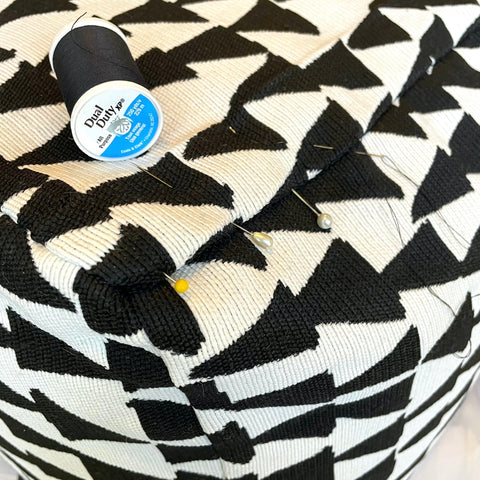
Looking to add a cozy touch to your outdoor space? A pouf ottoman is the perfect accessory to relax on, put your feet up, or even use as extra seating when friends visit.
But buying one can be expensive or hard to find in the style you want. What if you could make your own, tailored exactly to your taste and needs? In this guide, you’ll discover simple, step-by-step instructions to create a stylish and durable outdoor pouf ottoman that fits your space perfectly.
By the end, you’ll have a unique piece that not only looks great but feels great too. Ready to transform your outdoor area? Let’s get started!
Materials Needed
Gathering the right materials is key to making an outdoor pouf ottoman that lasts and looks great. Choosing durable fabrics and suitable fillings will make your pouf comfortable and weather-resistant. Before you start, consider what you want in terms of texture, firmness, and how much exposure to the elements your pouf will face.
Fabric Choices
Outdoor poufs need fabrics that can handle sun, rain, and dirt without fading or tearing. Look for:
- Sunbrella fabric:Known for UV resistance and easy cleaning.
- Canvas:Heavy-duty and durable, but treat it for water resistance.
- Olefin:Resistant to stains and mildew, perfect for outdoor use.
Think about color and pattern too—darker colors often hide stains better. Would you prefer a smooth or textured feel for your outdoor space?
Filling Options
The filling affects your pouf’s comfort and shape. You have several options:
- Foam:Provides firm support and maintains shape well.
- Polyester fiberfill:Soft and fluffy, but may compress over time.
- Outdoor bean bag beads:Lightweight and mold to your body.
Consider how often you’ll use the pouf and whether you want it to be more structured or squishy. How much weight will it need to support?
Tools Required
Having the right tools will make your project smoother and more enjoyable. Essential tools include:
- Sewing machine:A heavy-duty machine helps stitch thick outdoor fabrics.
- Scissors:Sharp fabric scissors for clean cuts.
- Measuring tape:To get accurate dimensions.
- Pins or clips:To hold fabric pieces together while sewing.
- Needle and strong thread:For hand finishing or repairs.
Do you have these tools ready, or will you need to gather some before starting? Having everything on hand saves frustration later.
Choosing The Right Size
Choosing the right size for your outdoor pouf ottoman is key to making it both functional and stylish. The size affects how well it fits into your space and how comfortable it is to use. A pouf too big may crowd your area, while one too small can feel out of place. Careful size selection ensures your pouf complements your outdoor setup perfectly.
Measuring Space
Start by measuring the area where you want to place the pouf. Use a tape measure to note the length and width. Leave some extra space around the pouf for easy movement. Consider the shape of your outdoor furniture to keep a balanced look. Mark the spot on the ground to visualize the pouf size.
Comfort Considerations
Think about how you will use the pouf. If it serves as a footrest, it should be low and wide. For extra seating, choose a pouf with enough surface area to sit comfortably. The height should match or complement nearby chairs. Soft, plush filling adds to comfort but needs enough space inside the cover. Balance size with comfort for the best experience.
Cutting The Fabric
Start by laying the fabric flat on a clean surface to ensure accurate cutting. Use sharp scissors to cut pieces carefully, following the pattern measurements exactly. Precise cuts help the pouf ottoman fit together neatly and look professional.
Cutting the fabric is an essential step in creating an outdoor pouf ottoman. It requires precision and attention to detail. The fabric pieces must align perfectly for a clean, professional look. Use a sharp pair of scissors or a rotary cutter for best results. This ensures smooth edges and reduces fraying.Pattern Layout
Begin by laying out your fabric on a flat surface. Ensure there are no wrinkles or creases. Place your pattern pieces on the fabric, aligning them according to the grain. This helps maintain the fabric’s strength and appearance. Pin the pattern pieces to the fabric to prevent shifting. Leave enough space between each piece for cutting.Tips For Accuracy
Use a fabric marker or chalk to trace around the pattern edges. This provides a clear cutting guide. Double-check your measurements before making any cuts. Ensure your cutting tool is sharp for clean lines. Take your time to avoid mistakes. Adjust any misalignments before you start cutting.Sewing The Pouf
Sewing the pouf is a key step to create a strong and neat outdoor ottoman. It holds the fabric pieces together and shapes the pouf perfectly. Using the right sewing skills helps the pouf last longer outdoors and keeps it looking great.
Careful sewing also prevents the fabric from fraying or tearing. It gives the pouf a polished look. Let’s explore the best stitching techniques and how to create clean seams for this project.
Stitching Techniques
Choose a strong stitch type for outdoor fabric. Use heavy-duty thread for durability. A straight stitch is simple and works well for most seams. For extra strength, use a double stitch or backstitch at the start and end of each seam.
Consider using a zigzag stitch along raw edges to stop fraying. This stitch adds flexibility and keeps the fabric intact during use. Keep your stitch length medium to balance strength and neatness.
Creating Seams
Pin fabric pieces together before sewing. This keeps the edges aligned and prevents shifting. Sew the pieces with a ½ inch seam allowance for stability. Press seams open with an iron to reduce bulk and make the pouf smooth.
Reinforce corners by sewing over them twice. This strengthens stress points where the pouf will receive pressure. Trim excess fabric near seams to avoid lumps. Proper seams make the pouf look sharp and professional.
Filling The Ottoman
Filling the ottoman is a key step in creating a comfy and durable outdoor pouf. The right filling gives shape and support. It also affects how the ottoman feels when you sit or rest your feet on it. Choosing the right stuffing helps your pouf last longer in outdoor conditions.
Stuffing Methods
Use materials that resist moisture and dry quickly. Polyester fiberfill is soft and lightweight, perfect for a plush feel. Foam inserts offer firmer support but must be covered with water-resistant fabric.
Another option is using recycled foam pieces or old cushions. These can save money and reduce waste. Fill the ottoman in layers for better shape and comfort. Start with foam or firm material in the center, then add softer stuffing around it.
Adjusting Firmness
Adjust firmness by adding or removing stuffing. For a firmer ottoman, pack the stuffing tightly. For a softer feel, use less stuffing or fluff it up.
Test the ottoman by pressing down with your hands or sitting on it. Add more stuffing in spots that feel flat or soft. Remove some if it feels too hard or lumpy.
Keep stuffing even for a smooth and balanced look. This keeps the ottoman comfortable and attractive for outdoor use.
Credit: armadillosun.com
Adding Finishing Touches
Adding the finishing touches to your outdoor pouf ottoman is where your creation truly comes alive. These final details not only boost its aesthetic appeal but also ensure it stands up to outdoor conditions. Let’s look at how you can enhance your pouf with simple yet effective touches that make a big difference.
Decorative Details
Your pouf can become a statement piece with the right decorative details. Consider sewing on colorful tassels or pom-poms around the edges for a playful vibe. Embroidered patterns or fabric paint can add a personal touch and reflect your style.
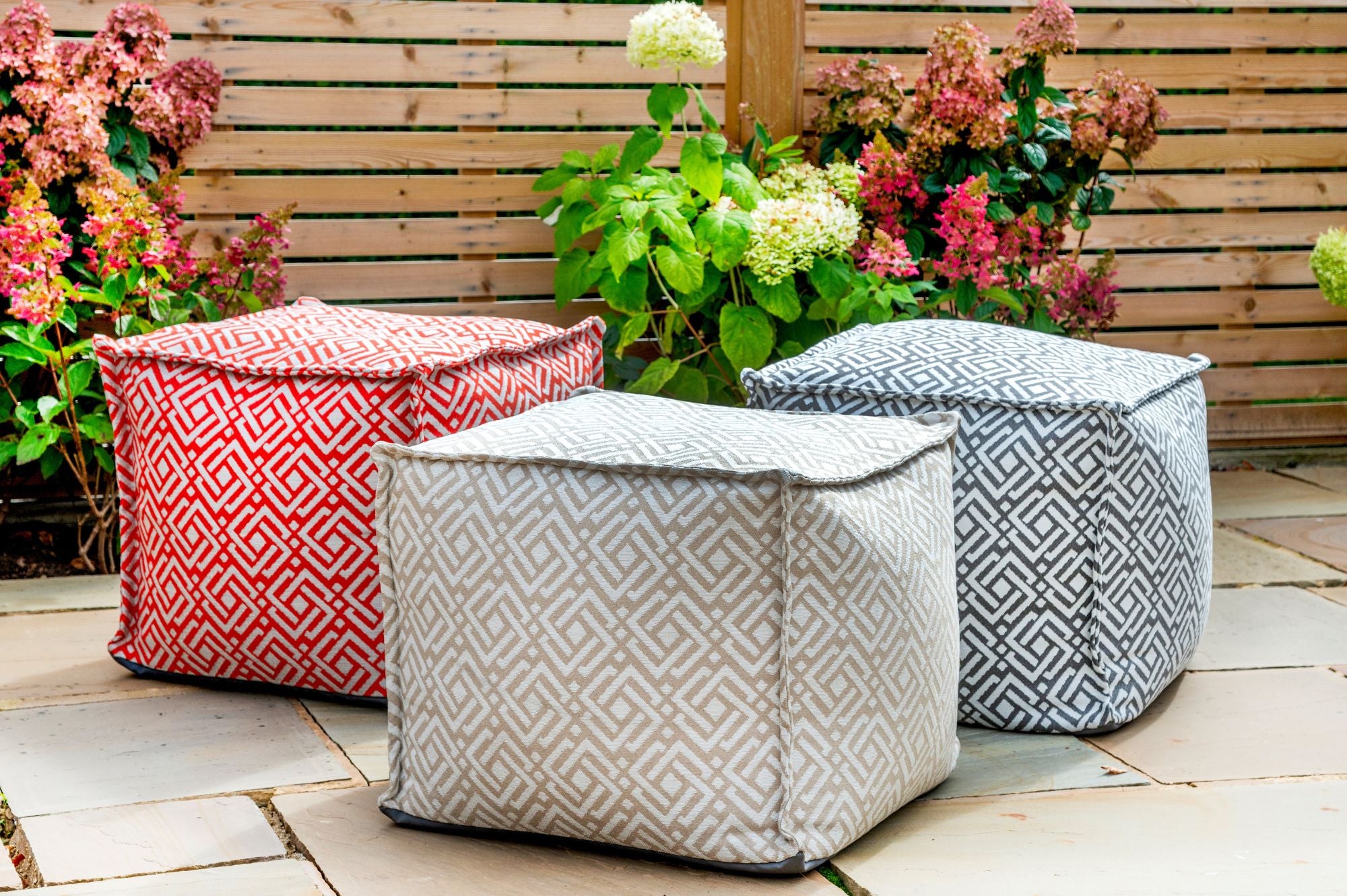
Don’t underestimate the power of texture. Adding a braided rope trim or a contrasting piping along the seams can make your ottoman look professionally finished. Think about what colors and textures match your outdoor space and bring those elements into your design.
Waterproofing Tips
Outdoor furniture faces unpredictable weather, so waterproofing your pouf is essential. Start by using a waterproof spray designed for fabric—apply it evenly and let it dry completely. This creates a barrier against moisture and stains.
For extra protection, line the inside of your pouf cover with a water-resistant fabric. This helps prevent the stuffing from absorbing water and keeps the pouf dry and comfortable. Have you checked if your stuffing material is mold-resistant? Choosing quick-drying or synthetic fillings can save you headaches later.
Simple care routines, like storing your pouf under cover during heavy rain or using a waterproof cover, extend its life remarkably. Which waterproofing method fits your lifestyle best?
Maintaining Your Pouf
Keeping your outdoor pouf ottoman in great shape is easier than you might think. With regular care, it can stay comfortable and stylish for years. Let’s look at practical ways to maintain its look and durability.
Cleaning Advice
Outdoor poufs often face dirt, dust, and spills. You don’t need harsh chemicals to clean them. Instead, use a mild soap mixed with water and a soft cloth or sponge.
Spot clean stains as soon as you notice them. This prevents the stain from setting in and becoming harder to remove. For fabric poufs, a gentle brush can help lift dirt without damaging the fibers.
Always check the manufacturer’s label for specific cleaning instructions. If your pouf has a removable cover, washing it according to the label can refresh its look. Dry the cover fully before putting it back on to avoid mildew.
Storage Solutions
Where you store your pouf during bad weather matters. Leaving it exposed to rain or intense sun can wear it out quickly. A waterproof storage bag or box is a smart investment.
If you don’t have a dedicated storage space, consider placing the pouf under a covered patio or inside a garage when not in use. This keeps it safe from extreme temperatures and moisture.
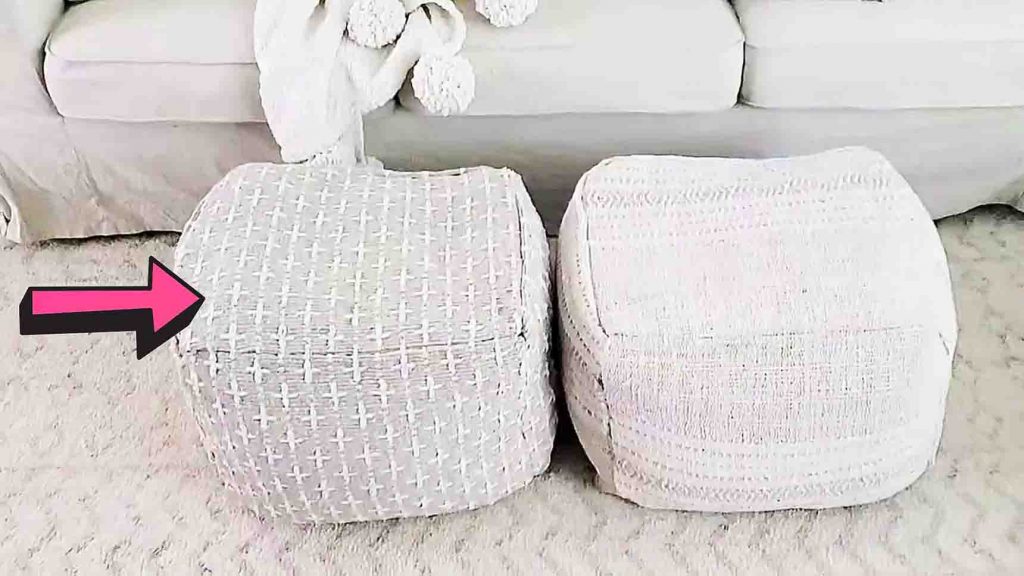
Think about how often you use your pouf. If it’s a seasonal piece, storing it away during the off-season can extend its life significantly. Have you tried stacking poufs to save space while storing? It’s a simple trick that works well for smaller areas.
Credit: diyjoy.com
Credit: www.extraspace.com
Frequently Asked Questions
What Materials Are Needed To Make An Outdoor Pouf Ottoman?
You need durable outdoor fabric, foam or stuffing, strong thread, a sewing machine, and scissors. Waterproof materials ensure weather resistance. Choose UV-resistant fabric to prevent fading. These materials keep your pouf ottoman sturdy and long-lasting for outdoor use.
How Do I Sew A Waterproof Outdoor Pouf Ottoman?
Use waterproof outdoor fabric and strong, UV-resistant thread. Sew seams tightly with a sewing machine. Add double stitching for extra durability. Make sure to leave an opening to insert foam or stuffing. Seal the opening securely after filling to prevent water entry.
What Type Of Stuffing Works Best For Outdoor Poufs?
High-density foam or outdoor-grade polyester fiberfill works best. These materials resist moisture and maintain shape. Avoid regular stuffing that absorbs water and molds. Choose stuffing that dries quickly and stays firm for outdoor comfort.
How To Maintain And Clean An Outdoor Pouf Ottoman?
Clean with mild soap and water using a soft brush or cloth. Avoid harsh chemicals that damage fabric. Store pouf indoors during harsh weather or cover it. Regular cleaning extends the pouf’s life and keeps it looking fresh.
Conclusion
Making an outdoor pouf ottoman is simple and fun. You can choose colors and materials that fit your style. It adds comfort and charm to your outdoor space. Plus, it’s a great way to use your creativity. Try making one today and enjoy relaxing outside with a cozy, handmade piece.
Small projects like this bring big smiles. Give it a go and see how satisfying it feels!



