
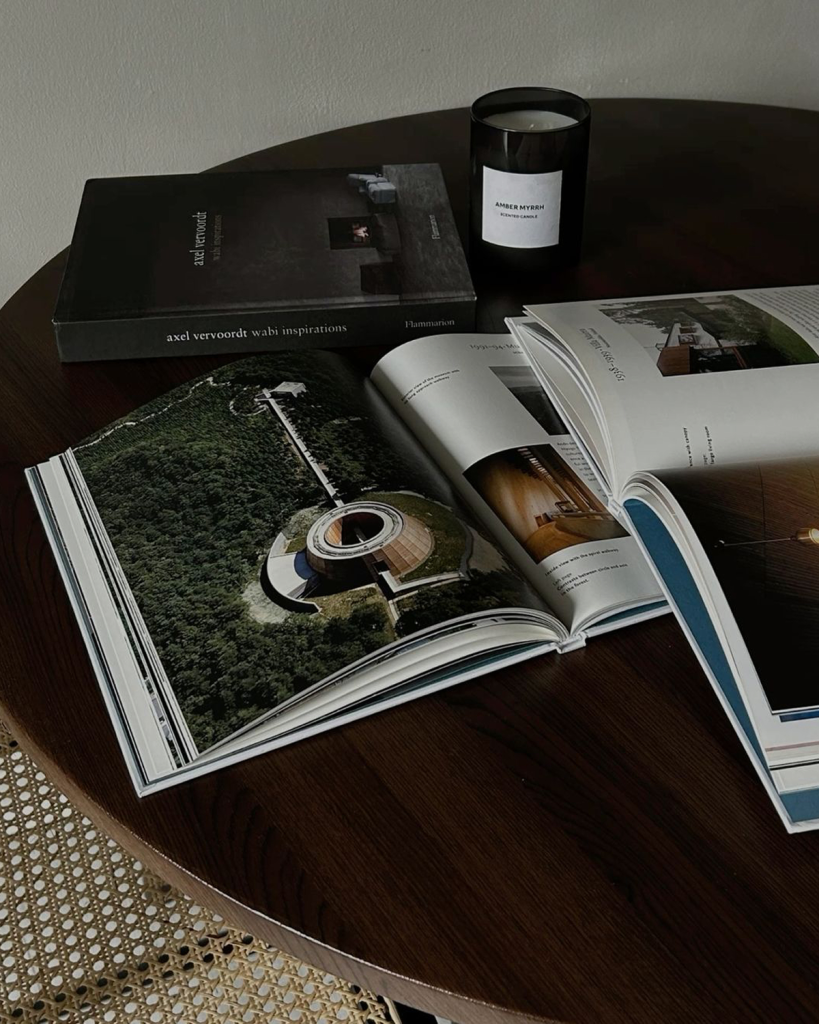
Have you ever dreamed of creating your own coffee table book? Imagine showing off a stunning collection of your favorite photos, stories, or artwork that captures your unique style.
Whether you want to preserve memories, share your passion, or impress guests, making a coffee table book is easier than you think. In this guide, you’ll discover simple steps to design a beautiful, personalized book that everyone will want to flip through.
Ready to turn your ideas into a keepsake you’ll be proud of? Let’s get started.
Choosing Your Theme
Choosing the right theme for your coffee table book sets the tone for the entire project. It defines the story you want to tell and the mood you want to create. A strong theme helps capture attention and makes your book memorable. Spend time exploring ideas that excite you and fit your style.
Finding Your Unique Angle
Think about what makes your perspective special. Your unique angle could come from a personal experience, a rare collection, or a fresh look at a common subject. This uniqueness draws readers in and keeps them curious. Ask yourself what story only you can tell.
Researching Popular Themes
Explore themes that many people enjoy. Popular topics include travel, nature, art, and food. Notice how these themes connect with audiences. Use this knowledge to inspire your own theme. Popular themes provide a foundation, but your twist makes it original.
Narrowing Down Your Focus
Focus on a specific part of your theme to avoid overwhelming readers. A narrow focus allows deeper exploration and richer content. For example, instead of “travel,” choose “hidden beaches in the Mediterranean.” This makes your book clear and engaging.
Planning Your Content
Planning your content is a key part of creating a coffee table book. It sets the tone and guides how your story unfolds. Thoughtful planning helps you choose what to include and how to present it clearly. A well-planned book keeps readers interested and makes your message strong.
Selecting Images And Text
Choose images that tell your story visually. Pick photos with good quality and clear focus. Use text that adds meaning to the images. Keep captions short and easy to read. Select words that connect with your theme. Avoid clutter by limiting too many images or long texts.
Organizing Your Story Flow
Arrange your content in a clear order. Create a beginning that introduces the topic. Follow with the main body that explains or shows details. End with a strong conclusion or final thought. Use sections or chapters to group similar ideas. This makes the book easy to follow and enjoyable.
Balancing Visuals And Words
Mix images and text evenly across pages. Let pictures speak where words are not needed. Use text to explain or add depth to photos. Avoid pages that feel too crowded or too empty. Balance keeps the reader’s eye moving smoothly. It makes the book visually pleasing and easy to understand.
Design Fundamentals
Creating a coffee table book begins with choosing a clear theme and selecting high-quality images. Balance text and visuals carefully to keep readers interested and engaged. Simple layouts and consistent design make the book easy to enjoy.
Creating a coffee table book is a unique blend of art and storytelling, where design plays a pivotal role in captivating the reader’s attention. The right design elements can transform your book into a visual masterpiece. Let’s explore some key design fundamentals that will make your coffee table book truly stand out.Choosing The Right Layout
Selecting the perfect layout sets the foundation for your book. A well-thought-out layout guides the reader’s journey, creating a seamless flow. Consider using a mix of full-page images and smaller photo clusters to keep the reader engaged. Experiment with grid structures to achieve balance and harmony. Ask yourself: does this layout highlight the story I want to tell? A friend of mine once rearranged her entire layout after realizing a different structure better showcased her travel photos.Typography Tips
Typography is the silent narrator of your book. Choose fonts that complement the theme and tone of your content. Pairing a bold headline font with a simple body text can create a dynamic contrast. Remember, readability is key. Avoid overly ornate fonts that distract from the message. Consider the emotions you want to evoke—do you want the reader to feel relaxed or energized? The right font can make all the difference.Color Schemes That Pop
A vibrant color scheme can breathe life into your coffee table book. Use colors to evoke emotions and highlight important elements. Bold, contrasting colors can grab attention, while softer hues can create a calming effect. Consider the natural palette of your images. Do your colors enhance or clash with the photos? I once used a subtle blue theme that complemented my ocean photography, adding depth to the entire book. Creating a coffee table book is a journey of creativity and personal expression. By focusing on these design fundamentals, you’re well on your way to crafting a book that not only tells a story but also delights the eye. Are you ready to bring your vision to life?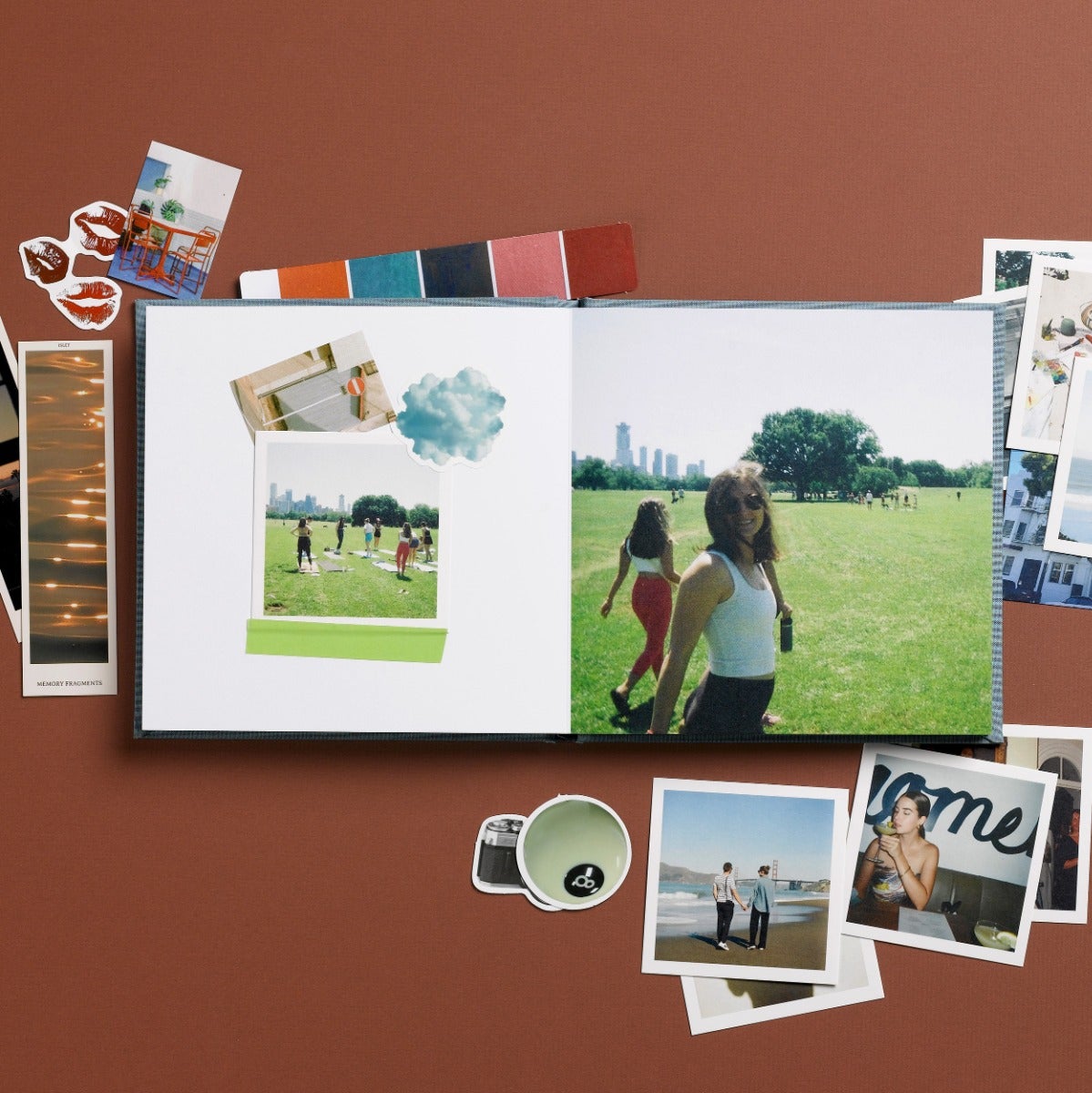
Credit: www.artifactuprising.com
Photography And Image Quality
Photography and image quality shape the soul of a coffee table book. Crisp, clear, and vibrant photos grab attention and tell your story. Blurry or dull images can weaken the entire book’s impact.
Choosing the right approach to photography ensures your book feels professional. Good images create a lasting impression and invite readers to explore more pages.
Shooting High-quality Photos
Use a camera with a high resolution to capture sharp details. Natural light works best for bright, true colors. Avoid harsh shadows or overexposure that hide details.
- Focus on the main subject to keep images clear.
- Use a tripod to prevent camera shake and blurriness.
- Take multiple shots to pick the best one later.
Editing For Consistency
Editing helps maintain a uniform look throughout your book. Adjust brightness and contrast to keep photos balanced. Crop images to highlight key elements and remove distractions.
- Use the same filters or color tones for cohesion.
- Ensure all photos align with your book’s mood and theme.
- Remove blemishes or unwanted spots carefully.
Using Stock Images Wisely
Stock images add variety but must match your book’s style. Choose photos that blend well with your originals. Avoid overused or generic pictures that feel disconnected.
- Check image resolution and license for print quality.
- Modify stock images slightly to fit your theme.
- Limit stock photos to support your story, not replace it.
Tools And Software
Choosing the right tools and software can make or break your coffee table book project. The programs you pick should not only fit your technical skill level but also allow you to bring your creative vision to life effortlessly. Having the right digital workspace helps keep your project organized and ensures your final product looks professional.
Top Design Programs
Professional designers often rely on Adobe InDesign for coffee table books. It offers precise control over layouts and typography, making it ideal for complex projects. If you want a powerful option with extensive features, this might be your go-to.
Another strong choice is Affinity Publisher, which provides many of InDesign’s capabilities at a lower cost. It’s great if you want professional results without a subscription. Both programs support high-resolution images and advanced text formatting.
User-friendly Platforms
If you’re new to design software, try platforms like Canva or Blurb’s BookWright. They come with pre-made templates and simple drag-and-drop interfaces. This means you can focus on your content without getting overwhelmed by complicated tools.
Canva is perfect for quick layouts and offers many free resources, while BookWright is tailored specifically for print books. These platforms often include built-in options for ordering physical copies, which can save you time later.
Integrating Text And Images
Balancing text and images is crucial to keep readers engaged. Use software that lets you easily move, resize, and layer elements on the page. This flexibility allows you to create dynamic spreads that highlight your photos and stories equally well.
Think about how captions, quotes, or descriptions can complement images without cluttering the page. Most design tools allow you to create text boxes that flow around images or sit in white space for a clean look.
Have you considered how your choice of font and image placement affects readability? Experiment with different layouts until your text and visuals feel naturally connected. Your coffee table book should invite readers to explore every page.
Printing Options
Printing your coffee table book is where your vision starts taking physical form. Choosing the right printing options affects the feel, look, and longevity of your book. It’s important to understand the details so you can make choices that fit your style and budget.
Choosing Paper And Binding
The paper you select influences the texture and brightness of your images. Glossy paper makes photos pop with vibrant colors, while matte paper offers a subtle, elegant finish that reduces glare.
Binding is equally important. Hardcover binding provides durability and a premium feel, while softcover keeps costs down and offers flexibility. Think about how often you expect your book to be handled—will it be a keepsake or something for casual browsing?
Understanding Print Costs
Print costs vary widely based on size, paper type, binding, and the number of copies. Larger pages and thicker paper increase the price, as do hardcover bindings.
Bulk orders usually reduce the cost per unit, but what if you only need a few copies? Digital printing might be more affordable for small batches, while offset printing is better for larger runs.
Have you calculated the total cost, including shipping and potential revisions? Knowing this upfront can save you surprises later.
Working With Printers
Choose a printer who understands your project and communicates clearly. Ask for samples of their work to judge quality firsthand.
Discuss timelines and turnaround times early on. Some printers offer proofs so you can review your book before the full print run.
Don’t hesitate to ask questions about file requirements and color accuracy. Good collaboration with your printer ensures your coffee table book looks exactly as you imagined.
Marketing Your Book
Marketing your coffee table book is just as important as creating it. Without a solid plan, your book might not reach the audience it deserves. Let’s look at how you can build a following, use social media effectively, and sell your book through various channels.
Building An Audience
Start by identifying who would love your coffee table book. Are they art lovers, travelers, or design enthusiasts? Knowing your audience helps you tailor your message and reach the right people.
Engage with your audience early. Share sneak peeks, behind-the-scenes shots, or stories about your creative process. This builds anticipation and trust.
Consider creating a mailing list to keep interested readers updated. A simple sign-up form on your website can work wonders. Personal emails make your audience feel valued and more likely to buy.
Leveraging Social Media
Social media is a powerful tool to showcase your coffee table book. Post high-quality images and short videos that highlight the book’s unique features.
Use hashtags strategically to reach communities interested in your topic. For example, photographybook or homedecor can attract relevant followers.
Engage with followers by asking questions like, “Which page would you display on your coffee table?” This encourages comments and shares.
Don’t just post—interact. Respond to comments, join conversations, and collaborate with influencers who share your book’s theme.
Selling Through Multiple Channels
Relying on a single sales channel limits your book’s potential. Explore various options to increase visibility and sales.
- Online Stores:Amazon, Etsy, and your own website are great places to start.
- Local Bookshops and Galleries:Approach stores that align with your book’s theme to stock your copy.
- Events and Markets:Book fairs, art shows, and craft markets provide direct access to buyers.
- Collaborations:Partner with interior designers or cafes to display and sell your book.
Have you considered packaging your book with complementary products? A set with art prints or coffee blends can attract more buyers.
Credit: www.artifactuprising.com
Tips From Experts
Creating a coffee table book is a rewarding project, but it requires careful planning and attention to detail. Experts emphasize practical advice that can save you time and improve your final product. Here are some valuable tips to guide you through the process and help you avoid common pitfalls.
Avoiding Common Mistakes
Many beginners rush through the layout, resulting in cluttered pages that confuse readers. Keep your design clean and consistent. Use high-quality images and avoid overloading pages with too much text.
Don’t underestimate the power of a strong theme. A clear focus keeps your book engaging and cohesive. Ask yourself: Does each page contribute to the overall story or message?
Incorporating Feedback
Getting feedback can be intimidating, but it’s crucial. Share your drafts with trusted friends or professionals who understand your vision. Their fresh eyes will catch details you might miss.
Be open to criticism without taking it personally. Sometimes, a small suggestion can make a huge difference. Have you asked someone outside your field for their honest opinion?
Staying Inspired
Inspiration can fade, especially during long projects. Keep your creativity alive by exploring different coffee table books, visiting galleries, or simply taking a walk. New experiences often spark fresh ideas.
Set small goals to maintain momentum. Celebrate each milestone to stay motivated. What unique perspective do you want your book to offer that hasn’t been seen before?

Credit: thewed.com
Frequently Asked Questions
What Materials Do I Need For A Coffee Table Book?
You need high-quality paper, a sturdy cover, professional photos, and a clear theme. Use design software to layout pages. Good printing services enhance the final look. These materials ensure your book looks polished and attractive.
How Do I Choose A Theme For My Coffee Table Book?
Select a theme that reflects your passion or story. It could be travel, art, nature, or personal memories. A clear theme helps create a cohesive and engaging book. It also attracts readers interested in that topic.
What Is The Best Size For A Coffee Table Book?
Common sizes are 8×10, 10×12, or larger. Bigger books showcase images better and create impact. Choose a size that fits your content and display space. Consider portability and printing costs when deciding size.
How Can I Design An Appealing Coffee Table Book Layout?
Use consistent fonts, balanced text and images, and white space. Organize content logically with chapters or sections. Employ design tools like Adobe InDesign or Canva. A clean layout enhances readability and visual appeal.
Conclusion
Creating a coffee table book takes planning and care. Choose your theme and photos with thought. Organize content to tell a clear story. Pick the right size and design for your book. Use quality printing to make it last. Enjoy sharing your unique creation with others.
This project brings your ideas to life. Start small and build your skills over time. A coffee table book can inspire and delight many. Keep it simple, creative, and true to your vision.



