
Are you wondering how to choose the perfect coffee table for your living room? One key factor that often gets overlooked is the height of the table.
Getting the right coffee table height can make your space feel balanced, comfortable, and stylish. But what exactly is the standard coffee table height, and why does it matter to you? Keep reading to discover the ideal height that will transform your room and make your daily relaxation moments even better.

Credit: www.maisonliving.com.au
Ideal Coffee Table Height
Choosing the ideal coffee table height can transform how comfortable and functional your living space feels. The right height ensures your table is easy to reach, complements your seating, and fits the room’s overall look. Have you ever struggled with a coffee table that’s too tall or too low? It can make relaxing or entertaining less enjoyable.
Common Height Ranges
Most coffee tables fall within a standard height range that works well with typical seating. Generally, coffee tables measure between 16 to 18 inchesin height, though some can be as low as 14 inches or as high as 20 inches.
- 16-18 inches:Ideal for most sofas and chairs, allowing easy access to drinks, snacks, and remotes.
- 14-16 inches:Works well with low-profile or modern furniture styles.
- 18-20 inches:Better suited for taller sofas or lounge chairs.
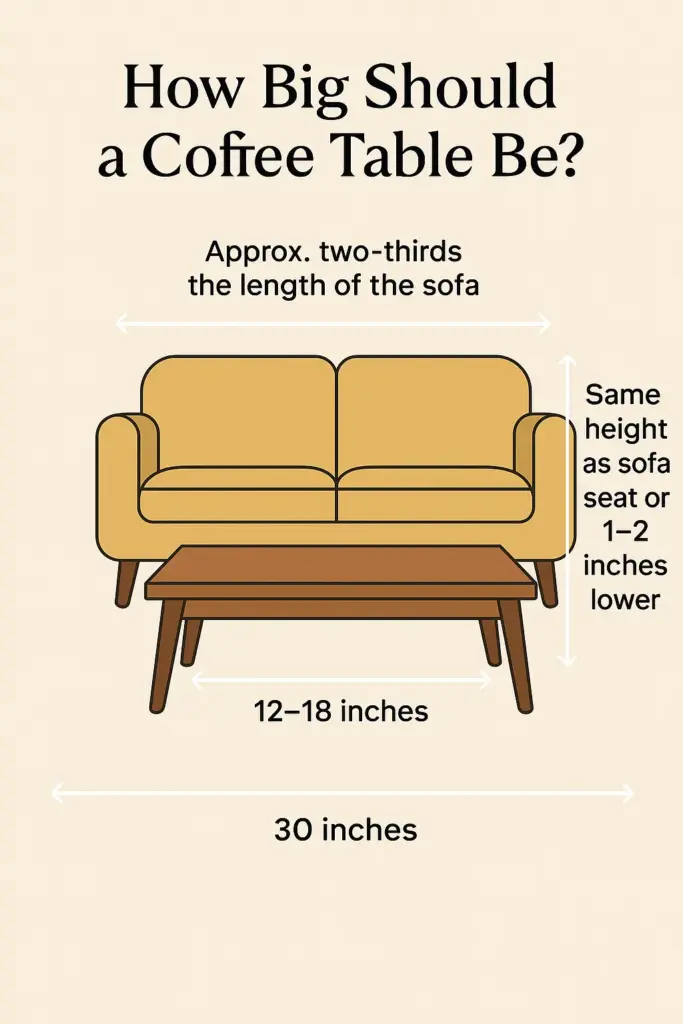
Think about the height of your sofa’s seat from the floor. Your coffee table should be about the same height or slightly lower for the best reach.
Factors Influencing Height
Your coffee table’s height depends on more than just standard measurements. Consider how you use your table daily and your furniture setup.
- Sofa height:Measure your couch’s seat height. Ideally, the coffee table should be 1-2 inches lower to keep things comfortable.
- Room size:In smaller rooms, a lower table can create an open feel, while larger rooms may handle taller tables.
- Usage:If you often eat or work at your coffee table, a taller height might suit you better.
- Style:The design and leg length of your furniture impact what coffee table height looks balanced.
Have you checked how your current coffee table height affects your everyday comfort? Adjusting it might improve your space more than you expect.
Measuring Your Space
Measuring your space is the first step to choosing the right coffee table height. It helps create a balanced look and ensures comfort. A well-measured space makes your room feel open and organized. It also prevents the table from being too tall or too short.
Knowing the right dimensions helps you pick a coffee table that fits perfectly. This way, you avoid awkward gaps or crowding around your sofa. Careful measurement supports both style and function in your living area.
Determining Sofa Height
Start by measuring the height of your sofa seat. Use a tape measure from the floor to the top of the seat cushion. The ideal coffee table height is usually 2 to 4 inches lower than the sofa seat. This difference makes reaching for items easy and comfortable.
Note the sofa arm height too. It helps if your coffee table will double as a side table. Matching the table height closely with the sofa arms adds a neat, cohesive look.
Considering Room Layout
Measure the space around your sofa for the coffee table. Leave enough room for walking and leg movement. At least 18 inches of clearance is comfortable between the sofa and table.
Think about other furniture pieces nearby. The coffee table should fit well with chairs, shelves, and rugs. This planning helps maintain good flow and balance in the room.
Use a floor plan sketch to visualize the layout. Mark dimensions and spacing to avoid mistakes. This simple step saves time and effort during shopping or assembly.
Matching Table Height To Seating
Choosing the right coffee table height is crucial for comfort. It should align with your seating arrangement. This ensures ease of use and enhances the room’s aesthetics. A table that’s too high or low disrupts harmony. It’s important to understand seating heights.
Standard Sofa And Chair Heights
Most sofas range from 17 to 19 inches in height. Chairs often share similar measurements. This consistency helps in selecting complementary furniture. A coffee table should be just about the same height. Ideally, it should not exceed the seat height by more than 1 or 2 inches.
Comfort And Accessibility
A well-matched coffee table height enhances comfort. It allows easy reach for drinks and books. Accessibility is key for daily use and relaxation. The right height prevents unnecessary strain. This balance creates a welcoming and functional space.
Styles And Height Variations
Choosing the right coffee table height goes beyond just measurements; it also depends on the style you want and how you use the table. Different designs bring unique height variations that can affect comfort, space, and the overall look of your room. Understanding these style differences helps you pick a table that fits both your lifestyle and your living space.
Modern Vs Traditional Tables
Modern coffee tables often have lower heights, sometimes ranging from 14 to 16 inches. This style emphasizes sleek lines and minimalism, creating an open and airy feel in your living room.
Traditional tables tend to be closer to the standard 18-inch height, offering a balanced look that complements classic furniture pieces. These tables usually have ornate details and sturdy builds, which add warmth and character to your space.
Ask yourself: do you prefer a table that blends in quietly or one that stands out with bold design? Your answer can guide you toward modern or traditional height choices.
Adjustable And Nesting Tables
Adjustable coffee tables give you the freedom to change the height based on your needs. Whether you’re working, eating, or relaxing, you can raise or lower the table to match your activity perfectly.
Nesting tables come in sets with different heights, allowing you to stack or spread them out as needed. This flexibility makes them great for small spaces or when you want to switch up your room’s layout frequently.
Think about how often you rearrange your living room or need multiple surfaces—could an adjustable or nesting table make your life easier?
Material Impact On Height
The material you choose for your coffee table can subtly influence its height and overall feel in your living space. Different materials come with unique thicknesses, strengths, and design possibilities that affect how tall or low your table sits. Understanding these differences helps you pick a coffee table height that matches both style and comfort.
Wood, Glass, And Metal Choices
Wood coffee tables often have a natural thickness that can push the table height slightly higher. Solid wood legs and thick tabletops add sturdiness but might raise the table above the standard 16-18 inches. If you prefer a lower profile, thinner wood slabs or reclaimed wood can help you maintain a comfortable height without sacrificing durability.
Glass tables usually have thinner tops, which can keep the height closer to standard measurements even with taller bases. The transparency of glass creates an airy look, so even a slightly taller table won’t feel bulky. However, keep in mind that glass requires strong, often metal, supports that might add to the total height.
Metal tables offer the most flexibility in height because metal legs can be crafted in various thicknesses and shapes. Slim metal frames can keep your table low and sleek, while chunkier metal bases often elevate the table higher. The choice between lightweight aluminum or heavy steel also affects how you perceive the table’s height in your room.
Design And Practicality
Your table’s design directly impacts its height and how it fits with your seating. For example, a wood table with carved legs might be taller to showcase craftsmanship, but is it comfortable for your couch? Glass and metal tables often lean towards modern designs that focus on minimalism, which can mean a lower or adjustable height.
Think about how you use your coffee table daily. Do you often rest your feet on it? Do you need it close enough for snacks and drinks? Practicality might lead you to choose a material that allows you to customize height easily, like metal bases with adjustable legs.
Have you measured your sofa seat height to ensure your coffee table matches well? Matching your table height to your seating creates a balanced look and better functionality. Materials that offer height flexibility give you more control over this important detail.
Credit: www.wayfair.com
Customizing Coffee Table Height
Customizing coffee table height lets you tailor furniture to your space and comfort. It ensures the table fits perfectly with your seating and room style. Adjusting height can improve usability and create a balanced look.
Diy Adjustments
Simple changes can make a big difference in coffee table height. Adding or removing leg risers is an easy way to raise or lower the table. You can use furniture coasters or pads under the legs for small height tweaks.
Another option is to replace the legs with longer or shorter ones. Sanding down wooden legs can also lower the table slightly. These DIY methods save money and allow quick customization.
Professional Custom Builds
Custom builds offer precise control over coffee table height and design. Skilled craftsmen create tables tailored to your exact measurements. You can choose materials, shapes, and finishes to match your room.
Professionals can also add special features like storage or adjustable legs. Though more costly, custom builds ensure the table fits your needs perfectly. This option is ideal for unique spaces or specific style goals.
Common Mistakes To Avoid
Choosing the right coffee table height can affect your room’s comfort and style. Many make simple mistakes that harm the look and feel of the space. Avoid these errors to create a balanced and inviting area. Focus on practical details to enhance your living room.
Too High Or Too Low
A coffee table that is too high makes sitting uncomfortable. It can block leg space and feel awkward. Too low, and reaching for items becomes a struggle. The table should align closely with the sofa seat height. This keeps everything within easy reach and looks natural.
Ignoring Room Proportions
Room size and furniture scale matter a lot. A large table in a small room feels overwhelming and cramped. A tiny table in a big space looks lost and unbalanced. Match the coffee table size to the room and sofa size. This creates harmony and keeps the space open and airy.

Credit: www.bludot.com
Frequently Asked Questions
What Is The Standard Height For A Coffee Table?
The standard coffee table height ranges between 16 to 18 inches. This height matches most sofa seat heights, ensuring comfort and easy access.
Why Is Coffee Table Height Important?
Proper coffee table height improves comfort and functionality. It prevents strain when reaching for items and enhances room aesthetics.
How To Measure The Right Coffee Table Height?
Measure your sofa seat height first. Choose a coffee table 2 to 4 inches lower than the sofa seat for ideal proportions.
Can Coffee Table Height Affect Room Design?
Yes, the coffee table height impacts room balance. A well-proportioned table complements furniture and improves space flow.
Conclusion
Choosing the right coffee table height makes your space feel balanced. The standard height usually ranges from 16 to 18 inches. This fits well with most sofas and chairs. A good height helps keep drinks and snacks easy to reach.
It also adds comfort and style to your room. Remember, comfort matters more than exact numbers. Pick a height that matches your furniture and daily needs. This way, your coffee table will look great and work well. Simple choices create a cozy, inviting living area.



