
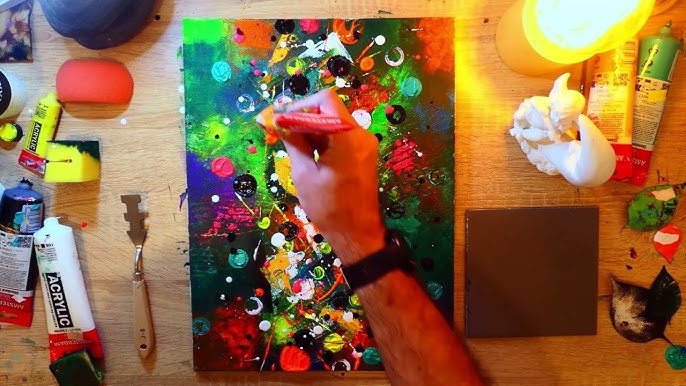
Have you ever wanted to bring your ideas to life on a blank canvas but didn’t know where to start? Creating a canvas painting is easier than you think, and it can be a powerful way to express yourself.
Imagine turning simple brush strokes into a vibrant work of art that you’re proud to display. In this guide, you’ll discover step-by-step how to create your own canvas painting, even if you’ve never picked up a brush before. Keep reading, and by the end, you’ll be ready to start your very own masterpiece.
Choosing Your Canvas
Choosing your canvas is a crucial step in creating a painting. The right canvas can enhance your artwork and make the process enjoyable. Understanding different aspects of canvas selection can lead to better results.
Types Of Canvas Materials
Canvas comes in various materials. The two most common are cotton and linen. Cotton is affordable and widely used. It is great for beginners. Linen is more expensive but offers a smoother surface. Artists often prefer linen for detailed work. Each material has its unique texture and feel.
Selecting The Right Size
Canvas size affects your painting’s overall impact. Consider the space where the artwork will hang. Smaller canvases are ideal for compact spaces. Larger canvases can make a bold statement. Think about the details you wish to include in your artwork. More details often require a larger canvas.
Preparing The Canvas Surface
Preparing the canvas ensures better paint adhesion. Most canvases come pre-primed. This means they have a layer of gesso. Gesso prevents paint from soaking into the fabric. For a smoother finish, apply an additional gesso layer. Let it dry completely before starting your painting. This preparation step can enhance the final look of your artwork.

Credit: www.youtube.com
Gathering Art Supplies
Gathering art supplies is the first step in creating a beautiful canvas painting. Having the right materials makes the painting process smooth and enjoyable. Choosing the right tools helps bring your ideas to life with ease and precision.
Essential Paints And Brushes
Choose high-quality paints for vibrant colors. Acrylics are great for beginners because they dry fast. Oils offer rich texture but take longer to dry. Watercolors create soft, translucent effects. Pick the type that fits your style.
Brushes come in many shapes and sizes. Round brushes work well for details. Flat brushes cover large areas quickly. Fan brushes blend colors smoothly. Synthetic brushes suit acrylics and watercolors. Natural bristles are best for oil paints.
Additional Tools And Accessories
- Canvas or canvas boards for your painting surface
- Palette for mixing paints
- Easel to hold your canvas upright
- Palette knives for mixing or applying paint thickly
- Rags or paper towels for cleaning brushes
- Jars or cups for water or solvents
- Apron or old clothes to protect from paint stains
Setting Up Your Workspace
Find a well-lit area with good natural or artificial light. Arrange your supplies within easy reach. Use a table or sturdy surface for your palette and tools. Keep your canvas steady using an easel or flat surface. Make sure the space is ventilated to avoid paint fumes. Organize your brushes and paints to avoid clutter. A clean workspace helps you focus on your painting.
Planning Your Design
Planning your design is the foundation of a successful canvas painting. It helps you organize your thoughts and gives clear direction before you start painting. Taking time here can save hours of frustration later and makes the creative process more enjoyable.
Finding Inspiration
Inspiration can come from anywhere—nature, photographs, emotions, or even everyday objects around you. Look for scenes or ideas that evoke a feeling or story you want to tell through your painting.
Try collecting images or creating a mood board. This visual reference keeps your focus sharp and helps you decide on the subject and style. Have you ever noticed how a single photo can spark dozens of creative ideas?
Sketching Your Idea
Sketching is like a blueprint for your painting. Use pencil and paper to quickly jot down your composition and layout. Don’t worry about details; focus on shapes, balance, and placement.
Sketching allows you to experiment with different arrangements without wasting paint. You can also identify potential challenges early, like awkward spacing or perspective issues. How might adjusting your sketch change the story your painting tells?
Color Palette Selection
Choosing your colors early helps set the mood and harmony of your artwork. Limit your palette to a few main colors to create unity and avoid overwhelming your canvas.
Consider the emotions different colors evoke—warm tones can feel inviting, while cool tones might suggest calm or distance. Test your chosen colors together on a small paper before committing to the canvas to see how they interact.

Credit: www.youtube.com
Painting Techniques
Painting techniques bring life to your canvas. They shape the way colors and shapes appear. Understanding these methods helps create art with more meaning and beauty.
Basic Brush Strokes
Brush strokes form the foundation of any painting. Different strokes produce different effects. Use broad strokes for backgrounds and fine strokes for details.
- Flat stroke: creates smooth, even coverage
- Dry brush: adds rough texture
- Stippling: small dots for texture
- Scumbling: light, broken strokes for soft edges
Practice these strokes to control your brush better. It gives your painting a clean, professional look.
Blending And Layering Colors
Blending merges colors smoothly. It helps create gradients and soft transitions. Use a clean, dry brush to blend wet paint gently.
Layering means painting over dry layers. It builds color depth and richness. Start with thin layers. Add more layers for stronger color.
- Wet-on-wet: blend colors while wet
- Wet-on-dry: layer colors on dry paint
- Glazing: thin transparent layers for shine
Creating Texture And Depth
Texture makes your painting feel alive. Use thick paint or tools like palette knives. Scrape or dab paint to add roughness.
Depth creates distance and focus. Use darker colors for shadows. Light colors bring objects forward.
- Impasto: thick paint layers for 3D effect
- Sgraffito: scratch paint for texture
- Dry brush layering: build subtle texture
Finishing Touches
Finishing touches can transform your canvas painting from good to truly captivating. This final phase lets you refine your work and ensure it stands the test of time. Paying attention to small details and protecting your art will make your creation shine.
Adding Details And Highlights
Details bring your painting to life. Use a fine brush to add sharp lines or tiny dots that emphasize key features. Highlights can create depth and draw the viewer’s eye to important areas.
Try mixing a bit of white or a lighter shade of your main colors to paint highlights. Notice how even a small touch can make textures pop or make objects appear more three-dimensional. Have you ever paused and thought about which parts of your painting should catch the light?
Correcting Mistakes
Mistakes are part of the process, not the end. If something doesn’t look right, don’t hesitate to fix it. You can paint over errors once the layer dries or gently scrape off unwanted paint with a palette knife.
Sometimes, stepping back and looking from a distance helps spot areas needing correction. Ask yourself, “Does this part fit with my overall vision?” Adjusting colors or shapes at this stage can dramatically improve your final piece.
Sealing And Protecting Your Painting
Protect your hard work by sealing the painting. A clear varnish shields against dust, moisture, and fading. Choose between matte, satin, or glossy finishes depending on the look you want.
Apply the sealant in thin, even coats using a clean brush or spray. Make sure your painting is completely dry before sealing to avoid trapping moisture. How do you want your painting to be preserved for years to come?

Credit: keepinglifecreative.com
Displaying Your Artwork
Displaying your canvas painting is just as important as creating it. How you present your artwork can influence the room’s vibe and how people connect with your piece. Thoughtful display choices help your painting stand out and keep it safe for years to come.
Framing Options
Choosing the right frame can elevate your painting dramatically. You can opt for a classic wooden frame to add warmth or a sleek metal frame for a modern look. Some artists prefer a simple gallery wrap, where the canvas edges are painted and left unframed, offering a clean and contemporary finish.
Think about where you want to hang your painting. A bold, ornate frame might suit a traditional space, while minimalist frames fit better in modern settings. Don’t be afraid to visit a local framing shop; professionals can suggest options that highlight your artwork’s colors and textures.
Lighting Tips
Good lighting brings your painting to life and reveals its details. Natural light is beautiful but can fade colors over time, so balance it with indirect sunlight or filtered windows. Adjustable LED spotlights work well to focus attention without creating glare or harsh shadows.
Try moving the light source around and observe how it changes the painting’s appearance. Does the texture pop more from one angle? Does the color feel richer? You want to create a viewing experience that invites people to pause and explore every brushstroke.
Caring For Your Painting
Protecting your painting ensures it stays vibrant and damage-free. Avoid hanging it in places with high humidity, like bathrooms or kitchens, as moisture can warp the canvas or encourage mold. Dust your painting gently with a soft brush or microfiber cloth to keep it clean without scratching the surface.
If you notice any signs of wear, such as cracking paint or loose canvas, consult a professional restorer. Small issues can become big problems if ignored. Your artwork deserves care that preserves your hard work and creativity.
Frequently Asked Questions
What Materials Do I Need For Canvas Painting?
You need a stretched canvas, acrylic or oil paints, brushes, a palette, and water or solvents. Optional items include an easel and varnish.
How Do I Prepare A Canvas For Painting?
Prime the canvas with gesso to create a smooth, absorbent surface. Let it dry completely before starting your painting.
What Painting Techniques Work Best On Canvas?
Techniques like layering, blending, and glazing work well on canvas. Experiment with brush strokes and textures for unique effects.
How Long Does A Canvas Painting Take To Dry?
Drying time varies by paint type. Acrylics dry in hours, oils may take days to weeks to dry fully.
Conclusion
Creating a canvas painting can be fun and relaxing. Start with simple steps and tools. Practice helps you improve little by little. Enjoy the process, not just the result. Your unique style will grow with time. Keep trying new ideas and colors.
Painting lets you express your feelings clearly. Every brush stroke tells your story. Grab your canvas and begin today!



