
Is your favorite wood coffee table ruined by unsightly water stains or damage? You’re not alone, and the good news is—fixing it is easier than you might think.
Imagine restoring your table to its original beauty without spending a fortune or calling in a professional. In this guide, you’ll discover simple, effective steps to repair water damage and bring your coffee table back to life. Keep reading, because your perfect, refreshed table is just a few easy fixes away.
Identify Water Damage Signs
Water damage on a wood coffee table can be subtle at first. Spotting the signs early helps prevent bigger problems. You need to carefully check the wood surface for any unusual changes. These changes often show where water has affected the wood. Knowing what to look for saves time and effort in repairs.
Surface Discoloration
Look for patches that are lighter or darker than the rest of the wood. Water can leave white rings or dark spots on the surface. These marks happen when moisture seeps into the finish. Discoloration may also look dull or faded compared to the surrounding area. This is often the first visible sign of water damage.
Warping And Swelling
Check if the wood feels uneven or wavy. Water causes wood fibers to swell and lose their shape. The table surface might bulge or lift where moisture is trapped. Warping can make the table unstable or cause joints to loosen. This damage usually means water has soaked deep into the wood.
Cracks And Splits
Examine the wood for small cracks or splits along the grain. Drying after water exposure can cause the wood to shrink and crack. These splits weaken the wood and make it more likely to break. Cracks often appear near edges or joints where water pools. Catching cracks early helps keep your table strong.
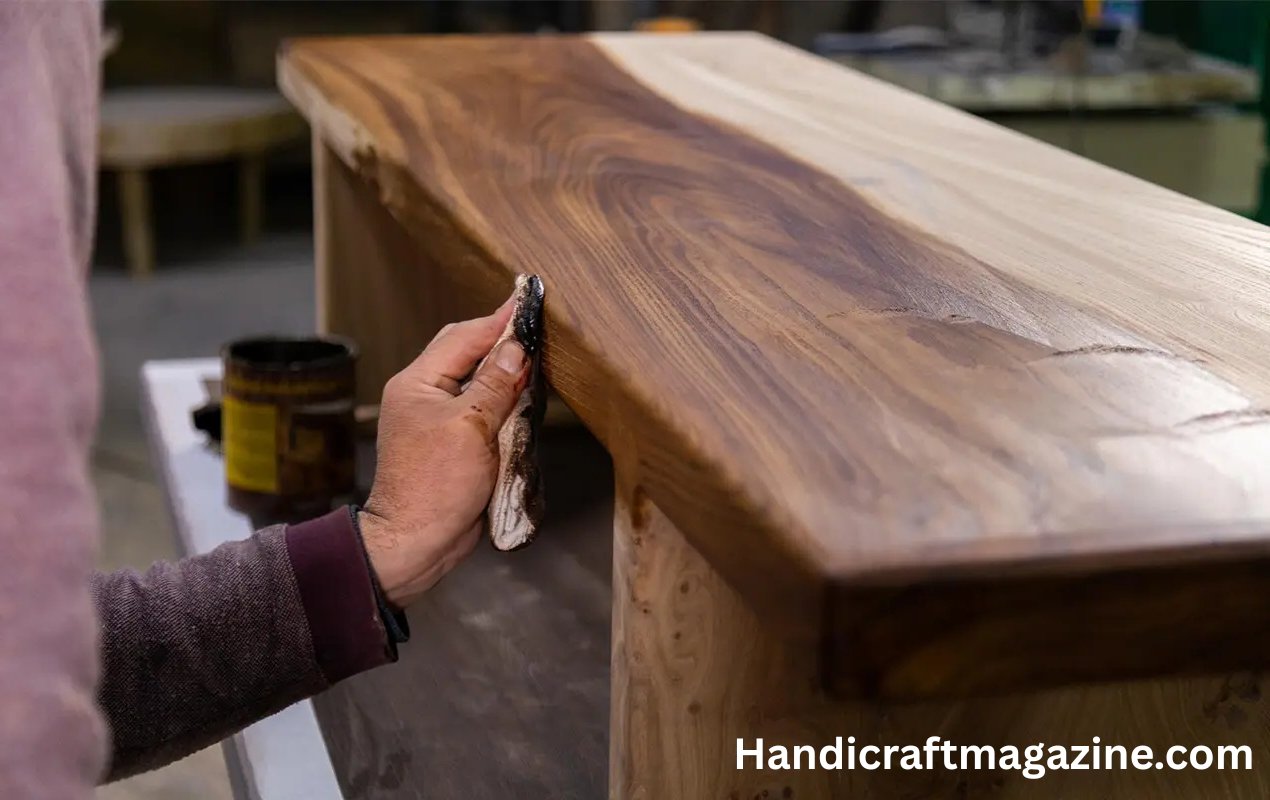
Credit: handicraftmagazine.com
Gather Necessary Tools
Fixing water damage on a wood coffee table needs the right tools. Preparing these tools makes the repair process smooth. You will clean, sand, and refinish the wood surface. Each stage requires specific supplies. Gather everything before you start. This saves time and effort.
Cleaning Supplies
- Soft cloths for wiping the surface
- Mild soap or wood cleaner
- Water for rinsing
- White vinegar to remove stains
- Spray bottle for applying solutions
Sanding Materials
- Fine-grit sandpaper (220-grit)
- Medium-grit sandpaper (120-grit)
- Sanding block or sponge
- Tack cloth to remove dust
- Protective mask and gloves
Finishing Products
- Wood stain matching your table’s color
- Clear wood finish or varnish
- Brushes or foam applicators
- Wood polish for final shine
- Clean rags for wiping excess finish
Dry The Affected Area
Water damage on a wood coffee table can be troubling. The first step to fixing it is drying the affected area. Proper drying prevents further damage and prepares the surface for repair. Follow these simple methods to ensure your table dries effectively.
Use Absorbent Cloths
Begin with absorbent cloths to soak up moisture. Gently press the cloth against the wet area. Avoid rubbing to prevent spreading the water. Keep using fresh cloths until they no longer absorb moisture.
Apply Gentle Heat
Consider using gentle heat to speed up drying. A hairdryer on a low setting works well. Keep it at a safe distance from the table. Move it continuously to distribute the heat evenly.
Allow Natural Air Drying
Letting the table dry naturally is also effective. Place it in a well-ventilated room. Open windows to increase airflow, aiding the drying process. Ensure it’s not in direct sunlight to avoid warping.

Credit: www.reddit.com
Remove Surface Stains
Surface stains on a wood coffee table can be frustrating, but they don’t always mean the end for your favorite piece. Often, these stains are just sitting on the finish and can be removed with simple household items or specialized products. Before considering sanding or refinishing, try these easy and effective stain removal techniques.
Try Toothpaste Or Baking Soda
Toothpaste and baking soda are mild abrasives that can gently lift water stains without damaging the wood finish. Use a small amount of non-gel toothpaste or make a paste with baking soda and water.
- Apply the paste to the stained area using a soft cloth.
- Rub gently in circular motions for about a minute.
- Wipe off with a clean damp cloth and dry immediately.
This trick worked for me once when a cold glass left a white ring on my table. It’s surprising how such common items can restore your wood’s original look.
Use Vinegar And Olive Oil
Combining vinegar and olive oil can balance cleaning and conditioning your wood surface. Vinegar cuts through mineral deposits from water, while olive oil nourishes the wood.
- Mix equal parts of white vinegar and olive oil.
- Apply the mixture with a soft cloth, rubbing it onto the stained area.
- Buff gently until the stain fades and the wood shines.
Have you noticed how some stains seem to dull the wood’s natural glow? This method not only removes stains but also revives that warm, rich color.
Apply Commercial Wood Cleaners
When household remedies don’t do the trick, commercial wood cleaners can offer a more powerful solution. Products designed specifically for wood can break down stubborn water marks and restore finish integrity.
- Choose a cleaner suited for your table’s finish (varnish, lacquer, or oil).
- Follow the instructions carefully to avoid over-application.
- Test the product on a small hidden spot first to ensure no damage.
These cleaners often contain conditioning agents as well, which protect your table long after the stain is gone. What’s your experience with commercial cleaners—hit or miss?
Sand The Damaged Wood
Sanding the damaged wood is a crucial step in fixing water damage on your coffee table. It helps remove the affected surface and smooths out any rough patches, preparing the wood for refinishing. Taking your time here makes a big difference in restoring your table’s original beauty.
Select Proper Sandpaper Grit
Choosing the right sandpaper grit is essential. Start with a medium grit, like 120, to remove the damaged layer without causing deep scratches. After that, use a finer grit, such as 220, to smooth the surface and prepare it for staining or sealing.
Using sandpaper that’s too coarse can damage the wood further, while sandpaper that’s too fine won’t remove enough damage. Have you ever tried sanding with the wrong grit and ended up making things worse? Avoid that frustration by testing on a small hidden area first.
Sand With The Grain
Always sand in the direction of the wood grain. Sanding against the grain can leave scratches that are difficult to remove and will show up clearly once the finish is applied. Pay attention to the wood’s natural lines and follow them carefully.
This approach not only protects the wood’s texture but also helps the finish adhere better. Have you noticed how sanding against the grain leaves marks that seem impossible to fix? Staying with the grain saves you time and effort.
Clean Dust Thoroughly
After sanding, clean off all the dust thoroughly. Use a vacuum or a damp cloth to remove fine particles that can interfere with the finish. Even tiny dust specks can cause a rough surface and dull the look of your coffee table.
Taking this extra cleaning step ensures a smooth and professional-looking repair. You don’t want to put hours into sanding only to have dust ruin the final touch, right? Make sure your workspace is clean and well-lit to spot any leftover dust easily.
Apply Wood Conditioner
Applying a wood conditioner helps restore your coffee table’s natural look after water damage. It nourishes the wood and prepares it for any finishing touches. This step protects the wood and reduces uneven patches or blotchy stains. Proper use of conditioner improves the wood’s texture and color.
Choose Suitable Conditioner
Select a conditioner made for your wood type. Oil-based conditioners work well on hardwoods. Water-based options suit softer woods. Check product labels for compatibility. Avoid harsh chemicals that may damage the wood further. Pick a conditioner that restores moisture and enhances grain.
Even Application Techniques
Apply the conditioner with a clean cloth or brush. Use gentle, circular motions to cover the surface evenly. Avoid soaking the wood; a thin layer is enough. Work in small sections to maintain control. Wipe off any excess conditioner to prevent sticky spots.
Drying Time Tips
Allow the conditioner to dry fully before touching the surface. Drying usually takes 4 to 6 hours. Keep the table in a well-ventilated area during this time. Avoid direct sunlight or heat sources to prevent cracking. Patience ensures better absorption and a smoother finish.
Refinish The Surface
Refinishing the surface of a wood coffee table restores its original beauty after water damage. This process removes stains and smooths out rough patches. It also protects the wood from future harm. A fresh finish breathes new life into your furniture and makes it look almost new again.
Pick The Right Stain Or Paint
Choose a stain or paint that matches the table’s original color. Test the color on a small hidden area first. Oil-based stains work well for deep, rich tones. Water-based stains dry faster and have less odor. Paint covers stains completely and offers many color options. Select a product designed for wood furniture to ensure durability.
Apply Multiple Coats
Apply the stain or paint in thin, even layers. Let each coat dry fully before adding the next. This prevents drips and uneven color. Light sanding between coats helps smooth the surface. Multiple coats build a strong, lasting finish. Patience is key for a flawless look.
Seal With Protective Finish
Use a clear sealant to protect the stained or painted surface. Polyurethane or varnish works well to guard against water and scratches. Apply the sealant with a clean brush in thin layers. Allow each layer to dry completely before adding another. The sealant adds shine and extends your table’s life.

Credit: www.youtube.com
Prevent Future Water Damage
Preventing future water damage on your wood coffee table is essential to keep it looking beautiful and lasting longer. Small habits and simple changes can protect your table from unsightly stains and warping. Let’s look at some practical ways you can shield your wood surface from water damage daily.
Use Coasters And Mats
One of the easiest ways to protect your coffee table is by always using coasters under drinks. Coasters catch condensation and spills before they reach the wood. You might be surprised how much a simple coaster can save your table from rings and stains.
Consider placing a decorative mat or tray under items that may hold water, like vases or plant pots. These create a barrier and prevent moisture from seeping into the wood. Do you have favorite coasters or mats that also add style to your living space?
Maintain Regular Cleaning
Dust and dirt can scratch the wood surface and make water damage worse. Wiping your coffee table regularly with a soft, dry cloth removes grime that traps moisture. For sticky spots, use a damp cloth with a mild cleaner, but never soak the wood.
Set a cleaning routine that fits your lifestyle—quick daily wipes and a deeper clean once a week can make a big difference. Have you noticed how a clean surface helps water bead up instead of soaking in?
Control Indoor Humidity
Wood reacts to moisture in the air as much as direct water spills. High indoor humidity can cause wood to swell, warp, or develop mold. Using a dehumidifier or air conditioner helps keep humidity levels stable, especially in damp seasons.
Try to keep your home’s humidity between 30% and 50% to protect your wood furniture. Have you checked your home’s humidity lately? Small changes in air moisture can greatly affect your coffee table’s condition.
Frequently Asked Questions
How Do I Remove Water Stains From A Wood Coffee Table?
To remove water stains, gently rub the area with a cloth dipped in a mix of baking soda and water. For stubborn stains, use a mild abrasive like toothpaste. Always test on a small area first to avoid damage.
Can I Fix Water Damage Without Sanding The Wood?
Yes, you can use household items like mayonnaise or petroleum jelly. Apply them on the stain, let sit for hours, then wipe clean. This softens the wood and lifts minor water marks without sanding.
What Type Of Finish Protects Wood Coffee Tables From Water?
Polyurethane and varnish are excellent finishes that create a waterproof barrier. They protect wood from water damage and stains. Regularly applying these finishes ensures your table stays safe from moisture.
How Long Does It Take For Wood To Dry After Water Damage?
Wood usually takes 24 to 72 hours to dry completely, depending on moisture and ventilation. Use fans and dehumidifiers to speed up drying. Avoid heat, which can warp or crack the wood.
Conclusion
Fixing water damage on a wood coffee table takes care and patience. Start with gentle cleaning and drying to stop further harm. Use simple tools and products to restore the wood’s look. Small repairs can bring back beauty and function.
Regular care helps keep your table safe from future damage. A little effort can save your favorite furniture piece. Remember, timely action makes a big difference. Your wood coffee table can shine again with proper care.



