
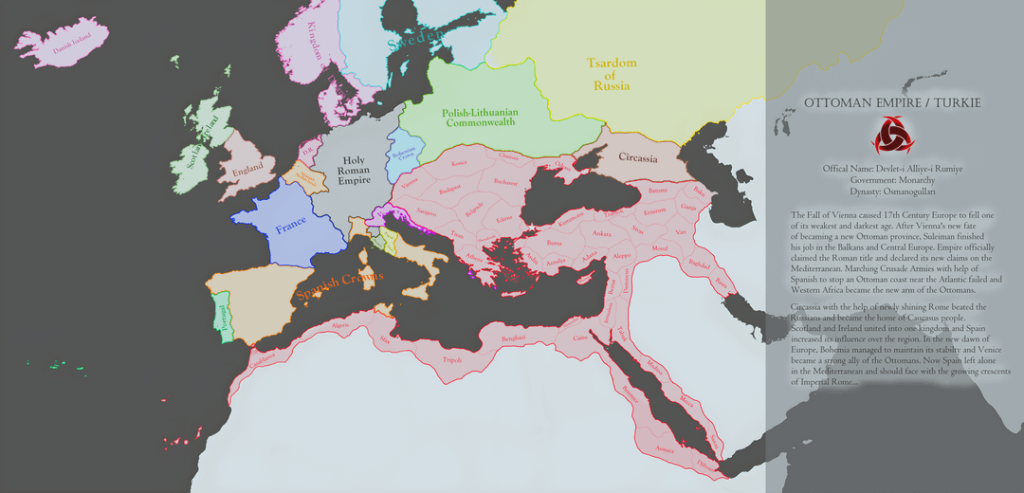
Have you ever wondered how different the world might be if history had taken a sharp turn? Imagine the Ottoman Empire winning the Battle of Vienna.
How would your life, culture, or even the countries you know today be affected? This moment in history wasn’t just a battle; it was a turning point that shaped entire continents. Keep reading to explore the fascinating “what if” scenario that could change everything you thought you knew about Europe and beyond.
Your perspective on history—and maybe the world—will never be the same.

Credit: www.msn.com
Battle Of Vienna: A Turning Point
The Battle of Vienna stands as a critical moment in European history. It marked the halt of Ottoman expansion into Central Europe and reshaped the political landscape. Imagine how differently Europe—and perhaps the world—might look if the Ottomans had emerged victorious.
Historical Context
By 1683, the Ottoman Empire had already controlled vast territories for centuries. Their ambitions turned toward Vienna, a key city that acted as a gateway to Western Europe.
The siege represented more than a military confrontation; it was a clash between two worlds, religious beliefs, and expanding empires. The Ottomans saw Vienna as a prize that would secure their dominance in Europe.
Key Players
- Grand Vizier Kara Mustafa:Led the Ottoman forces with determination to capture Vienna and extend Ottoman rule.
- King Jan III Sobieski:The Polish king who played a decisive role by leading a coalition of European forces to break the siege.
- The Habsburg defenders:Vienna’s defenders who endured the siege and held out until reinforcements arrived.
Each player’s decisions directly influenced the battle’s outcome, showing how leadership can alter the course of history.
Outcome And Impact
The Ottomans were repelled, marking the beginning of their gradual retreat from Europe. This battle stopped their expansion and shifted the balance of power toward the Habsburgs and their allies.
Had the Ottomans won, Europe might have faced a very different cultural and religious landscape. You might wonder how your own life would change if the Ottoman Empire had become the dominant force in Europe.
This moment teaches us how pivotal battles can determine the future of entire regions—and how individual choices within these moments carry lasting consequences.
Credit: www.reddit.com
Ottoman Expansion Beyond Vienna
The Ottoman expansion beyond Vienna would have dramatically reshaped the map of Europe and the balance of power. Capturing Vienna was a crucial gateway to the heart of Central Europe. Had the Ottomans succeeded, their empire might have pushed deeper into European territories, influencing culture, politics, and military tactics for centuries.
Territorial Gains
Victory at Vienna would have opened the door to a vast stretch of Central and Western Europe. The Ottomans could have gained control over key regions such as Austria, Hungary, and parts of Germany. This expansion would have provided access to rich resources and strategic trade routes, strengthening their empire economically and politically.
Imagine how cities like Prague and even Paris might have come under Ottoman influence. How different would European art, architecture, and governance look today if Ottoman rule had spread so far west?
Military Strategies
The Ottomans were known for their innovative military tactics and organization. Their use of elite infantry units like the Janissaries and superior artillery gave them an edge in many battles. With Vienna conquered, they would likely have adapted their strategies to face new European coalitions and fortifications.
They might have expanded their use of mobile cavalry raids combined with heavy siege artillery to break through fortified cities. You can see how mastering such strategies could be vital if you ever face a complex challenge that requires both precision and adaptability.
Challenges Faced
Controlling new territories would have brought significant hurdles. The Ottomans would have had to manage diverse populations with different languages, religions, and customs. Resistance from local nobility and ongoing conflicts with European powers would demand constant military vigilance.
Logistical challenges such as supplying distant armies and maintaining extended communication lines would test even the most efficient rulers. What lessons can you draw from this about managing growth and complexity in your own projects or goals?
Political Landscape Shift
The Ottoman victory at Vienna would have dramatically changed Europe’s political landscape. The balance of power would tilt toward the Ottomans, shaking existing alliances and rivalries. This shift could redraw borders and alter the fate of many kingdoms. The presence of a stronger Ottoman Empire in Central Europe would influence diplomacy, trade, and military strategies across the continent.
Power Dynamics In Europe
The Ottoman Empire would emerge as the dominant power in Europe. Many states might become vassals or allies of the Ottomans. Traditional powers like the Habsburgs and Poland-Lithuania would lose influence. This change would weaken the Holy Roman Empire and shift control over key regions. The Ottoman military and political strength would intimidate European rulers.
Relations With Neighboring States
Neighboring countries would face new challenges. Some might seek peace treaties with the Ottomans to protect their lands. Others could form coalitions to resist Ottoman expansion. Borders would become more fluid, with frequent conflicts and negotiations. Trade routes through Eastern Europe would fall under Ottoman control, affecting economies.
Influence On European Monarchies
European monarchies would need to adapt to Ottoman power. Many rulers might adopt Ottoman customs or policies to maintain favor. Dynasties could change through marriages arranged to strengthen ties. Monarchs could also face pressure to reform armies to match Ottoman tactics. The Ottoman presence might inspire political reforms or centralization efforts.
Cultural And Religious Influence
Ottoman victory at Vienna could have spread Islamic culture deeply into Europe. Religious practices and traditions might have blended with local customs, changing European identity. This shift would influence art, law, and daily life across the continent.
The hypothetical victory of the Ottomans at Vienna could have led to a profound shift in cultural and religious landscapes across Europe. Such a change would likely have created a rich tapestry of cultural and religious influence, reshaping the continent in ways unimaginable today. Let’s explore the potential impact through the spread of Islam, cultural exchange, and the transformation of art and architecture.Spread Of Islam In Europe
A successful Ottoman conquest of Vienna might have accelerated the spread of Islam across Europe. You might picture a continent where Islamic traditions and practices became part of everyday life. This shift could have introduced new customs, festivals, and rituals, blending seamlessly with existing European traditions. Imagine the call to prayer echoing through European cities, harmonizing with church bells. Would this have fostered a unique blend of spiritual practices, creating a more diverse religious landscape? The answer lies in the potential harmonization of beliefs and the coexistence of different faiths.Cultural Exchange And Integration
With the Ottomans at the helm, Europe could have seen an unprecedented level of cultural exchange. This integration might have sparked a new era of knowledge sharing, with scholars from different backgrounds collaborating. Libraries filled with texts from various cultures could have flourished, bridging knowledge gaps. You could think of this as a time when cuisine, language, and customs merged, creating a vibrant cultural mosaic. Picture yourself enjoying a meal that combines the rich flavors of Turkish and European cuisines. Would you find your everyday life enriched by this cultural fusion?Impact On Art And Architecture
Art and architecture would likely have undergone a significant transformation, influenced by Ottoman styles. The grandeur of Ottoman design, with its intricate patterns and domes, might have become a common sight in European cities. Imagine iconic European landmarks adorned with Islamic artistic elements. Could this have led to a new architectural renaissance, blending Gothic and Ottoman influences? Walking through cities, you might have marveled at the unique beauty of buildings that tell a story of cultural convergence. This artistic evolution would not only have enriched the aesthetic landscape but also fostered a deeper appreciation for diverse artistic traditions.Economic Transformations
The Ottoman victory at Vienna would have triggered profound economic transformations across Europe and beyond. The empire’s control over new territories could reshape trade, urban life, and governance in ways that still resonate today. Understanding these shifts helps you imagine how daily economic activities might have changed under Ottoman influence.
Trade Routes And Commerce
The Ottomans were masters of connecting East and West through vast trade networks. If they had won at Vienna, key European trade routes would likely have fallen under their control. This would mean increased access to spices, silk, and other luxury goods flowing through Ottoman ports.
You might have seen cities like Budapest or Krakow evolve into bustling trade hubs, linking Mediterranean markets with Central Europe. The empire’s well-established caravan routes could also boost inland commerce, creating new opportunities for merchants.
Would your business have adapted to Ottoman trade regulations? Their influence might have changed currencies, tariffs, and even the kinds of goods in demand.
Urban Development
Ottoman cities were known for vibrant markets, public baths, and architectural beauty. Imagine this style spreading into Central Europe after a victory at Vienna. You could find cities with sprawling bazaars replacing traditional European markets.
Urban spaces might have featured mosques alongside churches, and public amenities such as water fountains and hammams would become common. This blend of cultures could encourage new styles of craftsmanship and city planning, making towns more lively and socially diverse.
Think about how your daily life in such a city would differ. Would you shop in covered markets, or enjoy social gatherings in Ottoman-style coffee houses?
Economic Policies Under Ottoman Rule
The Ottoman Empire used a mix of centralized control and local autonomy to manage its economy. Tax systems were often based on land use and production, which could benefit agricultural regions newly under Ottoman control.
The empire also encouraged artisans and craftsmen through guilds and regulated professions. This might have improved product quality and stabilized prices, helping you as a consumer or producer.
However, you would also face new legal frameworks and tax obligations. How would these policies affect your economic freedom and opportunities? The balance between order and control under Ottoman rule could redefine your role in the marketplace.
Long-term Global Consequences
The Ottoman victory at Vienna would have changed the world in many ways. It would reshape politics, trade, and culture for centuries. The ripple effects would reach far beyond Europe. Different powers would shift their focus and alliances. This section explores the long-term global consequences of such a historic event.
Shifts In Colonial Ambitions
The Ottoman Empire’s expansion would challenge European powers in new ways. Colonial powers like Spain, Portugal, and England might face stronger competition. Trade routes through the Mediterranean and Black Sea would be more controlled by the Ottomans. This control could reduce European access to Asian spices and goods.
European countries might seek new routes around Africa or across the Atlantic. This could speed up exploration in the Americas and Africa. Some colonies could fall under Ottoman influence, changing the map of the New World. The balance of power in colonial regions would tilt away from traditional European dominance.
Impact On Western And Eastern Relations
Relations between Western Europe and the Ottoman Empire would become more complex. A victorious Ottoman Empire might become a major political and military force in Europe. Diplomatic ties could grow between the Ottomans and some European states. Others might form coalitions to resist Ottoman influence.
Cultural exchanges would increase as borders shift. Trade, religion, and ideas would mix across regions. The Ottoman Empire could become a bridge between East and West, influencing art, science, and philosophy. Tensions would remain, but cooperation might also grow in unexpected ways.
Legacy In Modern Geopolitics
The Ottoman win at Vienna would leave a lasting mark on today’s geopolitics. Modern borders in Eastern Europe and the Middle East might look very different. National identities could be altered by centuries of Ottoman rule or influence. Power centers might shift toward Istanbul rather than Western capitals.
Global alliances could form around Ottoman heritage or opposition. The balance between Europe, Asia, and the Middle East would change. Today’s conflicts and partnerships might trace back to this alternate history. Understanding this legacy helps explain some modern tensions and cooperation.

Credit: www.reddit.com
Frequently Asked Questions
What If The Ottomans Won The Battle Of Vienna?
If the Ottomans won Vienna, their empire would likely expand deeper into Europe. This could shift political power, culture, and religion significantly. European history and borders might change, possibly delaying Western Europe’s rise as a global power.
How Would Ottoman Victory Affect European Politics?
An Ottoman victory would weaken the Habsburgs and disrupt European alliances. It might foster new coalitions against Ottoman expansion. The balance of power in Europe would shift, potentially leading to prolonged conflicts and altered diplomatic relations.
Would Ottoman Rule Change Vienna’s Culture And Religion?
Yes, Ottoman rule would introduce Islamic culture and architecture to Vienna. Christian dominance might diminish, replaced by mosques and Ottoman customs. The city’s social and religious landscape would transform, blending European and Ottoman influences.
Could Ottoman Control Influence European Trade Routes?
Ottoman control over Vienna could grant access to key Central European trade routes. This might boost Ottoman economic strength and limit European merchants’ freedom. Trade dynamics in the region would change, affecting wealth distribution and commerce.
Conclusion
The Battle of Vienna shaped Europe’s future in many ways. The Ottomans winning would change borders and cultures deeply. Religion, politics, and trade might follow a new path. Life for millions would look very different today. History shows small moments can shift the world’s course.
Imagining this helps us understand how fragile history can be. It reminds us to value peace and cooperation. What if the Ottomans won? A question that sparks curiosity and thought.



