
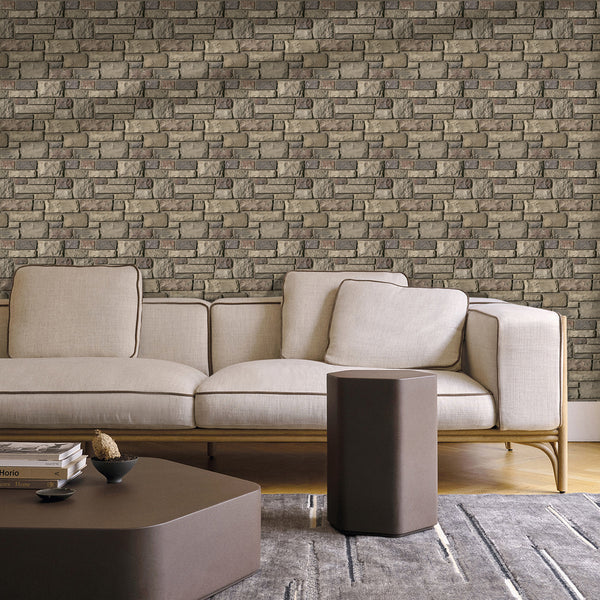
Are you thinking about giving your walls a fresh new look without the hassle of paint or wallpaper? Wall stickers might be the perfect solution.
But if your walls have a textured surface, you might wonder—can wall stickers really stick well and look good on them? You’re not alone in asking this. You’ll discover the truth about using wall stickers on textured walls and learn tips to make sure they stay put and transform your space beautifully.
Keep reading to find out how to make your walls stand out effortlessly!

Credit: commomy.com
Wall Stickers And Textured Walls
Wall stickers offer a quick and creative way to refresh your space. But what happens when your walls aren’t smooth? Textured walls can pose challenges for stickers, affecting how well they stick and how long they last. Understanding the interaction between wall stickers and textured surfaces can save you time and frustration.
Types Of Textured Walls
Not all textured walls are the same. Some common types include:
- Popcorn Walls:These have a bumpy, rough surface originally designed for soundproofing.
- Knockdown Texture:A stucco-like finish that is uneven but less rough than popcorn.
- Orange Peel:A subtle, dimpled texture resembling the skin of an orange.
- Sand Texture:Coarse and grainy, often applied for a rustic look.
Each texture type affects how well a wall sticker will adhere. For instance, popcorn walls are often too rough, causing stickers to peel quickly. On the other hand, orange peel textures might work better since the surface is less uneven.
Common Wall Sticker Materials
Wall stickers come in different materials, which makes a big difference on textured walls. Here are some popular ones:
| Material | Description | Suitability for Textured Walls |
|---|---|---|
| Vinyl | Durable and flexible, vinyl stickers have a strong adhesive backing. | Works well on mildly textured walls like orange peel, less so on rough textures. |
| Fabric | Soft and peelable, fabric stickers are repositionable but less sticky. | Better for smooth surfaces; may not stick well on heavy textures. |
| Static Cling | Adheres without adhesive, using static electricity. | Struggles on textured walls due to uneven contact points. |
Choosing the right sticker material can make or break your project. Have you ever tried sticking a vinyl decal on a rough wall and noticed it peeling off in days? That’s why matching sticker type with wall texture matters.

Credit: commomy.com
Adhesion Challenges On Textured Surfaces
Applying wall stickers on textured walls presents unique challenges. The uneven surface affects how well stickers stick and how long they last. Understanding these issues helps in choosing the right sticker and application method.
Surface Irregularities Impact
Textured walls have bumps, grooves, and rough patches. These irregularities create gaps between the sticker and the wall. The adhesive cannot form a strong bond on uneven surfaces. This reduces the sticker’s grip and may cause peeling. Small ridges prevent full contact, leading to air bubbles under the sticker. The overall appearance may look uneven or wrinkled.
Sticker Durability Issues
Stickers on textured walls tend to wear out faster. Edges lift and curl due to weak adhesion. Dirt and dust collect more easily on rough surfaces. This dirt reduces stickiness over time. Temperature changes can cause further peeling on non-flat areas. The sticker may lose color or crack from poor attachment. Overall, durability drops compared to smooth walls.
Choosing The Right Wall Stickers
Wall stickers can stick to textured walls but may not hold as well as on smooth surfaces. Choosing stickers with strong adhesive helps improve durability on uneven walls. Testing a small area first ensures the sticker will stay without damage.
Choosing the right wall stickers is crucial for textured walls. The texture can affect how well stickers adhere. Not all stickers work on bumpy surfaces. It’s important to select options designed for such challenges. This ensures they stick well and look good.Flexible And Stretchable Options
Flexible stickers can adapt to uneven surfaces. They stretch and conform to the wall’s texture. This ensures a smooth appearance. Choose high-quality materials for best results. Vinyl is a popular choice. It offers flexibility and durability. Flexible stickers prevent peeling and bubbles. They maintain their look over time.Removable And Reusable Stickers
Removable stickers offer an easy application. They can be repositioned without damage. Ideal for renters or temporary decor. Reusable options save money and time. They allow for changes without buying new stickers. These stickers ensure no residue is left behind. Perfect for those who like to redecorate often. Choose options with gentle adhesives. They protect your walls from damage.Preparation Steps For Textured Walls
Preparing textured walls is key before applying wall stickers. Proper preparation helps stickers stick better and last longer. Textured surfaces need special care to create a smooth area for the stickers. Clean walls and smooth small patches improve the overall look and adhesion.
Cleaning Techniques
Remove dust and dirt from the textured wall. Use a soft brush or vacuum cleaner with a brush attachment. Wipe the surface gently with a damp cloth. Avoid soaking the wall to prevent damage. Let the wall dry completely before applying stickers. Clean walls provide better grip for stickers.
Smoothing Small Areas
Identify bumps or rough patches that may affect sticker adhesion. Use fine-grit sandpaper to lightly smooth these areas. For deeper texture, apply a thin layer of wall primer or spackle. Let the primer or spackle dry fully before sanding again. Smooth spots make stickers lay flat and prevent peeling.
Application Tips For Better Adhesion
Applying wall stickers on textured walls can be tricky. The uneven surface makes it hard for stickers to stick well. Using proper application tips helps improve adhesion. This ensures your wall stickers stay in place longer and look better.
Using Heat For Flexibility
Heat softens the sticker material, making it more flexible. Use a hairdryer on low heat and warm the sticker gently. Warm stickers adapt better to bumps and grooves on textured walls. Keep the heat moving to avoid damage. This method helps the sticker stick firmly without peeling.
Applying Pressure Evenly
Pressing the sticker evenly is important for strong adhesion. Use a soft cloth or a squeegee to smooth the sticker. Start from the center and move outward to remove air bubbles. Apply steady pressure across the entire sticker surface. This action helps the adhesive bond well with the textured wall.

Credit: shop.projectnursery.com
Alternative Solutions For Textured Walls
Textured walls often pose a challenge when decorating with wall stickers, as the uneven surface can prevent proper adhesion. However, there are alternative solutions that allow you to personalize your space without damaging your walls or dealing with peeling stickers. These options can add charm and creativity to your room while working well with textured surfaces.
Using Washi Tape Or Decals
Washi tape is a versatile, low-tack adhesive that works better on textured walls than traditional stickers. Its flexibility lets you create patterns, borders, or even simple shapes without worrying about rough surfaces causing it to fall off. You can easily reposition or remove washi tape without leaving marks, making it perfect for renters or those who like to change their decor frequently.
Decals designed specifically for textured walls come with stronger adhesives or special backing to grip uneven surfaces. Look for vinyl decals labeled for textured use, as they tend to hold better and last longer. Have you tried combining washi tape and decals? This mix can create dynamic wall art while accommodating your wall’s texture.
Framed Wall Art Ideas
Framing your favorite prints, photos, or even fabric pieces is a foolproof way to decorate textured walls. Frames create a smooth, flat surface that doesn’t rely on the wall’s texture for support, so you avoid peeling or damage altogether. Plus, you can swap out artwork as often as you like, refreshing your room’s look without hassle.
Consider layering different frame sizes and styles for a gallery wall effect. This adds depth and interest, and the frames act as a buffer between your art and the textured wall. What themes or colors would inspire you to create a personalized gallery that reflects your style?
Maintaining Wall Stickers On Textured Walls
Maintaining wall stickers on textured walls requires a gentle touch and some smart care strategies. Textured surfaces can challenge the adhesive and surface integrity of your stickers, so knowing how to care for them extends their life and keeps your space looking fresh. Let’s dive into practical tips that make a real difference.
Cleaning Without Damage
Textured walls are tricky to clean without harming the sticker. Use a soft, dry cloth or a microfiber duster to gently remove dust. Avoid harsh scrubbing or wet wipes that can lift the edges or damage the sticker’s surface.
If you need to clean stains, dab lightly with a slightly damp cloth—never soak the area. Test a small corner first to see if the sticker reacts. This cautious approach protects both your wall and the sticker.
Preventing Peeling And Bubbles
Peeling and bubbles often happen when dirt or moisture gets between the sticker and the wall. Ensure the wall is clean and completely dry before applying any sticker. You might want to press the sticker firmly with a flat tool, like a credit card, smoothing from the center outwards.
Temperature changes can also cause bubbles. Keep your room at a stable temperature and avoid hanging stickers near heat sources or humid areas like bathrooms. Have you noticed how some spots on your wall lose stickers faster? It might be due to uneven texture or moisture.
Regularly check edges and gently press down any lifting areas to prevent further peeling. Small bubbles can often be pushed out with a pin and smoothed carefully. This hands-on care keeps your wall stickers looking sharp longer, even on textured walls.
Frequently Asked Questions
Can Wall Stickers Stick Well On Textured Walls?
Wall stickers may not adhere firmly to textured walls. The uneven surface reduces contact area, causing peeling or falling. Using high-quality, flexible stickers and cleaning the wall surface can improve adhesion. However, results vary depending on texture type and sticker material.
What Types Of Wall Stickers Work Best On Textured Walls?
Vinyl and fabric-based wall stickers work best on textured walls. These materials are more flexible and conform to uneven surfaces. Removable adhesives with stronger bonding power also help stickers stay longer on textured walls without damage.
How To Prepare Textured Walls Before Applying Wall Stickers?
Clean textured walls thoroughly to remove dust and oils. Use a damp cloth and mild detergent, then dry completely. Avoid rough scrubbing that may damage texture. Proper preparation ensures better sticker adhesion and longevity on textured surfaces.
Will Wall Stickers Damage Textured Walls When Removed?
Wall stickers designed for textured walls usually peel off without damage. However, some adhesive residue or minor paint peeling may occur. To minimize damage, remove stickers slowly and use heat or adhesive removers if necessary.
Conclusion
Wall stickers can work on some textured walls, but results vary. Smooth textures hold stickers better than rough ones. Clean the wall well before applying stickers. Press stickers firmly for a longer hold. Test a small area first to see if it sticks well.
Choose stickers made for uneven surfaces for best results. With care, wall stickers can add style to textured walls. Easy decoration without painting or damage. Simple and fun ways to change your room’s look.



