
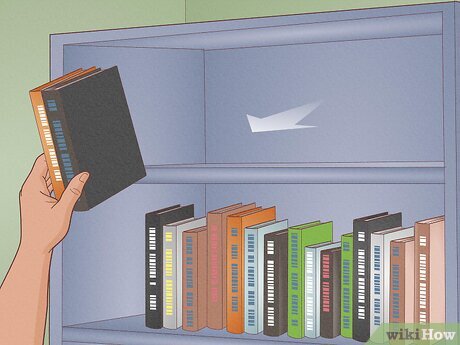
Are you worried about your bookshelves toppling over during an earthquake? You’re not alone.
Securing your shelves with the right number of earthquake straps can protect your valuable books, keep your home safe, and give you peace of mind. But how many straps do you actually need? Using too few could leave your shelves vulnerable, while too many might feel like overkill.
You’ll discover exactly how to determine the perfect number of earthquake straps for your bookshelves, so you can protect your space without any guesswork. Keep reading to find out how simple it is to make your home safer today.
Why Earthquake Straps Matter
Earthquake straps are more than just safety accessories—they are vital for protecting your bookshelves and everything on them during a quake. You might underestimate how much damage a falling bookshelf can cause, not just to your belongings but to your personal safety. Securing your shelves helps prevent accidents and preserves your valuable items.
Think about the last time you saw a video of an earthquake indoors. Shelves topple, books scatter, and heavy objects can injure people nearby. This is why earthquake straps matter—they keep your furniture anchored and your space safer.
How Earthquake Straps Prevent Damage
Earthquake straps firmly attach your bookshelf to the wall, stopping it from tipping over. This simple step can save your books, décor, and electronics from falling and breaking.
Even a mild tremor can cause unsecured shelves to shift and collapse. Straps reduce the risk of expensive repairs and replacements, saving you money and hassle in the long run.
Protecting Your Family And Home
Bookshelves are heavy and can cause serious injuries if they fall during an earthquake. Strapping them down creates a safer environment, especially if you have children or pets.
Imagine waking up to shaking floors—would you want unsecured furniture toppling over near you? Earthquake straps give you peace of mind knowing your home is better prepared.
What Happens Without Earthquake Straps?
Without straps, bookshelves can become dangerous projectiles. Items may spill onto the floor, causing tripping hazards and damage.
Unsecured furniture can block exits or pathways, complicating evacuation during emergencies. Are you willing to take that risk?
Choosing The Right Straps For Your Bookshelves
Not all earthquake straps are the same. Look for straps made from strong materials with reliable anchors that fit your wall type.
Think about the size and weight of your bookshelf—larger units may require multiple straps for adequate support. Have you checked your bookshelf’s weight against the strap’s capacity?
Factors Influencing Strap Quantity
Determining the number of earthquake straps for bookshelves depends on several key factors. These factors help ensure your shelves stay secure during a quake. Each bookshelf and its environment need a tailored approach for safety. Understanding these points helps you decide the right amount of straps.
Bookshelf Size And Weight
Larger and heavier bookshelves require more straps. Heavy shelves hold many books or items, increasing risk. Tall shelves need extra support to prevent tipping. Small shelves with light contents may only need one or two straps.
Wall Type And Material
The strength of the wall affects strap quantity. Drywall alone holds less weight than wooden studs or concrete. Walls with studs allow for secure strap installation. Weak walls might need more straps or special anchors for safety.
Seismic Risk Level
Areas with high earthquake risk need more straps per shelf. Low-risk zones might require fewer straps. Local building codes or guidelines often suggest minimum strap numbers. Adjust strap quantity based on how often quakes occur in your area.
Types Of Earthquake Straps
Earthquake straps come in different types, such as metal, nylon, and Velcro. The number needed depends on the bookshelf size and weight. Proper placement ensures stability during shaking.
When securing your bookshelves against earthquakes, choosing the right type of strap is crucial. Each type of earthquake strap offers unique benefits and can be tailored to your specific needs. Understanding these differences can help you make an informed decision and keep your home safe.Metal Straps
Metal straps are renowned for their durability and strength. They are often made from steel, providing a robust solution for heavy bookshelves. Their installation might require some drilling, but the security they offer is unmatched. Have you ever felt that peace of mind knowing your shelves can withstand a strong shake?Nylon Straps
Nylon straps are a popular choice due to their flexibility and ease of use. They are adjustable and can be installed without any special tools. These straps are ideal if you frequently rearrange your furniture or live in a rental where drilling is not an option. Imagine the convenience of securing your shelves without leaving permanent marks on your walls.Adhesive Options
For those who prefer a less intrusive method, adhesive straps are a great option. They use strong adhesive pads to secure your furniture in place. While they might not hold as much weight as metal or nylon, they are perfect for lighter bookshelves. Are adhesive straps the hassle-free solution you’ve been looking for? Choosing the right type of earthquake strap can make all the difference in safeguarding your home. Consider your needs and weigh the pros and cons of each option carefully.
Credit: www.amazon.com
Calculating The Number Of Straps Needed
Figuring out how many earthquake straps you need for your bookshelves is more than just a guess. It’s about understanding the size, weight, and placement of your shelves to keep them secure during a quake. Let’s break down how to calculate the right number of straps so your books and memories stay safe.
General Rules Of Thumb
Most experts suggest using at least two straps per bookshelf. This setup offers basic stability by securing the top and bottom. If your shelf is heavy or filled with fragile items, adding more straps is a smart move.
Think about the weight distribution too. If your shelves hold a lot of books or heavy decor on one side, adding extra straps on that side can prevent tipping. Have you noticed how a single strap sometimes isn’t enough to stop a bookshelf from wobbling?
Spacing Between Straps
The distance between straps matters. Ideally, straps should be spaced evenly along the height of the bookshelf. For tall shelves, place one strap near the top and another near the middle or bottom.
Spacing straps too close together can limit their effectiveness, while too far apart leaves vulnerable spots. A good rule is to keep straps about 24 to 36 inches apart vertically. This spacing helps distribute the force evenly if an earthquake hits.
Securing Tall Vs. Short Shelves
Tall bookshelves need more attention. The higher the shelf, the greater the risk of tipping, so add extra straps—three or even four might be necessary. For shorter shelves, two well-placed straps usually do the job.
Also, consider where the straps attach. For tall units, securing straps near the top and bottom is crucial. Short shelves might only need straps at the top since their center of gravity is lower.
Have you checked how your shelves feel when gently nudged? That’s a simple way to decide if you need more straps for extra peace of mind.
Installation Tips For Maximum Safety
Installing earthquake straps properly is essential for securing bookshelves during a quake. Correct installation improves safety and prevents damage. Follow these tips to ensure maximum protection.
Locating Studs Or Anchors
Find the wall studs behind your bookshelf for the strongest hold. Use a stud finder to locate them easily. If studs are unavailable, use heavy-duty wall anchors. Avoid attaching straps to drywall alone, as it won’t hold well.
Proper Strap Tightening
Secure the straps firmly but avoid over-tightening. Straps should hold the bookshelf snugly against the wall. Too loose, and the shelf may shift during shaking. Too tight, and the straps or wall may get damaged.
Checking Strap Condition Over Time
Inspect the straps regularly for wear or damage. Replace any frayed or cracked straps immediately. Tighten loose straps to maintain a secure hold. Safety depends on keeping the straps in good condition.

Credit: www.amazon.com
Common Mistakes To Avoid
Securing your bookshelves with earthquake straps is essential for safety. Many people make mistakes that reduce the straps’ effectiveness. Avoiding these common errors helps protect your home and family during an earthquake.
Using Too Few Straps
One strap is not enough for most bookshelves. Using too few straps can cause the shelf to tip or slide. Larger or taller shelves need more straps to hold them firmly. Place straps evenly along the height and width of the shelf.
Ignoring Wall Type
Walls vary in material and strength. Drywall alone is not strong enough to hold straps securely. Always attach straps to wall studs or solid surfaces. Using anchors designed for your wall type improves safety and prevents damage.
Neglecting Regular Maintenance
Straps can loosen or wear out over time. Check them regularly for tightness and damage. Replace any worn or broken straps immediately. Regular maintenance keeps your shelves secure and ready for any earthquake.
Additional Safety Measures
Securing bookshelves against earthquakes involves more than just straps. Additional safety measures help protect your furniture and belongings. These precautions reduce damage and keep your home safer during shaking.
Securing Items On Shelves
Loose items on shelves can fall and break during an earthquake. Use museum gel or putty to stick fragile objects. Place heavier items on lower shelves to lower the center of gravity. Arrange items tightly so they do not move easily.
Using Corner Braces
Corner braces add extra strength to your bookshelf frame. Attach them inside corners to prevent wobbling. These metal braces keep shelves from twisting or collapsing. They work well with earthquake straps to stabilize the whole unit.
Non-slip Shelf Liners
Non-slip liners help keep items from sliding. Place these liners on each shelf surface. They provide friction that holds objects during shaking. Liners are affordable and easy to cut to size. This simple step greatly reduces falling items.

Credit: www.amazon.com
Frequently Asked Questions
How Many Earthquake Straps Are Needed For One Bookshelf?
Typically, use two earthquake straps per bookshelf for effective stability. Attach one strap near the top and another near the middle. This setup helps prevent tipping during seismic activity and secures the bookshelf firmly to the wall.
Where Should Earthquake Straps Be Placed On Bookshelves?
Place earthquake straps at the top and middle sections of the bookshelf. This positioning distributes force evenly and minimizes movement during an earthquake. Secure the straps to wall studs for maximum strength and safety.
Can One Strap Secure Multiple Bookshelves Together?
No, one strap cannot effectively secure multiple bookshelves. Each bookshelf needs its own set of straps attached to the wall. This ensures each unit stays stable and reduces the risk of tipping or falling during an earthquake.
Are Earthquake Straps Necessary For Small Bookshelves?
Yes, earthquake straps are important even for small bookshelves. Any unsecured furniture can tip and cause injury or damage during a quake. Strapping small shelves enhances safety and prevents accidents.
Conclusion
Securing bookshelves with earthquake straps keeps your home safe. Use at least two straps for small shelves. Larger or taller shelves need more straps to stay steady. Attach straps to wall studs for strong support. Check straps often to keep them tight and secure.
Safety is simple with the right number of straps. Protect your books and avoid accidents during a quake. Remember, prevention takes just a few minutes but saves much trouble later.



