
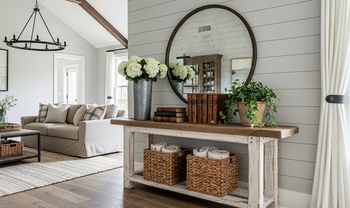
Choosing the right size for your entryway table can change how your entire space feels the moment you walk in. You want a table that fits perfectly—not too big to crowd your entry, but not too small to look lost.
Finding that balance can be tricky, and it often leaves people wondering: How big should an entryway table be? In this post, you’ll discover simple tips to measure your space and pick a table that adds style and function without overwhelming your entry.
Keep reading to transform your entryway into a welcoming, organized spot that suits your home perfectly.
Choosing The Right Width
Choosing the right width for your entryway table is crucial to balancing style and function. Too narrow, and it might look lost or fail to hold essentials. Too wide, and it can overcrowd your space, making entry and exit awkward.
Ideal Width For Small Spaces
In small entryways, a narrow table between 24 to 36 inches wide works best. It leaves enough room to move comfortably while still offering space to drop keys or mail.
Think about how much surface you really need. If your entryway is under 5 feet wide, a table around 24 inches wide can fit perfectly without blocking doors or pathways.
Choosing a slim profile also means you can add storage underneath without making the area feel cramped. Have you measured your space and tested how much room you have to walk?
Width Considerations For Larger Entryways
For wider entryways, tables between 36 and 60 inches give you room to add decorative items and storage baskets. This width allows the table to become a focal point without overwhelming the space.
Keep in mind the balance between table width and wall space. If your entryway wall is 8 feet wide, a 48-inch table leaves enough space on each side to prevent a crowded look.
Also, consider the depth and height alongside width to ensure the table feels proportional. Have you tried visualizing your table with painter’s tape on the floor to see how it fits?

Credit: tribesigns.com
Determining The Ideal Depth
Choosing the right depth for an entryway table affects both style and function. The depth determines how much space the table takes up in your entryway. It also impacts how easy it is to move around the area. A well-chosen depth keeps the space open while providing enough surface for keys, mail, or decor.
Consider the width of your entryway and the table’s use. A deep table offers more storage but can crowd the space. A shallow table keeps the area airy but limits what you can place on it. Balance is key to making the entryway both practical and inviting.
Depth Recommendations For Narrow Hallways
Narrow hallways need slim tables to keep walkways clear. A depth between 10 to 14 inches works well in tight spaces. This size holds small items without blocking movement. Tables deeper than 14 inches may make narrow hallways feel cramped.
Think about the hallway width before choosing a table depth. Leave at least 30 inches of walking space for comfort. Slim designs with narrow drawers or shelves can add storage without bulk.
Balancing Depth With Functionality
Depth should meet your storage and display needs. A deeper table suits holding baskets, lamps, or larger decor. Shallow tables work best for quick storage like keys or mail.
Measure the available space and consider how you use the table daily. Choose a depth that fits your items but keeps the entryway easy to navigate. This balance helps the table blend into your home naturally.
Optimal Height For Entryway Tables
Choosing the right height for an entryway table is crucial. It ensures functionality and enhances your home’s aesthetic. A well-proportioned table welcomes guests and offers a space for essentials.
Standard Height Measurements
Entryway tables usually stand between 30 to 36 inches tall. This height complements most door frames and allows easy access. It provides a balanced look in the entryway.
Adjusting Height For Seating Or Decoration
Consider seating if your entryway includes chairs or benches. Ensure the table height allows for comfortable interaction. Adjusting to around 28 to 30 inches might be suitable.
For decoration, consider what you want to display. Taller decor pieces pair well with standard heights. Smaller items may require a lower table for visibility.
Matching Table Size To Room Layout
Matching the size of your entryway table to the room layout is crucial for creating a balanced and functional space. A table that’s too large can overwhelm the area, while one that’s too small may look out of place or fail to serve its purpose. Understanding how your table fits within the flow and alongside other furniture will help you make the right choice.
Considering Traffic Flow
Think about how people move through your entryway. Is it a narrow corridor or a spacious foyer? Your table should never block natural pathways or make the space feel cramped.
Allow at least 30 to 36 inches of clear space around the table to keep traffic flowing smoothly. If you’ve ever bumped into a piece of furniture on your way out the door, you know how frustrating poor spacing can be.
Ask yourself: Does the table leave enough room for people carrying bags or opening doors? Adjust the size accordingly to avoid daily annoyances.
Complementing Other Furniture
Look at the other pieces in your entryway or adjacent rooms. Your table should complement, not compete with them. For example, a sleek, narrow table pairs well with minimalist décor, while a wider, ornate table fits better in a traditional setting.
Consider the height and style of nearby furniture like benches, chairs, or storage units. Matching these elements creates a cohesive look and avoids visual clutter.
Have you noticed how mismatched furniture can make a room feel chaotic? Align your table size and style with the rest of your décor to create harmony and balance.
Material And Style Impact On Size
The material and style of an entryway table greatly affect its size and how it fits your space. Different materials create different visual weights. Styles also guide the table’s shape and scale. Both factors help decide the perfect size.
How Material Affects Perceived Size
Light materials make a table look smaller and less bulky. Glass or acrylic tables feel airy and open. Wood or metal pieces appear heavier and more solid. Dark woods add visual weight, while light woods feel softer and less imposing.
Transparent or thin materials reduce the table’s visual mass. This helps in small or narrow entryways. Solid, thick materials require more space. They need careful size choice to avoid crowding.
Style Choices That Influence Dimensions
Minimalist styles use clean lines and simple shapes. These tables often appear smaller and fit tight spaces well. Ornate or traditional styles add bulk with decorative details. They need more room to avoid cluttered looks.
Tables with shelves or drawers tend to be deeper and taller. Slim console tables are narrow and long, fitting corridors easily. Round or curved designs take different space than rectangular ones. Choose style based on your entryway’s shape and size.

Credit: www.digsdigs.com
Practical Tips For Measuring Your Space
Measuring your space accurately is key to choosing the right entryway table size. You want a table that fits well without crowding the area. Taking careful measurements helps avoid buying a piece that feels too big or too small. Use simple tools and follow clear steps to get exact dimensions for your space.
Tools For Accurate Measurement
Start with a tape measure or a laser measure for precision. A pencil and paper help note down measurements clearly. A level tool ensures your table will sit flat without wobbling. Use painter’s tape to mark the wall or floor area. This visual aid shows how much space the table will occupy.
Common Mistakes To Avoid
- Don’t guess the size; always measure the exact space.
- Avoid measuring only width; check depth and height too.
- Ignore obstacles like door swings or nearby furniture.
- Skip measuring pathways; leave enough room for walking.
- Failing to double-check measurements can cause errors.
Custom Vs. Ready-made Tables
Choosing between custom and ready-made entryway tables can shape the look and functionality of your space. Each option has its own set of advantages that can influence how well the table fits your home’s style and size. Understanding these differences helps you decide what works best for your entryway’s unique needs.
Benefits Of Custom Sizing
Custom-sized tables give you full control over dimensions, allowing the piece to perfectly fit your entryway. If you have an oddly shaped or small space, a custom table can maximize every inch without overcrowding. You also get to pick materials, finishes, and details that match your personal style exactly.
Think about that narrow hallway where a standard table just feels too bulky. A custom option can solve this by being slim and tall, providing storage without blocking movement. Plus, a tailored table often becomes a unique statement piece that stands out in your home.
When To Choose Standard Sizes
Ready-made tables are great if you want a quick, budget-friendly solution that still looks stylish. They come in popular sizes that fit most entryways and are easy to find at furniture stores or online. If your space is average or you’re not picky about exact dimensions, standard tables are a convenient choice.
Imagine you’re furnishing a rental or temporary home. A ready-made table offers flexibility without a big investment. Also, if you’re on a tight timeline, buying a standard size means you can set up your entryway right away without waiting for custom work.
Decor And Accessories That Fit
Decor and accessories help define the look of an entryway table. They bring personality and style to the space. Choosing the right items keeps the area balanced and inviting. Size matters when selecting decor to avoid overwhelming the table or making it look empty.
Choosing Items That Complement Size
Select decor pieces that fit the table size. Small tables suit a single statement item like a vase or lamp. Larger tables can hold multiple pieces without looking crowded.
- Use items with varying heights to add interest.
- Keep the scale proportional to the table width and depth.
- Match colors and styles to the room for a cohesive feel.
Choose functional items like trays or bowls for keys and mail. These can keep the table tidy and useful.
Avoiding Clutter On The Table
Too many items create clutter and reduce visual appeal. Keep the display simple and organized.
- Limit decor to three to five pieces for a clean look.
- Use trays or small baskets to group smaller items.
- Remove items that don’t serve a purpose or add to the style.
Empty space on the table allows each piece to stand out. It helps maintain a welcoming and neat entryway.

Credit: www.digsdigs.com
Frequently Asked Questions
How Wide Should An Entryway Table Be?
An entryway table should be 24 to 36 inches wide. This width fits most hallways and allows enough surface for keys and decor. It balances space without overcrowding your entry area, maintaining a welcoming and functional zone.
What Height Is Ideal For An Entryway Table?
The ideal height for an entryway table is 28 to 36 inches. This height is comfortable for placing and grabbing items like mail or bags. It also aligns well with standard chair height, creating a harmonious look.
How Deep Should An Entryway Table Be?
Entryway tables typically range from 12 to 18 inches deep. This depth ensures the table doesn’t protrude too far into the walkway. It offers enough surface area for essentials without obstructing movement.
Can Entryway Table Size Vary By Hallway Width?
Yes, entryway table size should depend on hallway width. Narrow hallways need slim tables, around 12 inches deep. Wider spaces allow for larger, more decorative tables. Always ensure there’s at least 36 inches of walking space.
Conclusion
Choosing the right size for your entryway table matters a lot. It should fit your space without crowding the area. Think about how you will use the table each day. Small tables work well in tight spots. Larger tables suit wider entryways and hold more items.
Measure your space first to avoid mistakes. The right table adds style and keeps your entry neat. A good fit makes your home feel welcoming and organized. Simple steps lead to a perfect entryway table choice.



