
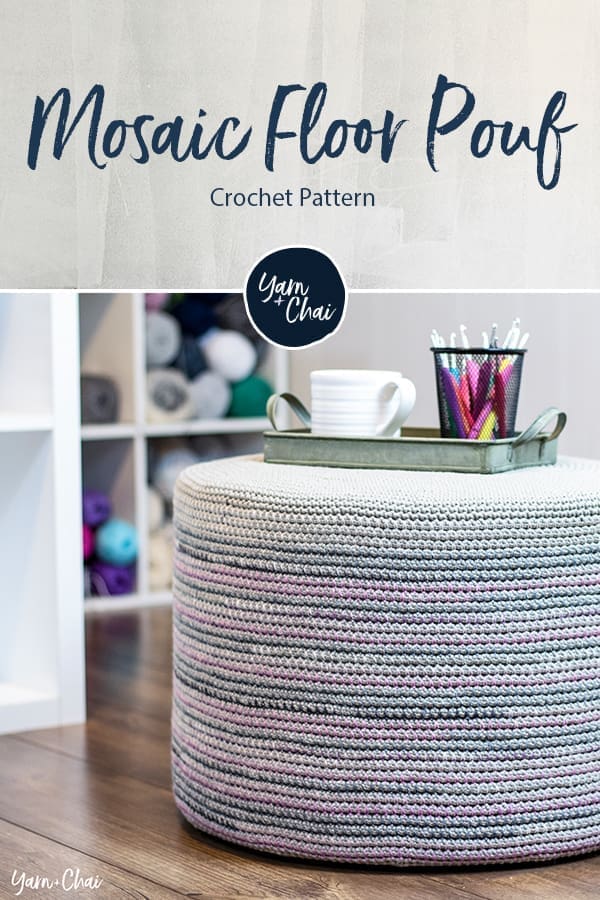
Are you wondering what to fill your floor pouf with to get the perfect balance of comfort and support? Choosing the right filling can transform your pouf from just a simple seat to a cozy spot you’ll love to relax on.
Whether you want it soft and squishy or firm and sturdy, the filling makes all the difference. Keep reading, and you’ll discover easy, affordable options that suit your style and needs perfectly. Your ideal pouf is just a few steps away!
Types Of Floor Pouf Fillings
Choosing the right filling for your floor pouf can change how comfortable and durable it feels. Each type of filler offers unique benefits, so understanding your options helps you pick one that suits your lifestyle and style preferences. Let’s look at the common types of floor pouf fillings to help you make an informed decision.
Bean Bag Fillers
Bean bag fillers, usually made of tiny polystyrene beads, are popular for floor poufs. They mold to your body, offering a cozy and flexible seating experience. However, they can compress over time, so you might need to add more beads after a while to maintain comfort.
One thing I noticed with bean bag fillers is their light weight, which makes moving the pouf around easy. But if you have kids or pets, be aware these beads can sometimes escape if the cover tears. This filler is ideal if you want a soft, adaptable seat that feels casual and fun.
Foam Options
Foam fillings provide firmer support compared to bean bag beads. You can choose from shredded foam or solid foam blocks, depending on how firm or squishy you want your pouf to feel. Foam tends to hold its shape better and lasts longer without needing refilling.
Shredded foam gives a nice balance of softness and support, making it a great choice for frequent use. I found that foam-filled poufs are perfect for reading nooks or as extra seating during gatherings because they keep their form and comfort. If you prefer a pouf that stays firm and stable, foam is a solid option.
Natural Fillings
Natural fillings include materials like cotton, wool, or dried beans. These options are eco-friendly and breathable, which can add a fresh and organic feel to your pouf. They also tend to be heavier, so your pouf won’t slide around easily on hard floors.
Using natural fillings can sometimes mean less cushioning, so consider layering with a foam insert if you want more comfort. I’ve tried cotton stuffing in a floor pouf, and it gave a warm, inviting look but needed fluffing regularly to keep it from getting flat. Natural fillers are perfect if you want an environmentally conscious choice that adds texture and character.
Synthetic Alternatives
Synthetic fillings like polyester fiberfill offer a budget-friendly and lightweight option. They provide good loft and softness but might compress faster than foam or natural materials. These fillers are also hypoallergenic and resistant to moisture, making them easy to maintain.
If you want a pouf that’s easy to clean and keeps its shape fairly well, synthetic fiberfill could be the answer. I recommend this for casual spaces or temporary seating because it’s affordable and hassle-free. Are you looking for a balance between comfort, durability, and upkeep? Synthetic fillings might just fit your needs.
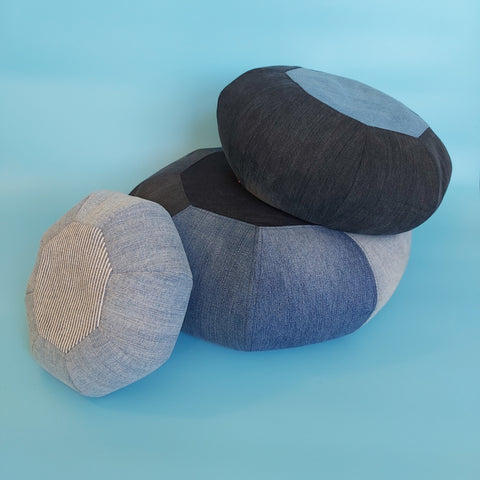
Credit: www.frecklesandco.com
Benefits Of Different Fillings
Choosing the right filling for a floor pouf changes its feel and function. Different fillings offer unique benefits. These affect comfort, durability, and cost. Understanding these benefits helps pick the best option for your needs.
Comfort Levels
Fillings affect how soft or firm the pouf feels. Bean bag beads create a flexible, moldable seat. Polyester fiberfill offers a plush, cushioned touch. Foam pieces provide firmer support and keep shape well. Choose based on the comfort you want.
Durability And Maintenance
Some fillings last longer and need less care. Foam is durable and holds shape over time. Bean bag beads may flatten and need refilling. Fiberfill can clump but is easy to wash. Consider how often you want to clean or refill your pouf.
Eco-friendly Choices
Natural fillings reduce environmental impact. Cotton and wool are biodegradable and safe. Recycled foam or beads reuse materials and cut waste. Choose eco-friendly fillings for a greener home and less pollution.
Cost Considerations
Fillings vary in price and value. Polyester fiberfill is usually affordable and easy to find. Foam can be pricier but lasts longer. Natural and recycled fillings may cost more but offer better sustainability. Match your budget with your pouf’s purpose.
How To Choose The Right Filling
Choosing the right filling affects your floor pouf’s comfort and shape. Common options include foam beads, polyester fiber, or shredded memory foam. Consider softness, durability, and how much support you want before deciding.
Choosing the right filling for your floor pouf is a crucial step in ensuring comfort and durability. A well-chosen filling can transform a simple pouf into a versatile piece of furniture that complements your lifestyle and home decor. Let’s explore key factors to consider when selecting the perfect filling for your pouf.Usage Frequency
Consider how often you’ll use the pouf. If it’s a daily staple for extra seating or a footrest, opt for a durable filling like foam beads or shredded memory foam. These materials hold their shape and provide excellent support. But if your pouf is more of an occasional piece, something softer like polyester fiberfill might suffice.Room Style And Decor
Your room’s style can significantly influence your choice. For a modern or minimalist look, firmer fillings like polystyrene beads can offer a sleek silhouette. In contrast, a boho or eclectic room might benefit from a softer, more relaxed look with cotton or old blankets as filling. Match the filling to your room’s aesthetics for a cohesive look.Allergy Concerns
Allergies can be a game changer in your filling decision. If someone in your household is sensitive to dust or certain materials, it’s wise to choose hypoallergenic options. Polyester beads or synthetic fibers are often safe bets. Always check the material’s properties to ensure they align with your health needs.Budget Limits
Filling your pouf doesn’t have to break the bank. If you’re on a budget, consider recycling old clothes or using inexpensive options like bean bag filler. These choices can be both cost-effective and environmentally friendly. Evaluate how much you’re willing to spend and explore creative solutions within your budget. Choosing the right filling for your floor pouf is about balancing practicality with personal preferences. Which factor will influence your choice the most?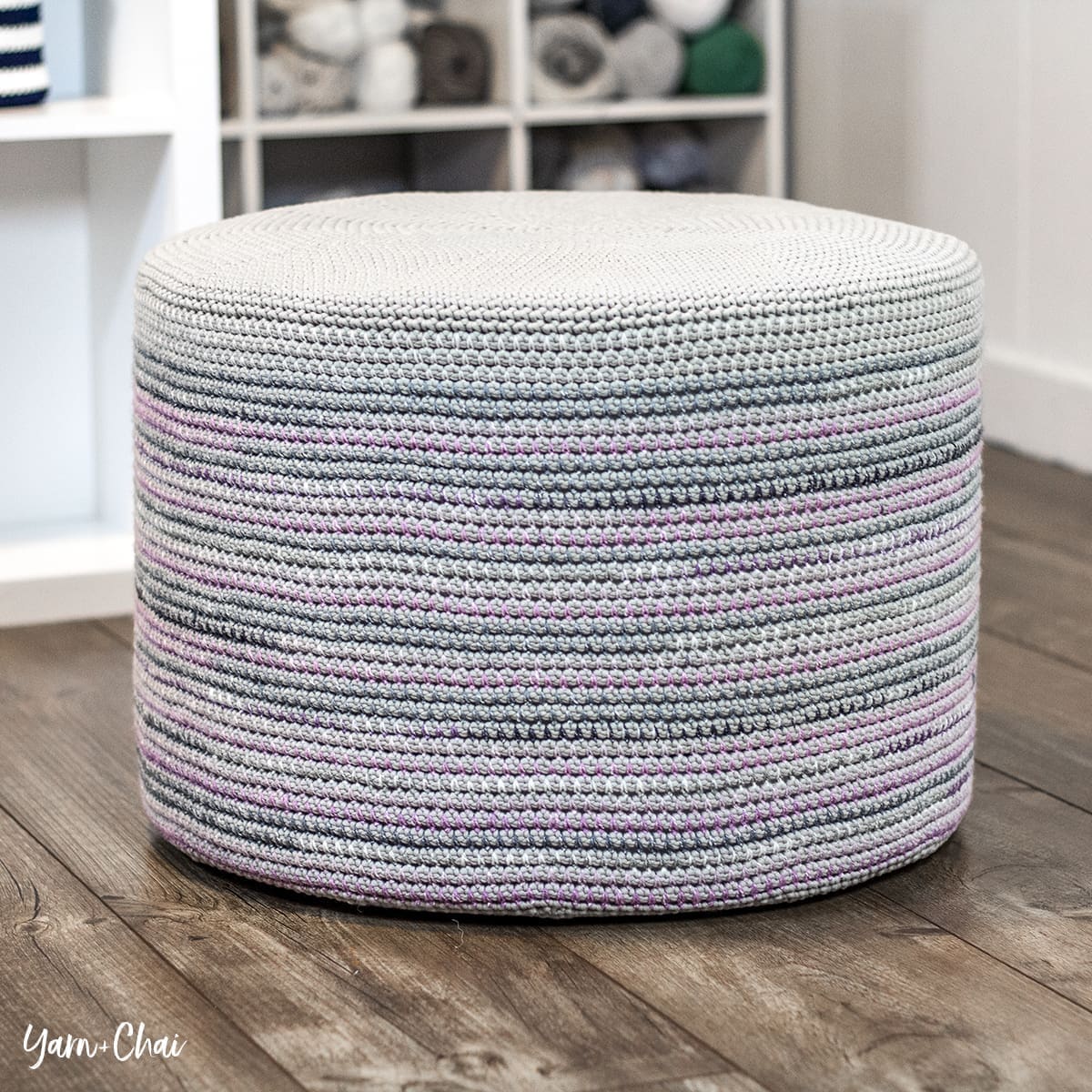
Credit: yarnandchai.com
Filling Your Floor Pouf Step-by-step
Filling a floor pouf is simple and rewarding. The right filling makes your pouf comfy and long-lasting. Follow these clear steps to fill your pouf perfectly. Each part matters for the best result.
Preparing The Pouf Cover
Start with a clean, empty pouf cover. Lay it flat on a smooth surface. Check for any holes or weak spots. Close any zippers or openings securely. This keeps the filling inside and neat.
Adding The Filling
Choose your filling material, like foam beads or polyester fiberfill. Use a funnel or your hands to fill the pouf slowly. Fill a little at a time to avoid lumps. Keep the filling even for good support.
Shaping And Adjusting
Press and mold the pouf as you fill it. This shapes the pouf and removes air pockets. Add or remove filling to get the right firmness. Test by sitting or pressing gently on the pouf.
Sealing And Finishing Touches
Close the pouf cover zipper or stitch the opening tightly. Smooth the surface by patting and pressing. Check for any loose filling escaping. Your pouf is ready to use and enjoy.
Maintenance Tips For Filled Poufs
Maintaining a filled floor pouf keeps it comfortable and looking fresh for years. Regular care prevents lumps and wear. These simple tips help extend the life of your pouf and keep it inviting.
Cleaning Techniques
Use a vacuum with a brush attachment to remove dust and dirt. Spot clean stains quickly with a mild soap and warm water. Avoid soaking the pouf to prevent damage. Let it air dry completely before use. For fabric covers, check the care label for washing instructions.
Refilling And Fluffing
Over time, poufs may lose their shape. Add more filling to restore firmness and comfort. Open the zipper or seam carefully to refill. Fluff the filling by shaking and kneading the pouf. This keeps the pouf soft and evenly filled.
Storage Advice
Store poufs in a dry place away from direct sunlight. Avoid heavy pressure on the pouf to maintain its shape. Use a breathable cover to protect from dust. If storing for long periods, remove some filling to prevent compression.
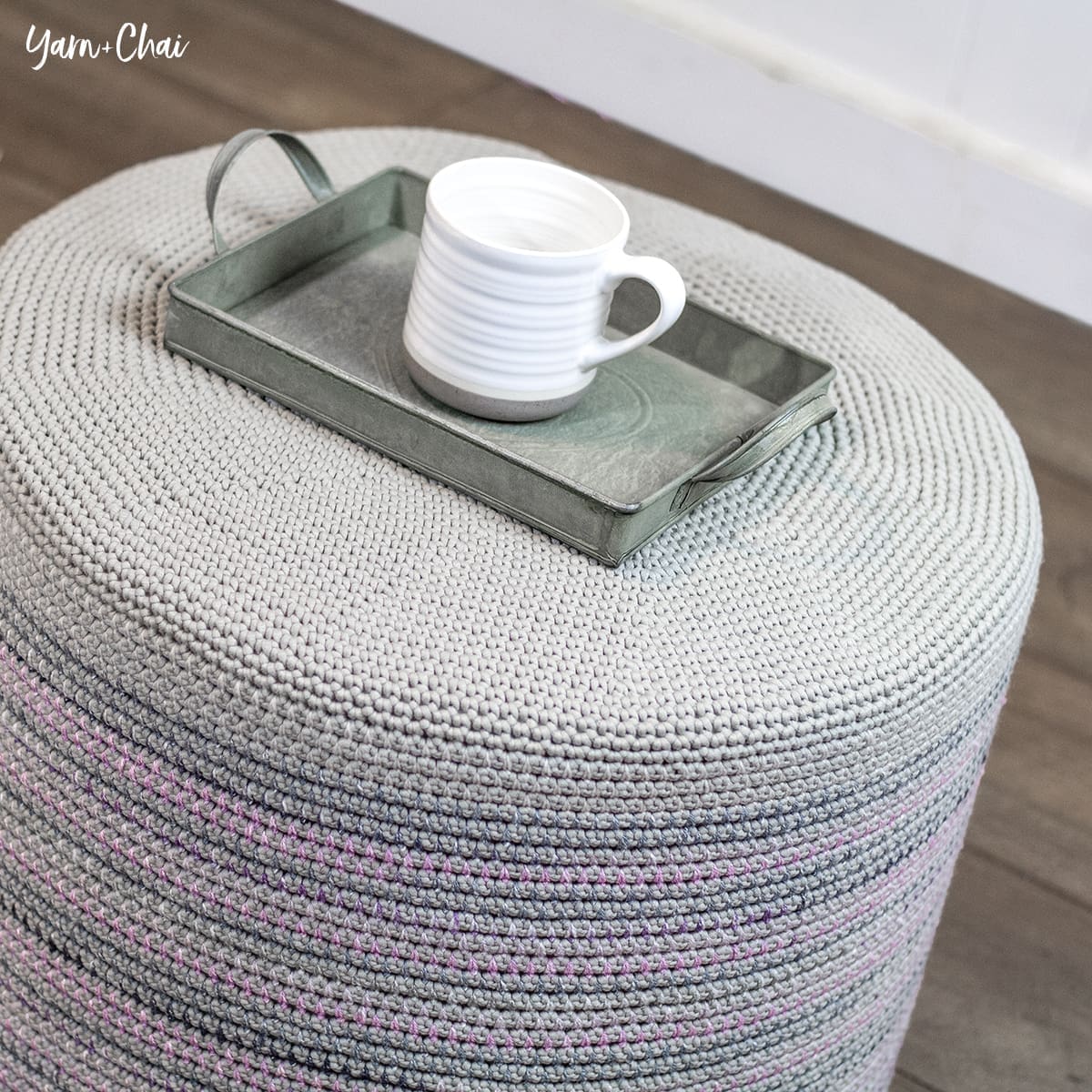
Credit: yarnandchai.com
Frequently Asked Questions
What Materials Can I Use To Fill A Floor Pouf?
You can fill a floor pouf with polyester fiberfill, foam beads, old clothes, or shredded fabric. These materials provide comfort and shape while being lightweight and affordable.
How Much Filling Do I Need For A Floor Pouf?
Fill your pouf until it feels firm but still soft. Usually, 2 to 4 pounds of filling work well, depending on pouf size and desired firmness.
Is Foam Better Than Beads For Floor Pouf Filling?
Foam offers firmer support and durability, while beads conform better to body shape. Choose foam for stability and beads for a flexible, cozy feel.
Can I Use Recycled Materials To Fill A Pouf?
Yes, using old clothes, fabric scraps, or shredded foam is eco-friendly and cost-effective. Recycled materials offer good support and reduce waste.
Conclusion
Choosing the right filling for your floor pouf affects comfort and style. Lightweight beads provide softness and easy shaping. Foam pieces offer firm support and durability. Natural fillers, like cotton or wool, bring eco-friendly warmth. Consider your use and budget before deciding.
Filling your pouf correctly makes it cozy and lasts longer. Enjoy a comfy spot for relaxing or extra seating. Experiment with different fillings to find what suits you best. Your perfect floor pouf is just a fill away.



