
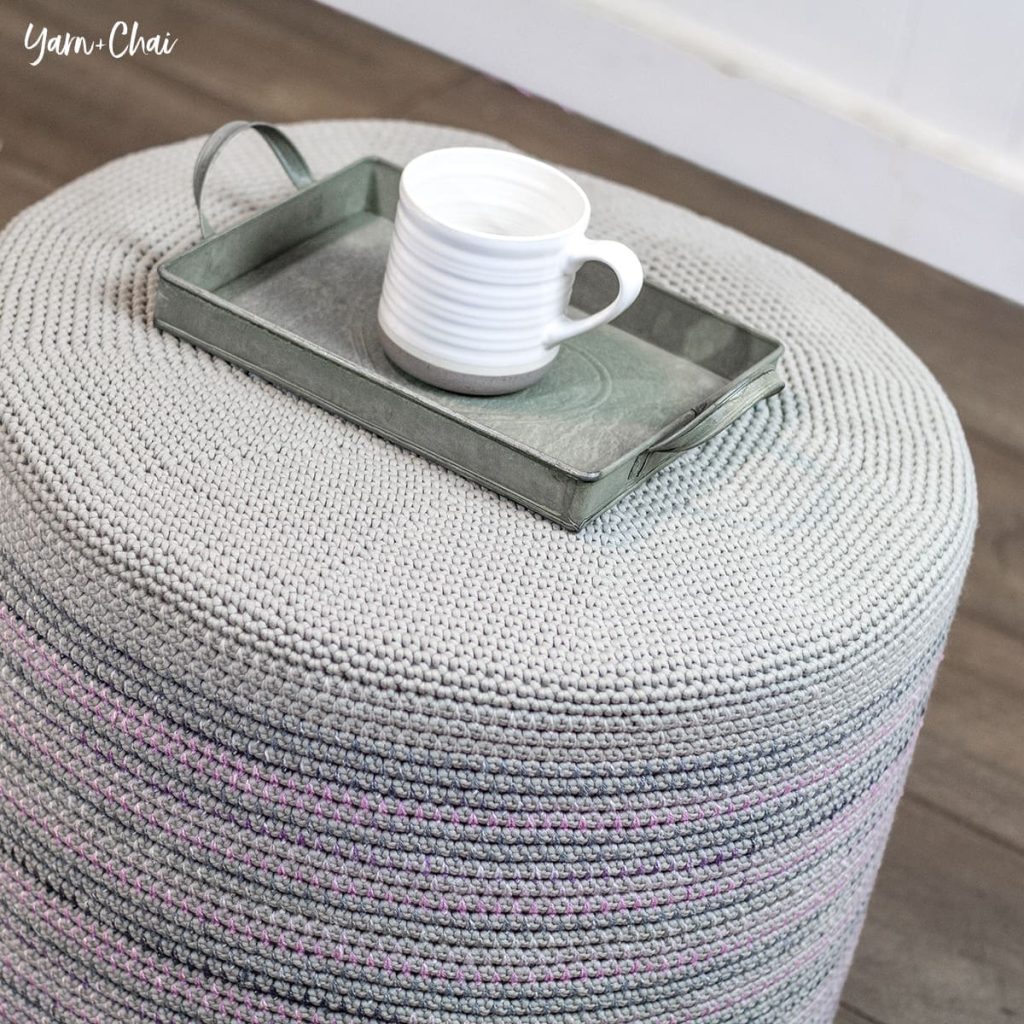
Looking to add a cozy, stylish touch to your living space? Making your own pouf ottoman is easier than you think—and it gives you a unique piece you can truly call your own.
Imagine sinking your feet into a soft, handmade pouf after a long day, or using it as extra seating when friends come over. In this guide, you’ll discover simple steps to create a pouf ottoman that fits your style and budget perfectly.
Ready to transform your room with a project that’s fun and rewarding? Let’s get started!
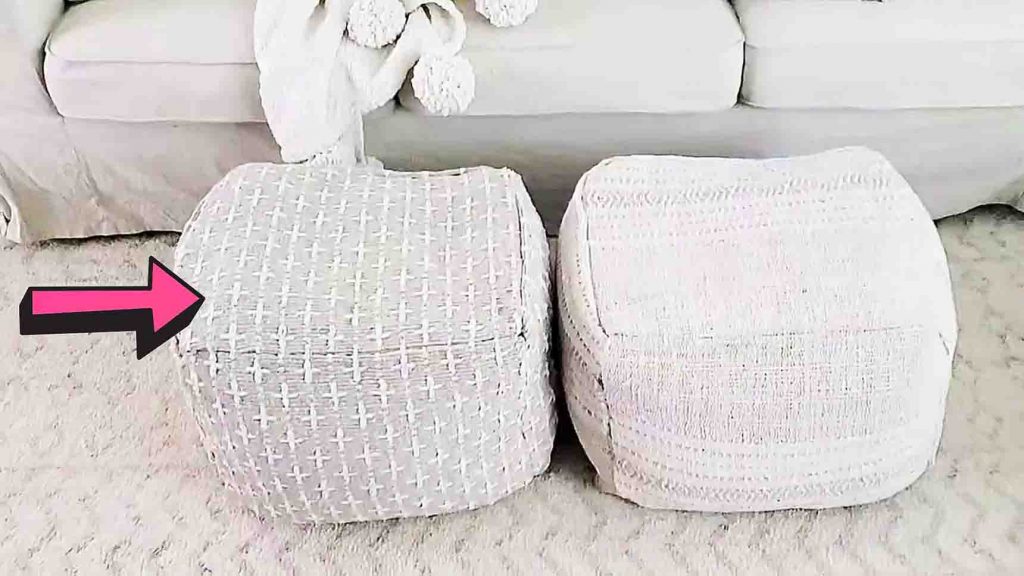
Credit: diyjoy.com
Materials Needed
Gathering the right materials is the first step to crafting a pouf ottoman you’ll be proud of. Choosing quality supplies not only makes your project easier but also ensures your pouf lasts longer. Let’s look at exactly what you’ll need to get started.
Fabric
Your fabric sets the tone for the entire pouf. Opt for durable materials like canvas, denim, or upholstery fabric that can handle frequent use. Consider the texture and color carefully—would you prefer a soft, cozy feel or something sleek and modern?
Stuffing
The stuffing gives your pouf its shape and comfort. You can use polyester fiberfill, old clothes, foam scraps, or even recycled plastic bags. Think about how firm or soft you want your pouf to be and choose stuffing accordingly.
Thread And Sewing Supplies
Strong thread is essential for holding your pouf together. Pick a heavy-duty thread that matches or complements your fabric color. You’ll also need basic sewing tools like needles, pins, and scissors to keep your work neat and precise.
Measuring Tools
Accurate measurements help your pouf come out just right. A tape measure or ruler will guide you in cutting fabric and stuffing evenly. Never underestimate the power of double-checking your measurements before you cut.
Optional Decorative Elements
Want to add a personal touch? Consider buttons, tassels, or fabric paint to customize your pouf. These small details can turn a simple piece into a statement item in your room.
Choosing The Right Fabric
Choosing the right fabric is key to making a pouf ottoman that looks good and lasts long. The fabric affects the comfort, style, and durability of your pouf. Picking a fabric that fits your needs and space makes a big difference.
Think about where you will place the pouf. High-traffic areas need tough fabrics. Softer fabrics work well in cozy spaces. Color and pattern also shape the room’s vibe.
Durability And Strength
Choose fabric that can handle weight and wear. Heavy-duty fabrics like canvas, denim, or upholstery fabric are strong choices. They resist tears and last through daily use.
Comfort And Texture
Soft fabrics add comfort to your pouf. Materials like velvet, cotton, or linen feel nice to touch. They make the pouf inviting for sitting or resting feet.
Color And Pattern Options
Fabric color changes the look of your room. Bright colors add energy. Neutral tones create calm spaces. Patterns can hide stains and add style.
Ease Of Cleaning
Pick fabrics that are easy to clean and maintain. Stain-resistant materials save effort. Removable covers help with washing.
Budget Considerations
Fabric prices vary. Choose one that fits your budget. Affordable options exist that look stylish and last well.
Measuring And Cutting
Measure fabric and foam carefully to fit the pouf’s shape. Cut pieces neatly for a clean, even finish. Precision ensures a well-made ottoman.
Creating a pouf ottoman is a rewarding DIY project that allows you to express your personal style while adding a functional piece to your living space. The journey begins with measuring and cutting, a crucial phase that sets the foundation for the entire project. Without precise measurements and cuts, even the most beautiful fabric won’t come together as planned. Are you ready to dive into the world of fabric, foam, and creativity?Gathering Your Materials
Before you cut, ensure you have all the materials. You’ll need fabric, scissors, foam or stuffing, and a measuring tape. The excitement of creating can make us forget something essential. Double-check your list to avoid last-minute dashes to the store.Measuring The Fabric
Measure twice, cut once. It’s a classic piece of advice because it works. Use your measuring tape to determine the size of your pouf. Consider the height, width, and depth. If your pouf will support a lot of weight, you might need thicker fabric. Carefully note down these dimensions.Calculating The Fabric Needs
Calculate the total amount of fabric needed. It’s more than just the surface area. Don’t forget to include extra for seams and hems. If your fabric has a pattern, plan for alignment. This ensures a polished look when the pouf is complete.Cutting With Precision
Use sharp scissors for clean edges. Lay your fabric on a flat surface and secure it with pins. This prevents slipping during cutting. Follow your measurements precisely, keeping steady hands. Cutting accurately now saves you from headaches during assembly.Handling Foam And Stuffing
Cutting foam or stuffing requires care. If you’re using foam, a bread knife can work wonders. For stuffing, ensure you have enough to fill the pouf to your desired firmness. A pouf too soft might not hold its shape, while too firm could be uncomfortable.Checking Your Pieces
Once cut, lay out your pieces to ensure everything aligns. This step avoids assembly issues later. Picture how the pieces will come together. Does each side match perfectly? If not, adjust now rather than later.Tips For Success
Here are some tips to ensure your project goes smoothly: – Work in a well-lit area: Good lighting helps you see details clearly. – Take breaks: Don’t rush the process. Take breaks to maintain precision and creativity. – Ask for help: If you’re unsure, ask a friend or look up tutorials. There’s a vast community of DIY enthusiasts ready to share insights. By focusing on these details, you’re setting the stage for a beautiful pouf ottoman that reflects your style and craftsmanship. What unique touch will you add to make it truly yours?
Credit: homeon129acres.com
Sewing The Fabric Pieces
Sewing the fabric pieces is a key step in making a pouf ottoman. This process shapes the pouf and prepares it for stuffing. Precision and patience are important here. The fabric pieces must fit perfectly to create a neat and sturdy ottoman.
Start by sewing the top and bottom circles. These form the base and the seat of the pouf. Then move on to the side panels. They wrap around the circles and give the pouf its height and shape.
Creating The Top And Bottom Circles
Cut two fabric circles of the same size. Use a fabric marker and a round object to trace the circles. Pin the edges to keep the fabric in place. Sew around the edges with a straight stitch. Leave a small opening to turn the fabric inside out.
After sewing, carefully flip the circles inside out. This hides the seams and gives a clean look. Iron the circles flat to remove wrinkles. The circles will become the sturdy top and bottom of the pouf.
Assembling The Side Panels
Cut several rectangular fabric pieces for the side panels. The number depends on your pouf’s size and design. Arrange the panels in a circle shape. Pin the edges of each panel to the next one.
Sew the panels together with a straight stitch. This creates a continuous band of fabric. Attach the band to the bottom circle first. Match the edges carefully and pin them together.
Sew the side panels to the bottom circle, then attach the top circle. Leave a small opening to add stuffing later. This step shapes the pouf and holds it firmly.
Stuffing The Pouf
Stuffing the pouf is a key step in making it comfortable and durable. The right filling gives shape and support. It also affects how the pouf feels when you sit on it. Proper stuffing makes the pouf look neat and last longer. Choosing the right materials and filling it correctly ensures a perfect result.
Selecting Filling Materials
Choose filling based on comfort and firmness needs. Common materials include:
- Polyester fiberfill – soft and lightweight
- Foam pieces – firm and supportive
- Old clothes or fabric scraps – eco-friendly option
- Bean bag beads – moldable and soft
- Natural materials like wool or cotton – breathable and natural
Mixing materials can improve comfort and durability. Avoid materials that may clump or lose shape quickly.
Filling Techniques
Fill the pouf evenly to avoid lumps and gaps. Use these tips:
- Start by adding a small amount of stuffing
- Press the filling down gently to spread it
- Add more stuffing slowly, checking firmness
- Shake or tap the pouf to settle the filling
- Adjust the amount to fit your comfort preference
Make sure the pouf is firm but soft enough to sit on. Overstuffing can make it hard and less flexible.
Finishing Touches
Finishing touches bring your pouf ottoman to life. They improve both look and function. This stage lets you add personality and durability. Small details make a big difference. Your pouf will feel complete and ready to use.
Adding Handles Or Embellishments
Handles make moving your pouf easier. Choose sturdy fabric or leather straps. Sew them firmly on opposite sides. Use strong thread and double stitch for security.
Embellishments add style and charm. Consider buttons, tassels, or fabric patches. Attach them carefully to avoid damage. Keep the design simple for a neat look.
Securing The Opening
Close the pouf’s opening tightly. Use a hidden zipper for a smooth finish. It helps to refill or clean the pouf later.
If a zipper is not an option, sew the opening shut. Use small, tight stitches to keep the filling inside. Knot the thread firmly to prevent unraveling.
Styling Your Pouf Ottoman
Styling your pouf ottoman can transform any space. It adds comfort and personality with simple touches. Knowing where and how to place your pouf makes a big difference. Combining it with other decor items creates a cozy and balanced look. Let’s explore easy ways to style your pouf ottoman.
Placement Ideas
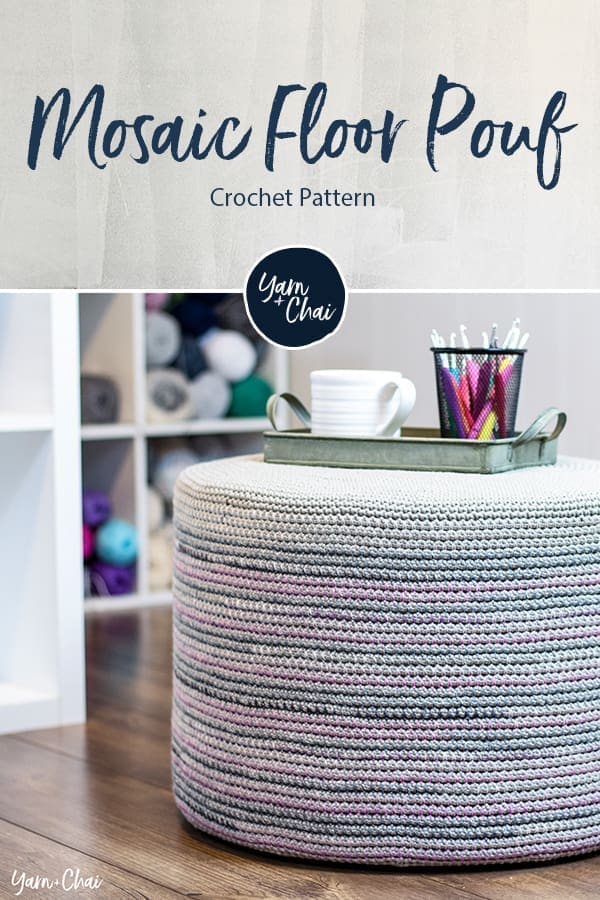
Choose a spot that invites use and looks good. Place your pouf near a sofa or chair for extra seating. It works well as a footrest in front of your favorite seat. Use it as a side table by adding a tray on top. Position it in a reading nook to add charm and comfort.
- Next to a coffee table for extra seating
- At the foot of your bed for a soft accent
- In a corner to fill empty space
- Near windows for a cozy sitting spot
Combining With Other Decor
Mix textures and colors to make your pouf stand out. Pair it with soft rugs and cushions for a layered look. Match your pouf’s color with curtains or throws for harmony. Place it beside wooden furniture for a warm contrast. Use plants nearby to add freshness and life.
- Soft blankets and cushions
- Wood or metal furniture
- Color-coordinated curtains or rugs
- Greenery or indoor plants
Credit: yarnandchai.com
Maintenance Tips
Maintaining your pouf ottoman keeps it looking fresh and lasting longer. Regular care prevents dirt buildup and fabric wear. Simple steps help preserve its shape and color. A clean pouf also improves the room’s overall look and feel.
Cleaning The Fabric
Vacuum the pouf gently to remove dust and crumbs. Use a soft brush attachment to avoid damaging the fabric. For stains, blot the area with a damp cloth and mild soap. Avoid soaking the fabric to prevent water damage. Test cleaning products on a small area first.
Protecting From Sunlight
Keep the pouf away from direct sunlight. Sun exposure can fade colors and weaken fabric fibers. Place it in shaded areas or use curtains to block harsh light. Rotate the pouf occasionally to ensure even wear on all sides.
Maintaining Shape And Support
Fluff the pouf regularly to keep its shape. Press and reshape it by hand if it feels flat. Avoid sitting on the pouf with sharp objects in pockets. Use a firm but gentle touch when handling to maintain its structure.
Storage Tips
Store the pouf in a dry, cool place during long breaks. Cover it with a breathable cloth to protect from dust. Avoid plastic covers, which trap moisture and cause mold. Check the pouf periodically to prevent damage while stored.
Frequently Asked Questions
What Materials Do I Need To Make A Pouf Ottoman?
You need fabric, stuffing, a sewing machine, thread, scissors, and a zipper. Choose durable fabric and soft stuffing for comfort.
How Long Does It Take To Make A Pouf Ottoman?
Making a pouf ottoman typically takes 2 to 4 hours. Time depends on your sewing skills and design complexity.
Can I Customize The Size Of My Pouf Ottoman?
Yes, you can easily customize the size by adjusting fabric measurements. Make sure stuffing fits your chosen dimensions.
What Is The Best Stuffing For A Pouf Ottoman?
Polyester fiberfill or foam beads are ideal stuffing options. They offer comfort, shape retention, and durability for your ottoman.
Conclusion
Making a pouf ottoman is a fun and useful project. You can choose fabric and stuffing that fit your style. This small piece adds comfort and charm to any room. It also saves money compared to buying one. With some basic tools and steps, anyone can create a cozy pouf.
Try it yourself and enjoy a unique piece in your home. Simple, practical, and satisfying to make.



