
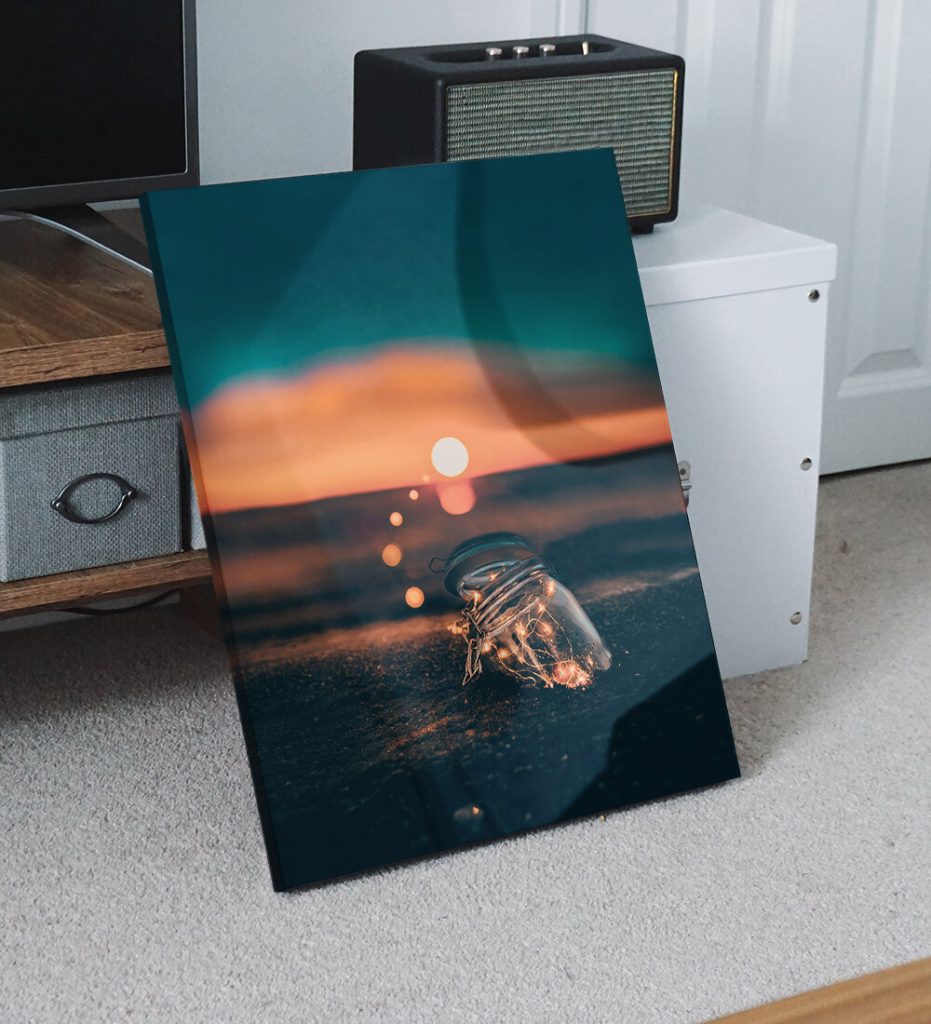
Have you ever wanted to turn your favorite photos into stunning wall art? Printing photographs on canvas is a simple way to transform your memories into beautiful, lasting pieces.
Imagine seeing your best moments come to life with rich colors and textures right on your walls. In this guide, you’ll discover exactly how to print your photos on canvas, step by step. Whether you want to decorate your home or create a meaningful gift, this article will help you get it done easily and perfectly.
Keep reading to unlock the secrets that will make your photos look amazing on canvas.

Credit: thestackhouse.com
Choosing The Right Photo
Choose a clear, high-quality photo to ensure sharp details on canvas. Bright images with good lighting work best for printing. Select photos that hold special meaning or fit your room’s style.
Choosing the right photo for your canvas print can make all the difference. It’s not just about selecting a picture you love; it’s about ensuring that it translates beautifully onto canvas. This process involves considering several key factors that can influence the final product’s quality and impact.High Resolution Images
When selecting a photo, resolution is crucial. High-resolution images ensure that your canvas print will be sharp and clear. A low-resolution image might look good on your phone but can become pixelated when enlarged. Check the image’s DPI (dots per inch). A minimum of 300 DPI is recommended for canvas prints. This ensures that every detail is captured, making your artwork stunning up close and from a distance.Color And Contrast
Vibrant colors can bring your canvas to life. However, it’s essential to consider how these colors will appear on canvas. Some colors may look different once printed, so choose images with balanced contrast. A photo with a good mix of light and dark areas often translates well onto canvas. This balance enhances depth and dimension, making your print more visually appealing.Subject And Composition
The subject of your photo should be something meaningful. Whether it’s a family portrait or a breathtaking landscape, the subject should evoke emotion or tell a story. Pay attention to composition. The rule of thirds is a great guideline, where the subject is not centered but positioned off to one side. This can create a more dynamic and interesting image, drawing viewers in and holding their attention. Consider how the canvas will be displayed. Will it hang in a living room or a hallway? The setting can influence your choice, ensuring the print complements its surroundings beautifully.Selecting Canvas Material
Choosing the right canvas material plays a key role in printing beautiful photographs. The canvas affects how colors appear and how long the print lasts. Picking the right type, texture, and size ensures the photo looks its best on your wall.
Types Of Canvas
Two main types of canvas work well for photo printing: cotton and polyester.
- Cotton canvasoffers a natural feel and rich texture. It absorbs ink well for deep colors.
- Polyester canvasis smooth and more durable. It resists fading and works well for sharp details.
Choose based on your preference for texture and durability.
Texture And Finish Options
Canvas texture changes how your photo looks. Some have a rough, artistic feel. Others are smooth for crisp images.
- Matte finishreduces glare and softens colors.
- Satin finishoffers a gentle shine and vibrant colors.
- Glossy finishgives a shiny, vivid look but may reflect light.
Consider the lighting in the room where you will hang the print.
Size Considerations
Selecting the right canvas size fits your space and photo detail. Larger canvases show details well but need higher resolution images.
Small canvases work well for tight spaces and simple photos. Measure your wall space before choosing size.
Preparing Your Image
Preparing your image before printing it on canvas is crucial to achieve the best results. A well-prepared image ensures sharpness, accurate colors, and the right fit for your canvas size. Taking the time to refine your photo will make a noticeable difference in the final product.
Editing For Canvas Printing
Start by enhancing the details of your photo. Adjust brightness and contrast to avoid dull or washed-out prints. Sharpen the image slightly to compensate for the texture of the canvas, which can soften fine details.
Remove any distractions or imperfections in the background to keep the focus on your main subject. Simple retouching tools can help clean up blemishes or unwanted objects. Think about how the image will look from a distance—does it still hold impact?
Cropping And Resizing
Decide on the canvas size you want before cropping. The aspect ratio of your image should match the canvas dimensions to avoid stretching or white borders. Use cropping tools to frame your subject perfectly, keeping important elements away from edges where they might get cut off or lost in the wrap-around.
Resizing your image to at least 150 DPI (dots per inch) is essential for clear printing. Low-resolution images can appear pixelated or blurry on large canvas prints. Check your image size in pixels and compare it to the canvas dimensions to ensure sharpness.
Color Calibration
Your screen’s colors might look different than the printed canvas. Calibrating your monitor helps you see colors more accurately before printing. Use calibration tools or software to adjust brightness, contrast, and color balance on your screen.
Consider soft-proofing your image using your photo editing software. This simulates how colors will appear on canvas, helping you make tweaks ahead of time. Ask yourself: are the colors vibrant but natural, or do they seem too intense or dull?

Credit: www.canvasjet.com
Printing Techniques
Printing photographs on canvas requires the right techniques for sharp, vibrant results. Choosing the correct printing method affects color accuracy, detail, and longevity. Understanding different options helps select the best fit for your artwork.
Inkjet Vs. Giclee Printing
Inkjet printing sprays tiny droplets of ink onto canvas. It is common and affordable for basic prints. Giclee printing uses high-quality inkjet technology with finer droplets. This method creates richer colors and sharper details. Giclee prints last longer and resist fading. Choose giclee for professional, gallery-quality photos. Inkjet suits casual or budget projects.
Choosing The Right Printer
Select a printer designed for canvas printing. Look for wide-format printers that handle thick materials. Check if the printer uses pigment-based inks. Pigment inks offer better durability and color depth than dye-based ones. Consider printers from trusted brands with good reviews. Test print samples to compare output quality. The right printer ensures smooth color transitions and sharp images.
Setting Print Quality
Adjust printer settings to maximize print quality. Choose the highest resolution available for detailed images. Set the media type to canvas or art paper for proper ink absorption. Use color profiles matching your printer and ink to keep colors accurate. Print in slow mode for better ink distribution. Avoid draft mode, which reduces quality. Proper settings create vibrant, clear canvas prints.
Mounting And Stretching Canvas
Mounting and stretching canvas is a crucial step to make your printed photograph look professional and gallery-ready. It transforms a simple print into a vibrant piece of art that holds its shape and displays beautifully on your wall. Getting this right ensures your image stays tight and smooth, preventing wrinkles and sagging over time.
Stretching Tools Needed
You’ll need just a few basic tools to stretch canvas effectively. A sturdy wooden frame or stretcher bars provide the foundation. Add a staple gun, canvas pliers, and a hammer to help pull and secure the fabric tightly.
Canvas pliers are especially useful—they give you a firm grip to stretch the canvas evenly without damaging the print. Without them, it’s easy to end up with uneven tension or accidental tears. Do you have the right tools ready before you start? It makes a big difference.
Stapling Methods
Stapling is the most common way to mount your canvas onto the frame. You want to staple the canvas on the back side of the frame, starting at the center of one side and working your way outwards.
Pull the canvas tight, then add staples every 2 to 3 inches. Be sure to alternate sides—top, bottom, left, right—to keep the tension balanced. This prevents warping and keeps your image flat and smooth.
Framing Options
Once your canvas is stretched, framing can add extra protection and style. Floating frames are popular because they make the canvas appear to “float” inside the frame, giving it a modern look.
If you prefer a traditional style, simple wooden or metal frames work well too. Some people leave the edges bare for a minimalist effect, especially if the image wraps around the sides. What kind of look fits your space best?
Protecting Your Canvas Print
Protecting your canvas print is essential to keep your photographs looking vibrant and fresh for years. Without proper care, colors can fade, and the canvas surface may suffer damage from dust, moisture, or sunlight. Taking simple steps to protect your print can save you from costly replacements and preserve your cherished memories.
Applying Varnish Or Sealant
Adding a varnish or sealant is one of the best ways to protect your canvas print. These coatings create a protective layer that shields the image from dust, fingerprints, and minor scratches.
You can choose between gloss, matte, or satin finishes depending on the look you want. Applying varnish is straightforward—use a soft brush or spray to cover the surface evenly.
Be sure to work in a well-ventilated area and allow the varnish to dry completely before handling the print. Have you ever noticed how a glossy finish can make colors pop? That’s the magic of varnish at work.
Uv Protection Tips
Sunlight is one of the biggest threats to your canvas print’s longevity. UV rays cause colors to fade over time and weaken the canvas fibers.
To protect your print, place it away from direct sunlight or use UV-blocking glass if framing. Another option is applying a UV-resistant spray designed specifically for artwork.
Do you have a sunny wall where you want to hang your print? Try rotating your artwork periodically to minimize constant exposure and keep colors vibrant.
Cleaning And Maintenance
Regular cleaning keeps your canvas print looking sharp and prevents dust buildup. Use a soft, dry cloth or a gentle brush to remove surface dust carefully.
Avoid using water or cleaning solutions that can damage the canvas or ink. If you spot a stain, test a mild cleaner on a small, hidden area first.
How often do you dust your artwork? Making it part of your routine can significantly extend the life of your canvas print.
Creative Display Ideas
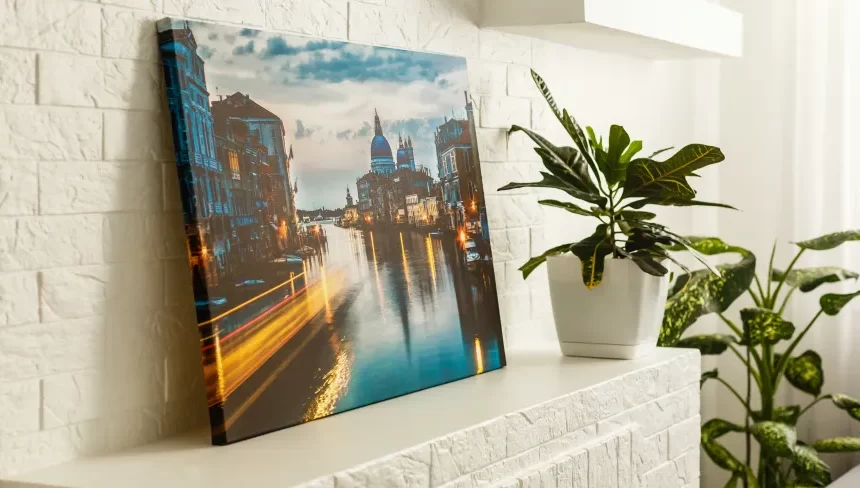
Printing your photographs on canvas opens up a world of creative display options that can transform your living space. Instead of just hanging a single piece, think about how different arrangements and lighting can enhance the visual impact. How can you make your canvas prints truly stand out and reflect your personal style?
Gallery Wall Arrangements
Creating a gallery wall is a fantastic way to showcase multiple canvas prints together. You can group photos by theme, color, or even by the story they tell, making the wall a conversation starter.
Try mixing vertical and horizontal canvases to break the monotony and keep your eyes moving across the display. Use painter’s tape to mark the wall before hanging to visualize the layout and avoid unnecessary holes.
Mixing Canvas Sizes
Playing with different canvas sizes adds depth and interest to your photo display. Large canvases can serve as focal points, while smaller ones fill in gaps and create balance.
Consider placing a big canvas in the center and surround it with smaller pieces to draw attention naturally. This approach works well in both small and large rooms, allowing you to maximize wall space without overcrowding.
Lighting For Canvas Art
Proper lighting can change how your canvas photographs are perceived. Soft, warm lights enhance colors and textures, making your images feel more vibrant and alive.
Use adjustable spotlights or picture lights to highlight key pieces. Have you noticed how a well-lit photo captures your gaze longer? Experiment with angles to avoid glare and shadows, ensuring your canvas art always looks its best.
Credit: ewanprinting.com
Frequently Asked Questions
How Do I Prepare Photos For Canvas Printing?
To prepare photos, choose high-resolution images for clear prints. Edit brightness and contrast for best results. Crop to fit canvas size and save in a suitable format like JPEG or PNG.
What Type Of Canvas Is Best For Photo Printing?
Cotton and polyester canvases work best for photo printing. Cotton offers a natural texture, while polyester provides vibrant colors. Choose based on your preferred finish and durability.
Can I Print Photos On Canvas At Home?
Yes, with a suitable printer and canvas sheets, you can print photos at home. Use an inkjet printer and special canvas paper for quality results. Ensure proper drying to avoid smudging.
How Long Does Canvas Photo Printing Take?
Canvas photo printing usually takes a few minutes to an hour. Time varies by method and printer speed. Professional services may take a few days depending on order size.
Conclusion
Printing photographs on canvas brings your memories to life. You only need a good photo, quality canvas, and printer. Choose the right size and colors for the best look. Stretch the canvas carefully to avoid wrinkles. Display your artwork proudly at home or gift it to loved ones.
With practice, your prints will look more professional. Enjoy turning simple photos into lasting wall art. Try it today and see the difference yourself!



