
Have you ever wondered what made the Ottoman Empire stand out in history? This powerful empire shaped the world in ways you might not expect.
From stunning architecture to incredible military strength, the Ottoman Empire left a mark that still influences us today. If you want to discover the secrets behind its success and why it remains famous, keep reading. Your curiosity will be rewarded with fascinating facts that bring this empire to life.
Rise Of The Ottoman Empire
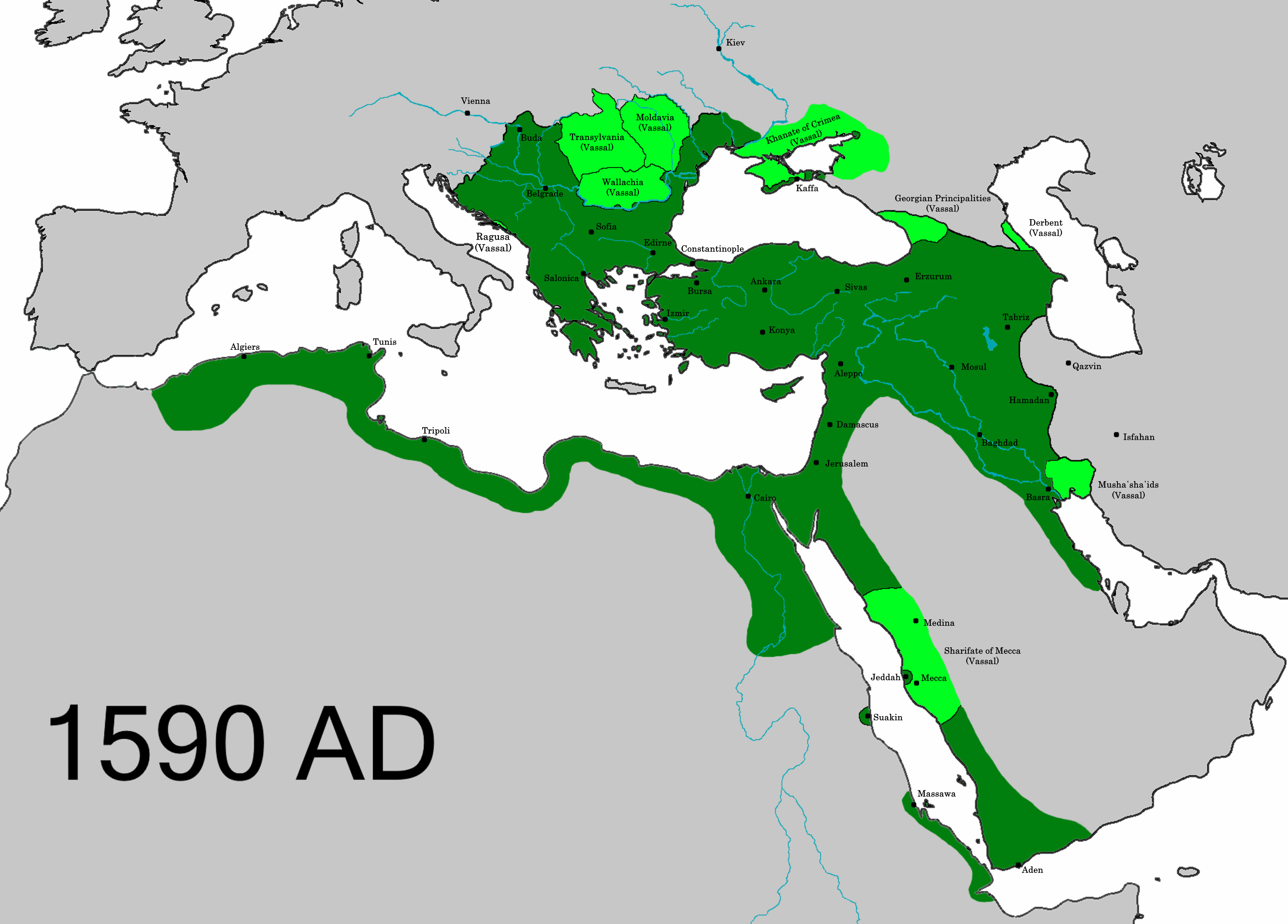
The rise of the Ottoman Empire marks one of history’s most remarkable stories. From a small principality, it grew to dominate vast lands in Europe, Asia, and Africa. This rise shaped cultures, politics, and trade for centuries. Understanding how the empire began and expanded helps us appreciate its lasting impact.
Founding And Early Expansion
The Ottoman Empire started around 1299 in northwest Anatolia. It was founded by Osman I, a leader of a small Turkic tribe. Osman’s tribe gained power by uniting nearby clans and defeating rivals. The empire grew by taking control of key trade routes and cities.
Early expansion involved conquering lands from the Byzantine Empire. The Ottomans used clever strategies and strong armies. They also welcomed diverse peoples under their rule, which helped stabilize new territories. This mix of military skill and diplomacy set the stage for future growth.
Key Leaders And Battles
Several leaders played crucial roles in the empire’s rise. Osman I laid the foundation. His son, Orhan, captured important cities like Bursa, which became the first capital. Murad I expanded the empire into the Balkans and established a strong military system.
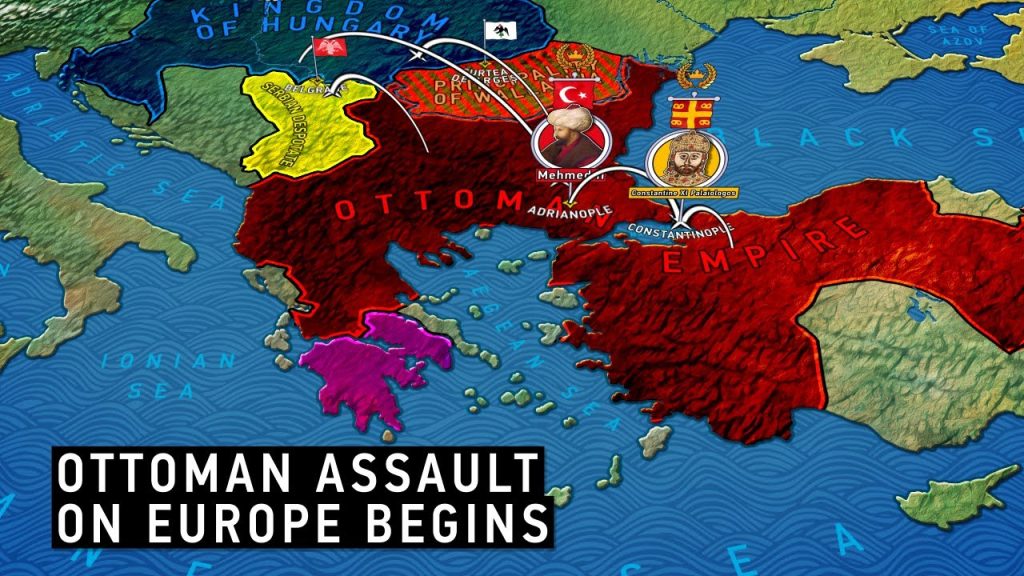
The battle of Kosovo in 1389 was a key moment. It helped the Ottomans control much of the Balkans. Sultan Mehmed II, known as Mehmed the Conqueror, captured Constantinople in 1453. This victory marked the end of the Byzantine Empire and made the Ottomans a major power.
Military Strength And Innovations
The Ottoman Empire stood out for its strong and innovative military. Its forces adapted to new challenges and technologies. This helped the empire expand and control vast lands for centuries. The military’s structure and tactics set it apart from other powers of the time.
Elite Janissary Corps
The Janissaries were the empire’s elite infantry. They were trained soldiers loyal only to the sultan. Recruited from Christian boys, they converted to Islam and received rigorous training. Their discipline and skills made them feared fighters. They used muskets and early firearms effectively in battle.
Advanced Siege Techniques
The Ottomans mastered siege warfare to capture strong fortresses. They developed powerful cannons capable of breaking thick walls. Engineers designed new methods to dig tunnels and place explosives. These tactics helped them win battles quickly. The fall of Constantinople in 1453 showed their siege power.
Naval Power In The Mediterranean
The empire built a strong navy to control the Mediterranean Sea. Their ships were fast and well-armed. They used advanced navigation to protect trade routes and attack enemies. The navy fought major battles against European fleets. This control helped secure Ottoman territories and influence overseas.
Cultural Achievements
The Ottoman Empire is known for its rich cultural achievements in art, architecture, and literature. Stunning mosques and intricate calligraphy highlight its lasting influence. It also blended diverse traditions from Europe, Asia, and Africa, creating a unique cultural legacy.
The Ottoman Empire, a beacon of cultural richness, left an indelible mark on the world through its remarkable achievements. Its legacy is a tapestry woven with architectural wonders, intricate art, and a vibrant literary and musical tradition. These cultural feats are not just historical footnotes; they continue to inspire and captivate us today.Architectural Marvels
The Ottoman Empire is renowned for its stunning architectural contributions. Think of the majestic Hagia Sophia and the grandiose Topkapi Palace. These structures are not just buildings; they are stories in stone, each telling tales of an empire’s glory. Ottoman architecture often blended Islamic design with Byzantine influences. This fusion created something uniquely beautiful and enduring. Next time you visit a mosque or palace from this era, notice the intricate tile work and the play of light through stained glass. Have you ever stood in a space that took your breath away? Ottoman architecture aimed to evoke that awe. It invites you to pause and appreciate the blend of art and function.Art And Calligraphy
The Ottomans elevated calligraphy to an art form. Arabic script was not just written; it was painted with grace and precision. This devotion to beauty in writing was a reflection of their reverence for language and communication. Ottoman artists were masters of miniature painting. These detailed artworks often depicted historical events, daily life, and even fantastical tales. They captured the essence of the empire’s vibrant culture. Imagine holding a book filled with such miniature paintings. Each page is a window into the past, offering insights into the lives and values of its people. How does art enhance your understanding of history?Literature And Music
Literature flourished under Ottoman rule, with poets and writers creating works that transcended time. The poetry of the period often explored themes of love, spirituality, and the beauty of nature. These verses were a testament to the intellectual and emotional depth of the empire. Music was another vital part of Ottoman culture. It combined elements from various cultures within the empire, creating a rich and diverse musical landscape. Traditional instruments like the oud and ney were central to this unique sound. Have you ever listened to a piece of music that moved you deeply? Ottoman music aimed to do just that, inviting listeners to experience a deep emotional connection. The cultural achievements of the Ottoman Empire remind us of the power of art, architecture, and music to transcend time and connect us all. How do these elements play a role in your own cultural understanding?
Credit: uk.news.yahoo.com
Administrative Systems
The Ottoman Empire is famous for its advanced and effective administrative systems. These systems helped manage a vast and diverse empire for centuries. They balanced power, law, and culture to maintain order and promote growth. Understanding these systems offers insight into how the empire lasted for over 600 years.
Millet System And Religious Tolerance
The Millet System divided society into religious communities. Each millet had its own leaders and laws. This system allowed different religious groups to govern themselves. It promoted peace by respecting diverse beliefs. Religious tolerance helped the empire avoid many conflicts. People could practice their faith freely under Ottoman rule.
Legal Reforms And Governance
The Ottomans combined Islamic law with local customs. They created a flexible legal system called “Kanun.” This system adapted to changing needs. Legal reforms improved justice and fairness. Governance was centralized but allowed local authorities some autonomy. The Sultan held ultimate power but relied on trained officials. This balance kept the empire stable and efficient.
Taxation And Economic Policies
Taxation was organized and systematic in the Ottoman Empire. Different groups paid taxes based on their status and land. Taxes funded the military and public services. The empire encouraged trade with fair economic policies. Markets were regulated to protect consumers and merchants. These policies strengthened the economy and supported the empire’s growth.
Economic Influence
The Ottoman Empire held a vast economic influence across three continents. It linked Europe, Asia, and Africa through trade and commerce. Its economy thrived on strategic trade routes and skilled craftsmanship. The empire became a center for goods, ideas, and culture. Its markets buzzed with activity, fueling wealth and growth.
Trade Routes And Commerce
The empire controlled key trade routes connecting East and West. These routes allowed goods like silk, spices, and metals to flow freely. Cities like Istanbul became major trading hubs. Merchants from various cultures met and exchanged products. The empire’s location helped it regulate and tax trade efficiently. This control boosted its wealth and political power. Markets within the empire offered a wide variety of goods. Trade fostered economic stability and cultural exchange.
Craftsmanship And Industry
The Ottoman Empire was famous for its skilled artisans. Craftsmen produced textiles, ceramics, metalwork, and jewelry. These goods were highly valued and traded worldwide. Workshops and guilds maintained high-quality standards. The empire also developed industries like shipbuilding and armory. Local production supported both the military and economy. Handcrafted goods reflected the empire’s rich culture and innovation. This craftsmanship attracted traders and buyers from distant lands.
Impact On Europe And Asia
The Ottoman Empire played a crucial role in shaping the history of both Europe and Asia. Its strategic location bridged continents, making it a powerful force in trade, politics, and culture. Understanding this impact helps you see how past connections influence today’s global relationships.
Diplomatic Relations
The Ottoman Empire maintained complex diplomatic ties with many European and Asian powers. It negotiated treaties that balanced power and avoided prolonged conflicts, such as the Treaty of Karlowitz in 1699 which reshaped boundaries in Eastern Europe.
These relations often went beyond war and peace. The Ottomans exchanged ambassadors, shared intelligence, and established trade agreements that benefited multiple regions.
Have you ever considered how these early diplomatic efforts set the stage for modern international relations?
Cultural Exchange And Influence
The empire was a melting pot of cultures, religions, and languages. It brought together diverse peoples, leading to a rich cultural exchange that influenced art, architecture, cuisine, and science.
For example, Ottoman architecture, like the iconic mosques designed by Mimar Sinan, inspired European styles. Similarly, coffee, which became a staple in Europe, was introduced through Ottoman trade routes.
When you enjoy a cup of coffee or admire certain architectural designs, you’re experiencing the lasting cultural influence of the Ottoman Empire firsthand.
Decline And Legacy
The Ottoman Empire was one of the longest-lasting empires in history. Its decline spanned several centuries, marked by many challenges. Despite its fall, the empire left a strong legacy. This legacy shapes cultures, politics, and societies today.
Factors Leading To Decline
- Military defeats weakened Ottoman control over lands.
- Economic problems arose from trade route changes.
- Corruption and poor leadership reduced government strength.
- Rising nationalist movements within the empire caused internal conflicts.
- European powers expanded and challenged Ottoman territories.
Modern-day Influence
The Ottoman Empire shaped modern Turkey’s culture and government.
Many countries in the Middle East and Balkans reflect Ottoman traditions.
Architectural styles like mosques and palaces still inspire today’s designs.
Ottoman cuisine influences food across several regions.
Legal and administrative systems in some countries trace back to Ottoman rules.
Credit: owlcation.com
Credit: owlcation.com
Frequently Asked Questions
What Is The Ottoman Empire Famous For Historically?
The Ottoman Empire is famous for its long-lasting rule from 1299 to 1922. It controlled vast territories across Europe, Asia, and Africa, influencing culture, politics, and trade significantly. It was also known for its military power and architectural achievements like the Hagia Sophia.
How Did The Ottoman Empire Impact World Trade?
The Ottoman Empire controlled key trade routes connecting Europe and Asia. This control boosted commerce and cultural exchange between continents. It facilitated the spread of goods, ideas, and technology, making it a vital player in global trade during its peak.
What Are The Major Cultural Contributions Of The Ottoman Empire?
The empire contributed rich art, architecture, and literature. It blended Islamic, Byzantine, and Persian influences, creating unique styles. Notable works include intricate tile art, calligraphy, and monumental buildings like mosques and palaces that still inspire today.
Why Is The Ottoman Empire Important In Islamic History?
The Ottoman Empire was a major Islamic caliphate for centuries. It preserved and spread Islamic traditions and law. The empire also played a key role in the political and religious leadership of the Muslim world until its dissolution in the early 20th century.
Conclusion
The Ottoman Empire shaped history in many ways. It built great cities and strong armies. Its culture mixed East and West beautifully. Trade and art thrived under its rule. The empire’s legacy still influences today’s world. Understanding it helps us see the past better.
A story of power, culture, and change. It remains a key chapter in world history.



